Source Disposable Gynecology Instrument Set for Hospital Procedures
Compare 30 available options for the Disposable Gynecology Instrument Set, featuring sterile EO gas packaging and medical-grade PVC materials. These kits include essential components like gloves and speculums, designed for reliable hospital use and customizable for specific clinical needs; compare the available evidence and request quotations based on your requirements.
Key considerations
Products List


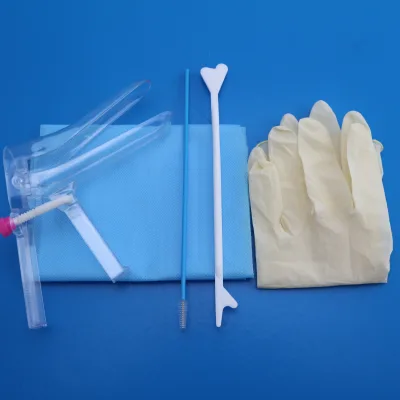
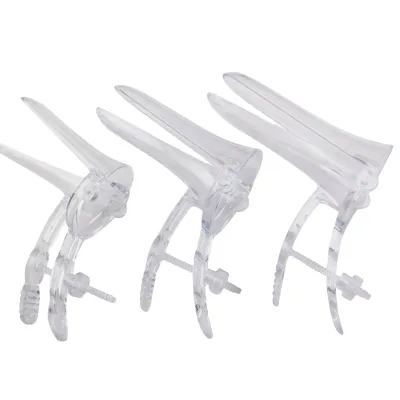
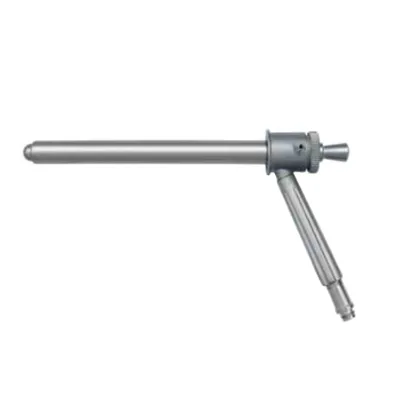


High Quality Hysteroscopy Gynecological Surgical Gynecology Sets Hysteroscope
$200.00 - $10000.00
MOQ: 1 Sets


Syb-002 Gynecological Exam Instruments Complete Gynecology Medical Set
$138.00 - $172.00
MOQ: 18 Pieces

Syb-002 Colposcope Gynecological Examination Set Gynecology Surgical Instruments
$138.00 - $172.00
MOQ: 18 Pieces


Wholesale Disposable Sterile Hooking Type Gynecology Instrument Set Vaginal Speculum
$0.11 - $0.15
MOQ: 10000 Pieces

Wholesale Disposable Sterile Side Screw Type Gynecology Instrument Set Vaginal Speculum
$0.11 - $0.15
MOQ: 10000 Pieces

Wholesale Disposable Sterile Push Pull Type Gynecology Instrument Set Vaginal Speculum
$0.11 - $0.15
MOQ: 10000 Pieces


in-G Gynecology Instruments Sets Surgical Instrument Set New Arrival Stainless Steel
$100.00 - $2000.00
MOQ: 1 Pieces


Comprehensive Sourcing Guide
Disposable Gynecology Instrument Set Sourcing Guide
Procuring sterile gynecological kits requires careful attention to material composition and sterilization methods, as these factors directly impact patient safety and clinical efficacy. Buyers must distinguish between single-use disposables and reusable instruments, ensuring that the selected products align with hospital infection control protocols. The market offers various configurations, including kits with speculums, gloves, and bed sheets, often packaged in single units or bulk cartons for efficient distribution.
Verification of the product’s classification is essential for regulatory compliance and proper usage. Instruments are typically categorized as Class I or Class II medical devices, which dictates the level of scrutiny required during the sourcing process. Understanding this classification helps procurement teams assess the necessary quality management systems and ensures that the supplied items meet the specific clinical needs of the healthcare facility without risking regulatory non-compliance.
Product Scope and Observed Listing Signals
The observed product range includes sterile gynecological kits and specialized instruments such as disposable vaginal speculums with middle screws. These items are primarily designed for female adult patients in hospital settings, featuring materials like medical-grade PVC and non-toxic, non-irritant polystyrene. The listings indicate a wide variety of models, such as YX-JSRY-003 and HA01, suggesting that buyers can find customized solutions tailored to specific procedural requirements or institutional preferences.
Packaging and sterilization details are critical signals for evaluating product readiness. Most observed items are ethylene oxide (EO) gas sterile, with shelf lives extending up to five years, which supports long-term inventory management. Packaging varies from single PE bags or blister packs to larger cartons containing hundreds of units, allowing procurement teams to select options that balance hygiene preservation with logistical efficiency and storage space constraints.
Technical Specifications to Verify
Material safety is a paramount technical consideration, with many kits utilizing medical-grade PVC or non-toxic polystyrene to ensure patient comfort and reduce irritation risks. Buyers should verify that all components, including gloves, scrapers, and bed sheets, are explicitly labeled as non-toxic and suitable for direct patient contact. The availability of customization options allows hospitals to specify exact material compositions, ensuring that the final product meets their internal safety standards and clinical guidelines.
Size and model specifications must be matched to the intended clinical application to ensure procedural success. Products are often available in small, medium, and large sizes, accommodating diverse patient anatomies. Procurement teams should confirm the exact dimensions and component lists for each model number, such as HST 09 or ZG-CZCJ21, to prevent mismatches between ordered items and clinical needs, thereby reducing waste and ensuring consistent patient care outcomes.
Compliance and Safety Documentation
Regulatory certifications are non-negotiable for medical device procurement, with CE marking and ISO 13485 standards frequently cited in supplier listings. Buyers must request valid certificates to verify that the manufacturer adheres to stringent quality management systems for medical devices. These certifications provide assurance that the production processes, from raw material sourcing to final sterilization, are controlled and monitored according to international best practices, reducing the risk of supply chain disruptions due to regulatory audits.
Sterilization validation is another critical compliance aspect that requires thorough documentation. Ethylene oxide sterilization is a common method, but buyers should ensure that the supplier provides proof of effective sterilization and residual gas testing results. Verifying that the products are truly sterile and safe for use prevents hospital-acquired infections and ensures that the medical instruments meet the highest safety standards required by healthcare regulatory bodies.
Cost Drivers and Commercial Terms
Pricing for disposable gynecology sets varies significantly based on material quality, sterilization method, and order volume. The observed price range spans from low-cost single items to higher-priced specialized kits, reflecting differences in component complexity and packaging. Buyers should analyze the cost per unit in the context of the total kit value, considering that higher initial costs may be justified by superior material safety, longer shelf life, or more comprehensive component lists that reduce the need for additional purchases.
Minimum order quantities (MOQ) and payment terms heavily influence the total cost of ownership. Suppliers often set MOQs ranging from small trial orders to large bulk purchases, with some requiring volumes of 10,000 to 20,000 pieces. Understanding these thresholds helps procurement teams negotiate better pricing tiers and manage cash flow effectively. Additionally, payment terms such as T/T and FOB Shanghai should be evaluated to determine the total landed cost, including shipping and insurance expenses.
Supplier Qualification and Quality Control
Supplier location and manufacturing capability are key indicators of reliability, with many producers based in industrial hubs like Jiangsu, China. Buyers should verify the supplier’s production capacity, such as the ability to supply 10,000 sets per day, to ensure consistent availability during peak demand periods. Assessing the supplier’s history and reputation in the medical device market provides insight into their stability and commitment to long-term partnerships, which is crucial for maintaining a steady supply of essential medical instruments.
Quality assurance processes, including OEM capabilities and after-sale support, are vital for maintaining product consistency. Suppliers offering OEM services allow hospitals to brand products according to their institutional identity, enhancing brand recognition and patient trust. Additionally, robust after-sale services, such as online technical support, provide a safety net for addressing any product-related issues, ensuring that procurement teams can resolve problems quickly without disrupting clinical operations.
Long-Term Procurement Checks
Regular audits of supplier performance and product quality are essential for maintaining high standards in medical procurement. Buyers should establish key performance indicators (KPIs) related to delivery times, product defect rates, and compliance with safety standards. Continuous monitoring of these metrics helps identify potential issues early, allowing for proactive measures to mitigate risks and ensure that the supplied gynecology instruments consistently meet the hospital’s clinical and regulatory requirements.
Reviewing the shelf life and expiration dates of stocked inventory is crucial to prevent waste and ensure patient safety. With shelf lives extending up to five years, buyers must implement effective inventory rotation systems to use older stock first. Regularly checking the condition of packaging and sterilization integrity during storage ensures that the products remain safe and effective until they are used, thereby protecting both patient health and the hospital’s financial resources from spoilage-related losses.
FAQs
What certifications do the disposable gynecology instrument sets have?
The sets carry CE certification and meet ISO standards for medical safety. Some products also hold ISO13485 certification to ensure quality management systems are in place. These certifications verify that the instruments comply with international safety requirements for hospital use.
How are the surgical supplies sterilized before delivery?
All listed items undergo Ethylene Oxide gas sterilization to ensure they are sterile upon arrival. This EO gas process effectively eliminates microorganisms, making the disposable kits safe for immediate use in gynecological procedures within hospital settings without further preparation.
Which materials are used to manufacture these medical kits?
Manufacturers utilize medical grade PVC and non-toxic, non-irritant PS materials for construction. These materials ensure safety for patient contact while maintaining the necessary durability for single-use applications. The specific material choice depends on the component type within the kit.
Can buyers request custom logo printing on the packaging?
Customization is available for many products, though some listings specify no logo printing. Buyers should verify specific OEM capabilities with the supplier to confirm if branding options are included. This flexibility allows for tailored packaging solutions for different market needs.
What is the typical minimum order quantity for these sets?
Minimum order quantities vary significantly, ranging from one unit up to 100,000 pieces depending on the supplier. Specific models may require orders of 10,000 or 20,000 pieces. Buyers must check individual product listings to determine the exact MOQ applicable to their purchase.
How long is the shelf life of the sterile kits?
Selected products offer a shelf life of up to five years when stored correctly. This duration ensures long-term availability for hospitals and clinics. The sterility remains intact throughout this period provided the packaging remains undamaged and the storage conditions are maintained.
Where are these medical instruments manufactured and shipped from?
The products originate from China, with specific manufacturing locations in Jiangsu province. Shipments are typically dispatched from the Shanghai port. This location allows for efficient logistics and supply chain management for international buyers seeking these medical supplies.