Source Disposable PE Coated Paper Box for Food Packaging
Find 30 options for Disposable PE Coated Paper Box solutions tailored for food packaging needs. Compare specifications including biodegradable features, custom sizes, and moisture-proof materials from verified suppliers to select the best fit for your business requirements; compare the available evidence and request quotations based on your requirements.
Key considerations
Products List


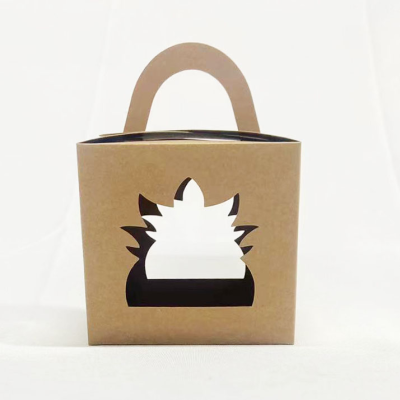


Disposable Paper Packaging Box Food Container Cardboard Box with Handle
$0.07 - $0.07
MOQ: 100000 Pieces


Disposable Take-out Food Packing Corrugated Cardboard Brown Paper Box
$0.07 - $0.07
MOQ: 100000 Pieces


Comprehensive Sourcing Guide
Disposable PE Coated Paper Box Sourcing Guide
Procuring disposable PE coated paper boxes requires balancing moisture resistance with environmental expectations, as the polyethylene coating provides essential waterproofing for food applications like salads, burgers, and bread. Buyers must verify that the pulp material is virgin wood pulp to ensure structural integrity and food safety, while confirming the coating material is specifically PE for liquid barrier performance. This combination supports diverse uses ranging from cosmetic packaging to garment and jewelry storage, but the specific application dictates the necessary thickness and rigidity.
The observed market signals indicate a wide range of customization options, with suppliers offering custom sizes, logos, and specific model numbers like sun-042 or TYST-F2411291103. While some listings highlight biodegradable and compostable advantages, the presence of a PE coating often complicates end-of-life disposal, requiring buyers to clarify if the product is truly compostable or merely recyclable under specific conditions. Understanding these nuances is critical before committing to large orders, as the functional benefits of the coating must align with the buyer's sustainability goals and local waste management regulations.
Product Scope and Observed Listing Signals
The product scope encompasses a variety of forms including rolls, reels, sheets, and finished boxes, with observed specifications ranging from 1-10 inches to fully customized dimensions. Listings frequently mention features such as anti-curl, anti-rust, and greaseproof properties, which are essential for protecting food items and delicate goods during transit. The packaging formats vary significantly, with options including bundles, bags, cartons, and master cartons, allowing suppliers to tailor logistics solutions to the specific volume and weight of the order.
Buyers should note that the observed price range spans from $0.01 to $1400, reflecting the diversity from single-unit samples to bulk industrial orders with MOQs up to 100,000 units. The origin of these products is primarily China, with specific hubs in Fujian and Xiamen, which influences lead times and shipping costs. While some suppliers offer custom samples within 3-5 days, standard production times for finished boxes typically range from 7-10 working days, requiring careful planning for time-sensitive procurement cycles.
Technical Specifications to Verify
Technical verification must begin with the paper type, which is often listed as food-grade kraft paper or white board, ensuring the material meets hygiene standards for direct food contact. Buyers should confirm the surface handling capabilities, such as offset printing with CMYK and Pantone colors, to ensure branding requirements are met without compromising the structural integrity of the box. The shape is frequently square, but the ability to produce custom sizes and folding mechanisms is a key differentiator for brands needing unique unboxing experiences.
It is crucial to validate the weight specifications, which can range from 0.5 to 1 kg for larger units, while single gross weights for individual components may be as low as 0.008 kg. The production process must support the required surface handling, including artwork design in formats like AI, PDF, and PSD, to facilitate accurate logo printing. Additionally, the box function should be confirmed as folding to ship, which reduces storage volume and shipping costs, ensuring the product is efficient for both the supplier and the end-user.
Compliance and Safety Documentation
Compliance documentation is paramount when sourcing food-grade packaging, as the material must be certified safe for direct contact with items like biscuits, sandwiches, and health care products. While background data mentions BSCI and FSC certifications, buyers must explicitly request current certificates from the supplier to verify that the virgin wood pulp and PE coating meet international food safety standards. Relying on general claims of being eco-friendly or biodegradable is insufficient without documented proof of compliance with relevant regulatory frameworks in the destination market.
Safety verification also extends to the printing inks and adhesives used in the manufacturing process, which must be non-toxic and free from heavy metals. Buyers should require test reports confirming that the product is moisture-proof and greaseproof, as these are critical features for maintaining food quality during storage and transport. The absence of specific test data in the initial listing signals should prompt a direct request for laboratory results before finalizing any purchase agreement to mitigate liability risks.
Cost Drivers and Commercial Terms
Cost drivers for disposable PE coated paper boxes are heavily influenced by the customization level, with custom sizes and specific model numbers often commanding higher prices than standard stock items. The material composition, particularly the use of virgin wood pulp versus recycled alternatives, significantly impacts the base cost, as does the thickness required for specific applications like jewelry or heavy food items. Buyers must analyze the trade-off between premium features like anti-curl properties and the overall budget constraints of their procurement strategy.
Commercial terms vary widely, with delivery times often stated as "according to the quantity," indicating that larger orders may extend the production window beyond the standard 7-10 days. MOQs can range from a single unit for samples to 100,000 units for bulk production, requiring buyers to negotiate flexible terms that align with their inventory needs. Packaging options such as export cartons or poly bags with paper boxes also affect the final landed cost, necessitating a detailed review of all line items in the commercial invoice.
Supplier Qualification and Quality Control
Supplier qualification should focus on verifying the production capacity and consistency of the manufacturing facilities located in Fujian and Xiamen, China. Buyers must assess the supplier's ability to maintain quality control across different production runs, especially when dealing with custom models like sun-115 or sun-127, where slight variations in coating or pulp density can affect performance. Requesting references from previous clients who have ordered similar volumes and specifications can provide insight into the supplier's reliability and adherence to agreed-upon standards.
Quality control protocols must include rigorous inspection of the final product for defects such as uneven coating, poor printing alignment, or structural weaknesses in the folding mechanism. Since the product is often used for food packaging, any contamination or material failure could lead to significant brand damage, making pre-shipment inspections essential. Buyers should establish clear acceptance criteria for features like moisture proofing and grease resistance, ensuring that the delivered goods match the technical specifications outlined in the initial inquiry.
Long-Term Procurement Checks
Long-term procurement checks involve monitoring the supplier's ability to maintain consistent quality and pricing over extended periods, especially as raw material costs fluctuate. Buyers should regularly review the supplier's adherence to sustainability claims, verifying that the biodegradable and compostable attributes remain valid as production processes evolve. Establishing a feedback loop for product performance in the field can help identify any emerging issues with the PE coating or paper strength that were not apparent during the initial sampling phase.
It is also vital to reassess the supply chain resilience, considering the geographic concentration of suppliers in specific Chinese regions. Buyers should develop contingency plans for potential disruptions, such as changes in lead times or material availability, by diversifying their supplier base or maintaining safety stock levels. Continuous evaluation of the supplier's innovation capabilities, particularly in developing new eco-friendly alternatives to traditional PE coatings, will ensure the procurement strategy remains competitive and aligned with evolving market demands.
FAQs
Can I get custom sizes for disposable pe coated paper boxes?
Yes, custom sizes are available for these boxes. The product standard supports customized dimensions to fit specific packaging needs. You can request tailored specifications to ensure the box fits your product perfectly. This flexibility allows for precise branding and functional requirements without compromising the structural integrity of the packaging solution.
What materials are used in disposable pe coated paper boxes?
These boxes are primarily made from wood pulp and food-grade kraft paper. A PE coating provides moisture proof and greaseproof properties. This combination ensures the packaging is durable and safe for food contact. The virgin pulp style maintains high quality standards while offering biodegradable and compostable benefits for eco-conscious buyers.
How long does it take to produce custom samples?
Custom sample production typically takes 3 to 7 days. This timeframe allows for quick turnaround on design approvals and material checks. Buyers can receive physical samples to verify quality, printing, and fit before committing to large orders. This efficient process helps streamline the sourcing workflow and reduces overall project lead times significantly.
Are these boxes suitable for food packaging applications?
Yes, they are explicitly designed for food packaging applications. The material is food-grade and features moisture-proof and waterproof characteristics. They are suitable for items like salads, burgers, and biscuits. The biodegradable nature ensures environmental compliance while maintaining the necessary hygiene and structural standards required for direct food contact in commercial settings.
What printing options are available for logo customization?
Logo printing is available with CMYK and Pantone color matching. Surface handling includes offset printing for high-quality graphics. Buyers can submit artwork in formats like AI, PDF, PSD, and SVG. This ensures precise brand representation on the packaging. The customization options allow for detailed design execution while maintaining the eco-friendly and biodegradable attributes of the box.
What is the typical packaging method for these boxes?
Boxes are packed in export cartons, poly bags, or paper boxes. Bulk shipments may use master cartons or pallets for stability. This secure packaging protects the products during transit and storage. The method ensures that the boxes remain clean and undamaged upon arrival. It also facilitates efficient handling and stacking in warehouses or retail environments globally.