Source Disposable Pebax Medical Catheter Tubing for hospital, surgery, and pediatric use
Find 26 verified options for Disposable Pebax Medical Catheter Tubing suitable for hospital, surgical, and pediatric applications. Compare specifications including material, dimensions, and certifications to select the right tubing for your medical device needs.
Key considerations
Products List

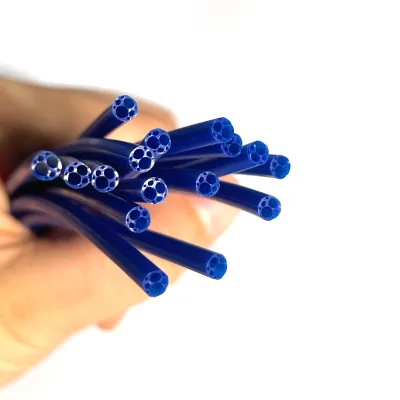
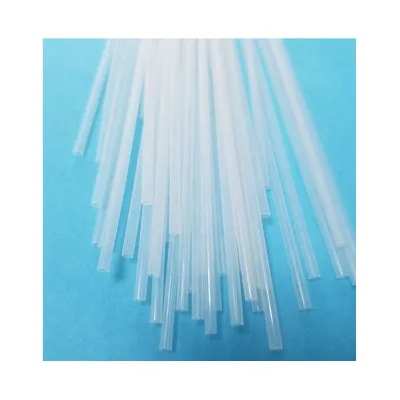
OEM Medical Plastic Pebax Catheter Disposable Pebax Flexible Double Lumen Tubing
$0.45 - $1.00
MOQ: 1000 Meters


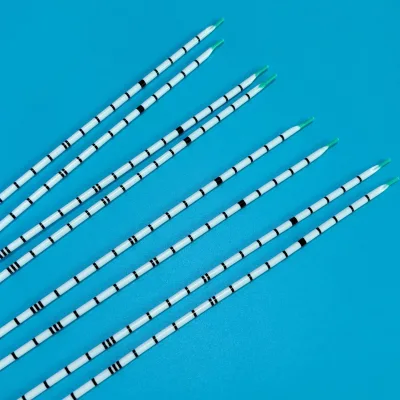
OEM Extrusion Medical Catheter Pebax Tubing Customized Color Medical Pebax Head Tube
$0.45 - $0.60
MOQ: 1000 Meters

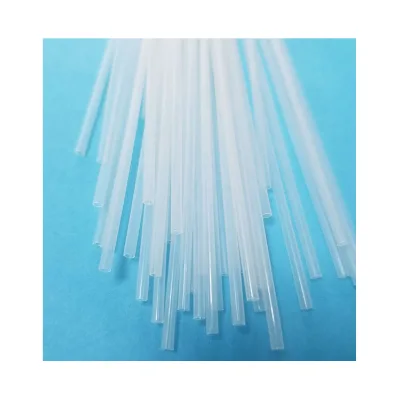
Hot Sale Medical Plastic Pebax Catheter Disposable Sterile Pebax Multi Lumen Tubing
$0.45 - $0.60
MOQ: 1000 Meters


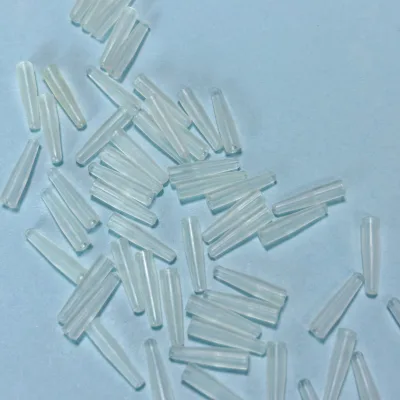
Customized Medical Disposables Plastic Pebax 0.5mm Tip Tubing for Surgery Catheter
$0.50 - $0.65
MOQ: 1000 Meters


Comprehensive Sourcing Guide
Strategic Sourcing Guide for Disposable Pebax Medical Catheter Tubing
Understanding PEBAX Tubing Specifications and Material Properties
When sourcing Disposable Pebax Medical Catheter Tubing, buyers must first establish a clear understanding of the material's inherent characteristics and the specific technical parameters that define product performance. PEBAX, a thermoplastic copolymer, is frequently selected for medical applications due to its unique balance of flexibility, strength, and biocompatibility. The supplied data indicates that the product falls under the category of "Thermoplastics Pipes" with a specific application as a "Catheter." This classification necessitates rigorous attention to material composition, which can include PVC, TPU, PC, PE, PP, PA, and PEBAX, depending on the specific medical requirement.
The physical properties of the tubing are critical for ensuring safe insertion and effective function within the human body. Observed data suggests a tensile strength range of 30~40MPa, a metric that defines the maximum stress the material can withstand before breaking. For catheter applications, maintaining structural integrity under tension is paramount. Furthermore, the contraction percentage is observed between 1.0% and 2.5%, indicating the material's ability to return to its original shape after deformation, a vital trait for devices that must navigate complex anatomical pathways without permanent distortion.
Water absorption is another key attribute, with observed values ranging from 0.2% to 0.3%. Low water absorption is essential for medical tubing to prevent swelling, which could alter the internal diameter (ID) and compromise flow rates or device fit. The hardness of the tubing is specified between 50A and 80d, reflecting a range of flexibility suitable for various catheter types, from soft, pliable introducers to more rigid support structures. Buyers should verify that the specific model they select aligns with the required hardness for the intended procedure.
Dimensional precision is equally important. The supplied context lists specific outer diameters (OD) such as 3mm and 3.2mm, and inner diameters (ID) like 1.6mm, with a standard tolerance of +/-0.05mm. However, the data also notes that "Custom" tolerance is available, suggesting that suppliers can accommodate tighter or looser specifications based on the device design. The standard product models identified include BV-17134, BV-17510, PEBAX, and BV-170523, each potentially serving different clinical needs. When evaluating specifications, procurement teams must cross-reference these observed dimensions with their device engineering requirements to ensure compatibility.
Compliance, Certification, and Regulatory Standards
Navigating the regulatory landscape is a non-negotiable aspect of sourcing medical-grade catheter tubing. The supplied facts highlight that the products carry ISO13485 certification, a global standard for quality management systems specific to the medical device industry. This certification indicates that the manufacturer has established processes to consistently provide medical devices that meet customer and regulatory requirements. Additionally, some listings mention CE and ISO quality certifications, which are crucial for market access in Europe and other regions requiring conformity with international safety standards.
Biocompatibility and sterilization methods are central to compliance. The data explicitly mentions "Ethylene Oxide Sterilization" as an available option, while also noting instances where products are "Without Ethylene Oxide Sterilization." This distinction is vital for buyers, as the choice of sterilization method impacts the material's integrity and the final product's shelf life. Ethylene oxide (EO) sterilization is a common method for heat-sensitive materials like PEBAX, but it requires specific validation to ensure no toxic residues remain. Buyers must verify the sterilization status of the specific lot they purchase and ensure the supplier can provide a Certificate of Analysis (CoA) confirming the sterility assurance level (SAL).
The shelf life of the product is observed to be three years, which aligns with the "Quality Guarantee Period" also listed as three years. This duration suggests a stable product formulation that maintains its mechanical and chemical properties over time when stored correctly. However, buyers should confirm that the storage conditions recommended by the supplier match their logistics capabilities to prevent premature degradation. The material is described as "Non-Toxic, Non-Irritant Soft PVC" in some contexts, reinforcing the need for materials that meet ISO 10993 biological evaluation standards, although the specific test results for this standard are not explicitly detailed in the provided facts.
Cost Drivers and Pricing Dynamics in Medical Tubing
The cost of sourcing Disposable Pebax Medical Catheter Tubing is influenced by a complex interplay of material costs, customization requirements, and order volume. The observed price range in the market is 0.03 to 5.09 USD, a wide spectrum that reflects the diversity of product configurations. At the lower end of this range, buyers might encounter standard, non-customized tubing with basic dimensions and minimal processing. Conversely, the higher end likely corresponds to products with specialized features, such as custom logo printing, specific hardness grades, or complex processing services like tip forming or slotting.
Minimum Order Quantity (MOQ) is a significant factor in determining the effective unit cost. The observed MOQ range spans from 1 piece to 100,000 pieces. This flexibility allows small startups or research entities to sample products with an MOQ of 1pc, while large-scale manufacturers can leverage economies of scale with orders reaching 100,000 units. Buyers must calculate the total cost of ownership, which includes not just the unit price but also the impact of MOQ on inventory carrying costs. Ordering the exact quantity required to meet production schedules without overstocking is a key strategy for cost optimization.
Customization is a primary driver of cost variation. The data confirms that "Customization" is available, including options for "Logo Printing," "Custom Printing," and "Custom" dimensions. While these features add value and brand differentiation, they inevitably increase the per-unit cost and may require higher MOQs to justify the setup time and tooling. The "Process" section notes that suppliers support welding, drilling, tip forming, cutting, and slotting. Each of these additional processing steps adds labor and equipment time, thereby influencing the final price. Buyers should clearly define their non-negotiable requirements versus optional features to negotiate the most favorable pricing structure.
Typical Applications and Clinical Use Cases
The versatility of PEBAX tubing allows it to serve a wide array of medical applications, primarily within hospital settings. The supplied facts explicitly state the application as "Hospital," indicating that these products are designed for clinical environments where reliability and sterility are paramount. The product group is categorized as "Adult and Children" or specifically "Children," suggesting that the tubing is engineered to accommodate different anatomical sizes and sensitivities. This adaptability makes PEBAX tubing suitable for pediatric interventions, where smaller diameters and softer materials are often required to minimize patient trauma.
Specific models like the "PEBAX Tubing" and those with model numbers such as GT017-100 and BV-170523 imply a broad utility in diagnostic and therapeutic procedures. The "Properties" are described as "The Basis of Surgical Instruments," highlighting the foundational role this tubing plays in the construction of complex medical devices. Applications likely include urinary catheters, drainage tubes, guide wires, and infusion sets. The "Disposable" feature is a critical attribute, ensuring that the tubing is used for a single patient encounter to prevent cross-contamination and infection, a standard practice in modern healthcare.
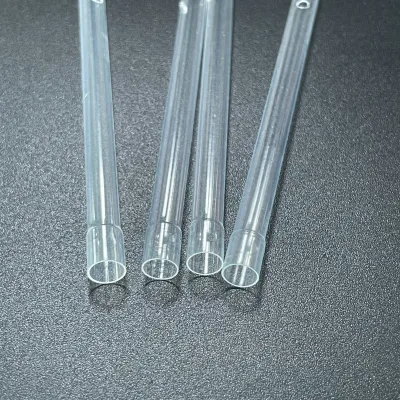
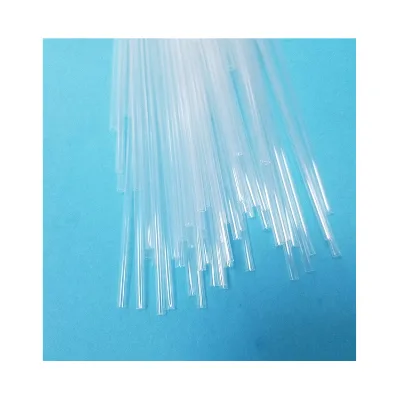
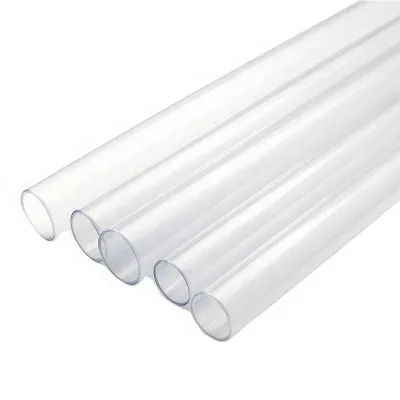
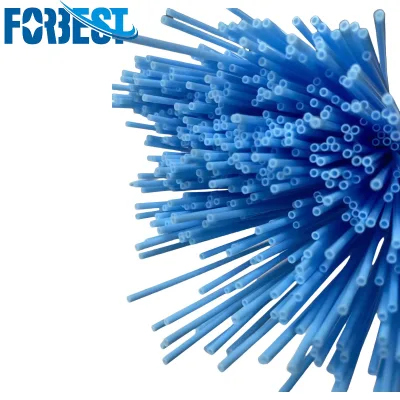
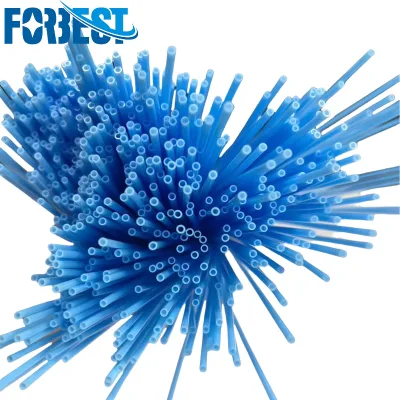
The color options, listed as "Transparent/Customized" or "Blue/Customized," serve functional and safety purposes. Transparent tubing allows clinicians to visually inspect fluid flow and check for air bubbles or obstructions, while colored tubing can be used for color-coding different sizes or types of catheters to prevent medical errors. The ability to customize color and branding allows manufacturers to create distinct product lines for different market segments or specific hospital protocols. Understanding these application nuances helps buyers select the right product specifications for their specific medical device designs.
Supplier Evaluation and Manufacturing Capabilities
Selecting the right supplier requires a thorough evaluation of their manufacturing capabilities, quality systems, and logistical reach. The supplied data indicates that the products originate from "China," with a specific mention of "Jiangsu, China" as a place of origin. This region is known for a robust medical device manufacturing ecosystem, but buyers must verify the specific factory's capacity and reputation. The supplier's ability to support various processing services, such as welding, drilling, tip forming, and printing, is a strong indicator of a mature manufacturing facility capable of handling complex orders.
Quality assurance is paramount. The presence of ISO13485 certification is a baseline requirement, but buyers should also inquire about the supplier's internal quality control processes. The "Quality Guarantee Period" of three years suggests confidence in product longevity, but this should be backed by documented quality control records. Buyers should request samples to test the physical properties mentioned, such as tensile strength (30~40MPa) and hardness (50A-80d), to ensure they match the claimed specifications. The "Tolerance" being listed as both standard (+-0.05) and custom indicates that the supplier has the precision machinery required for tight dimensional control.
Logistics and packaging are also critical considerations. The "prod_packing" is described as "PE Bag/ Carton/Pellet" or simply "Carton," which affects how the product is shipped and stored. Proper packaging ensures that the sterile barrier is maintained until the point of use. Buyers should evaluate the supplier's ability to meet their specific packaging requirements, especially if they need custom labeling or specialized containment for sensitive materials. The "Brand Name" Bova is mentioned, which may indicate a specific manufacturer or a private label option. Buyers should clarify whether they are purchasing a branded product or if they can utilize the supplier's capabilities for their own private label, which can be a strategic advantage in the market.
Long-Term Procurement and Quality Control Strategies
Establishing a long-term procurement strategy for Disposable Pebax Medical Catheter Tubing involves more than just securing a single order; it requires building a sustainable relationship with a supplier that can scale with the buyer's needs. The wide MOQ range (1 to 100,000) suggests that suppliers are prepared to support both initial prototyping and mass production. However, buyers should develop a phased approach, starting with small batches to validate the product's performance in their specific devices before committing to large-volume orders. This approach mitigates risk and allows for iterative improvements based on real-world testing.
Quality control should be an ongoing process, not a one-time event. Buyers must implement a rigorous incoming inspection protocol that verifies the key attributes observed in the data, such as water absorption (0.2%~0.3%), tensile strength, and dimensional tolerances. Regular audits of the supplier's facility can ensure that their ISO13485 certification remains valid and that their quality management system is functioning effectively. Given the "Three Years" shelf life, buyers should also monitor inventory turnover to ensure that products are used before expiration, maintaining the highest standard of patient safety.
Supply chain resilience is another critical factor. The "Customization" availability and "Process" capabilities indicate that the supply chain is flexible, but buyers should assess the supplier's ability to handle demand fluctuations and potential disruptions. Diversifying the supplier base, if possible, can provide a safety net against single-source dependencies. Additionally, maintaining clear communication regarding changes in specifications, such as "Custom" tolerances or "Ethylene Oxide Sterilization" requirements, ensures that the supply chain remains aligned with the buyer's evolving product needs. By focusing on these long-term considerations, buyers can secure a reliable supply of high-quality PEBAX medical catheter tubing that supports their clinical and business objectives.
Comparative Analysis of Product Attributes
To facilitate decision-making, it is helpful to compare the key attributes of the available PEBAX tubing options based on the supplied data. The following table summarizes the critical specifications and features that buyers should evaluate when selecting a product.
| Attribute | Standard Observation | Customization Option | Clinical Relevance |
|---|---|---|---|
| Material | PEBAX, PVC, TPU, etc. | Custom Material Selection | Determines biocompatibility and flexibility |
| Hardness | 50A - 80d | Custom Hardness | Affects insertion force and patient comfort |
| Tensile Strength | 30~40MPa | Custom Strength | Ensures durability during use |
| Water Absorption | 0.2%~0.3% | Custom Absorption | Prevents swelling and maintains flow |
| Sterilization | EO or Non-EO | Custom Sterilization | Critical for infection control and shelf life |
| Dimensions | OD 3mm, ID 1.6mm | Custom OD/ID | Matches specific anatomical requirements |
| Tolerance | +/-0.05mm | Custom Tolerance | Ensures precise fit and function |
| Packaging | PE Bag/Carton | Custom Packaging | Protects sterility and aids logistics |
| Certification | ISO13485, CE, ISO | Verify Specifics | Regulatory compliance for market access |
This comparison highlights the balance between standard specifications and the flexibility offered by suppliers. Buyers should use this framework to prioritize their requirements, ensuring that the selected product meets both the technical demands of the medical device and the regulatory standards of their target market. By systematically evaluating these attributes, procurement teams can make informed decisions that enhance product quality and patient safety.
FAQs
What certifications do the Disposable Pebax Medical Catheter Tubing products hold?
The products hold ISO13485 certification, ensuring quality management for medical devices. Some listings also mention CE and ISO quality certifications for broader market access. These standards confirm compliance with international safety and regulatory requirements for hospital use.
Can the tubing be customized with specific dimensions and logo printing?
Yes, customization is available for dimensions, including custom tolerance and length. Suppliers also offer logo printing and custom printing options. This allows buyers to tailor the tubing to specific device designs while maintaining the required material properties like tensile strength.
What is the typical shelf life and quality guarantee period for this tubing?
The product has a shelf life of three years and a quality guarantee period of three years. This duration ensures the material maintains its non-toxic and non-irritant properties when stored correctly. Buyers should verify storage conditions to prevent premature degradation of the soft PVC or PEBAX material.
How is the hardness and tensile strength of the tubing defined?
The hardness ranges from 50A to 80d, providing flexibility suitable for various catheter types. Tensile strength is observed between 30 and 40MPa, ensuring structural integrity during use. These properties are critical for safe insertion and effective function within the human body without permanent distortion.
Which sterilization methods are available for the disposable catheter tubing?
Ethylene Oxide Sterilization is an available option for the tubing. Some products are supplied without Ethylene Oxide Sterilization, so buyers must verify the specific lot status. This choice impacts the material integrity and requires validation to ensure no toxic residues remain before hospital application.
What is the minimum order quantity for purchasing this medical tubing?
The minimum order quantity ranges from 1 piece to 100,000 pieces depending on the supplier. This flexibility allows small startups to sample products while large manufacturers can leverage economies of scale. Buyers should calculate total costs including inventory carrying to optimize their procurement strategy effectively.