Source DOT 4 Anti-Corrosion Brake Fluid for Cars, Trucks, Motorcycles
Find 20 listings for DOT 4 Anti-Corrosion Brake Fluid suitable for cars, trucks, and motorcycles. Buyers can compare specifications like boiling points, packaging sizes, and delivery times from verified Chinese manufacturers.
Key considerations
Products List


Comprehensive Sourcing Guide
Strategic Sourcing Guide for DOT 4 Anti-Corrosion Brake Fluid
Procuring industrial-grade brake fluid requires a disciplined approach that balances technical performance with supply chain reliability. For buyers seeking DOT 4 anti-corrosion brake fluid, the primary objective is to secure a product that maintains hydraulic integrity under extreme thermal conditions while preventing internal system degradation. The market offers a variety of formulations, often derived from mineral lubricants or base oils, with specific attention paid to boiling points, color consistency, and packaging standards. This guide outlines the critical factors for evaluating suppliers and products, ensuring that procurement decisions are grounded in verifiable data rather than marketing assertions.
Technical Specifications and Performance Parameters
The core technical requirement for any DOT 4 brake fluid is its ability to resist boiling under high-temperature stress, a phenomenon known as vapor lock. Based on available product data, the dry boiling point for these fluids typically ranges from 205°C to 230°C. Some specific listings indicate a dry boiling point of 205°C, while others specify a minimum threshold of ≥230°C. The wet boiling point, which measures performance after the fluid has absorbed moisture, is a critical safety metric. Observed data points to a wet boiling point of approximately 140°C. Buyers must verify that the specific lot they purchase meets or exceeds these thresholds, as lower values can lead to brake failure during heavy usage.
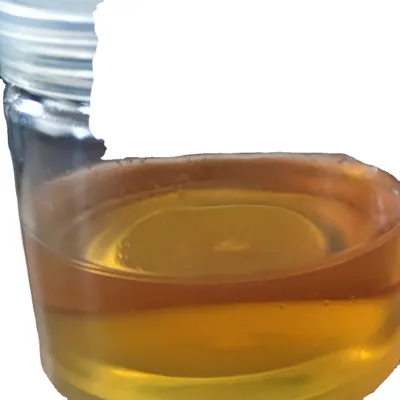
Visually, the product should present as transparent and clear. The liquid color is frequently observed as either white or yellow, though variations may exist between batches or manufacturers. The physical state is consistently liquid, and the composition is often described as base oil or liquid mineral lubricants. When evaluating the fluid, procurement teams should request samples to confirm the "transparent and clear" appearance and verify the color against the expected white or yellow spectrum. Additionally, the fluid is marketed for its high and low-temperature lubricating properties, ensuring smooth operation across diverse climatic conditions.
Compliance, Certification, and Standard Verification
In the automotive aftermarket and original equipment manufacturing (OEM) sectors, compliance is non-negotiable. While the specific standard ISO 4925 is often referenced in the broader industry context, buyers must rely on the certifications explicitly provided by the supplier. Observed product listings indicate that suppliers may provide Test Reports as a form of certification. Other listings suggest that some manufacturers hold SAE and ISO9001-2008 certifications. It is crucial for buyers to request copies of these documents to confirm that the fluid meets the necessary safety and quality benchmarks.
The product model and standard designations vary by volume and formulation. Common specifications include "Dot4" for the 500ml size, "brake fluid dot 4" for general applications, and specific volume standards such as 250ml, 350ml, and 1000ml. Some listings explicitly mention "500ml dot 4" as a standard, while others offer a range including 200ml and 350ml options. Buyers should ensure that the ordered product standard matches the vehicle manufacturer's requirements. For instance, a vehicle requiring DOT 4 fluid must not be filled with DOT 3, despite both being glycol-ether based fluids. The distinction between DOT 3 and DOT 4 is significant, with DOT 4 generally offering higher boiling points and better moisture resistance.
Cost Drivers and Pricing Structures
The pricing landscape for DOT 4 brake fluid is influenced by volume, packaging, and the specific formulation. The observed listed price range for these products spans from $0.39 to $9.30 USD. This wide variance suggests that price is heavily dependent on the container size, the quantity ordered, and the packaging type. Smaller volumes, such as 250ml or 350ml bottles, will naturally command a higher unit price compared to bulk 1000ml containers or metal can bottles.
Packaging plays a significant role in cost and logistics. Products are commonly available in plastic bottles or metal can bottles, with carton boxes serving as the outer shipping unit. Standard export cartons typically contain 24 pieces, though some listings specify 30 pieces per carton. The packaging material must be robust enough to prevent leakage and contamination during transit. Buyers should consider the total landed cost, which includes the unit price, packaging efficiency, and shipping logistics. Bulk orders often reduce the per-unit cost, but the minimum order quantity (MOQ) requirements must be met to access these pricing tiers.
Typical Applications and OEM Compatibility
DOT 4 brake fluid is designed for a wide range of automotive applications, including passenger cars, light trucks, and performance vehicles. The fluid is specifically engineered to prevent corrosion within the braking system, protecting metal components from rust and degradation caused by moisture absorption. The "anti-corrosion" aspect is a key selling point, ensuring the longevity of calipers, master cylinders, and ABS modules.
OEM compatibility is a major factor for buyers. Many suppliers explicitly state that their products are OEM-approved or capable of OEM/ODM customization. This means the fluid can be branded or formulated to meet specific vehicle manufacturer requirements. The product is suitable for vehicles requiring DOT 4 specifications, and some listings indicate compatibility with DOT 3 systems, though this should be verified against the vehicle manual. The fluid is available in various volumes, including 500ml, 350ml, 250ml, and 1000ml, catering to both retail consumers and professional workshops. The ability to source custom volumes allows buyers to tailor their inventory to specific market needs.
Supplier Evaluation and Minimum Order Requirements
Evaluating a supplier involves more than just checking the product specifications; it requires assessing their capacity to deliver consistent quality and volume. The Minimum Order Quantity (MOQ) is a critical constraint in the procurement process. Observed MOQs for DOT 4 brake fluid range from 500 to 10,000 pieces, with specific listings showing thresholds of 6,000, 7,500, and 10,000 pieces. Buyers must align their order volume with these thresholds to avoid rejection or price penalties.
Lead times are another essential consideration. Delivery times observed in the market range from 20 to 30 days. Some suppliers offer a lead time of 28 days, while others specify 30 days, and a few indicate a window of 20-25 days. These timelines can vary based on the order size, the specific packaging requirements, and the supplier's current production load. Buyers should factor these lead times into their inventory planning to prevent stockouts. Additionally, the availability of free samples is a valuable indicator of supplier confidence and allows buyers to conduct their own quality checks before committing to a large order.
Quality Control and Packaging Standards
Quality control is paramount in the brake fluid industry, as contamination can lead to catastrophic system failure. Buyers should verify that the supplier adheres to strict quality control measures, such as providing test reports for every batch. The packaging must be designed to maintain the fluid's purity. Standard export cartons are commonly used, with specifications like "24PCS/CTN" or "30 PCS Per Carton." The inner packaging, whether plastic bottles or metal cans, must be sealed to prevent moisture ingress, which is the primary enemy of brake fluid performance.
The product origin is typically China, and buyers should be aware of the logistics associated with sourcing from this region. The consistency of the liquid color (white or yellow) and the clarity (transparent) should be maintained throughout the supply chain. Any deviation from these visual standards could indicate contamination or degradation. Buyers should include visual inspection criteria in their quality control protocols to ensure that the received goods match the ordered specifications.
Long-Term Procurement Considerations
Sourcing brake fluid is a long-term commitment that requires ongoing relationship management with suppliers. Buyers should prioritize suppliers who offer customization options, such as OEM branding or specific volume configurations. The ability to customize the product allows buyers to differentiate their offerings in the market. Furthermore, suppliers who provide free samples and maintain transparent communication regarding lead times and certifications are more likely to be reliable partners.
The market for DOT 4 brake fluid is dynamic, with various formulations and packaging options available. Buyers must stay informed about changes in standards and certifications, such as updates to ISO9001 or new SAE requirements. Regular audits of supplier performance, including quality checks and delivery reliability, are essential for maintaining a stable supply chain. By focusing on verified technical specifications, clear certification documentation, and realistic lead times, buyers can secure a steady supply of high-quality DOT 4 anti-corrosion brake fluid that meets the rigorous demands of the automotive industry.
Comparative Overview of Product Attributes
To assist in decision-making, the following table summarizes the key attributes observed in the market for DOT 4 brake fluid. This comparison highlights the variability in specifications and helps buyers identify the features most relevant to their specific needs.
| Attribute | Observed Range/Value | Notes for Verification |
|---|---|---|
| Boiling Point (Dry) | 205°C to ≥230°C | Verify specific test report for the batch. |
| Boiling Point (Wet) | 140°C | Critical for moisture resistance. |
| Appearance | Transparent and Clear | Visual inspection required upon receipt. |
| Liquid Color | White, Yellow | Consistency checks needed. |
| Packaging Type | Plastic Bottle, Metal Can | Check for leakage and seal integrity. |
| Carton Quantity | 24 PCS, 30 PCS | Confirm packing list matches order. |
| MOQ | 500 to 10,000 PCS | Align order volume with supplier threshold. |
| Lead Time | 20 to 30 Days | Plan inventory accordingly. |
| Certification | Test Reports, SAE, ISO9001-2008 | Request copies of all documents. |
| OEM Capability | Yes, Available | Confirm branding and volume customization. |
By adhering to these guidelines and verifying the specific data points provided by suppliers, buyers can navigate the complex landscape of DOT 4 brake fluid procurement with confidence. The focus must remain on tangible evidence, such as test reports and physical samples, rather than unverified claims, to ensure the safety and reliability of the braking systems that depend on this critical fluid.
FAQs
What is the dry boiling point of this brake fluid?
The dry boiling point ranges from 205°C to 230°C depending on the specific batch. Buyers must verify the exact test report for the lot they purchase to ensure it meets safety thresholds for high-temperature performance.
Can I get custom OEM branding for this product?
Yes, OEM and ODM customization are available for this brake fluid. Suppliers can adjust branding and volume configurations to meet specific vehicle manufacturer requirements or market needs.
What is the minimum order quantity for DOT 4 fluid?
The minimum order quantity typically ranges from 500 to 10,000 pieces based on the supplier. Specific listings show thresholds of 6,000, 7,500, or 10,000 pieces that must be met to access pricing tiers.
How long does delivery take for this brake fluid?
Delivery times generally range from 20 to 30 days depending on the order size. Some suppliers offer a window of 20-25 days, while others specify a standard 28 or 30-day lead time.
Which certifications are provided for this brake fluid?
Suppliers may provide Test Reports, SAE, or ISO9001-2008 certifications for verification. Buyers should request copies of these documents to confirm the fluid meets necessary safety and quality benchmarks before ordering.
What packaging options are available for this product?
Products are available in plastic bottles or metal can bottles packed in carton boxes. Standard export cartons typically contain 24 or 30 pieces per carton to ensure safe transit and prevent leakage.
What is the wet boiling point of this fluid?
The wet boiling point is approximately 140°C for the observed product listings. This metric is critical for moisture resistance and must be verified against the specific batch test report to prevent brake failure.