Source DOT Certified Ventilation Helmet for Petroleum, Chemical, Construction
Find 30 DOT Certified Ventilation Helmet options tailored for petroleum, chemical, and construction industries. Buyers can compare specifications including ABS shells, dual lenses, and ventilation features to select the right gear for their workforce needs.
Key considerations
Products List


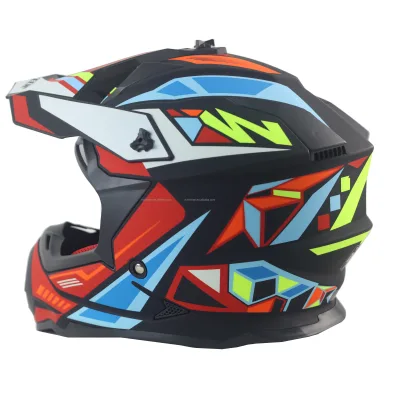


Premium Ventilated Safety Helmet with CE Certification for Construction
$1.53 - $1.72
MOQ: 1000 Pieces


Adjustable Ventilated Safety Helmet for Enhanced Comfort and Protection
$1.20 - $1.30
MOQ: 2000 Pieces

Comfortable Ventilated Work Helmet with Customizable Fit and Protection
$1.20 - $1.30
MOQ: 2000 Pieces


Comprehensive Sourcing Guide
DOT Certified Ventilation Helmet Sourcing Guide
Sourcing protective headgear that balances rigorous safety compliance with thermal comfort requires a disciplined approach to specification verification and supplier qualification. The intersection of DOT certification and active ventilation features creates a specific procurement niche where buyers must navigate between regulatory mandates and ergonomic performance claims. This guide provides a structured framework for evaluating products that meet these dual criteria, ensuring that procurement decisions are grounded in observable product attributes and verifiable commercial terms rather than marketing assertions. By focusing on the tangible evidence provided in supplier listings, buyers can mitigate the risk of acquiring non-compliant or substandard equipment.
The following sections detail the critical evaluation steps for sourcing these items, from interpreting listing signals to establishing long-term quality control protocols. Each section is designed to help procurement professionals make informed decisions by cross-referencing observed data points with industry best practices. The goal is to provide a comprehensive, evidence-based pathway for identifying reliable suppliers and products that satisfy both safety regulations and user comfort requirements.
Product Scope and Observed Listing Signals
The current market landscape for DOT certified ventilation helmets reveals a diverse range of product configurations, primarily centered around full-face and half-face designs. Observed listings indicate a strong prevalence of ABS shell materials, which are frequently cited for their durability and impact resistance. Buyers should note that while ABS is a common material, the specific grade and manufacturing quality can vary significantly between suppliers. The presence of dual-lens systems and anti-fog features suggests a focus on visibility and user comfort in varying environmental conditions, which are critical for applications in transportation and industrial settings.
Listing signals also highlight significant variation in minimum order quantities (MOQs) and pricing structures. Data points show MOQs ranging from as low as 5 units to as high as 2000 units, with prices spanning from $0.70 to $150.00 USD. This wide disparity indicates that buyers must carefully align their order volume with supplier capabilities and pricing tiers. Lower MOQs may be suitable for sampling or small-scale distribution, while higher volumes might unlock more favorable pricing but require greater capital commitment. Understanding these signals helps buyers determine the appropriate entry point for their procurement strategy.
Technical Specifications to Verify
Verifying the technical specifications of a helmet is paramount to ensuring it meets the intended use case. Key attributes to scrutinize include the shell shape, which can range from round to long oval, and the internal liner material, such as crystal velvet or standard velvet, which affects comfort and moisture management. The buckle type, whether D-ring or quick-release, is another critical specification that influences ease of use and security. Buyers should request detailed specifications for each model, such as the SA-75-1140 or SA-913, to ensure that the physical dimensions and weight, which can vary from 0.8kg to 1.2kg, align with user requirements.
Ventilation and lens technology are central to the value proposition of these products. Listings often mention ventilated helmets with moisture-wicking liners and dual visors, including sun visors and anti-fog lenses. It is essential to verify the actual performance of these features, as claims can sometimes be exaggerated. Buyers should inquire about the specific mechanisms used for ventilation and the materials used for the visors to ensure they are scratch-resistant and fog-free. Additionally, the availability of customization options, such as decals or specific colorways, should be confirmed to ensure the product can be tailored to brand or operational needs.
Compliance and Safety Documentation
Compliance with safety standards is non-negotiable for DOT certified helmets. Buyers must verify that the supplier can provide valid DOT certification documents for each model being procured. The presence of additional certifications, such as CE or CCC, can further validate the product's safety credentials, particularly for markets outside the United States. It is crucial to ensure that the certification is not just a label but is backed by actual testing and compliance with relevant standards. Buyers should request copies of the certification certificates and verify their authenticity with the issuing bodies.
Beyond certification, buyers should assess the supplier's commitment to quality standards. This includes verifying the production standards, such as the size ranges (XS to XXL) and specific model numbers, to ensure consistency across batches. The use of high-density EPS (Expanded Polystyrene) for impact absorption is a common feature that should be confirmed. Buyers should also inquire about the testing procedures used by the supplier to ensure that each helmet meets the required safety thresholds. This due diligence helps mitigate the risk of procuring products that may not perform as expected in real-world scenarios.
Cost Drivers and Commercial Terms
Understanding the cost drivers behind helmet pricing is essential for effective budget management. Factors such as material quality, certification costs, and customization options significantly influence the final price. For instance, helmets with advanced ventilation systems, dual lenses, and premium liners may command higher prices due to the increased complexity of manufacturing. Buyers should analyze the price-to-feature ratio to determine the best value for their specific needs. It is also important to consider the MOQ, as higher volumes may reduce the per-unit cost but increase the total investment.
Commercial terms, including payment methods, shipping arrangements, and lead times, play a crucial role in the overall procurement cost. Buyers should negotiate clear terms regarding packaging, such as carton packing, to ensure safe delivery and minimize damage risks. Additionally, understanding the supplier's production capacity and lead times is vital for planning inventory levels. Buyers should also consider the potential costs associated with returns or defects, which can be mitigated by establishing clear quality control agreements with the supplier.
Supplier Qualification and Quality Control
Supplier qualification is a critical step in ensuring the reliability of the procurement process. Buyers should assess the supplier's manufacturing capabilities, including their production lines, quality control processes, and experience in producing DOT certified helmets. Verifying the supplier's history and reputation in the industry can provide insights into their reliability and commitment to quality. Buyers should also inquire about the supplier's ability to handle customization requests, such as OEM branding or specific design modifications.
Quality control measures should be established to ensure that the products received meet the agreed-upon specifications. This includes implementing incoming inspection protocols to verify the physical attributes, certifications, and packaging of the helmets. Buyers should also consider conducting periodic audits of the supplier's facilities to ensure ongoing compliance with quality standards. Establishing a clear communication channel with the supplier for addressing any issues or discrepancies is also essential for maintaining a productive relationship.
Long-Term Procurement Checks
Long-term procurement success depends on continuous monitoring and evaluation of supplier performance. Buyers should establish key performance indicators (KPIs) to track metrics such as on-time delivery, product quality, and responsiveness to issues. Regular reviews of these metrics can help identify potential problems early and allow for corrective actions to be taken. Additionally, buyers should stay informed about changes in safety regulations and industry standards to ensure that the procured helmets remain compliant over time.
Building a resilient supply chain involves diversifying suppliers and maintaining strong relationships with key partners. Buyers should consider developing contingency plans for potential supply chain disruptions, such as raw material shortages or production delays. Regular communication with suppliers about future needs and market trends can help align expectations and foster collaboration. By focusing on long-term partnership and continuous improvement, buyers can ensure a steady supply of high-quality, DOT certified ventilation helmets that meet their operational and safety requirements.
FAQs
What certifications do these helmets have?
The helmets hold DOT, CE, ISO, and CCC certifications. These standards ensure compliance with safety regulations for international markets. Buyers can verify specific certificates for each model to meet local legal requirements before placing orders.
Can I customize the helmet design and decals?
Customization is available for decals and specific product features. Buyers can request tailored designs to match their brand identity. This service allows for unique branding while maintaining the core safety structure and material integrity of the helmet.
What is the minimum order quantity for these helmets?
The minimum order quantity varies between 5 and 300 pieces depending on the specific model. Some standard models require 50 units, while others may need 300 pieces. Buyers should confirm the exact MOQ for their selected product model before proceeding.
Which materials are used to construct the helmet shell?
The helmet shells are constructed from ABS new material. This provides high durability and impact resistance for various industrial applications. The material choice ensures the helmet meets the required safety standards for heavy-duty use in multiple industries.
What sizes are available for the helmet fit?
Available sizes range from XS to XXL to accommodate different head circumferences. Some models offer specific standard sizes like S, M, L, and XL. The full-size options ensure a secure fit for all adult users regardless of gender or head shape.
How does the ventilation system work in these helmets?
These helmets feature a ventilated design to ensure airflow during use. The structure includes moisture-wicking liners and dual visors to manage temperature and fog. This system keeps the wearer comfortable in various weather conditions throughout the year.
What is the weight of the standard helmet model?
The standard helmet models weigh approximately 0.8kg to 1.2kg. This weight range balances safety protection with user comfort for extended wear. The lightweight construction helps reduce neck strain while maintaining the necessary structural integrity for industrial safety.