Source Dopamine Style Crystal Necklace for Fashion, Health, and Religious Use
Find and compare 30 Dopamine Style Crystal Necklace options featuring gold, silver, or rhodium plating. Evaluate lengths from 40cm to 60cm, round or square pendant shapes, and OEM customization services for diverse buyer needs.
Key considerations
Products List


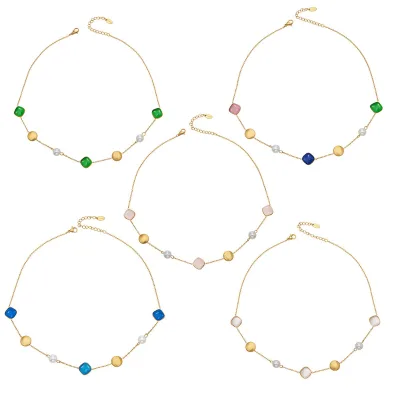
Fashion Necklace Chain Gold with Crystals and Rhinestone Pendant 34~36+4cm
$1.48 - $1.58
MOQ: 500 Pieces


Pearl Necklace Female Korean Version Temperament Personality Small Necklace
$1.20 - $1.70
MOQ: 30 Pieces






Comprehensive Sourcing Guide
Dopamine Style Crystal Necklace Sourcing Guide
The Dopamine Style Crystal Necklace represents a vibrant segment of fashion jewelry that prioritizes mood-enhancing aesthetics through bold colors, playful shapes, and high-impact visual appeal. Sourcing these items requires a nuanced understanding of how "dopamine dressing" translates into tangible product attributes, such as the use of bright crystal materials, varied plating options, and distinctive pendant shapes. Buyers must navigate a market where style definitions are fluid, balancing the demand for trendy, eye-catching designs with the structural integrity required for durable jewelry. This guide provides a structured approach to evaluating suppliers, verifying technical specifications, and ensuring commercial viability for this specific product category.
Procurement teams should recognize that the "dopamine" label is often a stylistic descriptor rather than a strict technical standard. Consequently, the sourcing process must focus on observable product features that align with this aesthetic, such as the use of crystal materials, specific plating finishes like gold, silver, or rhodium, and pendant shapes that evoke joy or whimsy, including round, square, charm, cross, or flower designs. By anchoring sourcing decisions in these concrete attributes, buyers can effectively filter suppliers who truly understand the aesthetic requirements versus those offering generic inventory. This approach ensures that the final products meet the emotional and visual expectations of the target demographic, which includes females, males, children, and the elderly.
Product Scope and Observed Listing Signals
The observed market signals indicate a diverse range of product configurations available under the dopamine style umbrella, with prices ranging from $0.55 to $7.20 USD and minimum order quantities (MOQs) varying significantly from 1 to 1000 pieces. This wide variance suggests that suppliers cater to different business models, from small-batch dropshipping to large-scale OEM manufacturing. Buyers should note that while some listings offer extremely low MOQs, others require substantial volume commitments, which directly impacts inventory risk and cash flow planning. Understanding these commercial signals is crucial for aligning supplier capabilities with the buyer’s sales velocity and storage capacity.
Key product attributes observed in the market include customizable plating options such as gold, rhodium, silver, and platinum, alongside crystal materials that provide the necessary visual sparkle. The length of the necklaces typically ranges from 40cm to 60cm, with 45cm being a common standard, allowing for versatility in styling. Additionally, the usage of these items spans decoration, health, and religious contexts, indicating that the product scope is broad and may require specific marketing angles depending on the target audience. Buyers must carefully review these attributes to ensure they match their specific customer needs, particularly regarding the pendant shape, which can be round, square, charm, cross, or flower, and the overall style, which may be fashion-forward or elegant.
Technical Specifications to Verify
Verifying technical specifications is critical to ensuring that the Dopamine Style Crystal Necklace meets quality expectations and functional requirements. Buyers should confirm the exact material composition, particularly whether the crystal is genuine, synthetic, or a substitute, and verify the base metal quality for the plating. The observed data indicates that materials can range from crystal to alloy, which significantly affects durability and perceived value. Additionally, the standard weight of the products varies, with some items specified at 6g, 10g, or other weights, which influences the tactile experience and perceived luxury of the piece.
Length and size specifications must be precisely defined to avoid customer returns due to fit issues. While standard lengths like 40cm, 45cm, and 60cm are common, some suppliers offer customized sizes, which can be a valuable differentiator for niche markets. Buyers should also verify the pendant shape and pattern, as these are central to the dopamine aesthetic. For instance, a round pendant might convey simplicity, while a flower or charm shape might evoke playfulness. Confirming these details with the supplier ensures that the product aligns with the intended design vision and avoids discrepancies between the sample and the bulk order.
Compliance and Safety Documentation
Compliance and safety documentation are non-negotiable for jewelry products, especially those marketed towards children and the elderly. Buyers must ensure that suppliers provide relevant certifications such as CE, ISO9001, and CNAS, which indicate adherence to quality management and safety standards. These certifications are essential for entering regulated markets and ensuring that the products do not contain harmful substances like lead, cadmium, or nickel, which can cause allergic reactions or health issues. Without proper documentation, buyers risk facing legal liabilities and reputational damage.
In addition to general certifications, specific material approvals such as SGS should be verified, particularly for the crystal and plating materials. The observed data mentions SGS approval and standards, which suggests that some suppliers have undergone rigorous testing for material safety. Buyers should request test reports that specifically address heavy metal content and plating durability, as these are common failure points in fashion jewelry. Ensuring that the supplier can provide up-to-date and valid compliance documents is a critical step in mitigating risk and maintaining consumer trust in the Dopamine Style Crystal Necklace product line.
Cost Drivers and Commercial Terms
Cost drivers for dopamine style crystal necklaces include the type of crystal used, the complexity of the plating process, and the level of customization required. Suppliers offering OEM and custom design services may charge higher prices due to the additional labor and tooling involved. Buyers should also consider the impact of MOQ on unit pricing, as higher volumes typically result in lower per-unit costs. The observed MOQ range of 1 to 1000 pieces allows for flexibility, but buyers must balance cost savings with inventory holding costs to optimize their overall procurement strategy.
Commercial terms such as delivery time and shipping methods are also significant factors in the total cost of ownership. The observed delivery time of 20-35 days after receiving the deposit is a standard lead time, but buyers should confirm if expedited options are available for urgent orders. Shipping methods like UPS, DHL, FedEx, TNT, and EMS offer varying levels of speed and cost, which should be evaluated based on the destination and urgency. Additionally, packaging options, from polybags to carton boxes, can affect shipping costs and product protection, so buyers should negotiate terms that align with their logistics capabilities and customer expectations.
Supplier Qualification and Quality Control
Supplier qualification involves assessing the manufacturer’s capability to produce consistent, high-quality dopamine style crystal necklaces. Buyers should verify the supplier’s production capacity, quality control processes, and ability to handle customization requests. The observed data indicates that suppliers offer services such as OEM and custom design, which suggests a level of flexibility and technical expertise. However, buyers must conduct due diligence to ensure that the supplier has the necessary infrastructure to maintain quality standards across large production runs.
Quality control measures should include pre-production sample approvals, in-process inspections, and final random inspections before shipment. Buyers should establish clear acceptance criteria for aspects such as plating adhesion, crystal setting security, and overall finish. Given the diverse range of pendant shapes and styles, it is essential to have a robust inspection protocol that can handle variability. Additionally, buyers should consider third-party inspection services for large orders to provide an independent verification of quality, ensuring that the products meet the specified standards before they leave the factory.
Long-Term Procurement Checks
Long-term procurement checks focus on building a sustainable and resilient supply chain for dopamine style crystal necklaces. Buyers should regularly review supplier performance metrics, including on-time delivery rates, defect rates, and responsiveness to issues. Establishing a strong relationship with suppliers can lead to better pricing, priority production, and collaborative innovation in design. Regular communication and feedback loops are essential for continuous improvement and ensuring that the supplier remains aligned with the buyer’s evolving market needs.
Additionally, buyers should monitor market trends and consumer preferences to anticipate shifts in the dopamine style aesthetic. This proactive approach allows for timely adjustments in product offerings and inventory levels. By staying informed about new materials, plating techniques, and design trends, buyers can maintain a competitive edge in the market. Long-term success in sourcing dopamine style crystal necklaces depends on a combination of rigorous supplier management, adaptive product development, and a deep understanding of the target audience’s desires for vibrant, mood-enhancing jewelry.
FAQs
What materials are used for dopamine style crystal necklaces?
These necklaces are primarily made from crystal and alloy materials. Some variations may include different plating options like gold, silver, or rhodium to enhance the aesthetic appeal for various customers.
Which certifications do the manufacturers hold for these products?
Manufacturers typically hold CE, ISO9001, and CNAS certifications for their production processes. Some specific product lines also carry SGS approval to ensure quality standards are met for international buyers.
How long is the delivery time after placing an order?
The standard delivery time is within 20 to 35 days after receiving the deposit. This timeline allows for production and quality checks before shipping via express or air freight methods.
Can I request custom designs for these crystal necklaces?
Yes, customization is available for pendant shapes, patterns, and sizes. Buyers can request specific styles like round, square, or flower shapes with OEM and custom design manufacturing services provided.
What is the minimum order quantity for these necklaces?
The minimum order quantity varies by supplier but is often set at 30 pieces or 1000 pieces depending on the specific product model. Buyers should check the specific listing for exact MOQ requirements.
Where are these dopamine style crystal necklaces manufactured?
These products originate from Guangzhou, China, which is a major hub for jewelry manufacturing. The location supports efficient logistics and access to a wide range of materials and skilled labor.