Source Dosing Pump for Water Treatment, Chemical, and Sewerage
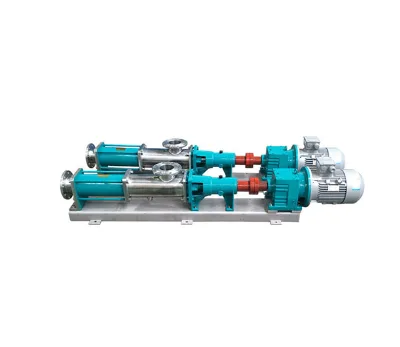
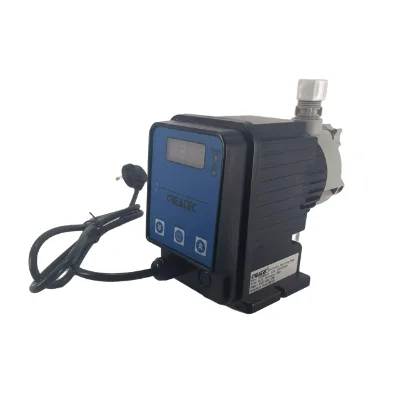
Find 30 Dosing Pump options for water treatment, chemical processing, and sewerage applications. Compare specifications including PP or PVDF pump heads, ceramic valve balls, and CE certification to select the right electric diaphragm or single-screw solution for your industrial needs.
Key considerations
Products List


$62.00
MOQ: 50 Pieces






Comprehensive Sourcing Guide
Dosing Pump Sourcing Guide
Product Scope and Observed Listing Signals
The market for dosing pumps presents a diverse array of configurations, primarily centered on chemical transfer and precise fluid control in industrial settings. Observed listings indicate a strong presence of diaphragm-type mechanisms, often constructed with polypropylene (PP) or PVDF pump heads to ensure resistance against corrosive agents. These units are frequently paired with ceramic valve balls and FPM seals, materials selected for their durability in aggressive chemical environments. The product scope extends to single-stage pumps designed for low-pressure applications, making them suitable for water treatment facilities, sewerage systems, and chemical processing plants where reliable metering is critical.
Buyers should note that observed listings reveal significant variation in packaging and origin, with many units originating from Zhejiang, China, and shipped in carton, wooden, or export boxes. The observed price range spans from $0.1 to $15,000, reflecting differences in motor power, flow capacity, and material quality. Minimum order quantities (MOQ) vary widely from 1 to 10,000 units, suggesting that suppliers cater to both small-scale experimental needs and large-scale industrial deployments. This variability requires careful evaluation of the specific model, such as the CM-Dosing or AKL803 series, to align procurement with actual operational volume and budget constraints.
Technical Specifications to Verify
Verifying the electrical and mechanical specifications is paramount to ensuring compatibility with existing infrastructure. Key attributes to confirm include the rated current, which observed data suggests ranges from 1-4A to 11-15A, and the operating voltage, typically standardized at 220V for many listed models. The pump shaft position is often horizontal, and the structure is defined as a single-stage pump, which influences installation space and maintenance access. Buyers must also verify the suction and liquid outlet tube materials, which may include PVC, PE, or PTFE, depending on the chemical compatibility requirements of the specific fluid being dosed.
Material selection for critical components directly impacts the pump's lifespan and performance integrity. The diaphragm material is frequently cited as nitrile rubber, offering good resistance to oils and fuels, while the valve body type is predominantly diaphragm-based. It is essential to confirm whether the pump head is constructed from PP or PVDF, as this determines the upper limit of chemical resistance. Additionally, the net weight of approximately 2.3 Kg for certain models provides insight into the build quality and portability, while the packing dimensions of 265260195 mm assist in logistics planning and warehouse storage optimization.
Compliance and Safety Documentation
Compliance with international safety and quality standards is a non-negotiable aspect of sourcing industrial dosing pumps. Many observed listings highlight CE certification, indicating adherence to European health, safety, and environmental protection standards. Some suppliers also provide ISO9001 or general ISO certification, which signals a structured quality management system in the manufacturing process. Buyers should request valid certificates for each batch or model, ensuring that the documentation is current and issued by an accredited body, rather than relying solely on marketing claims.
Beyond certification, understanding the functional safety features is crucial for operational security. The inclusion of solenoid valves and check valves made from PVC or PP adds layers of control and backflow prevention. Buyers must verify that the electrical components meet local grid standards and that the motor insulation class is appropriate for the operating environment. Documentation should also cover the material safety data sheets (MSDS) for any wetted parts, ensuring that the nitrile rubber diaphragms and FPM seals do not degrade or contaminate the dosed fluid, particularly in sensitive applications like drinking water treatment or food and beverage industries.
Cost Drivers and Commercial Terms
The cost of a Dosing Pump is influenced by several technical and commercial factors, including material grade, motor efficiency, and customization options. Observed data shows that customization is available, which can significantly impact the final price due to the engineering effort required for tailored specifications. The choice between PP and PVDF pump heads, as well as the type of seals and valve balls, creates a tiered pricing structure. Buyers should analyze the total cost of ownership, considering that higher initial investment in corrosion-resistant materials may reduce long-term maintenance and replacement costs.
Commercial terms such as MOQ and lead times vary widely across suppliers, affecting cash flow and inventory management. With MOQs ranging from 1 to 10,000 units, smaller buyers may face higher per-unit costs, while bulk purchasers can negotiate better rates. It is advisable to clarify whether the listed price includes packaging, such as wooden boxes or plywood packing, which may be necessary for fragile components. Buyers should also inquire about warranty periods and after-sales support, as these factors can mitigate the financial risk associated with potential equipment failures or performance issues in critical industrial processes.
Supplier Qualification and Quality Control
Evaluating supplier qualifications requires a thorough review of their manufacturing capabilities and quality assurance processes. Given that many suppliers are located in Zhejiang, China, buyers should verify the factory's production capacity and history in producing dosing pumps. Requesting references from previous clients in similar industries, such as water treatment or chemical processing, can provide insight into the supplier's reliability and product consistency. It is also important to assess the supplier's ability to provide technical support and spare parts, ensuring long-term operational continuity.
Quality control measures should be explicitly defined in the procurement agreement. Buyers should insist on pre-shipment inspections that verify key specifications, such as flow rate, pressure rating, and electrical performance. Documentation of material certifications for critical components like the diaphragm and pump head is essential. Additionally, buyers should consider implementing a sampling plan for initial orders to validate the product against technical specifications before committing to larger volumes. Establishing clear acceptance criteria and rejection protocols helps maintain quality standards and protects the buyer from receiving substandard equipment.
Long-Term Procurement Checks
Long-term procurement success depends on establishing a robust framework for ongoing supplier performance evaluation and product lifecycle management. Regular audits of the supplier's quality control processes and adherence to agreed-upon standards are necessary to maintain consistency. Buyers should monitor field performance data, such as mean time between failures (MTBF) and maintenance frequency, to assess the reliability of the dosing pumps in real-world applications. This data-driven approach allows for informed decisions regarding future orders and potential supplier changes.
Furthermore, staying updated on technological advancements and regulatory changes in the Dosing Pump industry is crucial for maintaining competitive advantage. Buyers should engage in continuous dialogue with suppliers to explore new models or improvements that may enhance efficiency or reduce operational costs. Establishing a strategic partnership with a reliable supplier can facilitate better pricing, priority support, and early access to new products. By focusing on long-term relationships and continuous improvement, buyers can ensure that their Dosing Pump procurement strategy remains aligned with evolving business needs and industry standards.
FAQs
What materials are used for the pump head and seals?
The pump head is constructed from PP or PVDF plastic to ensure durability. Seals are made of FPM material for reliability. Valve balls use ceramic for wear resistance. This combination supports corrosion performance in chemical applications.
Can the Dosing Pump be customized for specific needs?
Yes, customization is available for these dosing pumps. Buyers can request specific configurations to match their operational requirements. This flexibility allows for tailored solutions in water treatment and chemical industries. Contact suppliers to discuss your exact customization needs.
What certifications do these dosing pumps hold?
These dosing pumps typically hold CE certification. Some models may also include ISO9001 certification. These standards verify compliance with safety and quality requirements. Buyers should verify specific certification documents with the manufacturer before purchase to ensure regulatory compliance.
What is the net weight and packing size of the unit?
The net weight is 2.3 Kg. The packing size is 265*260*195 mm. Units are packed in carton packages or wooden boxes. This compact size facilitates easy shipping and storage. Check with suppliers for specific packing variations based on order quantity.
Which industries are suitable for this Dosing Pump application?
This pump is suitable for water treatment, sewerage treatment, food, and chemical industries. It is also used in automotive and biofuel sectors. The diaphragm structure handles low pressure effectively. Verify specific application compatibility with suppliers to ensure optimal performance for your industry.
What is the rated current and voltage for operation?
The rated current ranges from 1-4A or 11-15A depending on the model. The voltage is 220V. This electric power source drives the solenoid valve function. Ensure your facility power supply matches these specifications before installation to prevent operational issues.