Source Double Bass for Orchestra, Education, and Travel
Explore 30 Double Bass options for orchestral performance, educational settings, and portable travel use. Compare specifications including spruce tops, maple backs, and nylon strings to find the right instrument for your needs; compare the available evidence and request quotations based on your requirements.
Key considerations
Products List


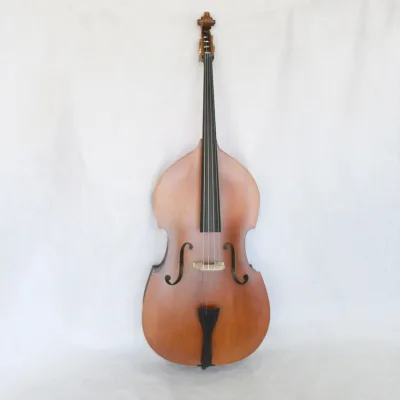
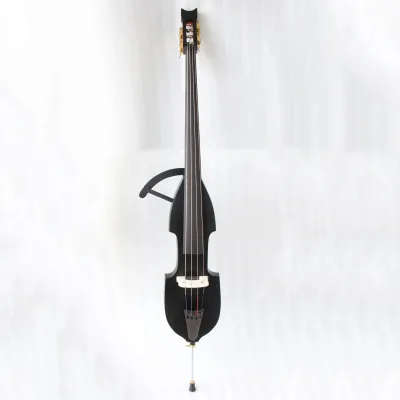

Double Bass / Double Bass 3/4 Contrabass/High Grade Double Bass (DA-2)
$3483.00 - $4180.00
MOQ: 1 Pieces




Comprehensive Sourcing Guide
Double Bass Sourcing Guide
Procuring a Double Bass requires careful attention to the specific dimensions and material composition that define professional-grade instruments. The market offers a diverse range of sizes, from 3/4 and 4/4 models suitable for adult musicians to smaller 1/8 sizes for younger students. Buyers must verify that the selected instrument matches the intended player's physical requirements, as the size directly impacts playability and tonal resonance.
The construction materials significantly influence the final sound quality and durability of the instrument. High-quality sourcing often involves selecting instruments with spruce tops and maple back and sides, which are standard for producing rich, resonant tones. Additionally, the choice of fingerboard material, such as ebony, and the type of strings, whether nylon or metal, are critical factors that determine the instrument's responsiveness and longevity in various performance environments.
Product Scope and Observed Listing Signals
The current market listings reveal a wide spectrum of product configurations, including specific models like DB-01, DB-02, and NSSC-01, each catering to different performance needs. Some listings highlight specialized features such as Brazil wood bows and German bow types, while others focus on complete sets that include padding bags, bows, and rosin. This variety indicates that buyers should clearly define whether they need a standalone instrument or a comprehensive package to ensure they receive all necessary accessories for immediate use.
Customization options are a prominent feature in the available inventory, with many suppliers offering tailored solutions for specific buyer requirements. Attributes such as matte open pore finishes, abalone rosettes, and walnut bridges suggest a high level of craftsmanship available in the market. Buyers should carefully review these aesthetic and functional details to ensure the instrument aligns with their professional standards, as the presence of features like pickups and specific machine heads can significantly alter the instrument's utility in different settings.
Technical Specifications to Verify
Dimensional accuracy is paramount when selecting a Double Bass, as the physical size must align with the player's stature and the intended performance context. Listings indicate sizes ranging from 356mm to full 4/4 proportions, and buyers must confirm that the specific model dimensions match their requirements. The standard packaging dimensions, such as 208cm by 48cm by 73cm, also provide a baseline for logistics planning, ensuring that the instrument fits within standard shipping containers and storage spaces.
Material specifications further define the instrument's acoustic properties and structural integrity. Buyers should verify the use of spruce for the top material and maple for the back and sides, as these woods are essential for optimal sound projection. The fingerboard material, often ebony, and the bridge composition, typically walnut, are critical for string tension and playability. Confirming these material details ensures the instrument meets the rigorous demands of professional accompaniment and solo performance.
Compliance and Safety Documentation
While specific safety certifications are not explicitly detailed in all listings, the presence of ISO9001 standards indicates a commitment to quality management systems within the manufacturing process. Buyers should request evidence of compliance with these standards to ensure that the production facilities adhere to recognized international protocols for consistency and safety. This verification step is crucial for mitigating risks associated with structural failures or material defects that could compromise the instrument's performance.
Documentation regarding the origin and manufacturing standards is equally important for establishing the provenance of the instrument. Most listings specify origins in Tianjin, China, or generally China, which helps in tracing the supply chain and understanding the regulatory environment of the manufacturer. Buyers should ensure that all documentation clearly states the origin and any applicable standards to facilitate customs clearance and to verify that the instrument meets the safety and quality expectations of the target market.
Cost Drivers and Commercial Terms
Pricing in the Double Bass market varies significantly, with observed ranges extending from $1.80 to $5385, reflecting differences in materials, craftsmanship, and customization levels. The cost is heavily influenced by the inclusion of accessories such as padded bags, bows, and rosin, as well as the specific model and finish options selected. Buyers must analyze the total cost of ownership, considering that higher-priced instruments often include superior materials and more extensive customization options that justify the investment.
Minimum Order Quantities (MOQ) and lead times are critical commercial terms that affect procurement planning and budgeting. Listings show MOQs ranging from a single piece to 200 units, with lead times varying between 5 to 45 days depending on the order specifics. Buyers should negotiate these terms early to align with their project timelines, ensuring that the production schedule accommodates the required customization and shipping logistics without causing delays in the supply chain.
Supplier Qualification and Quality Control
Supplier qualification involves verifying the manufacturer's ability to deliver consistent quality through established processes and standards. The availability of OEM and ODM services suggests that suppliers are equipped to handle custom orders, but buyers must assess their track record for maintaining quality control throughout the production cycle. This assessment should include reviewing past performance data and ensuring that the supplier has the capacity to meet specific customization requests without compromising the instrument's integrity.
Quality control measures should be rigorously applied to ensure that every instrument meets the specified technical and aesthetic requirements. Buyers should implement a verification process that includes checking the finish, such as satin or high gloss, and confirming the presence of key components like abalone binding and ox bone nuts. Regular inspections during the production phase can help identify and rectify any deviations from the agreed specifications, ensuring that the final product delivers the expected performance and durability.
Long-Term Procurement Checks
Establishing a long-term relationship with a supplier requires ongoing monitoring of product consistency and performance over time. Buyers should conduct periodic reviews of the instruments to ensure that the materials and construction methods remain consistent with the initial specifications. This continuous evaluation helps in maintaining the quality standards expected by musicians and ensures that the supply chain remains reliable for future procurement needs.
Strategic planning for future orders should include assessing the supplier's ability to adapt to changing market demands and technological advancements. Buyers should maintain open communication channels to discuss potential improvements in materials or design features that could enhance the instrument's value. By staying informed about industry trends and supplier capabilities, buyers can make informed decisions that support the long-term success of their procurement strategy and ensure a steady supply of high-quality double basses.
FAQs
What customization options are available for Double Bass instruments?
Customization is available for these Double Bass instruments, allowing buyers to request specific modifications. The products support OEM and ODM services to meet unique requirements. Buyers can specify details like color, finish, or hardware to align with their brand standards before placing an order.
Which materials are used for the top and back of the Double Bass?
The top material is typically spruce, while the back and side materials are made of maple. These woods are selected for their acoustic properties and durability. Some models also feature ebony fingerboards and walnut bridges to enhance sound quality and structural integrity.
What is the minimum order quantity for purchasing double basses?
The minimum order quantity varies by supplier, ranging from one piece to five sets. Some listings accept a single piece as the MOQ, while others require a minimum of five sets. Buyers should verify the specific MOQ with the manufacturer before confirming the purchase agreement.
How long does it take to receive the Double Bass after ordering?
The lead time for delivery ranges from five to forty-five days depending on the supplier. Some manufacturers offer a shorter window of ten to thirty-five days for specific models. The exact duration depends on production capacity and current order volume at the factory.
Can I find double basses with specific certifications like ISO9001?
Yes, some Double Bass products are manufactured under ISO9001 standards to ensure quality control. This certification indicates that the production process meets international management system requirements. Buyers seeking certified instruments should verify this standard with the specific supplier during the sourcing process.
What sizes are available for the Double Bass instruments?
Available sizes range from 1/8 to 4/4, catering to various player ages and skill levels. Specific models are listed as 3/4 or 4/4, while others cover a broader spectrum from 1/8 up to 4/4. Buyers should select the size that best fits their physical requirements and intended usage.
What is included in the packaging for the Double Bass set?
Packaging options include a single piece per carton or full sets with padding bags, bows, and rosin. Some listings specify a soft padded Double Bass bag as part of the package. The exact contents depend on the specific product model and the supplier's standard packing configuration.