Source Double Face Antique Wall Clock for Home, Office, Hotel
Compare 30 Double Face Antique Wall Clock options from verified suppliers. These timepieces feature metal or wood construction, quartz or digital movements, and customizable designs for home, office, and hotel environments.
Key considerations
Products List


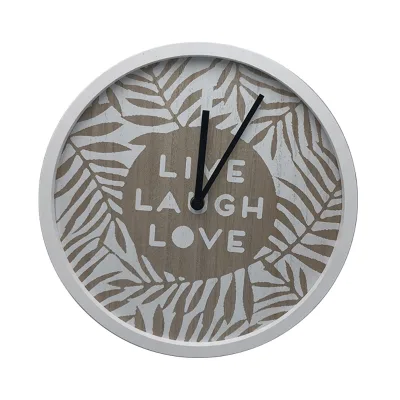

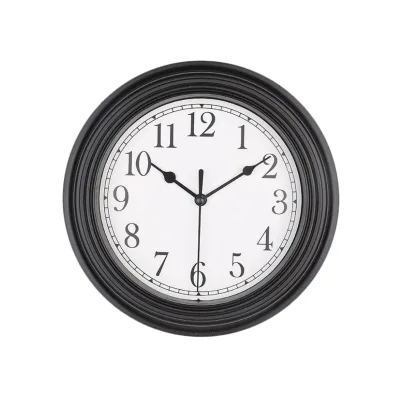
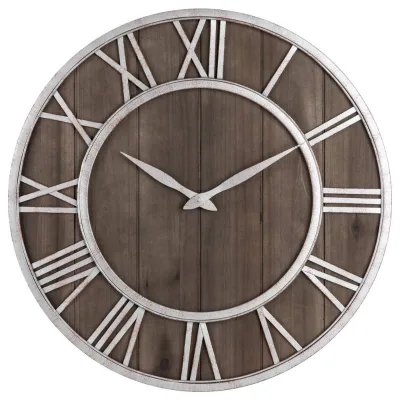
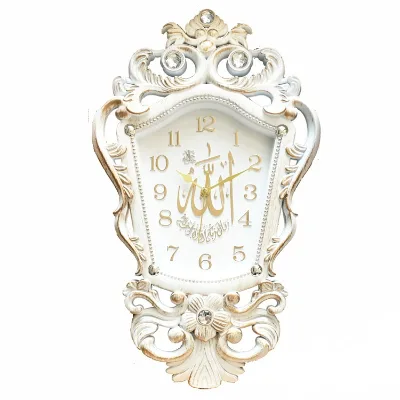
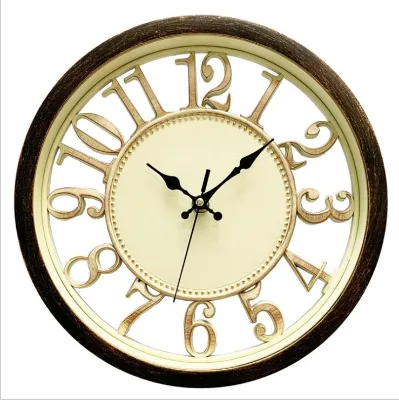
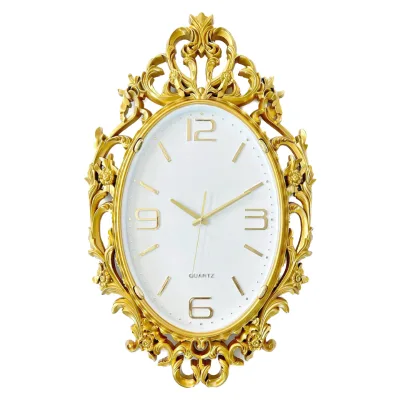


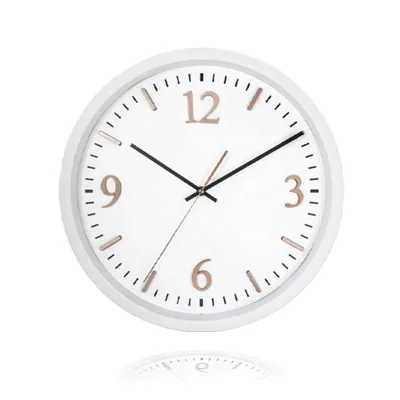
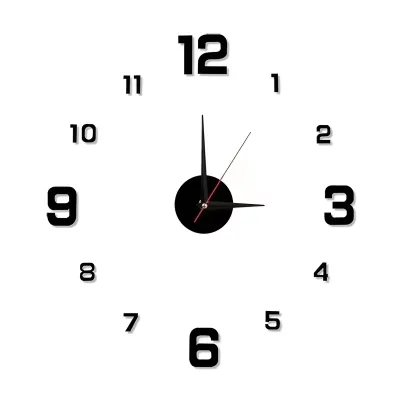

Comprehensive Sourcing Guide
Strategic Sourcing Guide for Double Face Antique Wall Clocks
The global market for decorative timepieces continues to evolve, with a specific niche emerging around dual-sided or "double face" antique wall clocks. These items serve a unique functional and aesthetic purpose, often designed to be mounted on partitions, in large open-plan spaces, or in high-traffic corridors where visibility from multiple angles is required. For B2B procurement professionals, sourcing these specific units requires a disciplined approach that balances the romantic appeal of antique styling with the rigorous demands of industrial manufacturing and quality assurance. This guide outlines the critical factors buyers must evaluate when searching for "double face antique wall clocks," drawing upon observed market data and standard industry practices to ensure a robust supply chain strategy.
Technical Specifications and Design Architecture
When evaluating the technical architecture of a Double Face Antique Wall Clock, the primary focus must be on the movement mechanism and the structural integrity of the dual-dial design. The market data indicates a diverse range of movement types available, including Quartz, Digital, and mechanical options. For an antique aesthetic, a Quartz movement is frequently the preferred choice due to its reliability and silence, though mechanical movements are also observed in specific novelty models. Buyers must verify whether the clock utilizes a "Step Movement" or a "Sweep Movement," as this distinction significantly impacts the visual smoothness of the second hand, a critical detail for high-end antique reproductions.
The physical construction of these units often involves a combination of materials. Observed product attributes highlight the use of Metal and Wood as primary structural materials, while the clock face itself may be constructed from Glass or Plastic. The "Antique" style designation implies specific design elements such as ornate casings, distressed finishes, or vintage numerals. However, buyers should be cautious; the term "Antique" in a commercial context often refers to a style rather than an age. The product models observed, such as "Novelty Metal Wall Clock-064Q" or "Wall Clocks-021n-095W," suggest that manufacturers offer various sizes, ranging from 8 inches to 20 inches. A double-face unit requires a central hub that is robust enough to support two dials without wobbling, necessitating a check on the "Movement Structure" to ensure it can handle the additional load.
Furthermore, the power source is a critical technical variable. While some units operate on Battery power, others may utilize Solar energy or standard Mechanical power. The choice of power source affects the installation requirements and long-term maintenance costs. For instance, a solar-powered antique clock might be ideal for a sunlit atrium, whereas a battery-operated unit is more versatile for interior partitions. Buyers should also inspect the "Surface Material" to ensure it aligns with the intended environment; glass faces offer clarity but may be prone to breakage in high-traffic areas, whereas plastic faces offer durability.
Compliance, Certification, and Safety Standards
In the realm of B2B procurement, compliance is not merely a formality but a prerequisite for market access and liability protection. While specific certification statuses for the observed "Novelty" models are not explicitly listed in the provided data, buyers must proactively verify that all electrical components, particularly in LED or digital variants, meet the safety standards of the destination market. For example, if the clock includes electronic features like an "Alarm" system or "Color Changing" capabilities, it must comply with regional electromagnetic compatibility (EMC) and low-voltage directives.
The "Standard" attribute for these products is often listed as "customized," which places the onus on the buyer to define the specific compliance requirements. This customization allows for flexibility but requires a clear specification sheet. Buyers should request documentation regarding the "Quality" of the product, often described in market listings as "Best," but this is a subjective claim that must be validated through third-party testing. For wooden components, verification of treatment against pests and formaldehyde emissions is essential, especially for products destined for European or North American markets.
Additionally, the "Origin" of the products, frequently cited as Fujian, China, or generally China, implies a need for supply chain transparency. Buyers should ensure that the manufacturing facility adheres to international labor standards and environmental regulations. The "prod_standard" being customized means that the supplier must be willing to adapt their production line to meet specific regulatory hurdles, such as lead-free soldering for electronic parts or specific fire-retardant ratings for plastic components. Without explicit certification data in the source material, the procurement strategy must include a clause requiring the supplier to provide valid test reports before shipment.
Cost Drivers and Pricing Dynamics
Understanding the cost structure of double face antique wall clocks is vital for budgeting and margin analysis. The observed price range in the market spans from $0.30 to $25.00 USD. This wide variance is driven by several key factors, including the complexity of the movement, the quality of materials, and the extent of customization. A basic metal clock with a simple quartz movement and plastic face will likely sit at the lower end of this spectrum, while a unit featuring a wooden frame, glass face, digital display, and intricate antique detailing will command a premium price.
The Minimum Order Quantity (MOQ) is another significant cost driver. Data indicates an MOQ range of 2 to 500 pieces, with some specific models requiring as many as 5,000 or 10,000 units. High MOQs, such as the 10,000 unit threshold observed for certain digital or multifunctional models, can impact the unit cost through economies of scale but also increase the initial capital outlay and inventory risk for the buyer. Conversely, lower MOQs allow for smaller test batches but may result in higher per-unit costs.
Customization is a major determinant of price. Attributes such as "Customized Logo," "Any Color," and "Design as Your Requirement" allow buyers to tailor the product to their brand, but these services invariably add to the production cost. The "prod_packing" options, ranging from simple PP bags to custom polybags, also influence the final landed cost. Buyers must weigh the cost of premium packaging against the perceived value of the product in the target market. Furthermore, the "Feature" set, such as "Day/Date" or "Alarm," adds complexity to the assembly process, which can increase the manufacturing cost.
Typical Applications and Market Segmentation
The versatility of double face antique wall clocks makes them suitable for a wide array of commercial and residential applications. The observed "Usage" attributes, including "Home Use" and "Travel Use," indicate a broad market appeal. However, the double-face design specifically targets environments where visibility from opposite sides is necessary. This includes hotel lobbies, airport terminals, shopping malls, and large office break rooms. In these settings, the clock serves both a functional purpose and a decorative one, contributing to the overall aesthetic of the space.
The "Antique" style appeals to segments that value traditional design, such as boutique hotels, historic restaurants, and luxury residential developments. The "European" and "Simple" style variations observed in the market data suggest that buyers can source clocks that fit diverse interior design themes. For instance, a "European" style clock might feature ornate metalwork suitable for a classic hotel corridor, while a "Simple" style unit with a "Circular" shape might be better suited for a modern office with a minimalist aesthetic.
The "Feature" set also dictates application. Clocks with an "Alarm" system or "Color Changing" capabilities are more likely to be used in educational institutions, hospitals, or industrial facilities where time management is critical. The "Day/Date" feature is particularly valuable in corporate environments where scheduling is a daily concern. Buyers should align the specific features of the clock with the operational needs of their clients to ensure the product adds value beyond mere timekeeping.
Supplier Evaluation and Quality Control
Selecting the right supplier is perhaps the most critical step in the procurement process. Given the "Customization" and "OEM Orders" acceptance noted in the product attributes, buyers should prioritize suppliers who demonstrate flexibility and a robust quality control (QC) framework. The "Quality" attribute is often listed as "Best," but this is a marketing claim that must be verified. Buyers should request samples to assess the build quality, paying close attention to the alignment of the double faces, the smoothness of the movement, and the finish of the materials.
A comparison of potential suppliers should focus on their ability to meet specific requirements. The following table outlines key evaluation criteria based on the observed market data:
| Evaluation Criteria | Key Observation from Data | Buyer Verification Action |
|---|---|---|
| Movement Type | Step, Sweep, Quartz, Digital | Request sample to test accuracy and noise levels. |
| Material Composition | Metal, Wood, Glass, Plastic | Inspect samples for durability and finish quality. |
| Customization | Logo, Color, Design, Packing | Confirm lead times for custom molds and tooling. |
| MOQ Flexibility | 2 to 10,000 units | Negotiate tiered pricing based on order volume. |
| Origin | Fujian, China | Verify factory audits and compliance with labor laws. |
| Packing | PP Bags, Polybags, Custom | Assess packaging for damage during transit. |
Quality control should be implemented at multiple stages: incoming material inspection, in-process quality checks, and final random inspection (AQL). For double-face units, specific attention must be paid to the central axis to ensure the two faces are perfectly aligned and do not interfere with each other during rotation. Buyers should also verify the "prod_model" consistency, ensuring that the specific model number (e.g., "Novelty Metal Wall Clock-049M") matches the ordered specifications exactly.
Long-Term Procurement Considerations
Sourcing double face antique wall clocks is not a one-time transaction but a long-term partnership that requires strategic planning. The "Customized" nature of the "prod_standard" and "prod_packing" suggests that once a design is finalized, it may require ongoing maintenance and reordering. Buyers should establish a clear communication channel with the supplier to manage updates, such as changes in battery technology or material availability.
Sustainability is becoming an increasingly important factor in procurement. Buyers should inquire about the recyclability of the materials used, particularly the metal and plastic components. The "Solar" power option observed in the market data offers a more sustainable alternative to battery-operated units, reducing waste and maintenance costs over the product's lifecycle. Additionally, the "Design as Your Requirement" attribute allows for the creation of modular products that can be easily repaired or upgraded, extending the product's lifespan.
Finally, buyers must consider the supply chain resilience. With the "prod_origin" concentrated in specific regions like Fujian, China, geopolitical factors or logistical disruptions could impact delivery. Diversifying the supplier base or maintaining a safety stock of critical components can mitigate these risks. The "OEM" acceptance indicates that suppliers are capable of scaling production, but buyers should ensure that the supplier has the capacity to handle peak demand periods without compromising quality or lead times. By focusing on these long-term considerations, buyers can secure a reliable supply of high-quality double face antique wall clocks that meet both current needs and future market demands.
FAQs
How can I customize the logo on double face antique wall clocks?
You can customize the logo as your requirement since the product attributes list customized logo options. This allows you to tailor the appearance to your brand while selecting from available metal or wood materials.
What movement types are available for these antique wall clocks?
Available movement types include Quartz, Digital, Step Movement, and Sweep Movement. Buyers should verify the specific movement structure to ensure it supports the dual-dial design and meets noise requirements.
Which materials are used for the casing and clock face?
Primary materials include Metal and Wood for the casing, while the surface material can be Glass or Plastic. The choice depends on the desired durability and the specific antique style required for the installation.
Can I order samples with specific sizes like 8 or 20 inches?
Yes, sizes range from 8 inches to 20 inches depending on the model. You can request specific dimensions such as 8 Inch or 20 Inch units to match your space requirements.
What is the minimum order quantity for these wall clocks?
The MOQ ranges from 2 to 500 pieces, with some models requiring up to 10,000 units. You must check the specific model number to confirm the exact minimum order quantity before placing an order.
How do I ensure the clocks meet safety standards for export?
The product standard is often customized, so you must define specific compliance requirements with the supplier. Request third-party test reports for electrical components like alarms or LED features to ensure safety compliance.
What packaging options are available for shipping these clocks?
Packaging options include PP Bags, Polybags, or custom requirements as specified by the buyer. You can choose between simple individual polybag packing or more elaborate custom packaging to protect the product during transit.