Source Double Drinking Plastic Cup for Food, Beverage, and Chemical Use
Find 30 Double Drinking Plastic Cup options from China. Compare 400ml to 700ml sizes, PP and PET materials, and FDA-certified suppliers. Source customizable, recyclable cups for food, beverage, and personal care applications; compare the available evidence and request quotations based on your requirements.
Key considerations
Products List


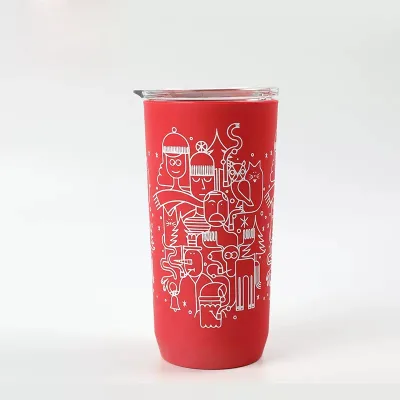


500ml 700ml Split Twin Plastic Cup Custom PP Drinking Cup Plastic Cup PP
$0.09 - $0.15
MOQ: 10000 Pieces


20 Oz Plastic Double Wall Cold / Hot Drinking Cup and Tumbler with Lid and Straw
$0.90 - $0.95
MOQ: 5000 Pieces


Comprehensive Sourcing Guide
Double Drinking Plastic Cup Sourcing Guide
Sourcing double drinking plastic cups requires a nuanced understanding of material versatility and functional design, as the market offers a wide spectrum of options ranging from simple single-use items to durable, customized vessels. Buyers must first distinguish between products marketed as disposable and those labeled as non-disposable, as this distinction fundamentally alters the expected material thickness, durability, and end-of-life handling procedures. The observed product landscape includes items made from polypropylene (PP) and polyethylene terephthalate (PET), each offering distinct thermal and chemical resistance properties that must align with the intended beverage type, whether hot, cold, or carbonated.
Furthermore, the term "double drinking" often implies a dual-chamber design or a specific lid mechanism that facilitates sipping while preventing spills, a feature frequently paired with pump sprayers or wide-mouthed seals for varied usage scenarios. Procurement teams should verify if the product is intended for food, beverage, or even personal care applications, as the latter may require different surface handling techniques such as screen printing or colored finishes. Understanding these functional nuances ensures that the selected cup meets both the operational needs of the end-user and the branding requirements of the purchasing organization, particularly when custom logos or multicolor designs are involved.
Product Scope and Observed Listing Signals
The current market signals indicate a diverse inventory of plastic cups with capacities ranging from 360ml to 700ml, including specific models like the Plastic Tumbler-033F and Plastic Cup-009p-002P. These listings reveal a strong emphasis on customization, with many suppliers offering OEM services, customized logos, and varied printing options such as single-sided or two-sided screen printing. The presence of both "Disposable" and "Non-Disposable" attributes in the same category highlights the need for careful specification review, as buyers must explicitly confirm whether the product is designed for single-use events or long-term commercial reuse, which significantly impacts the unit cost and material selection.
Visual and aesthetic attributes also play a critical role in the selection process, with options ranging from unicolor and multicolor designs to fancy printed patterns. The observed product origins are primarily in China, with specific mentions of Shandong as a manufacturing hub, suggesting a concentration of supply in this region. Buyers should note that while some products are described as having a simple style, others feature complex sealing types like pump sprayers or wide-mouthed bottles, indicating that the "double drinking" functionality may vary from a simple dual-spout lid to a more intricate dispensing mechanism. This variability necessitates a thorough review of product images and technical drawings before placing orders.
Technical Specifications to Verify
When evaluating technical specifications, the material composition is the primary factor to verify, with polypropylene (PP) and polyethylene terephthalate (PET) being the most commonly observed materials. PP is generally preferred for its heat resistance and flexibility, making it suitable for hot beverages, while PET offers clarity and rigidity, ideal for cold drinks and visual appeal. Buyers must confirm the exact material grade for each order, as mixing materials without proper documentation can lead to performance issues, such as warping or chemical leaching, especially when the cups are used for acidic or oily beverages. The model numbers provided, such as 500ml or 700ml variants, should be cross-referenced with the actual dimensions and wall thickness to ensure they meet the required capacity and durability standards.
Sealing and structural integrity are equally critical, with observed features including pump sprayers, wide-mouthed designs, and various cap configurations. The presence of a cover is noted as a standard accessory for many items, but the type of seal—whether it is a simple snap-on lid or a more complex gasketed closure—must be verified to prevent leaks during transport and use. Additionally, surface handling techniques like screen printing can affect the cup's usability, particularly if the ink is not food-safe or if the printing process compromises the structural integrity of the rim. Buyers should request physical samples to test the fit of lids and the durability of printed logos under repeated use or washing cycles.
Compliance and Safety Documentation
Compliance with food safety standards is non-negotiable for plastic cups intended for beverage consumption, and buyers must verify that suppliers hold valid certifications such as FDA or QS. These certifications indicate that the materials used are safe for contact with food and do not leach harmful substances into the contents. It is essential to request current copies of these certificates and ensure they cover the specific material grades and manufacturing facilities involved in the production of the ordered cups. The absence of ethylene oxide sterilization is noted for some products, which is typical for plastic ware but should be confirmed to ensure that no residual chemicals remain from the manufacturing process.
In addition to material safety, buyers should inquire about the testing protocols used by the supplier to ensure product consistency and safety. This includes verifying that the printing inks used for logos and designs are also compliant with relevant food contact regulations, as some decorative elements may contain hazardous substances. The observed mention of customized standards suggests that some suppliers may adhere to specific client requirements beyond standard regulatory frameworks, which can be beneficial for large-scale procurement projects. However, buyers must ensure that any customized standards do not compromise basic safety requirements and are clearly documented in the contract to avoid disputes during quality inspections.
Cost Drivers and Commercial Terms
The cost of double drinking plastic cups is influenced by several key factors, including material type, customization level, and order volume. The observed price range of $0.02 to $2.1 USD reflects the vast difference between simple, unbranded disposable cups and complex, customized, non-disposable vessels with premium features like pump sprayers or intricate printing. Buyers should anticipate higher unit costs for products requiring OEM services, customized logos, or specific color matches, as these processes add significant labor and setup expenses. Additionally, the choice between PP and PET materials can impact the base cost, with PET often being more expensive due to its superior clarity and rigidity.
Minimum order quantities (MOQs) vary widely, ranging from 100 to 50,000 units, depending on the supplier and the level of customization required. Lower MOQs are typically associated with standard, off-the-shelf products, while higher volumes are needed for customized designs to amortize setup costs. Buyers should negotiate flexible MOQ terms, especially for initial orders, to test the market and assess product quality before committing to larger volumes. Packaging options, such as carton or polybag packing, also affect the total landed cost, as more robust packaging may be necessary for international shipping to prevent damage during transit.
Supplier Qualification and Quality Control
Supplier qualification is a critical step in ensuring the reliability and consistency of Double Drinking Plastic Cup orders. Buyers should verify the supplier's manufacturing capabilities, including their production capacity, quality control processes, and ability to handle customization requests. The observed concentration of suppliers in Shandong, China, suggests a mature supply chain, but buyers must still conduct due diligence to ensure that the supplier has a proven track record of delivering high-quality products. Requesting references from previous clients and reviewing their online presence can provide additional insights into the supplier's reputation and reliability.
Quality control measures should be clearly defined in the purchase agreement, including inspection criteria for material thickness, print quality, and sealing integrity. Buyers should consider implementing pre-shipment inspections to catch any defects before the goods are dispatched, reducing the risk of receiving substandard products. The observed mention of sample provision by suppliers is a valuable opportunity to evaluate product quality firsthand, allowing buyers to assess the fit, finish, and functionality of the cups. Establishing a clear communication channel with the supplier for addressing quality issues and requesting replacements or refunds is essential for maintaining a smooth procurement process.
Long-Term Procurement Checks
Long-term procurement success depends on establishing a robust relationship with suppliers and continuously monitoring product performance and market trends. Buyers should regularly review supplier performance metrics, such as on-time delivery rates, product quality consistency, and responsiveness to issues, to ensure that the partnership remains beneficial. The dynamic nature of the plastic cup market, with frequent changes in material regulations and consumer preferences, requires buyers to stay informed about industry developments and adjust their sourcing strategies accordingly. Engaging in periodic contract reviews can help identify opportunities for cost savings, improved terms, or new product innovations.
Sustainability is becoming an increasingly important factor in procurement decisions, with many buyers seeking recyclable or biodegradable options. The observed mention of recyclable features in some products indicates a growing awareness of environmental concerns, and buyers should explore options for more sustainable materials and packaging solutions. Additionally, buyers should consider the end-of-life disposal options for the cups they procure, ensuring that they align with their corporate sustainability goals and regulatory requirements. By prioritizing long-term partnerships and sustainable practices, buyers can mitigate risks and secure a reliable supply of high-quality double drinking plastic cups.
FAQs
What customization options are available for these cups?
Customization is available for these plastic cups, allowing buyers to request specific designs. The products support customized logos and can be printed on single or two-sided pages. Buyers can choose from multicolor or unicolor options to match their branding needs effectively.
Which certifications do the plastic cups meet?
The cups meet FDA standards and some products carry QS certification. These certifications ensure the materials are safe for food and beverage applications. Buyers can verify these standards when sourcing to ensure compliance with international safety requirements for plastic packaging.
Can I find cups with specific volume specifications?
Yes, cups are available in various volumes including 360ml, 400ml, 500ml, 600ml, and 700ml. These specifications cater to different beverage serving needs. Buyers can select the exact capacity required for their specific application or product line without compromising on quality.
What is the minimum order quantity for these items?
The minimum order quantity ranges from 100 to 50,000 units depending on the specific product model. Some items have an MOQ of 100, while others require up to 50,000. Buyers should check the specific model details to confirm the exact threshold for their order.
How are the cups packaged for shipping?
Packaging options include carton boxes or individual polybag packing for each unit. This ensures the cups remain clean and protected during transit. The packaging method is selected based on the specific product requirements and buyer preferences for bulk or individual handling.
Are these cups suitable for chemical applications?
Yes, the cups are designed for food, chemical, and personal care applications. They are made from durable plastic materials like PP and PET. This versatility allows them to be used across various industries requiring safe and reliable plastic containers for different liquid types.
What printing methods are used on the cups?
Screen printing is the primary surface handling method used for these cups. The printing can be applied to single or two-sided pages. This technique allows for clear and durable designs, supporting both simple and fancy printed styles for various branding requirements.