Source Downdraft Electric Fuel Pump for Motorcycle, Machinery, and Auto Nozzle
Find and compare 30 available Downdraft Electric Fuel Pump options for motorcycles, machinery manufacturing, and auto nozzle applications. Buyers can review specifications like stroke type, body material, and certification to select the right component for their needs.
Key considerations
Products List


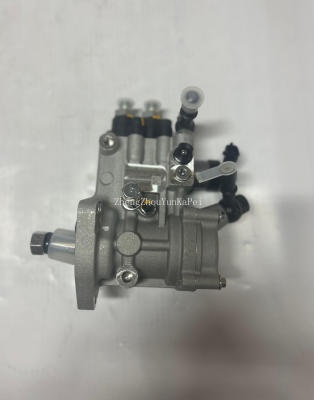


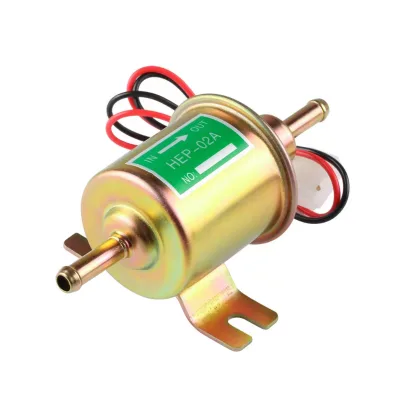


Comprehensive Sourcing Guide
Strategic Sourcing Guide for Downdraft Electric Fuel Pumps
The global market for automotive and industrial fuel delivery systems continues to evolve, with the Downdraft Electric Fuel Pump emerging as a critical component for specific engine configurations and fluid transfer applications. For procurement professionals, navigating this sector requires a disciplined approach that distinguishes between generic fuel pumps and specialized downdraft units designed for precise flow dynamics. This guide synthesizes observed market data and technical attributes to provide a robust framework for sourcing these components without relying on unverified claims or speculative market figures. The focus remains on evidence-based evaluation, ensuring that buyers can make informed decisions based on tangible product specifications and verified supplier capabilities.
Technical Architecture and Operational Specifications
Understanding the technical architecture of a Downdraft Electric Fuel Pump is the first step in effective sourcing. Unlike traditional gravity-fed systems or high-pressure inline pumps, downdraft configurations are engineered to operate with the force of gravity assisting the flow from the reservoir to the engine intake. This design is particularly relevant for carburetted engines where the fuel must be delivered under specific pressure conditions to ensure optimal atomization. The observed market data indicates that these units often feature a four-stroke engine compatibility, suggesting they are integral to larger internal combustion systems rather than small, single-cycle devices.
The physical construction of these pumps varies significantly based on the intended application. Observed product attributes reveal that body materials can range from iron to steel and aluminium, each offering distinct advantages regarding durability, weight, and corrosion resistance. Iron bodies are often selected for heavy-duty industrial applications where structural integrity is paramount, while aluminium variants may be preferred for motorcycle or lightweight machinery where weight reduction is a priority. Furthermore, the cylinder configuration is a critical differentiator; while some units are designed for single-cylinder engines, others are built for multi-cylinder setups, requiring precise synchronization of fuel delivery.
The electrical characteristics of these pumps are equally vital. The power source is consistently identified as electric, necessitating a clear understanding of voltage requirements and current draw for integration into existing vehicle or machinery electrical systems. The operation mode is typically described as "normal," implying standard duty cycles suitable for continuous or intermittent operation without the need for specialized high-performance cooling systems. However, buyers must verify the specific magnitude of discharge, as observed data points to "small and medium" capacities, which dictates the suitability of the pump for specific engine sizes and fuel consumption rates.
Compliance, Certification, and Regulatory Standards
In the B2B procurement landscape, compliance is not merely a formality but a fundamental requirement for market access and operational safety. The sourcing of downdraft electric fuel pumps involves navigating a complex web of international and regional certifications. Observed product listings highlight several key certification standards, including ISO, CCC (China Compulsory Certification), ISO9000, and RoHS. These certifications serve as indicators of a manufacturer's adherence to quality management systems and environmental regulations.
The ISO certification, specifically noted in the context of carburettor and fuel tank components, suggests that the supplier has implemented rigorous quality control processes. However, it is crucial for buyers to verify that the specific ISO standard applies to the fuel pump component itself, rather than just the broader manufacturing facility. Similarly, the CCC certification is a mandatory requirement for products sold within the Chinese market, indicating compliance with local safety and performance standards. For international buyers, the presence of RoHS (Restriction of Hazardous Substances) compliance is essential, ensuring that the pump does not contain restricted hazardous materials such as lead, mercury, or cadmium.
Beyond certifications, product standards play a significant role in defining the physical and operational parameters of the fuel pump. Observed data mentions standards related to steel specifications and dimensional requirements, such as overall dimensions of 1806040 mm or 1206040 mm. These measurements are not arbitrary; they reflect the spatial constraints of the installation environment. Buyers must ensure that the product's standard dimensions align with their specific application requirements. Additionally, the mention of "steel" as a standard material implies a baseline for structural integrity, but the actual body material may vary, as seen in the aluminium and iron options. Therefore, verifying the exact material standard against the product specification sheet is a necessary step to avoid mismatches in performance expectations.
Cost Drivers and Pricing Dynamics
The pricing of downdraft electric fuel pumps is influenced by a multitude of factors, ranging from raw material costs to manufacturing complexity and certification overheads. The observed price range in the market spans from 1 to 5000 USD, a vast spectrum that reflects the diversity of product types and quality levels available. This wide range indicates that buyers cannot rely on a single price point as a benchmark; instead, they must analyze the cost drivers specific to their requirements.
Material composition is a primary cost driver. Pumps constructed from iron or steel generally command different price points compared to those made from aluminium, with the latter often being more expensive due to the higher cost of raw materials and the complexity of machining. The inclusion of electronic fuel-saving technology, as noted in some product attributes, can also significantly increase the unit cost. This technology requires sophisticated circuitry and sensors, adding to the manufacturing expense but potentially offering long-term operational savings for the end-user.
Order quantity and packaging also play a crucial role in the final cost. The observed minimum order quantity (MOQ) ranges from 1 to 100 units, providing flexibility for both small-scale buyers and large industrial purchasers. However, higher order volumes typically result in economies of scale, reducing the per-unit cost. Packaging requirements, such as individual cartons or containerized shipping, can further impact the total landed cost. Buyers should consider the total cost of ownership, including shipping, customs duties, and potential inventory holding costs, rather than focusing solely on the unit price.
Typical Applications and Industry Use Cases
Downdraft electric fuel pumps are utilized across a diverse range of industries, each with unique requirements for fuel delivery systems. The observed product attributes indicate applications in machinery manufacturing, motorcycle production, and general automotive sectors. The specific mention of "motorcycle" as a car make suggests that these pumps are commonly integrated into two-wheeled vehicles, where space constraints and weight considerations are critical.
In the context of machinery manufacturing, these pumps are often employed in equipment that requires reliable fuel delivery for internal combustion engines. The "small and medium" magnitude of discharge observed in the market data suggests that these units are suitable for medium-sized engines found in construction equipment, agricultural machinery, and portable generators. The ability to handle both petrol and diesel, as indicated by some product specifications, further expands their applicability to a broader range of fuel types and engine designs.
The integration of these pumps into specific vehicle models, such as those with model numbers like S4001 or S7011, highlights their role in standardized production lines. Buyers in the automotive sector must ensure that the fuel pump they source is compatible with the specific engine architecture of their vehicles. The "downdraft" configuration is particularly advantageous in applications where the fuel tank is positioned above the engine, allowing gravity to assist in fuel flow and reducing the load on the pump. This design feature can lead to improved fuel efficiency and reduced wear on the pump components.
Supplier Evaluation and Geographic Considerations
Selecting the right supplier is a critical decision that can impact the quality, reliability, and cost-effectiveness of the procurement process. The observed data reveals that suppliers are located in various regions, with a notable concentration in Zhejiang, China, and Suizhou, Hubei, China. These regions are known for their robust manufacturing capabilities and established supply chains for automotive components.
When evaluating suppliers, buyers should prioritize those with a proven track record of meeting certification standards and delivering products that align with their technical specifications. The presence of certifications such as ISO, CCC, and RoHS is a strong indicator of a supplier's commitment to quality and compliance. However, buyers should also verify the authenticity of these certifications and ensure that they apply to the specific product being purchased.
Geographic location can also influence lead times and shipping costs. Suppliers located in Zhejiang and Hubei are well-positioned to serve both domestic and international markets, with access to major ports and logistics networks. Buyers should consider the proximity of the supplier to their own facilities or distribution centers to minimize transportation costs and delivery times. Additionally, the ability of the supplier to offer customization, as noted in the product attributes, is a valuable asset for buyers with unique requirements. Customization options can include modifications to the body material, dimensions, or electrical specifications to better suit the specific application.
Quality Control and Long-Term Procurement Strategies
Ensuring the quality of downdraft electric fuel pumps requires a comprehensive quality control strategy that spans the entire procurement lifecycle. Buyers should implement rigorous inspection protocols to verify that the received products meet the specified technical and compliance requirements. This includes checking the body material, dimensions, and electrical specifications against the product datasheet. Visual inspections should be conducted to identify any defects in the casting or machining, while functional tests should be performed to ensure the pump operates within the expected parameters.
Long-term procurement strategies should focus on building strong relationships with reliable suppliers who can consistently deliver high-quality products. This involves establishing clear communication channels, defining quality expectations, and implementing a feedback loop for continuous improvement. Buyers should also consider the warranty terms offered by suppliers, as a one-year warranty, as observed in some product listings, can provide peace of mind and protection against early failures.
Furthermore, buyers should plan for the long-term availability of spare parts and technical support. The obsolescence of specific models or components can disrupt operations, so it is essential to select suppliers who offer a stable product line and have a commitment to supporting their customers over the long term. By adopting a proactive approach to quality control and supplier management, buyers can mitigate risks and ensure the reliable performance of their downdraft electric fuel pumps in critical applications.
Comparative Analysis of Product Attributes
To facilitate informed decision-making, the following table summarizes key product attributes observed in the market for downdraft electric fuel pumps. This comparison highlights the diversity of options available and helps buyers identify the most suitable products for their specific needs.
| Attribute | Observation 1 | Observation 2 | Observation 3 |
|---|---|---|---|
| Body Material | Iron | Steel | Aluminium |
| Cylinder Type | Multi-cylinder | Single Cylinder | Multi-cylinder |
| Fuel Type | Gasoline | Petrol and Diesel | Gasoline |
| Certification | ISO, ISOTS | ISO, CCC, RoHS | ISO, CCC, ISO9000 |
| Origin | Zhejiang Wenzhou | Wenzhou | Suizhou, Hubei |
| Dimensions | 1806040 mm | 1206040 mm | Standard |
| Operation Mode | Normal | Normal | Normal |
| Packing | Carton | Container | 1 Piece in 1 Carton |
| Model | S4001 | S7011 | AC-P12 |
| Power Source | Electric | Electric | Electric |
This table underscores the importance of verifying specific attributes against project requirements. While the core function of the Downdraft Electric Fuel Pump remains consistent, the variations in material, certification, and dimensions necessitate a tailored approach to sourcing. Buyers should use this comparative framework to narrow down their options and engage in targeted discussions with suppliers to confirm the suitability of their products.
In conclusion, sourcing downdraft electric fuel pumps requires a meticulous approach that balances technical specifications, compliance requirements, and cost considerations. By leveraging the observed market data and adhering to the principles of evidence-based procurement, buyers can navigate the complexities of this market and secure high-quality components that meet their operational needs. The key lies in maintaining a disciplined focus on verified facts and avoiding reliance on unverified claims, ensuring that every procurement decision is grounded in reality and aligned with strategic objectives.
FAQs
What certifications are available for downdraft electric fuel pumps?
Certifications include ISO, CCC, ISO9000, and RoHS depending on the component type. Buyers must verify that specific standards apply to the fuel pump rather than just the manufacturing facility to ensure compliance.
Which body materials are used for these pumps?
Body materials observed in the market include iron, steel, and aluminium. Iron is often selected for heavy-duty applications, while aluminium is preferred for lightweight machinery like motorcycles to reduce overall weight.
Can these pumps handle both petrol and diesel fuels?
Yes, some models are designed to operate with both petrol and diesel. This versatility expands their applicability to various engine designs and fuel types found in machinery manufacturing and automotive sectors.
What is the typical discharge magnitude for these units?
The observed magnitude of discharge is classified as small and medium. This capacity dictates the suitability of the pump for specific engine sizes and fuel consumption rates in medium-sized internal combustion systems.
How are these pumps typically packed for shipment?
Packing options include individual cartons or containerized shipping depending on order volume. Buyers should consider packaging requirements as they impact the total landed cost and logistics planning for the procurement.
What is the standard warranty period for these components?
A standard warranty period of 1 year is commonly offered for these products. This warranty covers defects and ensures reliability for buyers integrating the pumps into machinery or vehicle production lines.
Which locations are common for manufacturing these pumps?
Manufacturing origins are primarily located in Zhejiang Wenzhou and Suizhou, Hubei, China. These regions offer robust supply chains and access to major ports for efficient international distribution of automotive components.