Source Doypack Filling Sealer for Tea, Cosmetics, and Oil
Find 30 Doypack Filling Sealer units designed for tea, cosmetics, and oil packaging. Compare automatic models with CE certification, varying speeds, and customizable features from Chinese manufacturers.
Key considerations
Products List


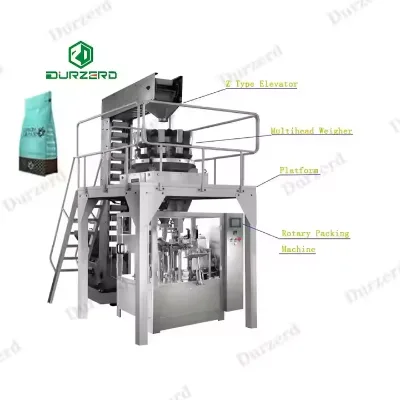


Advanced Doypack Bag Filling and Sealing Machine for Gummy Products
$25000.00 - $26000.00
MOQ: 1 Pieces


Sale Multi-Function Doypack Bean Sauce Filling Packing Sealing Machine
$24000.00 - $35000.00
MOQ: 1 Sets


Comprehensive Sourcing Guide
Doypack Filling Sealer Sourcing Guide
The global demand for flexible packaging solutions has elevated the Doypack Filling Sealer to a critical asset for manufacturers across diverse sectors, including food, cosmetics, and household chemicals. These machines are engineered to handle complex bag formats such as doypacks, zipper pouches, and flat bags, offering a seamless transition from film forming to final sealing. Buyers must recognize that the core functionality extends beyond simple filling; it encompasses the entire vertical process of bag molding, zipper addition, product dosing, and heat sealing in a single automated cycle.
Procurement decisions for this equipment require a clear understanding of the specific bag standards supported by the machinery, as not all units are universally compatible with every pouch design. The observed market data indicates a strong preference for machines capable of handling SS304 food-grade standards and specific bag shapes like doypacks and zip-lock bags. Sourcing success depends on matching the machine's forming species and filling device capabilities, such as weighters or volume cup fillers, to the physical properties of the product being packaged, whether it is a powder, liquid, or viscous cream.
Product Scope and Observed Listing Signals
The current market listings for doypack filling sealers reveal a distinct range of capabilities, with observed prices spanning from 4,300 to 65,000 USD, reflecting significant variations in automation levels and functional complexity. While the minimum order quantity (MOQ) for these units is frequently listed as a single piece, the price disparity suggests that buyers should scrutinize the specific model numbers, such as the TRC-300, ZD-200/320, or the 180S/240S series, to understand the value proposition of each tier. Higher-priced units often correlate with advanced features like servo motor drives and duplex speeds reaching up to 120 bags per minute, whereas lower-cost options may offer basic electric driving with slower throughput.
Application versatility is a primary signal in product listings, with machines advertised for use in tea, vegetable, fruit, fish, meat, snacks, rice, flour, seasoning, dairy, hair care, skin care, cosmetics, oil, cleaning, and detergent sectors. This broad applicability indicates that the machinery is designed to handle both dry powders and liquid or semi-liquid products, provided the correct filling device is selected. Buyers should verify that the specific listing confirms the machine's ability to handle the intended product viscosity and particle size, as the "Forming Function" and "Filling Device" attributes are critical determinants of whether a specific unit can successfully process a given commodity without clogging or leakage.
Technical Specifications to Verify
When evaluating technical specifications, the driven type and automation level are paramount, with the majority of high-performance units operating as fully automatic systems driven by electric power or servo motors. The power consumption for these machines is typically around 7KW, but the critical differentiator lies in the speed and precision of the operation, with observed production capacities ranging from 20 to 70 bags per minute for standard models and up to 120 bags per minute for duplex configurations. Buyers must confirm that the machine's speed aligns with their production targets, as the "Speed" attribute often varies significantly between single-lane and duplex setups, directly impacting the return on investment.
The mechanical construction and material compatibility are equally vital, with many units constructed from SS304 food-grade stainless steel to ensure hygiene and durability in food and cosmetic applications. The "Film Forming" mechanism, often featuring an independent film frame and an align ensure device, is essential for maintaining bag integrity during high-speed operations. Additionally, the "Optional" features such as coding devices and conveyors should be assessed based on the specific workflow requirements, as these add-ons can significantly alter the machine's footprint and operational efficiency. The "Bag Shape" capability, specifically for doypacks and zip-lock bags, must be explicitly verified against the buyer's packaging requirements to avoid compatibility issues.
Compliance and Safety Documentation
Safety and regulatory compliance are non-negotiable aspects of sourcing industrial packaging machinery, with CE certification appearing as a standard requirement for units originating from China. This certification indicates that the machine meets the essential health, safety, and environmental protection requirements for the European market, a crucial consideration for exporters and importers operating in regulated jurisdictions. Buyers should request the specific CE documentation and verify that it covers the electrical and mechanical safety standards applicable to the machine's voltage and power specifications, ensuring that the equipment can be legally installed and operated in their target region.
For applications involving food, cosmetics, and pharmaceuticals, additional documentation regarding material safety and hygiene standards is often required. The "prod_standard" attribute frequently cites SS304 food-grade materials, which is a critical verification point for buyers in the food and beverage sector to ensure that the machine does not contaminate the product. While some listings mention ISO certification alongside CE, buyers must confirm the scope of these certifications to ensure they cover the specific manufacturing processes and quality management systems relevant to their industry. The absence of these certifications should be treated as a red flag, necessitating further due diligence before proceeding with a purchase.
Cost Drivers and Commercial Terms
The cost of a Doypack Filling Sealer is driven by several key factors, including the level of automation, the complexity of the forming mechanism, and the inclusion of optional accessories like coding devices or conveyors. The observed price range of 4,300 to 65,000 USD reflects these variables, with higher costs associated with servo motor technology, duplex speeds, and advanced film alignment systems. Buyers should analyze the total cost of ownership, considering not just the initial purchase price but also the energy consumption, maintenance requirements, and the potential for increased production throughput that justifies a higher upfront investment.
Commercial terms such as packaging and shipping logistics also play a significant role in the final cost structure. The "prod_packing" attribute indicates that machines are typically shipped in exported wooden cartons, plywood crates, or sea-suitable packages to ensure protection during international transit. Buyers must clarify whether the quoted price includes these specialized packing materials and if the supplier offers assistance with freight forwarding, as the weight and dimensions of the machine can significantly impact shipping costs. Additionally, the "MOQ" of 1 unit suggests flexibility for small-scale buyers, but volume discounts may be available for larger orders, which should be negotiated based on the specific model and customization requirements.
Supplier Qualification and Quality Control
Supplier qualification for doypack filling sealers requires a rigorous assessment of the manufacturer's production capacity and quality control processes. The "production capacity" of 20-70 bags per minute is a performance metric that must be validated through factory audits or video demonstrations, as theoretical speeds often differ from real-world operational performance. Buyers should verify the supplier's ability to provide customizations, as the "Customization" attribute is listed as available, indicating that the manufacturer can adapt the machine to specific bag sizes, filling volumes, or product types. This flexibility is crucial for businesses with unique packaging needs that standard off-the-shelf models cannot accommodate.
Quality control extends to the materials used in construction and the precision of the assembly process. The use of SS304 food-grade materials and the presence of specific components like servo motors and film align devices are indicators of a higher quality build. Buyers should request detailed specifications on the "Packaging Material" and "Material Type" to ensure the machine is suitable for their specific product, whether it is a powder, liquid, or composite material. Furthermore, the "prod_origin" being China is a common attribute, but buyers should verify the specific location, such as Shanghai, to assess the supplier's proximity to logistics hubs and their ability to provide timely after-sales support and spare parts.
Long-Term Procurement Checks
Long-term procurement success relies on establishing a robust relationship with the supplier for ongoing maintenance, spare parts availability, and technical support. The "Optional" features like coding devices and conveyors may require specific spare parts or software updates, making it essential to confirm the supplier's inventory and support capabilities before finalizing the purchase. Buyers should also inquire about the warranty terms and the availability of training programs to ensure that their operators can maximize the machine's efficiency and minimize downtime. A supplier that offers comprehensive after-sales support is more likely to deliver a reliable long-term partnership.
Finally, buyers must plan for future scalability and adaptability as their production needs evolve. The "Customization" availability suggests that the machine can be upgraded or modified to handle new bag formats or increased production speeds, but this potential must be confirmed with the supplier. Regular performance reviews and maintenance schedules should be established to ensure the machine continues to operate within the specified parameters, such as the 20-70 bags per minute range or the 40-60 bpm speed for duplex models. By proactively addressing these long-term considerations, buyers can ensure that their investment in a Doypack Filling Sealer remains a valuable asset for years to come.
FAQs
What types of products can this machine fill?
The machine fills tea, vegetables, fruit, fish, meat, snacks, rice, flour, seasoning, dairy, hair care, skin care, cosmetics, oil, cleaning, and detergent. It supports both liquid and powder forms with customizable filling devices like weighters or volume cup fillers.
Which certifications do these machines hold?
Available models hold CE certification, and some also carry ISO certification. These standards ensure safety and compliance for industrial use in various packaging applications including doypack and zipper bags.
How fast can the machine produce bags per minute?
Production speed ranges from 20 to 70 bags per minute depending on the specific model. Duplex configurations can achieve speeds between 80 and 120 bags per minute for high-volume operations.
Can the machine handle custom bag shapes?
Yes, the machine supports premade bags, flat bags, doypack bags, and zipper bags. It features independent film frames and align devices to ensure precise forming of doypack and zip lock bag shapes.
What is the power consumption of the equipment?
The standard power requirement is 7KW for electric driven operation. This ensures efficient performance while maintaining the automatic grade required for full automatic filling and sealing processes.
Where are these machines manufactured?
The machines originate from China, with specific production located in Shanghai. They are packed in exported wooden cartons or plywood suitable for sea transport to ensure safe delivery.
Is customization available for this packaging line?
Customization is available to meet specific buyer requirements. Options include adding coding devices or conveyors, and the machine can be configured for different filling devices like weighters or volume cup fillers.