Source Dried Flowers For Finger Toe for Nail Art, Crafts, and Decor
Explore 30 listings of Dried Flowers For Finger Toe suitable for nail art, home decoration, and festival displays. Buyers can compare customization options, delivery times, and packaging styles from verified suppliers in China.
Key considerations
Products List




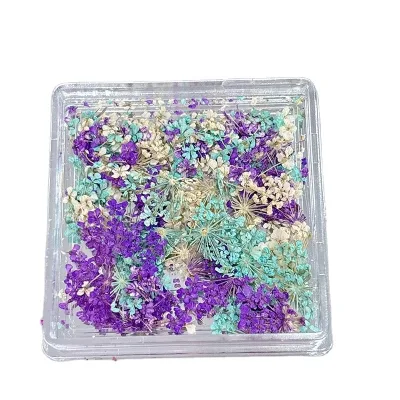
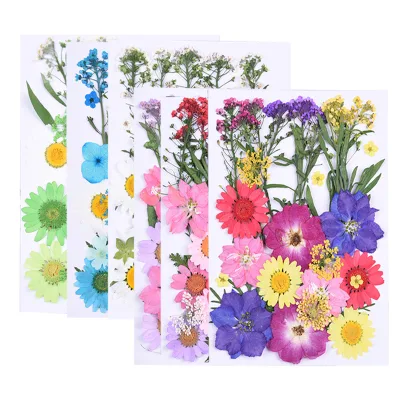
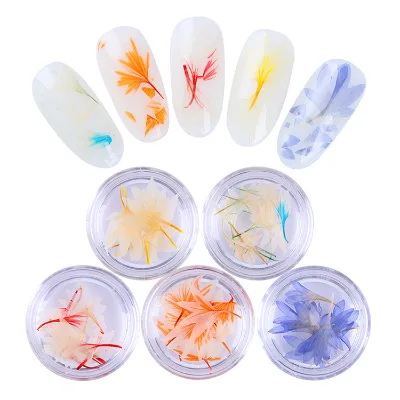
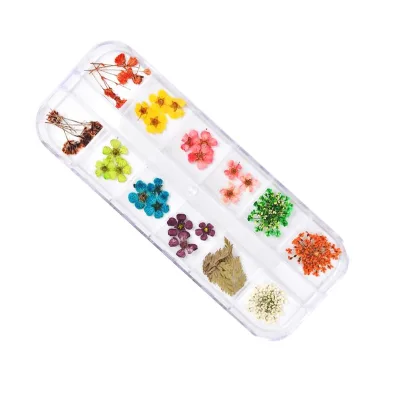

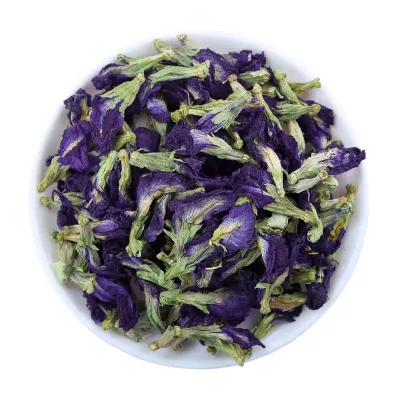


Comprehensive Sourcing Guide
Strategic Sourcing Guide for Dried Flowers in Nail and Pedicure Applications
The global demand for natural aesthetic materials has elevated the category of dried botanicals, specifically those tailored for nail art, pedicure accents, and decorative manicure applications. Sourcing "Dried Flowers For Finger Toe" requires a nuanced understanding of product specifications, supply chain logistics, and quality assurance protocols. Unlike general floral arrangements, these items serve a dual purpose: they are decorative elements that must adhere to strict dimensional constraints and safety standards for direct human contact or proximity. This guide synthesizes available market data to provide a disciplined framework for procurement professionals seeking to source high-quality dried floral components for cosmetic and decorative industries.
Technical Specifications and Product Variants
When evaluating dried flowers for nail and toe applications, the primary technical differentiator lies in the processing method and physical dimensions. The market offers a diverse range of models, each serving specific aesthetic needs. For instance, specific product lines are identified by model numbers such as 230, 75, 164, and 168, which often correlate with the size, shape, or specific botanical species used. The processing type is consistently categorized as "Dried Flowers," ensuring the material retains its structural integrity over time.
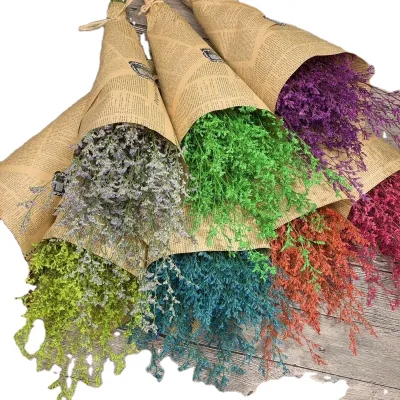
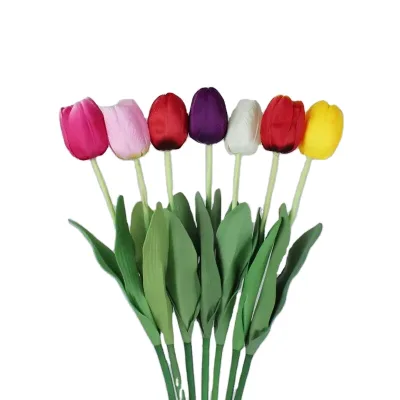
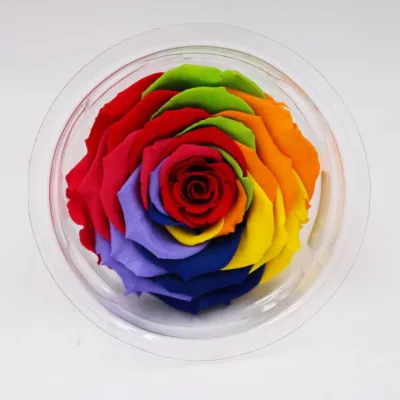
A critical specification for this category is the material composition. While many products are derived from natural botanicals, some variations utilize materials like wood for structural backing or specific embossing techniques. The "Handmade Table Decoration Pressed Flower" and "Handicraft Material Embossed Flowers" categories indicate that the flowers may undergo pressing or embossing to achieve a flat profile, which is essential for application on nail surfaces. The color palette is a significant driver of selection, with suppliers offering options ranging from "Beautiful Colorful" assortments to specific single-color selections like "25 Colors."
The packaging standard is equally vital for preservation. The prevailing packaging method involves an "OPP Bag+Carton" configuration, which protects the delicate petals from moisture and physical crushing during transit. For bulk orders, "Carton Box" packaging is standard. The shelf life of these products is a key performance indicator; documented data suggests a shelf life of 12 months when stored correctly. Storage requirements typically mandate "Dry sealing" to prevent humidity from rehydrating the flowers, which would compromise their texture and appearance.
Compliance, Safety, and Usage Verification
One of the most critical aspects of sourcing dried flowers for cosmetic applications is the verification of intended use and safety compliance. A significant portion of the market data indicates that certain dried flower products are labeled with instructions for use such as "look" or "Decoration," confirming their suitability for aesthetic applications like nail art. However, a subset of the market includes products with instructions to "eat," which are categorized as edible flowers or herbs. Procurement teams must rigorously distinguish between decorative and edible grades to ensure the final product meets safety regulations for cosmetic use.
The distinction is not merely semantic; it impacts regulatory compliance. Products intended for nail decoration must not contain toxic preservatives or heavy metals that could leach onto the skin. While specific certification names are not universally standardized across all listings, buyers must verify that the "Material Pack Mixed Dried Flower" or specific "Pressed Flower" variants comply with local cosmetic safety regulations. The "Ingredients" field for some decorative variants is listed as "no," implying a lack of added chemical preservatives, which is a favorable attribute for natural product claims.
Furthermore, the "Standard" classification varies. Some products are classified simply as "Dried Flowers," while others carry more specific designations like "Material Pack Mixed Dried Flower" or "Handmade Table Decoration Pressed Flower." Buyers should verify that the supplier's declared standard aligns with the intended application. For instance, a product labeled for "Wedding" or "Home Decoration" may not have undergone the same quality control rigor as one explicitly marketed for "Nail" applications. The presence of "Factory price dried for nails dried flowers" in product titles suggests a specialized segment, but the absence of specific certification data in general listings necessitates direct inquiry with suppliers regarding compliance with cosmetic safety standards.
Cost Drivers and Pricing Dynamics
The pricing structure for dried flowers is influenced by several variables, including the botanical species, processing complexity, and packaging requirements. The observed price range in the current market spans from $0.04 to $24.50 USD per unit or batch, reflecting the vast difference between bulk raw materials and premium, pre-arranged decorative sets. This wide variance underscores the importance of defining the exact specification before requesting a quote.
The Minimum Order Quantity (MOQ) is a primary cost driver. Data indicates an MOQ range of 1 to 1000 pieces, with specific listings showing thresholds as low as 6 or 10 pieces. For small businesses or startups, an MOQ of 10 pieces allows for low-risk market testing. However, for large-scale procurement, negotiating a lower unit price typically requires increasing the order volume to meet higher MOQ tiers. The "Selling Units" are often listed as "Single item" for retail-ready packaging, whereas bulk orders may be priced per kilogram or per carton.
Customization is a significant factor in cost modulation. The availability of "OEM/ODM" services allows buyers to request specific branding, packaging, or flower mixtures. While customization adds value, it may impact the unit cost and lead time. The "Customization: Available" attribute suggests that suppliers are flexible, but buyers should anticipate potential cost premiums for bespoke requests. Additionally, the "Shipping Way" can influence the final landed cost; for example, "Dry Rose Petals" or specific flower types may have different shipping classifications compared to heavier wooden or embossed variants.
Typical Applications and Market Segmentation
The application of dried flowers extends beyond simple decoration, serving diverse markets including the beauty industry, event planning, and home decor. In the context of the core keyword "Dried Flowers For Finger Toe," the primary application is nail art and pedicure decoration. These flowers are used to create intricate designs, adding a natural, organic aesthetic to manicures. The "Function" of some variants is listed as "Tranquilizing," suggesting a secondary benefit in spa environments where the visual and olfactory presence of flowers enhances relaxation.
Beyond the beauty industry, these products are widely used in "Home Decoration," "Garden," and "Festival" settings. The "Occasion" data highlights "Outdoor and Indoor Decoration" as well as "Wedding" events. This versatility allows buyers to diversify their product lines. For example, a supplier offering "Dried Flowers" with a "Style" of "Dried Flowers" can serve both the nail art market and the event planning sector. The "Usage" field explicitly lists "Home Decoration" and "Garden," indicating that the same supply chain can support multiple verticals.
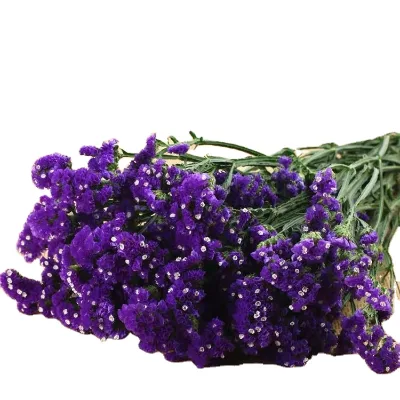
The "Style" of the flowers, described as "Beautiful Colorful" or specific species like "forget me not," dictates their market fit. Specific models like "164" (Handmade Table Decoration Pressed Flower) are tailored for table settings, while others like "168" (Handicraft Material Embossed Flowers) are suited for craft projects. Understanding these segmentation nuances helps buyers align their procurement strategy with their target customer base.
Supplier Evaluation and Origin Verification
Selecting the right supplier requires a thorough evaluation of their location, manufacturing capabilities, and reliability. The primary origin for these products is identified as "Yunnan, China," a region renowned for its diverse flora and long history of flower cultivation. Another significant origin point is "Jilin, China," which may specialize in specific agricultural products. The presence of "Changchun Jinzi Agricultural Products Co., Ltd" as a manufacturer in the data highlights the existence of established agricultural entities in the supply chain.
When evaluating suppliers, buyers should verify the "Address" and "Place of Origin" to ensure consistency with the claimed quality. Suppliers from Yunnan often have access to a wider variety of native flowers, which can result in higher quality and more unique color profiles. The "Manufacturer" field provides a point of contact for direct verification of production capabilities. Buyers should also assess the supplier's ability to handle "OEM/ODM" requests, as this indicates a level of flexibility and technical competence.
The "Delivery Time" is another critical metric for supplier evaluation. The observed range is between 5-7 days and 7-15 days. Shorter lead times are advantageous for urgent orders or just-in-time inventory management, while longer lead times may be associated with custom orders or seasonal availability. The availability of "Sample" products is a crucial indicator of supplier confidence; buyers should always request samples to verify the quality of the "Dried Flowers" before committing to a bulk order.
Quality Control and Long-Term Procurement Considerations
Maintaining consistent quality is paramount in the dried flower industry. The "Durability" of the product is a key attribute, with "Long-lasting" being a standard expectation. However, the actual longevity depends heavily on storage conditions. Buyers must ensure that the "Storage Type" is strictly "Dry sealing" to prevent moisture damage. The "Shelf Life" of 12 months is a benchmark, but actual performance may vary based on the specific flower type and packaging integrity.
For long-term procurement, establishing a relationship with a supplier that offers "Customization" and "OEM/ODM" services is beneficial. This allows for brand differentiation and the ability to adapt to market trends. The "Product Name" variations, such as "Factory price dried for nails" or "price lavender dried wholesale," suggest that suppliers are responsive to specific market demands. Buyers should monitor these trends to ensure their inventory remains relevant.
Quality control protocols should include visual inspection of the "Color" and "Style" consistency. The "25 Colors" option implies a broad spectrum, but buyers must verify that the color distribution matches their requirements. Additionally, the "Instruction for use" must be clearly communicated to end-users to prevent misuse, particularly distinguishing between decorative and edible varieties. Regular audits of the supplier's "Packing" methods, such as the "OPP Bag+Carton" standard, are essential to ensure that products arrive in pristine condition.
In conclusion, sourcing dried flowers for finger and toe applications requires a balanced approach that considers technical specifications, safety compliance, cost dynamics, and supplier reliability. By leveraging the available data on models, origins, and processing methods, buyers can make informed decisions that align with their strategic objectives. The market offers a rich variety of options, from simple pressed flowers to complex embossed designs, providing ample opportunity for innovation and growth in the decorative and beauty sectors.
FAQs
How long does delivery take for Dried Flowers For Finger Toe orders?
Delivery typically takes between 5 to 15 days depending on the specific supplier and order volume. Most listings indicate a standard lead time of 5-7 days for smaller batches, while larger or customized orders may require 7-15 days to complete production and shipping from the origin.
What is the minimum order quantity for Dried Flowers For Finger Toe?
The minimum order quantity varies significantly, ranging from as low as 1 piece to 1000 pieces depending on the vendor. Specific listings show thresholds of 6 or 10 pieces, allowing small businesses to test the market with low-risk orders before committing to bulk purchases.
Can I customize Dried Flowers For Finger Toe with my own branding?
Yes, customization is available for most suppliers offering these products. Buyers can request OEM or ODM services to modify packaging, flower mixtures, or branding, though this may impact the unit cost and potentially extend the lead time compared to standard stock items.
Where are the primary manufacturers of Dried Flowers For Finger Toe located?
The primary production origins are located in Yunnan and Jilin, China. Yunnan is renowned for diverse flora, while Jilin hosts specific agricultural entities like Changchun Jinzi Agricultural Products Co., Ltd, ensuring access to high-quality botanical materials for decorative and cosmetic applications.
How should Dried Flowers For Finger Toe be stored to maintain quality?
Products must be stored in dry sealed conditions to prevent moisture damage and rehydration. The typical shelf life is 12 months when kept in a dry environment, and packaging usually involves OPP bags within cartons to protect the delicate petals during transit and storage.
What specifications are available for Dried Flowers For Finger Toe models?
Available specifications include various model numbers such as 230, 75, 164, and 168, which often denote specific sizes or processing types. Styles range from pressed flowers to embossed varieties, with options for 25 different colors and materials like wood or natural botanicals.
Are Dried Flowers For Finger Toe safe for cosmetic applications?
Safety depends on the specific product classification, as some are labeled for decoration while others are marked for consumption. Buyers must verify that decorative variants intended for nail art are free from toxic preservatives and clearly distinguish them from edible flower grades to ensure compliance with cosmetic safety standards.