Source Dual Action Foam Car Shampoo for Wash, Polish, and Shine
Find and compare 30 Dual Action Foam Car Shampoo options from verified suppliers. Buyers can review specifications like pH levels, packaging types, and customization services to select the right product for vehicle cleaning needs.
Key considerations
Products List


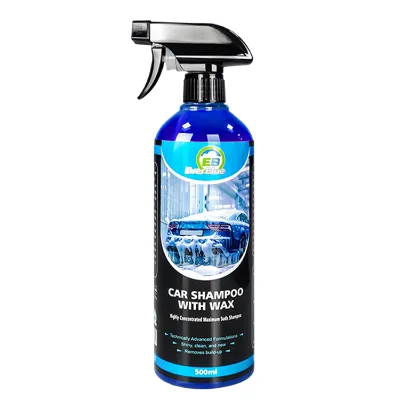
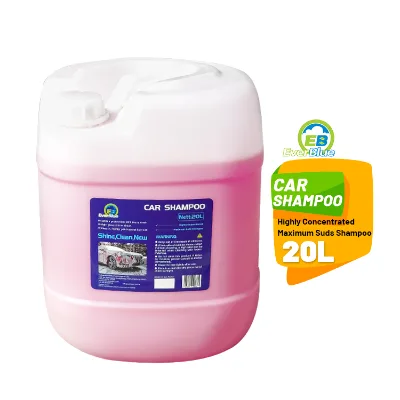
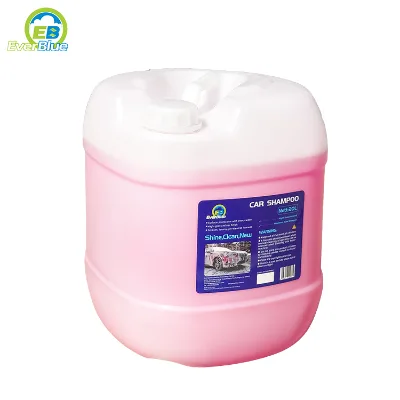
Rich Thick Foam Car Shampoo 1:200 Concentrated Formula 20L Car Wash Shampoo for Sale
$10.60 - $11.01
MOQ: 100 barrels
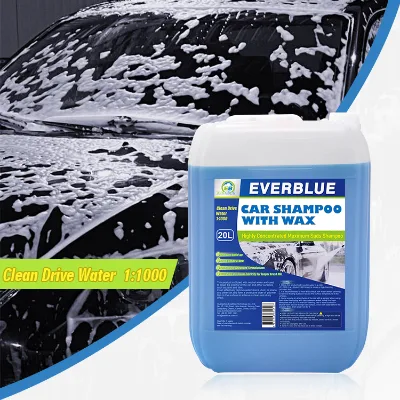
Factory Sale 20L Car Cleaning Shampoo for Car OEM/ODM Automotive Cleaner.
$18.00 - $19.80
MOQ: 100 barrels
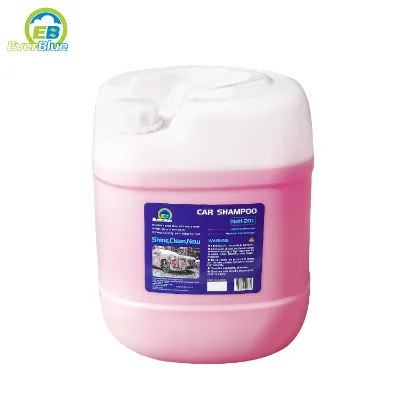
Snow Foam Car Wash Shampoo 20L Concentrated 1:200 Custom Logo Car Detailing
$10.19 - $11.01
MOQ: 50 barrels


Comprehensive Sourcing Guide
Dual Action Foam Car Shampoo Sourcing Guide
Sourcing Dual Action Foam Car Shampoo requires a nuanced understanding of the intersection between cleaning efficacy and paint protection. This product category is defined by its ability to lift dirt through foam action while simultaneously depositing a protective layer of wax or gloss enhancer onto the vehicle’s surface. Buyers must distinguish between products that rely on traditional aerosol propellants and those that utilize pump-spray mechanisms, as this distinction significantly impacts shipping logistics, regulatory compliance, and end-user experience. The market offers a variety of formulations, ranging from neutral pH cleaners to base-heavy industrial-grade solutions, each serving different segments of the automotive care industry.
The procurement landscape for these items is characterized by a wide range of customization options and packaging formats. Suppliers frequently offer OEM and ODM services, allowing brands to tailor scent profiles, viscosity, and active ingredient concentrations to specific market demands. Packaging ranges from standard plastic bottles to complex aerosol cans, with carton configurations varying from small retail packs to bulk wholesale quantities. Understanding these variables is critical for aligning product selection with distribution channels, whether targeting direct-to-consumer e-commerce platforms or commercial fleet maintenance services.
Product Scope and Observed Listing Signals
The observed product listings reveal a diverse array of formulations and packaging types that define the current market scope. Products are identified by specific model numbers such as APK-8325, BSJ-23403, and FX-707, indicating distinct manufacturing lines or formulation batches. The physical condition of these products is consistently liquid, with capacities ranging from 500ml to 1000ml, and specific regular sizes like 1000ml being common. Some listings highlight specialized attributes, such as "Aeropiez Wax Type" described as silicon grease protective wax, suggesting a focus on high-gloss finishes and surface protection rather than simple cleaning.
Packaging and branding signals provide further insight into the target market for these products. Many items are marketed under generic or customizable brand names, with "Aeropak" appearing as a specific brand identifier in some contexts. The product names often emphasize versatility, using terms like "Home All-Purpose," "Kitchen & Bathroom," and "Commercial Foam Cleaner," which suggests a multi-surface capability beyond just automotive use. However, specific attributes like "Car Care Product" and "Lustre Adding Car Cleaning Chemical" reinforce the primary automotive application. Buyers should note that while some products are labeled as "Safe and Eco-Friendly," this is an attribute observation that requires independent verification of ingredient safety and environmental impact.
Technical Specifications to Verify
Technical verification begins with the chemical properties of the shampoo, particularly its pH level, which dictates compatibility with various vehicle surfaces. Listings indicate a split in formulation types, with some products specified as having a "Base" pH and others noted as "Neutral." Neutral pH formulas are generally preferred for regular car washing as they are less likely to strip existing wax coatings or damage sensitive clear coats, whereas base-heavy formulas may be more suitable for heavy-duty degreasing or industrial applications. Buyers must confirm the exact pH value for any specific SKU to ensure it aligns with their brand’s positioning and customer expectations.
Packaging specifications and physical dimensions are equally critical for logistics and shelf-life management. The observed data includes detailed weight metrics, such as a net weight of 550g and gross weight of 665g for aerosol cans, and a net weight of 490g with a gross weight of 540g for other variants. Bottle types vary between aerosol cans and plastic bottles, with specific dimensions like 6.2*20.5cm noted for plastic options. Carton sizes, such as 346X262X235 mm, and packing configurations like 6PCS/Carton or 12PCS/CTN, directly impact storage efficiency and shipping costs. Additionally, shelf life is a key technical parameter, with some products explicitly stating a 3-year shelf life, which influences inventory turnover strategies.
Compliance and Safety Documentation
Compliance with international standards is a non-negotiable aspect of sourcing automotive chemicals. The observed listings mention certifications such as Reach, RoHS, and SGS, which are critical for market access in regions like the European Union and other stringent regulatory environments. Reach compliance ensures that the chemical substances used in the shampoo are registered and evaluated, while RoHS compliance restricts the use of hazardous materials. Buyers must request valid, up-to-date certification documents for each product variant, as these certifications are often tied to specific formulations and may not apply to the entire product range offered by a supplier.
Safety data sheets (SDS) and ingredient transparency are essential for risk management and consumer trust. While some products are marketed as "Safe and Eco-Friendly," this claim must be substantiated by detailed SDS documentation that outlines handling, storage, and disposal instructions. The presence of "Silicon Grease Protective Wax" or similar glossing agents requires careful review to ensure they do not contain restricted substances. Furthermore, the "Expiration Date" attribute, though oddly labeled as "Car Care & Wash" in some contexts, highlights the need for clear dating protocols. Buyers should verify that expiration dates are printed clearly on packaging and that the product remains stable throughout its stated shelf life, especially for aerosol formulations which can be sensitive to temperature fluctuations.
Cost Drivers and Commercial Terms
Cost structures for Dual Action Foam Car Shampoo are influenced by several key factors, including packaging type, customization level, and order volume. Aerosol cans generally incur higher production and shipping costs due to the complexity of the can manufacturing and the hazardous material classification of propellants. In contrast, plastic bottle formulations may offer lower unit costs but require different filling and sealing equipment. Customization services, such as private labeling or unique scent development, typically add to the base price, making it essential for buyers to balance brand differentiation needs with margin targets.
Minimum Order Quantities (MOQ) and pricing tiers vary significantly across suppliers. The observed MOQ range spans from 12 units to 7500 units, reflecting the flexibility of some suppliers to accommodate small batch orders alongside large-scale industrial contracts. Pricing is observed within a range of $0.36 to $19.8 USD, a wide spectrum that likely corresponds to differences in formulation quality, packaging sophistication, and order volume. Buyers should negotiate tiered pricing structures that reward larger commitments while ensuring that smaller initial orders are priced fairly to allow for market testing. Additionally, payment terms and lead times should be clarified, as these can impact cash flow and inventory planning.
Supplier Qualification and Quality Control
Supplier qualification requires a thorough assessment of manufacturing capabilities and quality assurance processes. Given that the products originate from Guangdong, China, buyers should verify the supplier’s production capacity and consistency. The mention of "High" quality as an attribute is a self-reported claim that must be validated through sample testing and, if possible, factory audits. Suppliers offering OEM/ODM services should demonstrate robust R&D capabilities and the ability to replicate specific formulations accurately. It is also important to assess their experience with international shipping and their ability to handle the regulatory requirements of the destination market.
Quality control measures should be explicitly defined in the purchase agreement. This includes pre-shipment inspections to verify product weight, fill levels, and packaging integrity. For aerosol products, pressure testing and leak checks are crucial to prevent shipping hazards and customer complaints. Buyers should establish clear acceptance criteria for visual defects, such as label alignment and can denting, as well as functional tests, such as spray pattern consistency and foam density. Regular quality audits and the establishment of a clear process for handling non-conforming products are essential for maintaining brand reputation and minimizing supply chain disruptions.
Long-Term Procurement Checks
Long-term procurement success depends on continuous monitoring of product performance and market trends. Buyers should establish a feedback loop with end-users to assess the cleaning efficacy, gloss retention, and ease of use of the dual action foam shampoo. This feedback can inform future formulation adjustments and help identify potential issues before they escalate into widespread complaints. Additionally, staying informed about regulatory changes, such as updates to Reach or RoHS directives, is vital to ensure ongoing compliance. Suppliers must be required to notify buyers of any changes in ingredients or manufacturing processes that could affect product safety or performance.
Sustainability and innovation are becoming increasingly important factors in the automotive care market. Buyers should evaluate suppliers’ commitment to eco-friendly practices, such as the use of biodegradable ingredients or recyclable packaging materials. The trend towards "Eco-Friendly" products suggests a growing consumer demand for environmentally responsible solutions. By prioritizing suppliers who invest in sustainable innovation, buyers can future-proof their product offerings and appeal to a broader, more conscious consumer base. Regularly reviewing supplier performance against key metrics, such as on-time delivery, quality consistency, and responsiveness, will help maintain a resilient and competitive supply chain.
FAQs
What certifications do the car cleaning chemicals have?
The products hold Reach, RoHS, and SGS certifications. These standards ensure safety and compliance for industrial and commercial use across various cleaning applications.
Can I request custom packaging for bulk orders?
Customization is available for packaging and branding. Buyers can specify carton sizes like 346x262x235 mm or adjust packing quantities to 6 or 12 pieces per carton.
What is the minimum order quantity for foam cleaners?
The minimum order quantity ranges from 12 to 7500 pieces depending on the specific product model. Some aerosol cans require 7500 pieces while others start at 12.
Which bottle types are available for these cleaners?
Available bottle types include aerosol cans and plastic bottles. Specific models feature dimensions like 6.2 by 20.5 cm or standard 1000 ml capacities for different usage needs.
How long is the shelf life of the foam shampoo?
The shelf life is three years for the foam products. This duration ensures stability for storage and distribution before the expiration date marked as car care and wash.
What is the pH level of the cleaning chemicals?
The cleaning chemicals come in both base and neutral pH formulations. This variety allows selection based on specific surface requirements for glossing, polishing, or general surface cleaning.
Where are these car care products manufactured?
Products originate from Guangdong, China. This location supports the manufacturing of various car care items including foam shampoos and protective waxes with high quality standards.