Source Dual Voltage 2L Mini Fridge for Hotel, Household, and Beverage
Compare 30 Dual Voltage 2L Mini Fridge options from verified suppliers. These units support multiple voltage inputs and are suitable for hotel, household, and beverage storage applications with portable designs; compare the available evidence and request quotations based on your requirements.
Updated
Key considerations
Products List
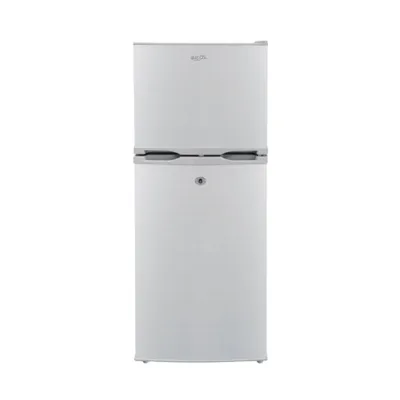


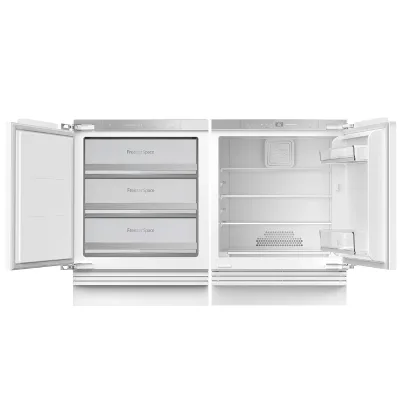
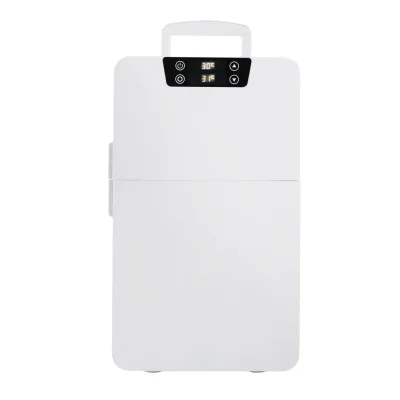
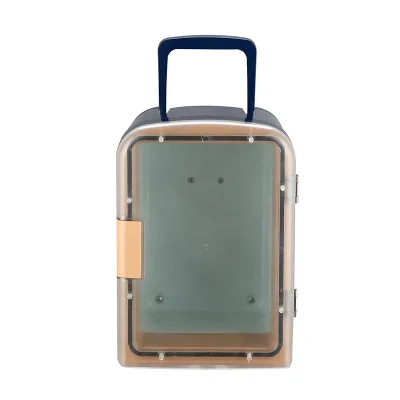
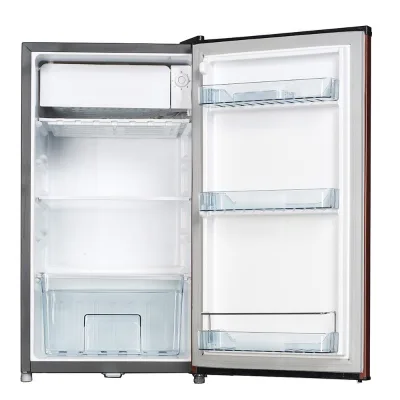
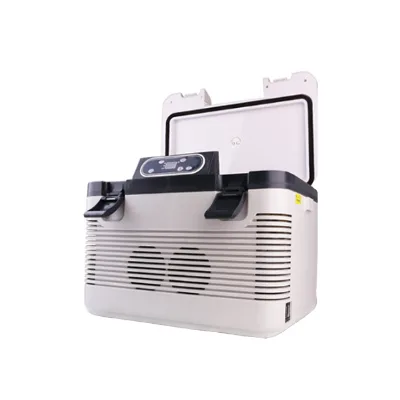
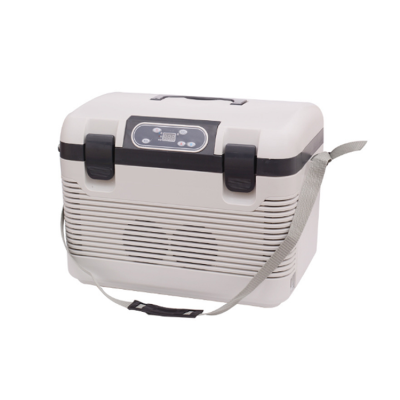
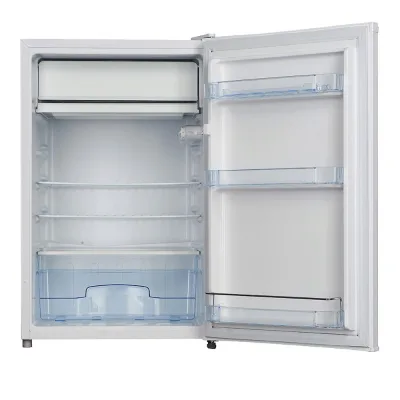
Hot Sale 6l 110v 220v Mini Fridge 6 Liter Mini Fridge 6 Cans Mini Fridge
$22.7938 - $26.7976
MOQ: 200 pieces


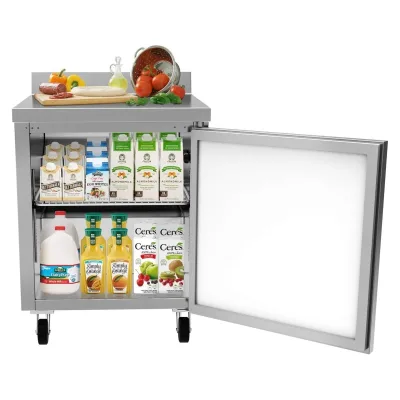
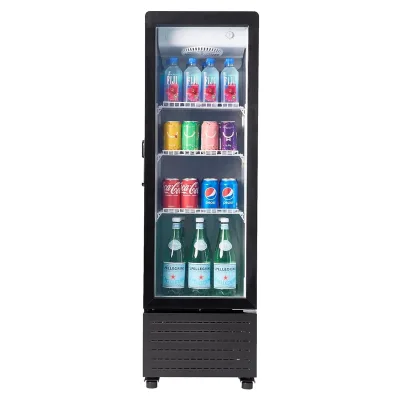
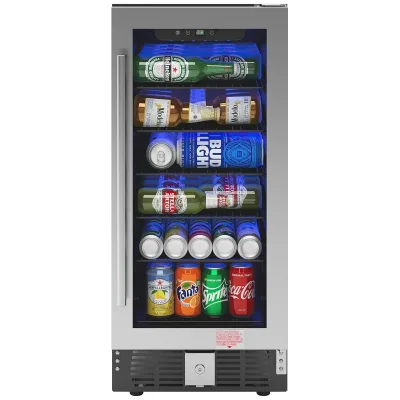

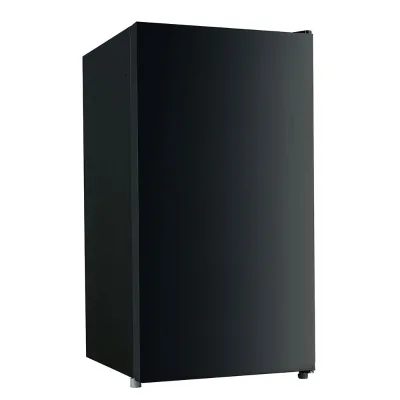
Comprehensive Sourcing Guide
Dual Voltage 2L Mini Fridge Sourcing Guide
Sourcing a Dual Voltage 2L Mini Fridge requires careful attention to power flexibility and compact design. These units are ideal for mobile or space-constrained environments where standard household outlets are unavailable. Buyers must verify that the device supports multiple voltage inputs, such as 12v, 24v, 110v, or 220v, to ensure compatibility with various power sources including battery, electric, or solar systems. This versatility is critical for applications in vehicles, boats, or remote locations.
The small form factor makes these fridges suitable for personal use in hotels, households, or offices. However, the 2-liter capacity is quite limited, often serving as a beverage cooler rather than a primary storage unit. Procurement teams should confirm if the dual voltage feature is integrated into a compressor-based system or a thermoelectric model, as this affects cooling efficiency and noise levels. Understanding the specific power requirements helps in selecting the right unit for the intended operational environment.
Product Scope and Observed Listing Signals
Market listings for mini fridges often display a wide range of capacities and features. While the core keyword specifies a 2-liter unit, observed data shows capacities ranging from 38L to 700L, with some listings indicating 100-149L ranges. Buyers must distinguish between true 2L models and larger units that may be mislabeled or offer variable compartments. The presence of dual voltage support is a key differentiator, with observed voltage options including 12v, 24v, 110v, and 220v, catering to diverse global markets.
Color and material options also vary significantly in the market. Observed colors include white, black, gray, and silver, while materials range from coated steel to stainless steel. These aesthetic and structural choices impact durability and integration into existing decor. Additionally, features like manual defrost, direct cooling systems, and specific temperature ranges (e.g., -5 to 22°C) are common. Buyers should cross-reference these observed attributes with their specific needs to avoid purchasing units with unnecessary features or insufficient cooling performance.
Technical Specifications to Verify
Verifying technical specifications is crucial for ensuring the mini fridge meets operational requirements. Key parameters include the cooling system type, which is often direct cooling using a compressor, and the refrigerant used, such as R600A. The temperature range should be confirmed, with observed ranges spanning from -5 to 22°C or 4ºC to 22ºC. Buyers must also check the climate type, such as T or N-T, to ensure the unit operates efficiently in the intended environmental conditions.
Power consumption and weight are also important technical details. Observed power ratings include 90W, and net weights range from 22kgs to 57.5kgs, depending on the model and capacity. Dimensions should be verified to ensure the unit fits the designated space, with observed sizes varying from compact 38L models to larger 180L units. Additionally, the plug type, such as AU, and the presence of features like over-temperature alarms should be confirmed to ensure safety and ease of use in the target market.
Compliance and Safety Documentation
Compliance with international standards is essential for importing and selling mini fridges. Buyers should verify that the units hold relevant certifications, such as CE, RoHS, ISO, and CB, which indicate adherence to safety and environmental regulations. These certifications are critical for market access in regions like Europe and North America. Documentation should be requested from suppliers to confirm that the products have undergone necessary testing and meet local regulatory requirements.
Safety features, such as over-temperature alarms, add value by preventing spoilage and ensuring user safety. Buyers should also check for energy efficiency ratings, with observed ratings including Grade 3, to assess long-term operational costs. Additionally, the presence of free spare parts as an after-sales service can reduce maintenance costs and downtime. Ensuring that all compliance documents are up-to-date and valid is a critical step in mitigating legal and operational risks.
Cost Drivers and Commercial Terms
Cost drivers for dual voltage mini fridges include material quality, power system complexity, and certification status. Stainless steel models and units with advanced cooling systems typically command higher prices. Observed price ranges vary widely, from $22.79 to $1500.94, reflecting differences in capacity, features, and brand reputation. Buyers should request detailed quotations that break down costs for materials, manufacturing, and compliance to understand the value proposition.
Commercial terms such as MOQ, lead time, and payment terms also impact the total cost of ownership. Observed MOQs range from 1 to 750 units, offering flexibility for small and large orders. Lead times can vary based on production capacity and customization requirements. Buyers should negotiate favorable terms, such as free spare parts or extended warranties, to enhance the overall value. Clear communication of these terms ensures transparency and helps in budgeting accurately.
Supplier Qualification and Quality Control
Supplier qualification is vital for ensuring consistent product quality and reliable supply. Buyers should assess suppliers based on their production capabilities, quality control processes, and after-sales service. Suppliers offering free spare parts and customization options demonstrate a commitment to customer satisfaction. It is also important to verify the supplier’s location, with observed origins including Zhejiang and Shanghai in China, to assess logistics and shipping costs.
Quality control measures, such as pre-shipment inspections and testing for voltage compatibility, should be mandated. Buyers should request samples to evaluate build quality, cooling performance, and noise levels. Additionally, verifying the supplier’s certifications and compliance with international standards ensures that the products meet safety and environmental requirements. Establishing a strong relationship with a qualified supplier helps in maintaining consistent quality and addressing any issues promptly.
Long-Term Procurement Checks
Long-term procurement checks involve monitoring supplier performance and product reliability over time. Buyers should track metrics such as defect rates, delivery times, and customer feedback to assess supplier reliability. Regular audits of the supplier’s quality control processes can help identify and address potential issues before they impact the supply chain. Additionally, staying updated on regulatory changes ensures continued compliance and market access.
Feedback from end-users is crucial for identifying areas for improvement in product design and functionality. Buyers should encourage users to report any issues related to voltage compatibility, cooling performance, or durability. This feedback can be used to refine specifications and select better suppliers in the future. By maintaining a proactive approach to procurement, buyers can ensure a steady supply of high-quality dual voltage mini fridges that meet their operational needs.
FAQs
Can this mini fridge operate on dual voltage?
Yes, the unit supports multiple voltage inputs including 12V, 24V, 110V, and 220V. This flexibility allows operation via electricity, battery, or solar power sources. It is designed for versatile use in hotels and households, ensuring reliable cooling performance regardless of the local power infrastructure or available energy type.
What is the cooling capacity of this fridge?
The refrigerator offers a total capacity ranging from 38L to 700L, with specific models available at 50L, 228L, and 278L. It features a 40L freezer compartment and a 78L fridge section in certain configurations. This variety suits different storage needs for milk, beer, or beverages in portable settings.
What certifications does the product hold?
The product holds CE, RoHS, ISO, and CB certifications. These standards ensure compliance with international safety and environmental regulations. The unit is manufactured in Zhejiang, China, and utilizes coated steel or stainless steel materials, providing durable construction for commercial and residential applications with free spare parts support.
How is the temperature controlled in this unit?
The unit features manual defrost and a direct cooling system with a compressor. The temperature range typically spans from -5°C to 22°C or 4°C to 22°C depending on the model. It uses R600A refrigerant and maintains a Grade 3 energy efficiency rating, suitable for stable climate type T or N-T environments.
What are the dimensions and weight of the fridge?
Dimensions vary by model, with standard sizes like 515x430x495mm or 865x750x600mm. Net weights range from 22kg to 57.5kg. The product is portable and packed in carton packages. Specific dimensions like 450x475x1115 inches are also listed for larger units, ensuring fit for various hotel or household spaces.
Is customization available for this mini fridge?
Customization is available for this product line. Buyers can select from various door configurations, including one, two, or three doors. Color options include white, black, gray, and silver. The KLG brand offers these tailored solutions to meet specific branding or functional requirements for commercial beverage storage or household use.