Source Portable Manual Defrost Mini Fridge for Hotel, Car, Outdoor
Source a Portable Manual Defrost Mini Fridge from 30 verified listings. Compare options featuring single or double doors, LED lighting, and various power sources including AC and DC. Evaluate specifications like capacity, energy class, and certifications to find the right unit for hotel, car, or outdoor use.
Updated
Key considerations
Products List


$100.00 - $200.00
MOQ: 74 Pieces


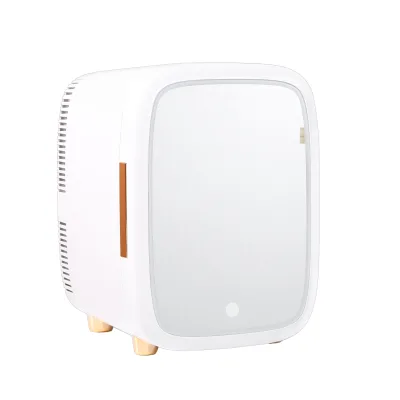
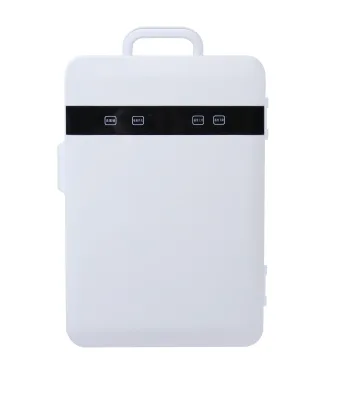
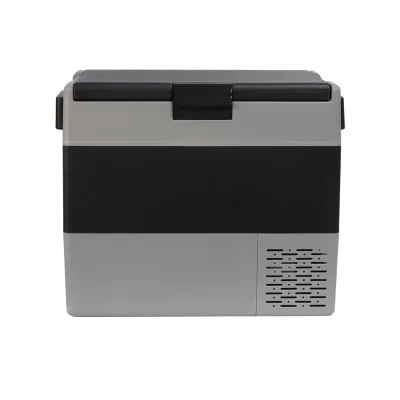


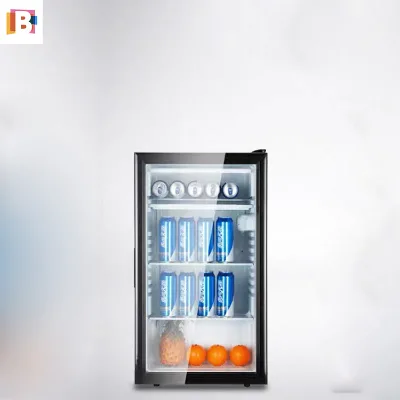
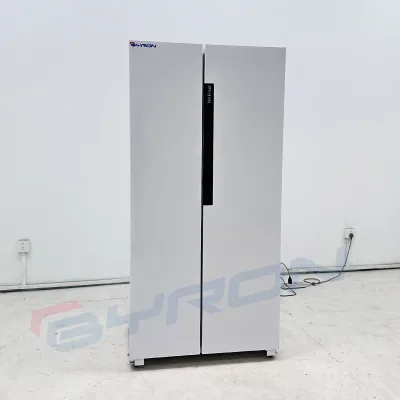
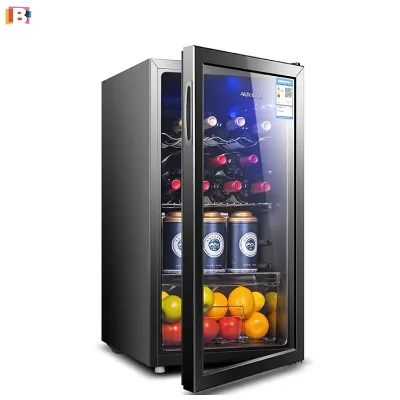


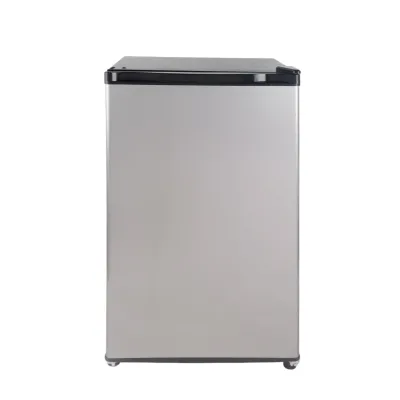
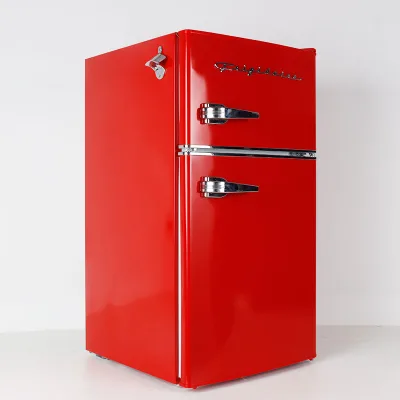
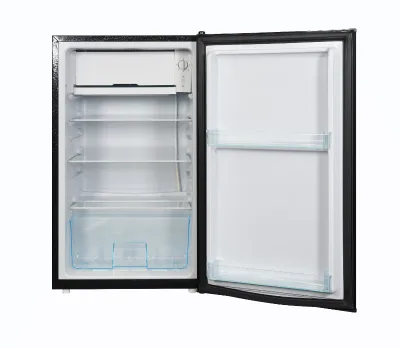
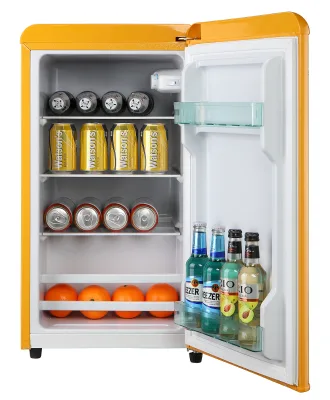
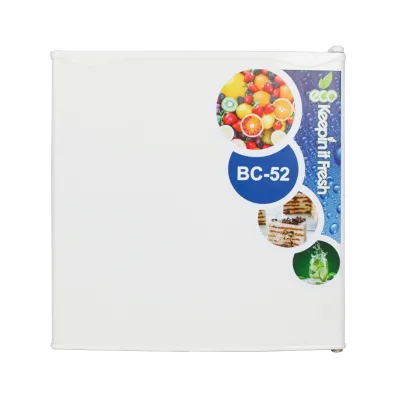
Mini Single Door Fridge, Energy Saving, Ideal for South American Households
$60.214 - $61.2522
MOQ: 300 pieces

Comprehensive Sourcing Guide
Portable Manual Defrost Mini Fridge Sourcing Guide
Sourcing portable manual defrost mini fridges requires a clear understanding of the distinct operational profiles available in the current market. Buyers must distinguish between compact, free-standing units designed for stationary use and mini, portable models intended for mobile or temporary applications. The observed product landscape includes variations in door configuration, with some units featuring single doors while others offer double-door access for enhanced utility. Understanding these physical distinctions is critical for aligning procurement with specific end-user environments, whether that be a hotel room, a vehicle interior, or a household setting.
The decision to select a manual defrost system over an automatic one often hinges on energy efficiency, cost constraints, and maintenance preferences. Manual defrost models typically offer simpler mechanical designs, which can translate to lower initial costs and potentially longer compressor lifespans due to reduced complexity. However, this simplicity requires user intervention to remove ice buildup, a factor that must be weighed against the convenience of auto-defrost features. Procurement teams should evaluate the operational context to determine if the labor required for manual defrosting is acceptable for the intended deployment scale and user demographic.
Product Scope and Observed Listing Signals
The current market presents a diverse array of portable and compact refrigeration units, with observed listings indicating a wide price range from ten to two hundred forty-nine US dollars. This variance reflects differences in capacity, material quality, and feature sets, such as the inclusion of LED lighting or specific compressor placements. Buyers should note that while many units are described as compact or mini, their actual dimensions and capacities vary significantly, with some models exceeding three hundred liters and others designed for tight spaces with outer sizes around twenty-six by eighteen by twenty-four centimeters.
Listing signals also reveal a mix of power sources and voltage requirements, ranging from standard AC 110/220V at 50Hz/60Hz to DC 12V/AC 220V configurations suitable for automotive or outdoor use. The presence of adjustable legs, optional colors, and various door types further complicates the selection process. Procurement specialists must carefully cross-reference these listed attributes with their specific technical requirements, as not every product satisfies every attribute. For instance, while some units are free-standing, others are explicitly marketed as mini or portable, requiring distinct installation and logistical considerations during the sourcing phase.
Technical Specifications to Verify
When evaluating technical specifications, buyers must prioritize the verification of temperature control capabilities and defrost mechanisms. Observed data indicates that manual defrost models are prevalent in the compact segment, while auto-defrost options exist in larger or more advanced units. It is essential to confirm the temperature type, whether single-temperature or double-temperature, as this directly impacts the unit’s ability to store diverse products. Additionally, the cooling performance should be verified, with some models offering cooling that is approximately fifteen to twenty-five degrees Celsius lower than the ambient environment, a critical metric for ensuring product integrity in warm climates.
Compressor placement and refrigerant type are also key technical factors that influence efficiency and environmental compliance. Many observed units utilize an inside-mounted compressor and R600A refrigerant, which is known for its low global warming potential. Buyers should verify the foam blowing agent, with C5H10 being a noted option, to ensure alignment with sustainability goals. Furthermore, the physical dimensions, such as the standard size of five hundred eighty by seven hundred forty by nine hundred fifty millimeters for certain free-standing models, must be checked against available space constraints to prevent logistical issues during delivery and installation.
Compliance and Safety Documentation
Compliance documentation is a non-negotiable aspect of sourcing, with CE certification appearing frequently across the observed product range. Buyers must ensure that each supplier provides valid CE certificates, and in some cases, additional certifications such as CB, RoHS, EMC, ETL, ISO, CCC, and GS are available. These certifications indicate adherence to specific regional safety and environmental standards, which is crucial for market access in Europe, North America, and other regulated jurisdictions. Procurement teams should request copies of these certificates and verify their authenticity with the issuing bodies to mitigate compliance risks.
Beyond certifications, buyers should inquire about adherence to broader regulatory frameworks such as REACH, which governs the use of hazardous substances in products. While not explicitly listed for every item, the presence of RoHS certification often correlates with compliance with similar restrictive substance directives. It is advisable to include clauses in purchase agreements that require suppliers to maintain current compliance status and notify buyers of any regulatory changes. This proactive approach helps avoid customs delays and potential legal liabilities associated with non-compliant electrical and electronic equipment.
Cost Drivers and Commercial Terms
Cost drivers for portable manual defrost mini fridges include material composition, packaging type, and order volume. Stainless steel and plastic are common materials, with stainless steel typically commanding a higher price due to durability and aesthetic appeal. Packaging also varies, with carton and brown box options observed, which can impact shipping costs and product protection during transit. Buyers should negotiate based on the total landed cost, considering not just the unit price but also freight, insurance, and handling fees, especially when sourcing from origins like Shandong, China.
Commercial terms such as MOQ and warranty periods are critical negotiation points. Observed MOQs range from one to one thousand units, offering flexibility for both small-scale testers and large-volume buyers. Warranty terms, such as the one-year warranty observed in some listings, provide a baseline for after-sales support. Buyers should clarify the scope of the warranty, including coverage for compressors and parts, and determine the process for claims. Additionally, customization availability should be leveraged to tailor products to specific brand or functional requirements, potentially justifying higher MOQs or prices for exclusive designs.
Supplier Qualification and Quality Control
Supplier qualification begins with verifying the manufacturer’s location and production capabilities. With many products originating from China, particularly Shandong, buyers should conduct on-site audits or request third-party inspection reports to assess manufacturing standards. Quality control processes should include pre-production samples, in-line inspections, and final random inspections before shipment. Buyers must ensure that suppliers have robust QC protocols to detect defects in welding, insulation, and electrical components, which are common failure points in refrigeration units.
Establishing clear quality benchmarks is essential for maintaining consistency across orders. Buyers should define acceptable tolerances for dimensions, temperature performance, and cosmetic defects. It is also important to verify the supplier’s ability to handle customization requests, such as color changes or logo printing, without compromising quality. Regular communication and periodic supplier performance reviews help maintain high standards. Buyers should also consider the supplier’s responsiveness to issues and their capacity to scale production, ensuring they can meet demand fluctuations without sacrificing quality or delivery timelines.
Long-Term Procurement Checks
Long-term procurement success depends on continuous monitoring of product performance and supplier reliability. Buyers should implement a feedback loop from end-users to identify recurring issues, such as defrost difficulties or temperature inconsistencies. This data can inform future purchasing decisions and negotiations with suppliers. Additionally, staying informed about evolving regulations and technology trends ensures that sourced products remain compliant and competitive. Regularly reviewing supplier certifications and quality reports helps maintain a high standard of procurement.
Building a resilient supply chain involves diversifying suppliers and maintaining strong relationships with key partners. Buyers should avoid over-reliance on a single source and periodically benchmark prices and terms against the market. Long-term contracts can provide stability but should include flexibility clauses to accommodate changes in demand or product specifications. By focusing on continuous improvement and strategic partnership development, buyers can secure a reliable supply of portable manual defrost mini fridges that meet their operational and financial objectives over time.
FAQs
What certifications do these mini fridges have?
These units carry CE and CB certifications as standard. Some models also include RoHS, EMC, ETL, ISO, CCC, and GS marks. Buyers should verify specific certification lists for each supplier to ensure compliance with local regulations before placing orders.
Can I customize the color of the portable fridge?
Yes, customization is available for the color of these units. While white is a common option, buyers can request specific colors to match their branding or design needs. This flexibility allows for tailored solutions without compromising the core functionality of the appliance.
How is the defrost type managed in these models?
Most compact units feature manual defrost systems for simplicity and reliability. However, some larger or specialized models offer auto defrost capabilities. Buyers must check the specific product type to confirm whether manual or automatic defrost is included in their selected configuration.
What is the typical installation method for these fridges?
Installation is typically free-standing, allowing for flexible placement in various environments. Some portable models are designed for mini or portable use cases. Adjustable legs are often included to ensure stability on uneven surfaces, making setup straightforward for commercial or household applications.
Which power sources support these portable cooling units?
These units operate on electricity with supply power options of 110/220V at 50Hz or 60Hz. Certain portable models also support DC12V or AC220V inputs for versatile use in vehicles or outdoor settings. Always verify voltage compatibility with your local power grid before purchasing.
What materials are used for the exterior construction?
Exterior materials vary, with stainless steel and plastic options available depending on the model. Stainless steel provides durability for commercial settings, while plastic offers lightweight portability. Buyers should select the material that best suits their intended application environment and usage frequency.
How does the cooling performance compare to ambient temperature?
Cooling performance typically lowers the internal temperature by about 15 to 25 degrees Celsius below the environment. Specific models may achieve different ranges, so buyers should review the technical specifications for precise cooling capabilities. This ensures the unit meets the required storage conditions for goods.
What is the warranty period for these mini fridges?
A standard warranty of one year is provided for these portable units. This coverage typically includes defects in materials and workmanship under normal use conditions. Buyers should confirm the specific warranty terms with the supplier to understand the scope of protection and claim procedures.