Find Dust and Water Resistant Garbage Truck Components for Dump, Swing Arm, and Sealed Uses
Source 30 listings of Dust and Water Resistant Garbage Truck Components designed for dump, swing arm, and sealed applications. Compare specifications including payload, volume, and drive models from Dongfeng and other manufacturers to identify the right equipment for waste collection needs.
Key considerations
Products List


Customized Heave-Duty Compression Garbage Truck Garbage Truck Manufacturer
$89898.00 - $99999.00
MOQ: 1 Pieces

High Voltage Resistant High Durability 40 Cubic Meter Compression Garbage Truck
$89898.00 - $99999.00
MOQ: 1 Pieces


Heavy-Duty Garbage Bin Cleaning Truck with Advanced Washing Mechanism
$52000.00 - $54000.00
MOQ: 1 Pieces

Robust Side Loader Garbage Truck Designed for Urban Waste Management
$15000.00 - $17000.00
MOQ: 1 Pieces


Detachable Container Garbage Truck for Urban Environmental Protection Projects
$8500.00 - $9500.00
MOQ: 1 Pieces


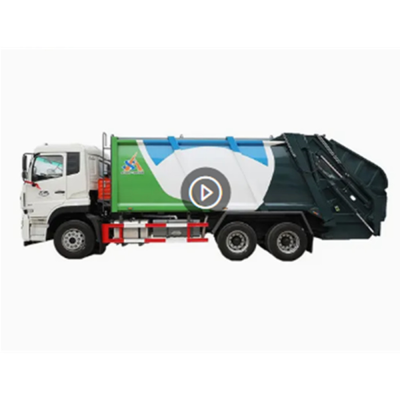


Multi-Functional Garbage Truck Capable of Handling Various Waste Types and Sizes
$19800.00 - $22700.00
MOQ: 1 Pieces


Durable Sealed Garbage Truck with Advanced Waste Collection Features
$10000.00 - $30000.00
MOQ: 1 Pieces


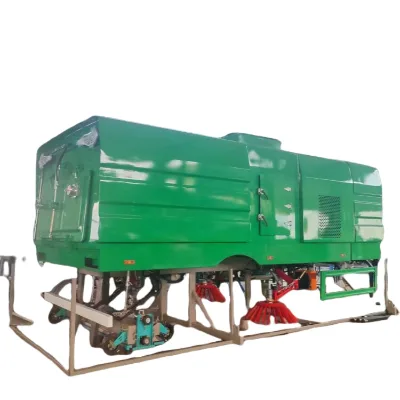
Comprehensive Sourcing Guide
Strategic Sourcing Guide for Dust and Water Resistant Garbage Truck Components
Understanding Component Resilience in Waste Collection Vehicles
When sourcing components for dust and water-resistant garbage trucks, buyers must prioritize materials and construction methods that withstand the harsh environments of waste collection. The operational reality involves constant exposure to moisture, corrosive chemicals from decomposing waste, and abrasive dust particles. Based on available product data, the structural integrity of these vehicles relies heavily on specific steel thicknesses and surface treatments. The observed specifications indicate a steel thickness of 5mm for critical structural elements, a dimension that provides a robust baseline for resisting physical deformation and environmental wear.
The durability of the body is further enhanced by the application of reinforcing ribs. These structural additions are not merely aesthetic; they are functional necessities that distribute stress across the vehicle's frame, preventing flexing that could compromise seals and allow water ingress. For components exposed to the elements, the derusting grade is a critical specification. The data points to a SA3.0 standard for surface preparation, which represents a high level of cleanliness and roughness essential for coating adhesion. This preparation ensures that protective layers bond effectively to the steel, creating a barrier against the dust and water that characterize refuse collection operations.
Buyers should verify that the interval time between rust removal and the application of protective coatings is strictly controlled. The observed requirement states this interval must be less than 4 hours. This tight window is vital because steel surfaces begin to oxidize immediately after abrasive cleaning. A delay beyond this threshold can compromise the effectiveness of the subsequent coating, leading to premature corrosion. When evaluating suppliers, procurement teams must confirm that their manufacturing processes adhere to this timeline to guarantee the longevity of the dust and water-resistant properties.
Technical Specifications and Material Standards
The technical architecture of a refuse truck dictates its ability to resist environmental degradation. The product data highlights a variety of configurations, including compactor, roll-off, and swing arm types, each with distinct structural demands. For instance, the compactor type often features a sealed design, which is inherently more resistant to water and dust infiltration compared to open systems. The sealed nature of these units prevents external contaminants from entering the waste chamber, protecting the internal mechanisms and the vehicle's chassis.
Material selection extends beyond the primary steel body. The tire design observed is tubeless, which offers advantages in puncture resistance and stability, though it requires specific attention to rim sealing to prevent water intrusion into the wheel assembly. Furthermore, the drive wheel configurations vary, with some models utilizing a 4x4 setup and others 8x4. The choice of drive system influences the vehicle's ground clearance and the exposure of undercarriage components to road spray and debris. A 4x4 configuration may offer better traction in muddy or dusty conditions, but it also introduces more complex drivetrain components that require sealing against moisture.
The overall dimensions of the vehicles also play a role in component selection. Models range from micro and small classifications to larger units with dimensions such as 9100x2495x3150mm. Larger vehicles present a greater surface area for dust accumulation and water exposure, necessitating more extensive protective treatments. The payload capacity, observed in ranges from 11 to 20 tons, further dictates the strength requirements of the chassis and body components. Heavier payloads require thicker steel and more robust reinforcement to prevent structural fatigue, which can eventually lead to cracks where water and dust can penetrate.
Compliance and Certification Verification
Navigating the regulatory landscape is essential for sourcing components that meet international safety and environmental standards. The product data lists a diverse array of certifications, including ISOCCC, TSEPA, EEC, RoHS, CE, CCC, ECE, and GCC. These certifications indicate compliance with various regional and global standards regarding emissions, safety, and environmental protection. For a buyer focusing on dust and water resistance, the relevance of these certifications lies in the quality management systems they represent. A supplier holding ISO9000 (noted as a background standard) or similar quality certifications is more likely to have consistent processes for applying protective coatings and maintaining strict control over the rust removal intervals.
The presence of specific emission standards, such as Euro, and fuel types like Diesel and Gasoline, suggests that the components must also integrate with the vehicle's powertrain without compromising the sealing integrity. The engine horsepower ranges from 200HP to over 350HP, indicating that the vehicle's structural components must withstand significant vibration and thermal stress. Components that fail to meet these dynamic loads may develop micro-fractures, allowing water and dust to enter critical areas.
Buyers must verify that the certifications claimed by suppliers are current and applicable to the specific region of operation. For example, GCC certification is crucial for markets in the Gulf Cooperation Council, while ECE and CE are standard for European markets. The data also mentions specific standards like 15Ton and 11995x2550x3860, which likely refer to load capacity or dimensional standards. It is imperative to cross-reference these with local regulations to ensure that the dust and water-resistant features do not violate any legal requirements regarding vehicle dimensions or weight limits.
Cost Drivers and Pricing Dynamics
The pricing of garbage truck components is influenced by a complex interplay of material costs, manufacturing complexity, and certification requirements. The observed price range for these vehicles spans from $3,000 to $99,999, reflecting the vast difference between basic models and highly specialized, heavy-duty units. The cost of dust and water-resistant features is embedded within this range, driven primarily by the quality of the steel, the thickness of the material, and the sophistication of the surface treatment processes.
Steel thickness is a significant cost driver. The 5mm steel thickness observed in the data represents a premium material specification compared to thinner alternatives. Thicker steel requires more raw material and more energy to form, directly increasing the manufacturing cost. Similarly, the application of reinforcing ribs adds labor and material expenses but is essential for long-term durability. The surface treatment process, involving SA3.0 derusting and strict adherence to the 4-hour coating interval, also contributes to the overall cost. Suppliers who invest in automated surface preparation and controlled environment painting facilities will likely command higher prices but offer superior protection against environmental degradation.
The brand and origin of the components also affect pricing. The data identifies Dongfeng as a prominent brand, with origins in China, specifically Suizhou City, Hubei Province. While origin can influence logistics costs, the reputation of the brand often correlates with higher quality control standards. The customization options available, such as truck color and specific drive configurations, add to the complexity and cost of production. Buyers should be prepared for a higher price point when requesting customizations that enhance dust and water resistance, such as specialized sealing systems or upgraded coating materials.
Typical Applications and Operational Environments
The application of dust and water-resistant components varies significantly depending on the type of waste collection vehicle and the environment in which it operates. The data lists several usage types, including dump, swing arm, sealed, hang barrel, arm, compression, and eat hutch types. Each of these configurations presents unique challenges regarding exposure to the elements. Sealed and compression types are particularly reliant on effective dust and water resistance to prevent leaks and odor escape, which are critical for urban sanitation.
In urban environments, vehicles are frequently exposed to road salt, industrial dust, and heavy rain. The 4x4 drive models, with their higher ground clearance, may encounter more debris and water spray, making the undercarriage and wheel wells critical areas for protection. Conversely, vehicles operating in rural or semi-arid regions may face higher dust loads, requiring enhanced sealing of air intakes and electrical components. The payload capacity of 20 tons suggests that these vehicles are designed for heavy-duty municipal services, where reliability and resistance to environmental wear are paramount.
The specific dimensions and axle configurations also dictate the operational scope. Vehicles with a wheelbase of 3800mm and front/rear axle capacities of 3 tons and 5 tons respectively are suited for specific route profiles. Buyers must consider the local infrastructure, such as road conditions and waste collection frequency, when selecting components. A vehicle operating in a high-moisture environment will require more frequent maintenance of its dust and water-resistant features compared to one in a dry climate. Understanding these operational nuances helps in selecting the right balance of protection and cost.
Supplier Evaluation and Quality Control Protocols
Evaluating suppliers for dust and water-resistant components requires a rigorous assessment of their manufacturing capabilities and quality control systems. The data indicates that the product origin is China, with specific mentions of Suizhou City, Hubei Province. While this provides a geographical context, buyers must look beyond location to verify the supplier's adherence to quality standards. The presence of certifications like CCC, ECE, and GCC is a positive indicator, but it should be accompanied by evidence of consistent production quality.
Key quality control checkpoints include the verification of steel thickness, the integrity of reinforcing ribs, and the application of the SA3.0 derusting grade. Buyers should request documentation or conduct on-site audits to confirm that the interval between rust removal and coating application is consistently maintained below 4 hours. This specific metric is a strong indicator of process discipline; a supplier that fails to meet this requirement is likely to produce components with compromised corrosion resistance.
The customization capabilities of the supplier are also a critical factor. The data notes that customization is available, including truck color and drive wheel configurations. A supplier's ability to customize while maintaining high standards of dust and water resistance demonstrates flexibility and technical competence. Buyers should inquire about the supplier's testing procedures for their protective coatings and sealing systems. While specific test results are not provided in the data, a reputable supplier should be able to demonstrate their testing protocols and share historical performance data.
Long-Term Procurement and Lifecycle Management
Procuring dust and water-resistant components is an investment in the long-term lifecycle of the vehicle. The initial cost of high-quality materials and rigorous manufacturing processes must be weighed against the total cost of ownership, including maintenance and replacement expenses. Vehicles with superior dust and water resistance will experience fewer breakdowns and require less frequent repairs, leading to lower operational costs over time.
The data suggests a variety of models, from micro to large compactor trucks, each with different lifecycle expectations. Buyers should consider the availability of spare parts and the supplier's support infrastructure. The brand Dongfeng, with its established presence, may offer better long-term support compared to lesser-known manufacturers. Additionally, the specific standards and certifications held by the supplier can influence the resale value of the vehicle. A well-maintained vehicle with documented adherence to high-quality standards will retain its value better in the secondary market.
Long-term procurement strategies should also include a plan for regular inspection and maintenance of dust and water-resistant features. Even the best components will degrade over time due to wear and tear. Buyers should establish a schedule for checking the integrity of seals, the condition of the steel body, and the effectiveness of the protective coatings. By proactively managing these aspects, organizations can extend the service life of their refuse trucks and ensure continued compliance with environmental and safety standards. The initial investment in high-quality, dust and water-resistant components pays dividends in reduced downtime and enhanced operational efficiency.
FAQs
What certifications do these garbage truck components have?
These components hold ISOCCC, TSEPA, EEC, RoHS, CE, CCC, ECE, and GCC certifications. These standards ensure compliance with regional safety and environmental regulations for export markets.
Which steel thickness ensures durability for these trucks?
The steel thickness is specified as 5mm to provide robust resistance against deformation and environmental wear. This dimension serves as a baseline for structural integrity in harsh waste collection environments.
Can I customize the truck color and drive configuration?
Customization is available for truck color and drive wheel configurations like 4x4 or 8x4. Buyers can also select specific models such as Dongfeng 5042TQXE or CLW5310ZYS6WL to meet operational needs.
How is rust removal controlled before coating application?
The interval time between rust removal and coating application must be less than 4 hours. This strict timeline prevents immediate oxidation and ensures the protective coating bonds effectively to the SA3.0 prepared surface.
What is the maximum payload capacity for these vehicles?
The observed payload capacity ranges from 11 to 20 tons, with specific models supporting up to 20 tons. This capacity dictates the strength requirements for the chassis and body components to prevent structural fatigue.
Where are these garbage truck components manufactured?
The products originate from China, specifically Suizhou City in Hubei Province. This location is a known hub for manufacturing refuse trucks and waste collection vehicles.