Source Dust Absorption Vacuum Cleaner Hose for Industrial, Drain, and Pool Use
Find 30 listings for Dust Absorption Vacuum Cleaner Hose designed for industrial cleaning, drainpipe maintenance, and swimming pool applications. Buyers can compare specifications like length, diameter, and material to select the right fittings for their needs.
Key considerations
Products List


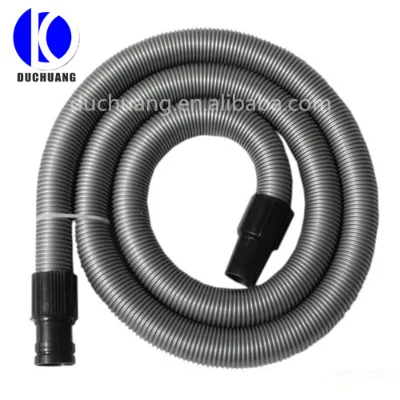
Cheap High Temperature Flexible Clean Vacuum Cleaner Hose with Long Hose
$1.80 - $15.00
MOQ: 1000 Meters


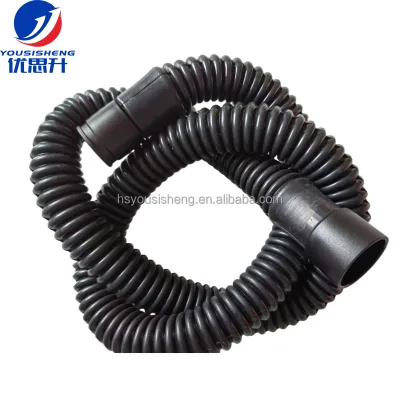
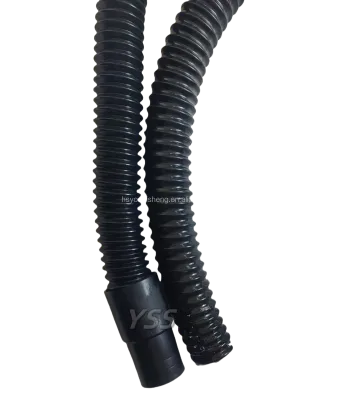
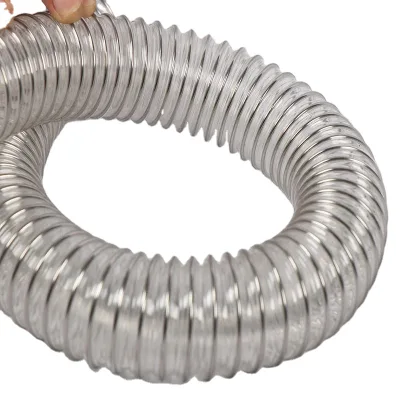
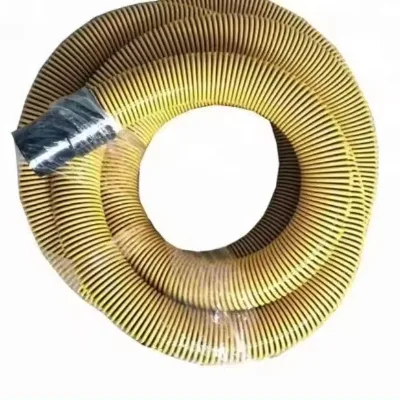


Comprehensive Sourcing Guide
Dust Absorption Vacuum Cleaner Hose Sourcing Guide
Selecting the right vacuum cleaner hose is a critical component in maintaining efficient industrial and commercial cleaning operations. The hose serves as the primary conduit for debris, dust, and particulate matter, directly influencing the suction power and overall performance of the vacuum system. Buyers must understand that the hose is not merely an accessory but a functional element that determines the reach, flexibility, and durability of the entire cleaning apparatus. In industrial settings, where continuous operation and heavy-duty usage are common, the integrity of the hose can prevent downtime and ensure consistent air flow.
This guide provides a structured approach to sourcing dust absorption vacuum cleaner hoses, focusing on technical verification, compliance, and commercial due diligence. By leveraging observed market signals and standard industry practices, procurement teams can make informed decisions that balance cost, quality, and operational requirements. The following sections detail the specific attributes to verify, the documentation required for safety and compliance, and the long-term checks necessary to establish a reliable supply chain for these essential components.
Product Scope and Observed Listing Signals
The market for vacuum cleaner hoses presents a diverse range of products tailored to specific industrial and commercial needs. Observed listings indicate a price range of $0.02 to $22.50 USD, reflecting variations in material quality, length, and diameter specifications. Minimum Order Quantities (MOQs) typically range from 1 to 1,000 units, offering flexibility for both small-scale replacements and large-scale industrial procurement. These signals suggest that buyers can find options suitable for various budget constraints and volume requirements, provided they carefully evaluate the specifications against their operational needs.
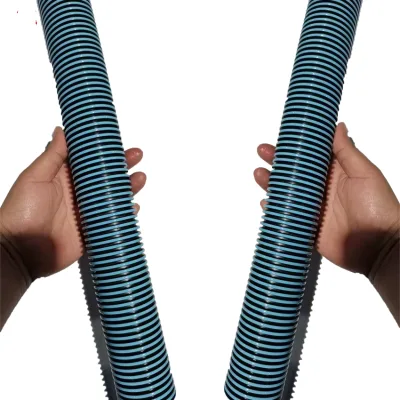
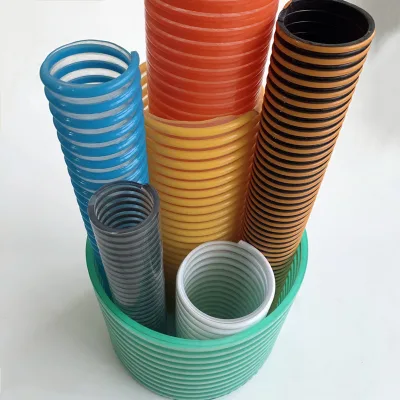
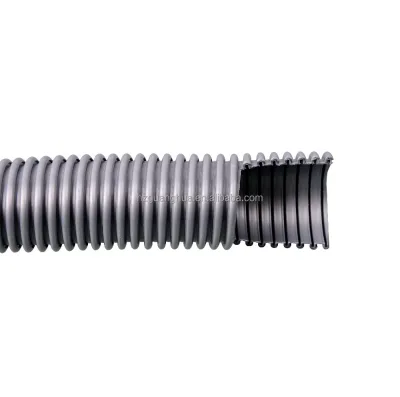
Product attributes observed in the market include hoses constructed from materials such as EVA and HDPE, which offer high flexibility and crush-proof characteristics. Some listings specify the hose type as thermosetting or thermoplastic plastic pipes, with applications ranging from drainpipes to corrugated pipes. The observed models, such as VCH and SPH, indicate a standardized naming convention that may assist in identifying compatible parts. Additionally, features like hollow construction and round shapes are common, with inner diameters (I.D.) ranging from 25-63mm and outer diameters (O.D.) from 32-73mm, allowing for customization based on specific vacuum cleaner fittings.
Technical Specifications to Verify
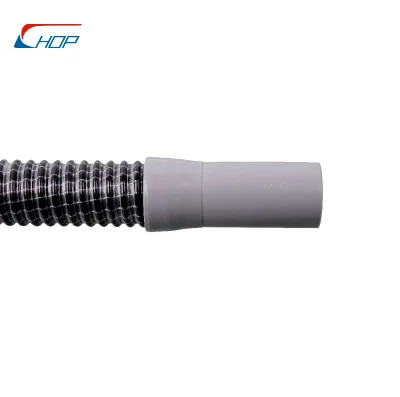
When evaluating vacuum cleaner hoses, verifying the inner and outer diameters is paramount to ensure compatibility with existing vacuum cleaner fittings. The observed I.D. range of 25-63mm and O.D. range of 32-73mm highlights the importance of precise measurement. Buyers should confirm that the hose dimensions match the inlet and outlet ports of their vacuum units to prevent air leaks, which can significantly reduce suction efficiency. Additionally, the length of the hose, often specified as 15 meters or customizable, should be assessed based on the operational area size to ensure adequate reach without excessive weight or tangling.
Material composition and structural integrity are critical factors that determine the hose's durability and performance. Hoses constructed from EVA and HDPE are noted for their high flexibility and crush-proof properties, making them suitable for environments where the hose may be stepped on or compressed. Buyers should verify whether the hose is designed for specific applications, such as industrial dust collection or swimming pool maintenance, as this affects the material's resistance to chemicals, abrasion, and environmental factors. The characteristic of being highly flexible is essential for maneuverability, while crush-proof construction ensures longevity in high-traffic areas.
Compliance and Safety Documentation
Ensuring that vacuum cleaner hoses meet relevant safety and quality standards is essential for risk mitigation and operational reliability. Observed certifications include CE and ISO9001-2008, which indicate adherence to European safety standards and quality management systems, respectively. Buyers should request valid certification documents from suppliers to verify that the hoses have undergone appropriate testing for material safety, durability, and performance. These certifications provide assurance that the products meet established industry benchmarks for quality and safety, reducing the risk of defects or failures in the field.
In addition to certifications, buyers should verify the origin and manufacturing standards of the hoses. Products originating from Guangdong, China, are common in the market, and buyers should ensure that the suppliers follow consistent quality control processes. The presence of a CE mark suggests compliance with health, safety, and environmental protection standards for products sold within the European Economic Area. Buyers should also check for any additional regional certifications required for their specific market, such as UL or other local standards, to ensure full regulatory compliance and avoid potential legal or operational issues.
Cost Drivers and Commercial Terms
The cost of vacuum cleaner hoses is influenced by several factors, including material quality, dimensions, and customization options. The observed price range of $0.02 to $22.50 USD reflects the variability in these factors, with higher prices typically associated with premium materials, larger diameters, or custom lengths. Buyers should consider the total cost of ownership, including durability and maintenance, rather than focusing solely on the initial purchase price. Investing in higher-quality hoses may result in lower replacement costs and improved operational efficiency over time.
Commercial terms such as MOQs, packaging, and lead times also play a significant role in procurement decisions. MOQs ranging from 1 to 1,000 units allow for flexible ordering, but buyers should negotiate terms that align with their inventory management strategies. Packaging options, such as shrink wrap, color inserts, and cartons, can affect shipping costs and product protection. Buyers should clarify lead times and delivery schedules to ensure timely receipt of goods, especially for critical spare parts. Customization availability should be confirmed, as it may impact production time and cost, but it offers the advantage of tailored solutions for specific operational needs.
Supplier Qualification and Quality Control
Evaluating supplier qualifications is a crucial step in ensuring the reliability and consistency of vacuum cleaner hose supplies. Buyers should verify the supplier's manufacturing capabilities, quality control processes, and track record in the industry. Suppliers with ISO9001-2008 certification demonstrate a commitment to quality management, which should be reflected in their production processes and product consistency. Buyers should request samples for testing to assess material quality, flexibility, and durability before committing to large orders.
Quality control measures should include regular inspections of raw materials, production processes, and finished products. Buyers should inquire about the supplier's testing protocols for crush resistance, flexibility, and air flow efficiency. Additionally, verifying the supplier's ability to provide consistent product specifications across batches is essential for maintaining operational reliability. Buyers should also assess the supplier's responsiveness to issues and their willingness to provide technical support or replacements for defective products. Establishing a strong relationship with a qualified supplier can lead to better pricing, improved service, and long-term partnership benefits.
Long-Term Procurement Checks
Establishing long-term procurement checks is vital for maintaining the quality and reliability of vacuum cleaner hose supplies over time. Buyers should implement regular audits of supplier performance, including delivery times, product quality, and customer service. Periodic re-evaluation of supplier certifications and compliance status ensures that they continue to meet industry standards and regulatory requirements. Buyers should also monitor market trends and technological advancements to identify opportunities for improving hose performance or reducing costs.
Continuous feedback loops with end-users and maintenance teams can provide valuable insights into the real-world performance of the hoses. Buyers should collect data on hose lifespan, failure modes, and maintenance requirements to inform future purchasing decisions. Regularly reviewing and updating procurement specifications based on this feedback ensures that the hoses meet evolving operational needs. Additionally, maintaining a diversified supplier base can mitigate risks associated with supply chain disruptions and provide leverage in negotiations. By implementing these long-term checks, buyers can ensure a stable and efficient supply of vacuum cleaner hoses that support their operational goals.
FAQs
What is the filtration type for this vacuum cleaner?
The filtration type is a dust bag filter with multiple filtered stages. This system ensures efficient dust absorption for industrial use while maintaining high air flow performance.
Can the product be customized for specific needs?
Yes, customization is available for this vacuum cleaner. Buyers can request specific modifications to meet unique operational requirements while maintaining the standard industrial classification.
Which certification does the product hold?
The product holds CE certification and ISO9001-2008 standards. These certifications confirm compliance with safety and quality requirements for industrial vacuum cleaning applications.
How is the vacuum cleaner classified by type?
It is classified as a hand-held vacuum cleaner with a trolley type layout. This design supports horizontal operation and includes features like handle control for ease of use.
What are the dimensions of the vacuum tank?
The tank diameter is 34.5 millimeters with a standard capacity of 15 liters or 30 liters. These dimensions support efficient dust collection for various industrial environments.
Where is the product manufactured?
The product originates from Guangdong, China. This location ensures access to established manufacturing capabilities for producing high-quality vacuum cleaner fittings and hoses.
What material is used for the vacuum hose?
The hose is constructed from EVA and HDPE materials. This combination provides high flexibility and crush-proof characteristics suitable for drainpipe and corrugated pipe applications.