Source Easy Folding Portable Baby Stroller for Travel, Daily Use, and Gifts
Source an Easy Folding Portable Baby Stroller from 30 verified listings. Compare models like JM-666-3 and XL-T88, featuring stainless steel frames, quick folding systems, and customizable logos for travel, daily use, and gifting; compare the available evidence and request quotations based on your requirements.
Updated
Key considerations
Products List

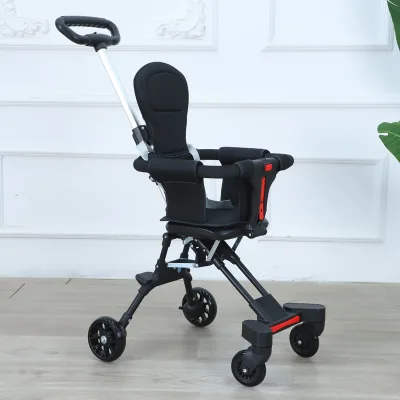
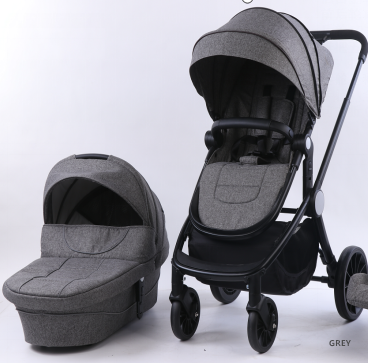
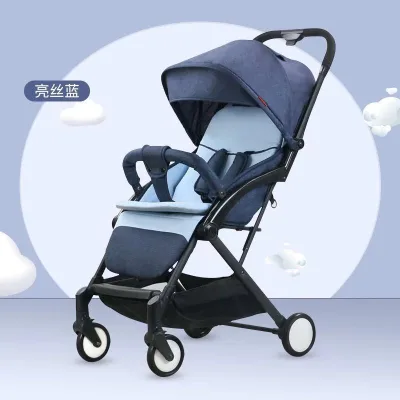
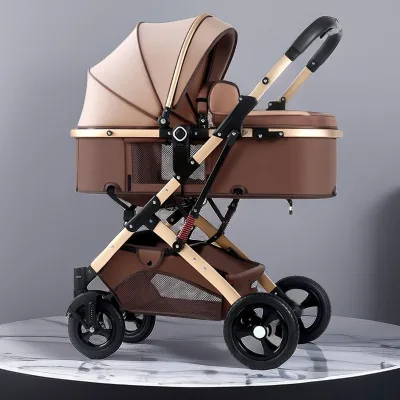
Portable Baby Stroller with Easy Folding in Two Directions Baby Stroller
$37.00 - $38.00
MOQ: 1 Pieces




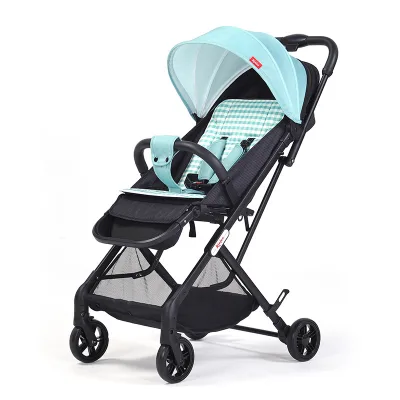
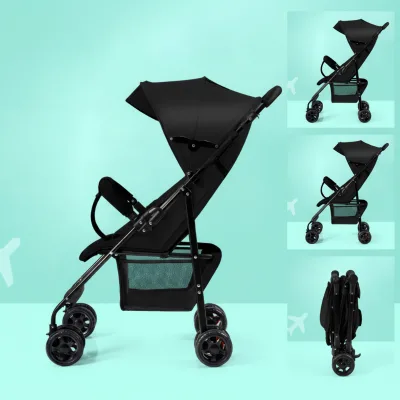
New Baby Pushchair Lightweight Baby Stroller Foldable Pram Buggy Travel Stroller
$28.30 - $30.30
MOQ: 100 Pieces





Comprehensive Sourcing Guide
Easy Folding Portable Baby Stroller Sourcing Guide
Sourcing an Easy Folding Portable Baby Stroller requires a disciplined approach to balancing compact design with structural integrity. Buyers must prioritize models that offer genuine portability without compromising the safety of infants and toddlers. The market presents a wide array of options, ranging from lightweight travel systems to robust multi-functional prams. Understanding the specific mechanical advantages of folding mechanisms is essential for selecting a product that meets both logistical constraints and end-user expectations. This guide outlines the critical verification steps necessary to ensure a successful procurement outcome.
Procurement teams should focus on identifying suppliers who provide transparent technical data and clear customization options. The ability to customize colors, patterns, and logos allows brands to differentiate their offerings in a competitive marketplace. However, customization must not come at the expense of the stroller’s primary function: safe and easy transport. Buyers need to evaluate how folding mechanisms impact the overall weight and dimensions of the packaged product. This evaluation ensures that the final goods can be shipped efficiently while maintaining the quality standards required for international markets.
Product Scope and Observed Listing Signals
The current market landscape for portable baby strollers includes a diverse range of models designed for various age groups, from newborns up to three years old. Listings frequently highlight features such as two-way foldable seats and quick folding systems, which are critical for parent convenience. Observations indicate that many products are marketed as baby cots combined with toddler strollers, offering versatility for growing children. Buyers should note that while many models are foldable, some listings explicitly state non-foldable attributes, requiring careful screening to avoid mismatches between marketing claims and actual product capabilities.
Material composition varies significantly across different product lines, with stainless steel and high-carbon steel frames being common for durability. Some models utilize plastic frames or poly materials, which may offer weight advantages but require rigorous stress testing. The observed gross weights range from approximately five kilograms to nine kilograms, influencing shipping costs and handling ease. Packaging standards also differ, with some units packed four per carton and others six per carton, directly impacting warehouse space utilization and logistics planning for importers.
Technical Specifications to Verify
Verifying the single package size and overall dimensions is crucial for determining storage and shipping efficiency. Common standard dimensions observed include measurements such as 79.5 by 22 by 55 centimeters and 68 by 37 by 42 centimeters, which dictate pallet configuration. Buyers must confirm the load-bearing capacity, which typically ranges from fifteen to twenty kilograms, ensuring the stroller can safely support the intended age group. The model numbers, such as JM-666-3, HF-K05, and D68, serve as unique identifiers for tracking specific design iterations and component compatibility.
The frame material and construction method directly influence the stroller’s longevity and resistance to wear. Stainless steel frames offer superior strength, while high-carbon steel provides a balance of cost and durability. Buyers should verify whether the folding mechanism is integrated into the frame structure or added as an accessory, as this affects repairability. Additionally, the presence of eco-friendly materials is a growing trend, and procurement teams should request material safety data sheets to confirm that all components, including plastics and fabrics, meet environmental and health standards for child products.
Compliance and Safety Documentation
Safety certification is non-negotiable for baby strollers, with CE marking being a common requirement for European markets. Buyers must ensure that suppliers provide valid test reports from accredited laboratories, verifying that the stroller meets relevant international safety standards. The documentation should cover structural integrity, stability tests, and small parts safety to prevent choking hazards. Without proper certification, products may face customs delays or rejection in key markets, leading to significant financial losses and reputational damage for the importer.
Beyond physical safety, buyers should verify compliance with chemical regulations regarding materials used in the stroller’s construction. This includes restrictions on heavy metals in paints and phthalates in plastic components. Suppliers should be able to provide declarations of conformity that align with the destination country’s specific regulatory framework. It is also important to check if the product has undergone flammability testing, especially for fabric components, to ensure that the stroller does not pose a fire risk during normal use or in case of accidental exposure to heat sources.
Cost Drivers and Commercial Terms
The minimum order quantity (MOQ) is a significant factor in determining the total cost of ownership, with observed ranges varying from fifty pieces to six hundred forty pieces. Higher MOQs often result in lower unit prices but increase inventory holding costs and financial risk for buyers. Suppliers may offer support for OEM and ODM services, allowing for brand customization, but this typically requires meeting higher volume thresholds. Buyers should negotiate tiered pricing structures that reward increased order volumes while maintaining flexibility for initial trial orders.
Shipping costs are heavily influenced by the single gross weight and packaging dimensions of the stroller. Products weighing around five kilograms per unit are generally more cost-effective to ship than heavier nine-kilogram models. Buyers should calculate the landed cost by including freight, insurance, and duties, rather than focusing solely on the FOB price. Additionally, payment terms and lead times should be clearly defined in the contract to mitigate supply chain disruptions. Understanding these commercial terms helps in budgeting accurately and avoiding unexpected expenses during the procurement process.
Supplier Qualification and Quality Control
Supplier qualification involves verifying the manufacturer’s production capabilities and quality management systems. Buyers should request evidence of ISO certification or similar quality standards to ensure consistent manufacturing processes. Factories located in regions like Hebei, China, often have established supply chains for steel and plastic components, which can reduce lead times. However, buyers must conduct on-site audits or third-party inspections to verify that the factory adheres to ethical labor practices and maintains a clean, organized production environment.
Quality control measures should include pre-production samples and in-line inspections during manufacturing. Buyers should define clear acceptance criteria for folding mechanisms, wheel alignment, and fabric stitching. Random sampling of finished goods for load-bearing tests can help identify potential defects before shipment. Establishing a robust quality control protocol reduces the risk of receiving substandard products and minimizes the need for costly returns or replacements. Clear communication of quality expectations with the supplier is essential for maintaining product consistency across multiple orders.
Long-Term Procurement Checks
Long-term success in sourcing baby strollers depends on continuous monitoring of supplier performance and product feedback. Buyers should establish key performance indicators (KPIs) related to on-time delivery, defect rates, and responsiveness to issues. Regular reviews of these metrics help identify potential suppliers who may be struggling with quality or logistics. Additionally, staying updated on changes in international safety standards ensures that products remain compliant throughout their lifecycle. Proactive engagement with suppliers can lead to collaborative improvements in design and manufacturing efficiency.
Market trends in portable strollers are evolving, with increasing demand for lightweight, eco-friendly, and multi-functional designs. Buyers should regularly assess their product portfolio to ensure it aligns with current consumer preferences. Feedback from end-users can provide valuable insights into areas for improvement, such as ease of folding or durability of materials. By maintaining a flexible and responsive procurement strategy, buyers can adapt to market changes and maintain a competitive edge. Building strong, transparent relationships with suppliers fosters trust and facilitates smoother negotiations for future contracts.
FAQs
What is the typical load bearing capacity for these strollers?
The typical load bearing capacity is 15kg to 20kg. This limit ensures safety for infants and toddlers during transport. Models vary, with some supporting up to 20KG while others are rated for 15kg. Buyers should verify the specific model's rating before purchase to ensure it meets the child's weight requirements.
Can I customize the logo and color of the stroller?
Yes, customization is available for color, pattern, and logo. Suppliers support OEM and ODM services to meet brand requirements. Buyers can request specific color options like black or grey. This flexibility allows businesses to create unique products that align with their marketing strategies and target audience preferences effectively.
What materials are used in the stroller frame construction?
Frames are constructed from stainless steel or high carbon steel combined with PP. Some models utilize plastic for specific components. These materials provide durability and lightweight portability. The choice of material impacts the stroller's strength and weight, ensuring it remains sturdy while being easy to fold and carry for daily use.
What is the minimum order quantity for bulk purchases?
The minimum order quantity ranges from 1 to 640 pieces depending on the supplier. Some suppliers require a MOQ of 50pcs for standard orders. Buyers should check specific listings for exact MOQ values. Lower MOQs are available for testing, while larger quantities may offer better pricing tiers for bulk procurement needs.
Are these strollers suitable for newborns and toddlers?
Yes, they are suitable for ages 0-6 months up to 3 years old. Some models support multiple age groups including those over 3 years. The design often includes features like two-way foldable seats and baby cot functions. This versatility ensures the stroller can adapt to the growing needs of the child from infancy through toddlerhood.
What certifications do these baby strollers typically hold?
Many models hold CE certification, ensuring compliance with safety standards. Buyers should verify specific product certifications before ordering. CE marking indicates the product meets European health, safety, and environmental protection standards. This certification is crucial for importing into regulated markets and ensures the stroller is safe for children to use.