Source Cartoon Kids Potty for Home, Travel, and Daycare
Source 30 Cartoon Kids Potty options from China. Compare models like WY034S and TLT-3373, featuring PP/PU materials and custom designs. Find suitable seats for home, travel, and daycare use with OEM support; compare the available evidence and request quotations based on your requirements.
Updated
Key considerations
Products List
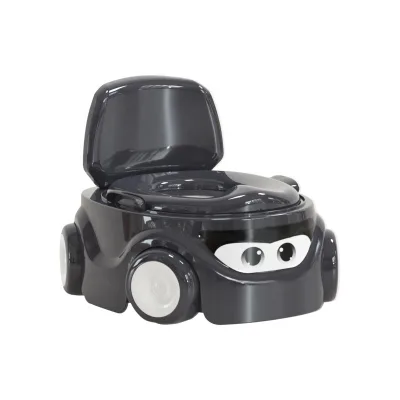


Hot Sale Baby Toilet Baby Potty 3-6 Years Old Cartoon Children Toilet Potty
$6.00 - $10.00
MOQ: 200 Pieces


Kids Furniture Professional Baby Toilet Seat Plastic Colorful Kids Potty
$6.00 - $10.00
MOQ: 200 Pieces


Wholesale Cartoon Children Folding Toilet Outdoor Camping Emergency Potty
$4.14 - $4.60
MOQ: 250 Pieces


Top Rated Cartoon Shaped Baby Potty Training Toilet Seat 1-4 Years Old Children
$6.20 - $6.80
MOQ: 600 Pieces

Quality Guaranteed Multifunction Cartoon Style Baby Potty Toilet Trainer
$6.20 - $6.80
MOQ: 600 Pieces
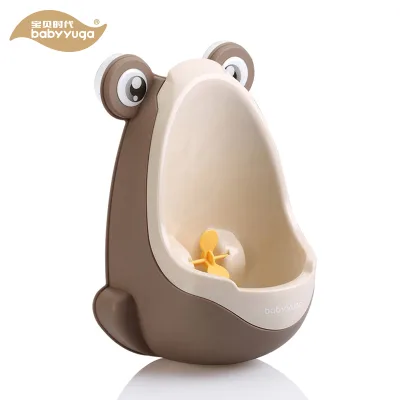
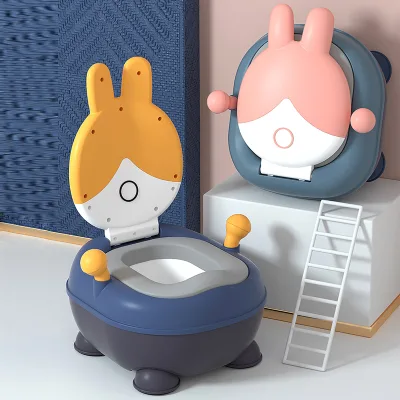
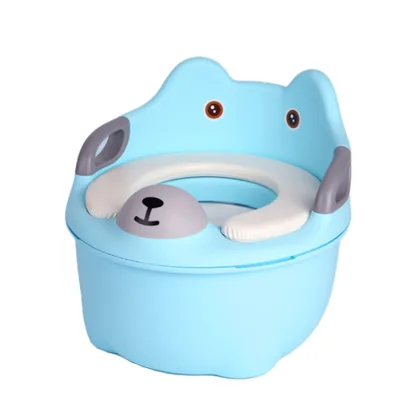
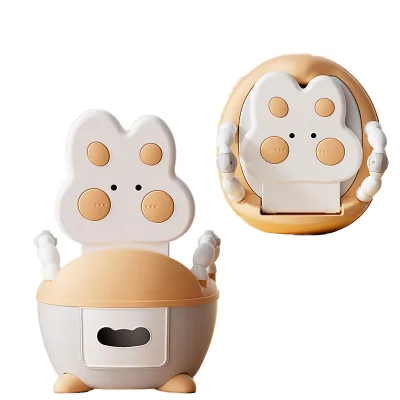
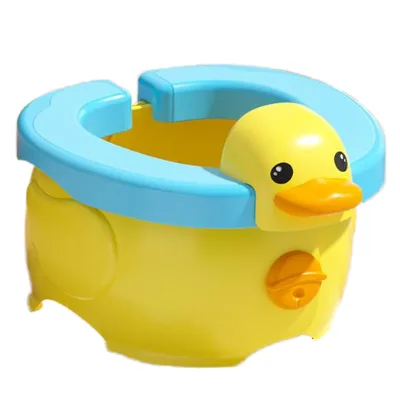
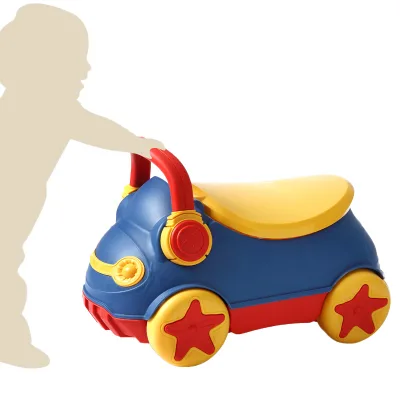
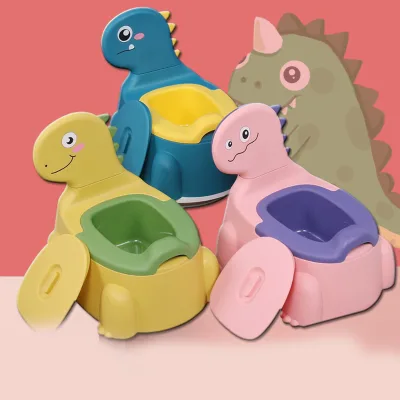

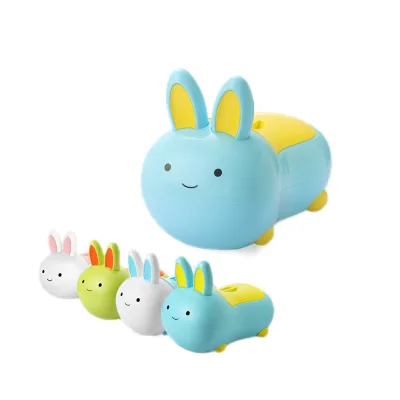

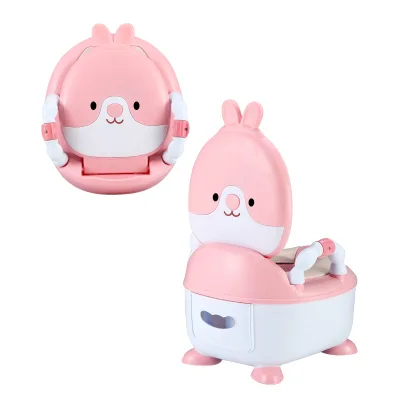

Kids Potty Training Toilet Boys Girls Infant Toddler Special Use Household Potty
$1.84 - $2.06
MOQ: 500 Pieces

Kids Supplies Cartoon Kids Potty Baby Toilet Boys Girls Potty Urinal Chamber
$2.66 - $2.98
MOQ: 400 Pieces


Easy-Clean Potty Training Toilet Chair Child Splash Guard and Slip Resistant Potties
$1.13 - $1.15
MOQ: 1000 Pieces
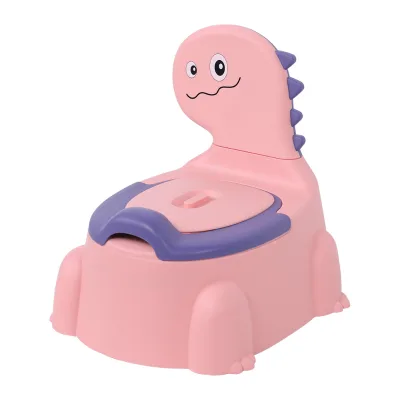
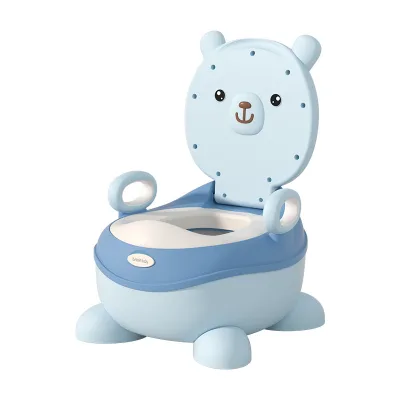
Comprehensive Sourcing Guide
Cartoon Kids Potty Sourcing Guide
Sourcing cartoon-themed potties requires balancing aesthetic appeal with rigorous safety standards, as these products are designed for direct contact with young children. Buyers must prioritize manufacturers who demonstrate expertise in both ergonomic design and child-safe material selection. The visual appeal of animal or solid patterns serves as a primary marketing driver, but it must not compromise the structural integrity or hygiene of the unit. Procurement teams should evaluate suppliers based on their ability to maintain consistent color fidelity and surface finish across large production runs, ensuring that the "cartoon" aspect remains vibrant and durable over time.
The procurement landscape for these items is characterized by a wide variety of model numbers and customization options, ranging from standard orange and black designs to fully customized pink or animal-print variants. Buyers should note that while many suppliers offer OEM services, the underlying material composition often remains consistent, typically utilizing polypropylene (PP) or a combination of PP and polyurethane (PU). This material choice is critical for ensuring the potty is non-disposable, easy to clean, and resistant to cracking under typical use conditions. Understanding these material baselines helps buyers distinguish between premium offerings and lower-cost alternatives that may lack durability.
Product Scope and Observed Listing Signals
The current market listings for cartoon kids potties reveal a diverse range of product attributes, including specific model identifiers such as WY034S, TLT-3373, and XY-2267. These model numbers often correspond to distinct design features, such as single packing standards or specific carton dimensions like 604050cm. Buyers should observe that the product type is consistently categorized under "Potties & Seats," with applications explicitly targeted at kids. The presence of customization options, including OEM acceptance and varied color choices like orange, black, and pink, indicates a flexible supply chain capable of meeting specific brand requirements or regional preferences.
Observed listing signals also highlight significant variations in packaging and origin details, with products originating from regions such as Fujian and Zhejiang in China. The single gross weight of items like the WY034S model is recorded at 1.8 kg, with single package sizes measuring 38.5X34X19.5 cm, providing crucial data for logistics planning. Additionally, the pattern types range from solid colors to animal prints, catering to different aesthetic preferences. Buyers must verify these specifications against their own logistical constraints, as the standard carton packing and varying dimensions can significantly impact shipping costs and warehouse storage efficiency.
Technical Specifications to Verify
When evaluating technical specifications, buyers must confirm the exact material composition, as some listings specify PP alone while others indicate a PP and PU blend. This distinction affects the product's flexibility, durability, and resistance to impact, which are critical for items used by active children. The model numbers provided, such as BH-111 and XY-0186, should be cross-referenced with detailed technical datasheets to ensure they meet the required load-bearing capacity and ergonomic standards. Buyers should also verify the single package size and gross weight for each specific model to accurately calculate freight costs and ensure compatibility with existing distribution channels.
Color consistency and pattern application are other vital technical aspects that require verification. Listings mention colors such as orange, black, and pink, as well as customized options, but buyers must ensure that the pigments used are non-toxic and fade-resistant. The design customization capabilities, including the ability to produce animal patterns or solid colors, should be validated through sample requests. Additionally, the port of origin, often listed as Ningbo or Shanghai, can influence lead times and shipping routes, so buyers should align supplier locations with their preferred logistics partners to minimize transit delays and costs.
Compliance and Safety Documentation
Safety compliance is paramount when sourcing potties for children, and buyers must request comprehensive documentation from suppliers. This includes certificates of conformity for materials used, ensuring that the PP and PU components are free from harmful substances like phthalates or BPA. Buyers should verify that the products meet relevant international safety standards for children's products, although specific standard numbers should be confirmed with the supplier rather than assumed. The non-disposable nature of these items implies repeated use, so documentation should also cover the product's durability and resistance to bacterial growth after multiple cleaning cycles.
In addition to material safety, buyers should inquire about testing reports related to mechanical strength and stability. The potty must withstand the weight and movement of a child without tipping or breaking. Suppliers should provide evidence of quality control processes, including inspections for surface defects, color consistency, and structural integrity. Buyers must also ensure that the packaging materials comply with environmental regulations, especially if the products are marketed in regions with strict waste management laws. Clear communication regarding these compliance requirements helps mitigate legal risks and ensures that the products can be sold in target markets without regulatory hurdles.
Cost Drivers and Commercial Terms
Cost drivers for cartoon kids potties include material selection, customization complexity, and order volume. The use of PP and PU materials, along with the addition of specific colors or animal patterns, can influence the unit price. Buyers should note that while some listings indicate an MOQ of 1000 pieces, others may have lower thresholds, affecting the per-unit cost. Customization options, such as OEM branding or unique design features, often incur additional setup fees or higher minimum order quantities. Understanding these variables allows buyers to negotiate more effectively and align their procurement strategy with their budget constraints.
Commercial terms, including payment methods, lead times, and shipping conditions, are critical components of the sourcing process. Buyers should clarify the standard packing methods, such as single packing or carton packing, and how these affect the overall cost. The place of origin, whether Fujian or Zhejiang, can also impact shipping costs and lead times due to differences in port infrastructure and logistics networks. Buyers must establish clear agreements on quality acceptance criteria and return policies to protect against defects or non-conforming products. Transparent communication regarding these terms helps build a reliable supply chain and reduces the risk of unexpected expenses.
Supplier Qualification and Quality Control
Supplier qualification involves assessing the manufacturer's production capabilities, quality management systems, and track record. Buyers should verify the supplier's experience in producing children's products, as this indicates familiarity with relevant safety standards and manufacturing best practices. The ability to offer OEM services and customization options suggests a flexible production line, but buyers must ensure that this flexibility does not compromise quality consistency. Requesting references or case studies from previous clients can provide insights into the supplier's reliability and performance in meeting delivery schedules and quality expectations.
Quality control measures should be rigorously evaluated, including in-process inspections and final random inspections. Buyers should confirm that the supplier conducts tests for material safety, mechanical strength, and visual defects. The use of standard carton packing and specific packaging dimensions, such as 604050cm, should be verified to ensure that products are protected during transit. Buyers may also consider hiring third-party inspection agencies to conduct audits and inspections, providing an additional layer of assurance. Establishing a robust quality control framework helps minimize the risk of receiving defective products and ensures that the final goods meet the required standards.
Long-Term Procurement Checks
Long-term procurement checks focus on maintaining supplier performance and adapting to market changes. Buyers should regularly review supplier performance metrics, including on-time delivery rates, product quality, and responsiveness to issues. Continuous monitoring helps identify potential problems early and allows for corrective actions to be taken. Buyers should also stay informed about changes in safety regulations and market trends, ensuring that the products remain compliant and competitive. Building a strong relationship with the supplier through regular communication and feedback can lead to improved service and better pricing over time.
Additionally, buyers should consider diversifying their supplier base to mitigate risks associated with single-source dependencies. Evaluating alternative suppliers with similar capabilities can provide backup options in case of supply chain disruptions. Buyers should also explore opportunities for product innovation, such as new designs or materials, to keep their offerings fresh and appealing. Regularly updating the procurement strategy based on market insights and supplier performance ensures that the business remains agile and competitive. By focusing on long-term relationships and continuous improvement, buyers can secure a reliable supply of high-quality cartoon kids potties.
FAQs
What materials are used in the Cartoon Kids Potty?
The Cartoon Kids Potty is made from PP and PU, which are common plastic and foam materials for children's toilet products. PP forms the rigid seat and body structure, while PU can provide soft cushioning. If you need specific material grades or additives, confirm requirements with the manufacturer before ordering, since customization is available on this product.
Can I customize the design and color of the kids potty?
Yes, customization is available. The product supports custom designs and OEM orders, and colors such as orange, black, and pink are offered alongside customized color options. Provide your design files and quantity requirements early, because customized tooling and printing usually extend production time compared with standard orange or black stock models.
What is the MOQ for the Cartoon Kids Potty?
The listed MOQ is 1000pcs for this model, though related kids potty listings on the page show MOQs ranging from 2 to 1000 pieces depending on the supplier and model. Lower MOQs typically apply to trial orders or existing stock designs, while fully customized designs usually require the full 1000-piece minimum to cover tooling and printing costs.
What is the packaging and shipping size of the product?
The single package size is 38.5X34X19.5 cm with a single gross weight of 1.8 kg, sold as a single item. Related models use standard carton packing, with carton dimensions such as 60*40*50cm and 75*62*46cm noted on similar products. Ask suppliers to confirm carton quantities so you can calculate container loading accurately.
Where are the Cartoon Kids Potty products manufactured?
The WY034S model originates from Fujian, China, and related kids potty models come from Zhejiang, China, with shipping ports at Ningbo and Shanghai. This means East China is the primary sourcing region. Coastal ports provide convenient container shipping, and you can compare suppliers across Fujian and Zhejiang when evaluating production capacity and lead times.
Which age group is the kids potty designed for?
The product is designed for kids and is suitable for all genders, including pink and other color options. Potty training typically applies to toddlers, but exact age recommendations depend on the seat dimensions, such as the listed 21x16.5x30cm size. Confirm seat height and opening dimensions with the supplier to match the intended age range.
Is the potty disposable and what models are available?
The potty is non-disposable, so it is a reusable training seat meant for repeated washing and use. Available model numbers include WY034S, TLT-3206, TLT-3347, TLT-3372, TLT-3373, TLT-3378, TLT-3350, XY-2267, XY-2286, XY-2305, XY-2160, XY-0186, and XY-0189. Compare these models by size, color, and packing before selecting a supplier.