Source Gothic Zipper Coin Purse for Keys, Cards, and Cash
Explore 30 listings for the Gothic Zipper Coin Purse, comparing leather and canvas options with customizable logos and sizes. Buyers can evaluate specifications like waterproofing, packing, and MOQs from suppliers in Fujian, China to find the right match for their needs.
Key considerations
Products List


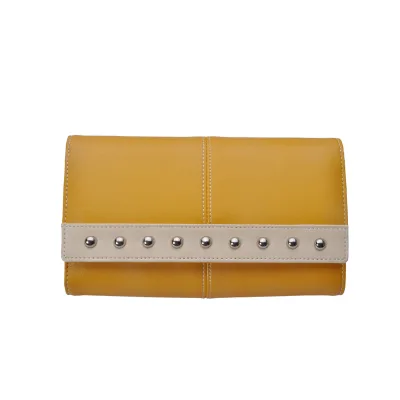


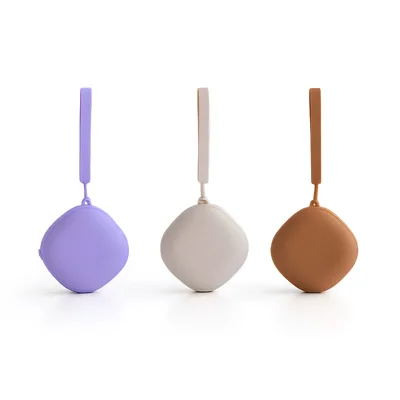

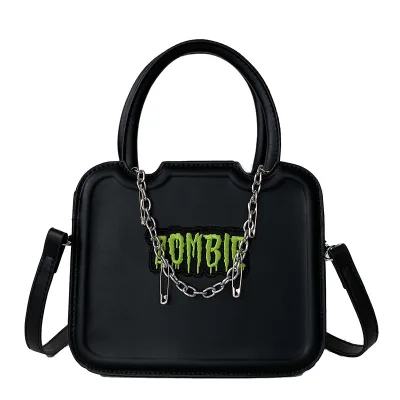
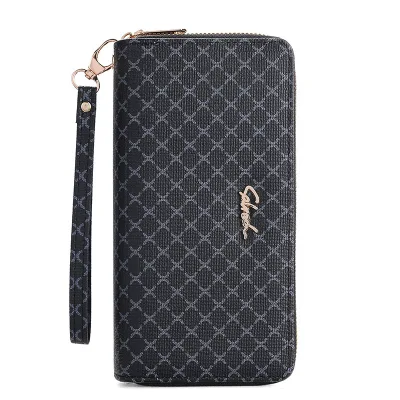
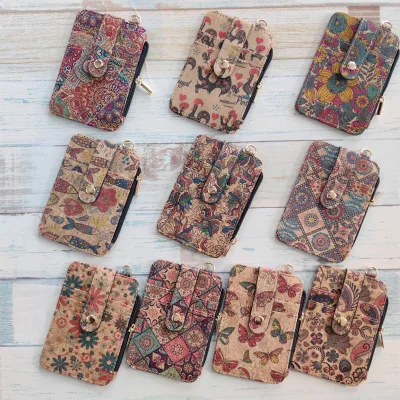
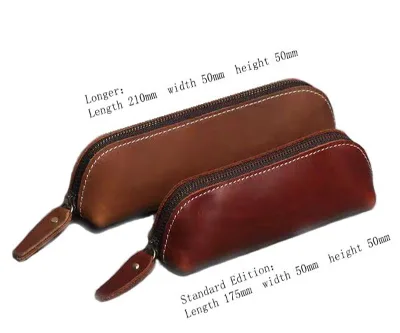
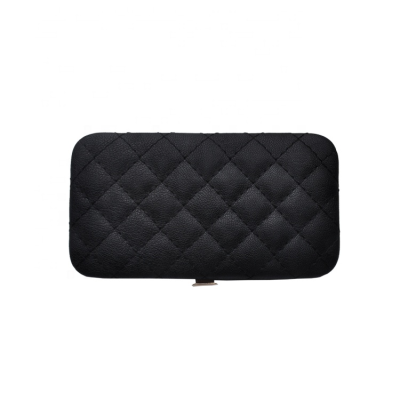
Comprehensive Sourcing Guide
Strategic Sourcing Guide for Gothic Zipper Coin Purse Procurement
The procurement of specialized accessories like the Gothic Zipper Coin Purse requires a disciplined approach that balances aesthetic specificity with rigorous supply chain verification. Buyers entering this market must navigate a landscape where "gothic" serves as a stylistic descriptor rather than a standardized technical specification. The core keyword implies a distinct visual language characterized by dark tones, intricate detailing, and robust closure mechanisms, yet the underlying manufacturing realities vary significantly across potential suppliers. This guide outlines the critical dimensions of sourcing these items, drawing upon observed market data and standard industry practices to ensure a procurement strategy that mitigates risk while securing high-quality inventory.
Defining Technical Specifications and Material Constraints
When sourcing a Gothic Zipper Coin Purse, the primary technical differentiator lies in the material composition and the construction of the zipper mechanism. Observed market data indicates that leather remains a dominant material for this category, offering a premium feel and durability that aligns well with gothic aesthetics. However, alternative materials such as canvas and PU (polyurethane) are also prevalent, often selected for cost efficiency or specific texture requirements. The hardness of the material is a critical specification; products are observed to range from "medium soft" to "soft," which directly impacts the purse's ability to maintain its shape while remaining flexible enough for coin storage.
The zipper itself is the functional heart of the product. While specific brand names of zippers are rarely disclosed in general product listings, the requirement for a secure closure is paramount. Buyers must verify that the zipper teeth are robust enough to withstand repeated opening and closing without snagging, a common failure point in lower-quality coin purses. Furthermore, the "gothic" style often necessitates specific hardware finishes, such as antique silver or blackened metal, which must be verified against the supplier's standard offerings. The product models observed in the market, such as the Leather Coin Purse-061E or Leather Coin Purse-074M, demonstrate that customization is a standard expectation. The size is frequently listed as "customized" or "customizable," meaning buyers cannot rely on a single universal dimension but must define their own length, width, and depth requirements to ensure the purse fits the intended coin or card volume.
Compliance, Certification, and Chemical Safety Standards
In the realm of leather and textile accessories, compliance with chemical safety standards is non-negotiable, particularly for products destined for markets with strict environmental regulations. The observed product data explicitly references standards such as REACH (Registration, Evaluation, Authorization and Restriction of Chemicals) and AZO FREE IF REQUEST. These are not merely marketing terms but critical compliance checkpoints. REACH compliance ensures that the leather and any associated dyes or finishes do not contain substances that are restricted under European Union regulations. Similarly, the AZO-free requirement addresses the use of azo dyes, which can break down into carcinogenic amines.
Buyers must understand that "AZO FREE IF REQUEST" implies a conditional compliance status. It suggests that the supplier may not automatically apply this standard to all orders unless explicitly specified in the purchase agreement. Therefore, the procurement strategy must include a mandatory clause in the contract requiring AZO-free certification for all leather and fabric components. Additionally, while some listings mention "Best" quality, this is a subjective attribute and not a certified standard. Buyers should request third-party test reports to validate claims regarding hardness, waterproofing, and chemical content. The observed data also notes that some products are waterproof while others are non-waterproof, a distinction that must be clearly defined in the technical specification sheet to avoid fulfillment errors.
Cost Drivers and Pricing Dynamics
The pricing structure for gothic zipper coin purses is influenced by a complex interplay of material costs, customization levels, and order volume. The observed price range in the market spans from $0.21 to $20, a wide variance that reflects differences in material quality, labor intensity, and branding. The lower end of this spectrum typically corresponds to PU leather or canvas products with minimal customization, while the higher end is reserved for genuine leather items with intricate gothic detailing and custom hardware.
Order Volume is a primary driver of unit cost. The Minimum Order Quantity (MOQ) observed in the market ranges from 50 to 500 units, with some suppliers setting an MOQ of 1000 pieces for standard items. This variation allows buyers to scale their procurement based on their budget and inventory needs. However, the "Sample Price" observed at $10 highlights the cost barrier for prototyping. For buyers requiring custom designs, the sample phase is a critical cost center. The sample time of approximately 7 to 15 days and production time of about 35 days further influence the total cost of ownership, as longer lead times can impact cash flow and market responsiveness. Buyers should anticipate that customizations, such as specific logos or unique stitching patterns, will increase the unit price and potentially extend the production timeline.
Typical Applications and Market Segmentation
The functional versatility of the Gothic Zipper Coin Purse extends beyond simple coin storage. Observed usage data indicates that these products are designed for holding money, cards, coins, and keys, making them suitable for a broad range of consumer needs. The "Unisex" gender classification and "New" age targeting suggest that these items are marketed as general fashion accessories rather than niche products for specific demographics. The "Korean" and "Trend" style attributes observed in the data point to a market segment that values contemporary fashion influences, where the gothic aesthetic is blended with modern streetwear trends.
The "Spring/Autumn" seasonality noted for some products suggests that these items are often positioned as transitional accessories, suitable for cooler weather when consumers carry more items in their pockets or bags. However, other listings indicate "All" season applicability, implying that the gothic design has a timeless appeal that transcends seasonal trends. The "Fruit Shape Coin Purse-092U" and "Erin" models demonstrate that the market also embraces novelty shapes, which can be adapted to a gothic theme through color and texture choices. The "Stitching Bag" fashion element highlights the importance of craftsmanship in the gothic aesthetic, where visible stitching adds to the rugged, handcrafted look that appeals to the target demographic.
Supplier Evaluation and Verification Protocols
Evaluating a supplier for gothic zipper coin purses requires a multi-faceted approach that goes beyond reviewing product photos. The "OEM Orders: Accept" and "OEM: Yes" attributes confirm that most suppliers are capable of Original Equipment Manufacturing, allowing buyers to brand the products with their own logos. However, the "Logo: Customized" and "Design: as Photo" specifications indicate that the level of customization varies. Buyers must verify the supplier's capability to replicate specific gothic design elements, such as unique zipper pulls or embossed patterns, with high fidelity.
The production origin is a key factor in supplier evaluation. The observed data points to Fujian, China, and general China origins, regions known for their leather and textile manufacturing expertise. Buyers should verify the supplier's location to ensure they are dealing with a manufacturer rather than a trading company, as this impacts quality control and communication efficiency. The "PP Bag/as Your Requirements" and "Each in a Poly Bag and Then Some Into Carton" packing specifications indicate that packaging is flexible, but buyers must define their own requirements to ensure the product arrives in pristine condition. The "Hardness: Medium Soft" and "Hardness: Soft" observations suggest that buyers should request physical samples to verify the tactile quality, as these attributes are difficult to assess remotely.
Quality Control and Long-Term Procurement Considerations
Establishing a robust quality control (QC) protocol is essential for maintaining the integrity of the Gothic Zipper Coin Purse line. The "Quality: Best" attribute is a claim that must be validated through a rigorous inspection process. Buyers should implement a pre-shipment inspection that checks for zipper functionality, stitching consistency, and material defects. The "Waterproof" and "Non-Waterproof" distinctions observed in the data necessitate specific testing protocols; if a waterproof claim is made, water resistance tests must be conducted to verify the performance.
Long-term procurement considerations involve building a sustainable relationship with the supplier. The "Sample Time" of 7 to 15 days and "Production Time" of 35 days indicate that lead times are significant. Buyers should plan their inventory cycles to accommodate these timelines, avoiding stockouts during peak seasons. The "Customization: Available" and "OEM Orders: Accept" features suggest that the supplier is flexible, but buyers must ensure that the customization process is documented and standardized to maintain consistency across production runs. The "Standard: Customized" and "Standard: REACH, AZO FREE IF REQUEST" attributes highlight the need for ongoing compliance monitoring. As regulations evolve, buyers must ensure that their suppliers remain up-to-date with the latest safety standards to avoid supply chain disruptions.
Comparative Analysis of Product Attributes
To facilitate decision-making, the following table summarizes the key attributes observed in the market for gothic zipper coin purses, highlighting the variations buyers must navigate.
| Attribute Category | Observed Variations | Procurement Implication |
|---|---|---|
| Material | Leather, Canvas, PU | Leather offers premium feel; Canvas/PU offers cost savings. Verify texture and durability. |
| Hardness | Medium Soft, Soft | Affects shape retention. Request samples to confirm tactile quality. |
| Waterproof | Waterproof, Non-Waterproof | Critical for functional claims. Specify requirement in contract. |
| MOQ | 50, 100, 500, 1000 PCS | Lower MOQs allow testing; higher MOQs reduce unit cost. |
| Customization | Logo, Size, Design, Packing | Essential for branding. Verify supplier's capability to execute specific designs. |
| Origin | Fujian, China; General China | Indicates manufacturing hub. Verify factory location for quality assurance. |
| Standards | REACH, AZO FREE (if requested) | Mandatory for EU markets. Confirm certification status before ordering. |
| Lead Time | Sample: 7-15 days; Production: 35 days | Plan inventory cycles accordingly to avoid delays. |
Conclusion
Sourcing a Gothic Zipper Coin Purse is a nuanced process that demands attention to detail in material selection, compliance verification, and supplier evaluation. The market offers a wide array of options, from genuine leather pieces with custom logos to canvas alternatives with standard packaging. Buyers must leverage the observed data on customization, standards, and lead times to construct a procurement strategy that aligns with their specific brand requirements and budget constraints. By prioritizing rigorous quality control and maintaining clear communication regarding technical specifications, buyers can secure a reliable supply of high-quality gothic coin purses that meet the demands of the modern fashion market. The flexibility observed in packaging, sizing, and design customization provides a strong foundation for building a diverse and responsive product line, provided that the underlying compliance and quality standards are strictly enforced.
FAQs
What materials are used for gothic zipper coin purses?
Leather, canvas, and PU are the primary materials observed in this category. Buyers must verify specific material claims as hardness varies from medium soft to soft, affecting shape retention and durability for coin storage.
Can suppliers customize the size and logo of these purses?
Yes, customization for size and logo is available across most models. Buyers should note that size is often listed as customized or customizable, requiring specific dimension definitions to ensure the purse fits intended coins or cards.
What certifications apply to leather coin purse production?
REACH compliance and AZO-free standards are key certifications referenced in the market. Buyers must explicitly request AZO-free certification as it is conditional, ensuring dyes and finishes meet European Union safety regulations for chemical content.
How long does production take for custom orders?
Production typically takes about 35 days after sample approval. Sample creation requires approximately 7 to 15 days, so buyers must plan inventory cycles carefully to accommodate these significant lead times for custom designs.
Which suppliers offer low minimum order quantities?
Minimum order quantities range from 50 to 1000 pieces depending on the supplier and model. Lower MOQs allow for testing inventory, while higher volumes often reduce unit costs, with some standard items requiring 1000 pieces.
Are these coin purses waterproof or water-resistant?
Waterproof capabilities vary, with some products listed as waterproof and others as non-waterproof. Buyers must clearly define this requirement in the technical specification sheet to avoid fulfillment errors regarding the product's functional performance.