Source Eco Design Inverter Compressor for Refrigeration
Find Eco Design Inverter Compressor options for commercial and household refrigeration needs. Compare 30 listings from Chinese manufacturers featuring air cooling, copper materials, and various power sources to find the right fit for your equipment; compare the available evidence and request quotations based on your requirements.
Updated
Key considerations
Products List
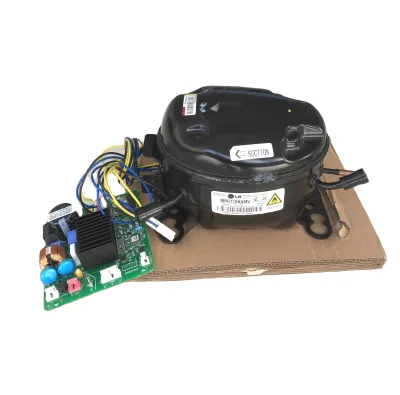
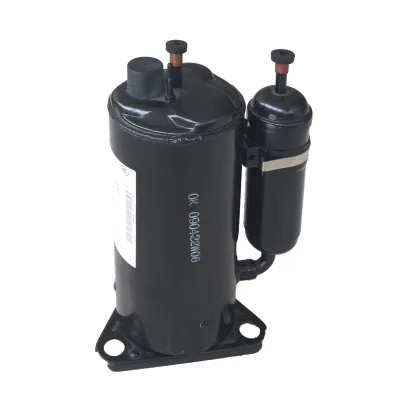


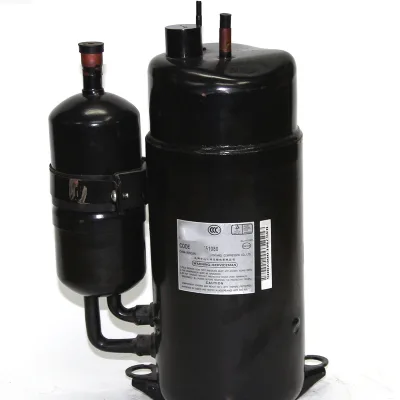
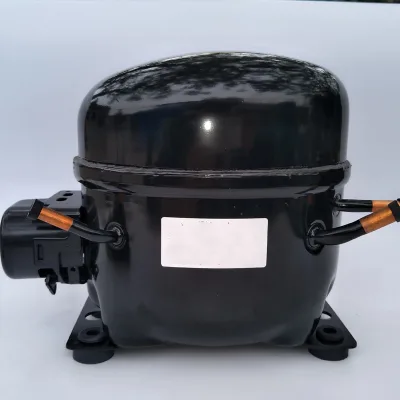
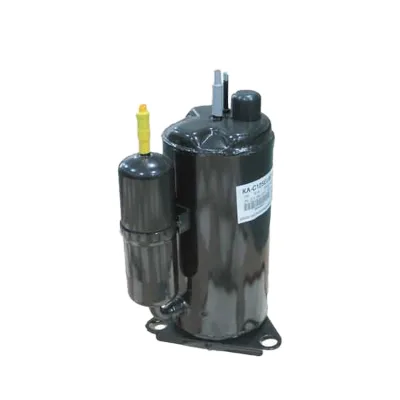
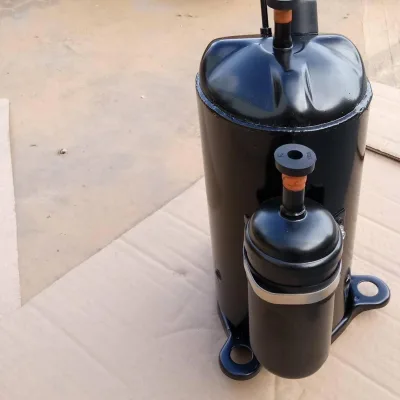
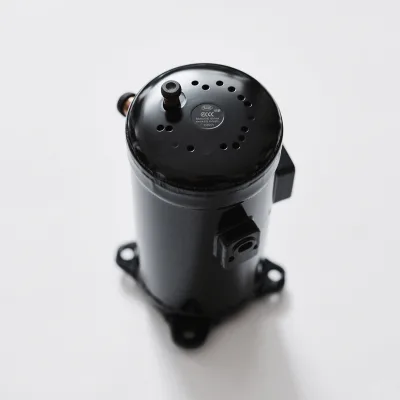
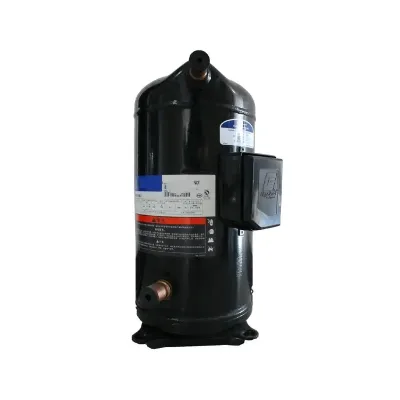
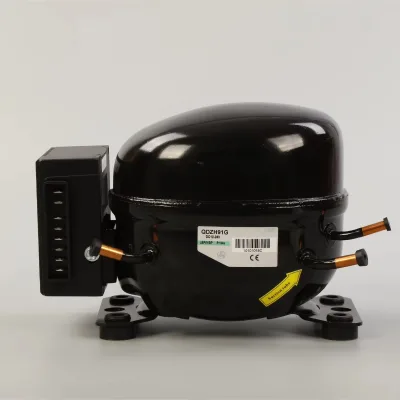
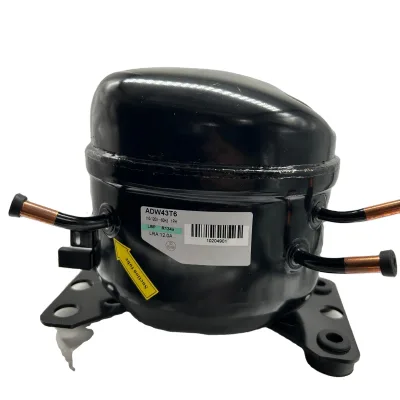
Inverter Compressor for Refrigerator and Ice Machine R134a M/HBP 220-240V~50Hz
$31.7436 - $34.8149
MOQ: 80 pieces
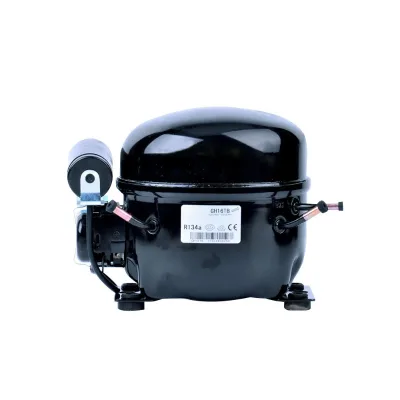
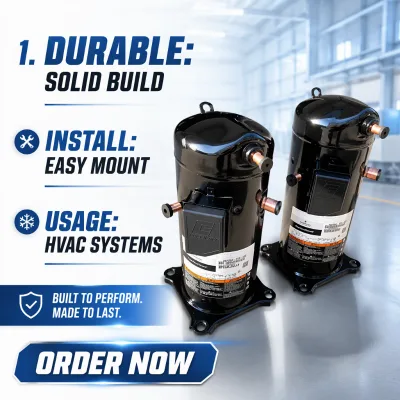
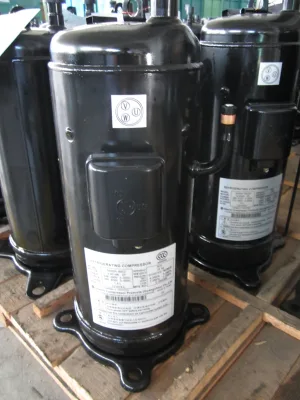
AC Compressor Low Noise DC Inverter Home air Conditioning Refrigeration System
$35.8636 - $51.2335
MOQ: 150 pieces


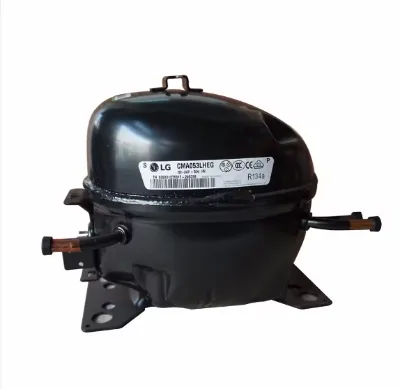


39. DC Inverter Compressor for High-Efficiency Refrigeration Systems 48V R134A
$240.00 - $390.00
MOQ: 1 Pieces


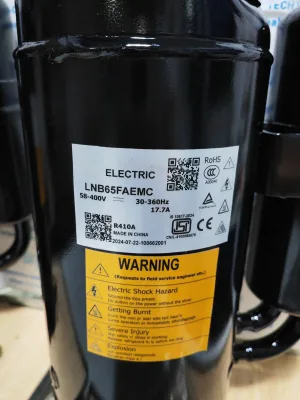


$54.21 - $58.50
MOQ: 100 Pieces

Eco-Friendly Refrigeration Compressor Air Conditon Compressor for Cold Room
$457.00 - $500.00
MOQ: 1 Pieces
Comprehensive Sourcing Guide
Eco Design Inverter Compressor Sourcing Guide
Sourcing eco design inverter compressors requires a strategic alignment of energy efficiency goals with reliable mechanical performance. Buyers must prioritize components that reduce power consumption while maintaining consistent cooling output across varying load conditions. The market offers diverse options, including rotary and twin-screw types, each suited for specific thermal management needs. Understanding the distinction between AC and DC inverter technologies is crucial for selecting the right unit for your application.
Procurement teams should evaluate suppliers based on their ability to provide detailed technical documentation and verified performance data. The presence of features such as air cooling systems and closed-type structures indicates a focus on durability and ease of maintenance. By focusing on these core attributes, buyers can ensure that the selected compressors meet both environmental standards and operational requirements for commercial or household refrigeration systems.
Product Scope and Observed Listing Signals
The current market landscape for eco design inverter compressors includes a variety of product types, ranging from single-unit household models to industrial-grade commercial units. Observed listings indicate a broad price range, reflecting differences in capacity, material quality, and technological sophistication. Buyers should note that some products are marketed with specific model numbers, such as 1/4HP or 1HP, which denote their power output and suitability for different refrigeration capacities.
Material composition is a key differentiator, with copper and metal being common choices for durability and heat exchange efficiency. Some listings highlight features like eco-friendly materials and easy installation, which appeal to buyers focused on sustainable procurement. Additionally, the availability of customization options and specific packaging types, such as corrugated boxes, suggests that suppliers are adapting to diverse logistical needs. Buyers must carefully review these signals to match product specifications with their operational requirements.
Technical Specifications to Verify
Verifying technical specifications is essential to ensure that the Eco Design Inverter Compressor meets your system's demands. Key parameters include voltage ratings, which can vary from 12V DC to 220-240V AC, depending on the application. Buyers should confirm the power source and installation type, such as stationary or portable, to ensure compatibility with existing infrastructure. The cooling system type, whether air or liquid cooling, also plays a critical role in thermal management efficiency.
Structural attributes like cylinder position and lubrication style further influence performance and maintenance needs. For instance, vertical cylinder positions and lubricated systems are common in robust industrial applications. Additionally, the weight and dimensions of the unit, such as a gross weight of 0.0 kg or specific package sizes, impact shipping costs and handling procedures. Buyers must cross-reference these specifications with their technical requirements to avoid mismatches that could lead to operational inefficiencies.
Compliance and Safety Documentation
Compliance with safety and environmental standards is non-negotiable when sourcing eco design inverter compressors. Buyers should request machinery test reports and video outgoing-inspection documentation to verify that the products have undergone rigorous quality checks. Although some listings may indicate that test reports are not available, this absence should prompt further inquiry into the supplier's quality assurance processes. Ensuring that the compressors meet relevant international standards is crucial for market access and regulatory compliance.
Warranty terms and after-sales service provisions are also critical components of the compliance framework. A warranty of one year or more than five years can significantly impact the total cost of ownership. Buyers should verify the availability of free spare parts and the supplier's capability to provide logo or graphic design services if branding is required. These documentation elements provide assurance that the supplier is committed to long-term product support and reliability.
Cost Drivers and Commercial Terms
Understanding the cost drivers associated with eco design inverter compressors helps buyers negotiate better commercial terms. Factors such as material costs, manufacturing complexity, and energy efficiency ratings directly influence the final price. The observed price range of 20 to 5000 USD reflects the diversity in product capabilities and target markets. Buyers should analyze these costs in the context of their volume requirements and long-term operational savings.
Minimum order quantities (MOQ) and lead times are significant commercial considerations that affect inventory management and cash flow. MOQs can range from 1 to 2000 units, allowing for flexibility in procurement strategies. Buyers should also consider the supplier's packaging standards, such as standard export packing, which can impact shipping efficiency and product protection. Clear communication regarding these terms ensures a smoother procurement process and minimizes unexpected costs.
Supplier Qualification and Quality Control
Supplier qualification is a critical step in mitigating procurement risks for eco design inverter compressors. Buyers should assess the supplier's place of origin, with regions like Anhui and Shandong in China being notable manufacturing hubs. Verifying the supplier's production capabilities and quality control processes is essential to ensure consistent product quality. Requesting samples and conducting factory audits can provide valuable insights into the supplier's operational standards.
Quality control measures, including video outgoing-inspection and detailed product specifications, serve as indicators of a supplier's commitment to excellence. Buyers should also evaluate the supplier's ability to provide customization services, such as inkjet printing for logos, which may be required for branding purposes. Establishing a strong relationship with a qualified supplier ensures that the eco design inverter compressors meet your quality expectations and support your business objectives.
Long-Term Procurement Checks
Long-term procurement checks involve monitoring the performance and reliability of eco design inverter compressors over time. Buyers should track key performance indicators, such as energy consumption and maintenance frequency, to assess the value of their investment. Regular reviews of supplier performance and product quality help identify potential issues early and allow for proactive management. This ongoing evaluation ensures that the procurement strategy remains aligned with evolving business needs.
Sustainability and environmental impact are increasingly important factors in long-term procurement decisions. Buyers should prioritize suppliers who demonstrate a commitment to eco-friendly practices and continuous improvement in product design. By maintaining a focus on these long-term checks, buyers can build a resilient supply chain that supports their operational goals and contributes to broader environmental objectives. This strategic approach ensures sustained value and reliability in the procurement of eco design inverter compressors.
FAQs
What warranty is provided for TECHSUN inverter compressors?
A 1-year warranty is provided for TECHSUN inverter compressors. This coverage ensures reliability for refrigeration parts applications. Buyers should verify specific terms with the supplier. The warranty supports the product's durability claims. Standard export packing is used for shipping. This protection helps mitigate initial investment risks for commercial buyers.
Can these compressors be customized for specific needs?
Yes, customization is available for these inverter compressors. Buyers can request specific modifications to meet unique requirements. The product supports various industrial and commercial applications. Custom options may affect lead times and pricing. Suppliers should be consulted for detailed customization capabilities. This flexibility ensures the equipment fits specific operational needs.
What is the origin of these compressor units?
The origin of these compressor units is China. Specific locations include Anhui and Shandong provinces. This regional sourcing provides access to established manufacturing hubs. Buyers should verify the exact place of origin for each order. The location influences logistics and shipping costs. Chinese manufacturing is known for competitive pricing in this sector.
What material is used in the compressor construction?
Copper and metal materials are used in the construction. These materials ensure durability and efficient heat transfer. The choice of material supports long-term performance. Buyers should check specific model requirements for material composition. High-quality materials contribute to the product's eco-friendly design. This construction method aligns with modern refrigeration standards.
What is the typical MOQ for these products?
The typical MOQ ranges from 1 to 2000 units. This flexibility accommodates both small and large orders. Buyers can negotiate MOQs based on their volume needs. The range supports various business scales and requirements. Suppliers may offer different terms for bulk purchases. Understanding MOQs helps in planning inventory and cash flow effectively.
What voltage options are available for these compressors?
Voltage options include 12V DC and 220-240V AC. These options support diverse power source requirements. Buyers should select the voltage matching their equipment. The inverter technology allows for efficient energy use. Different models may have specific voltage constraints. Verifying voltage compatibility is crucial for proper installation and operation.