Source Eco-Friendly American Style Cake Stand for Hotels
Compare 30 listings for Eco-Friendly American Style Cake Stand options suitable for hotels, homes, and events. Buyers can review materials like porcelain and metal, sizes, and customization features from verified suppliers in China; compare the available evidence and request quotations based on your requirements.
Key considerations
Products List
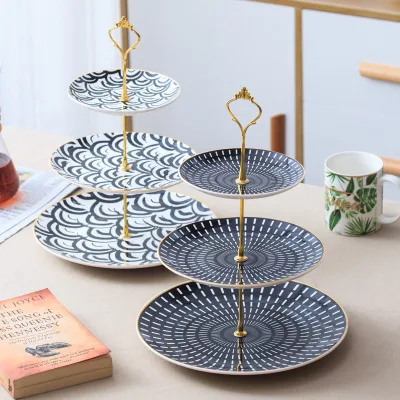


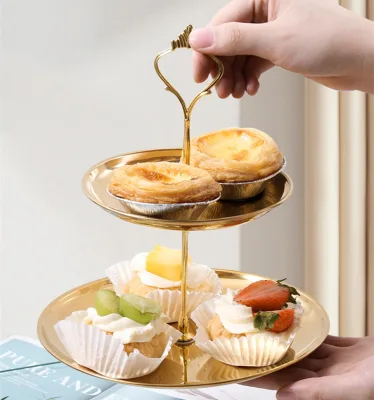


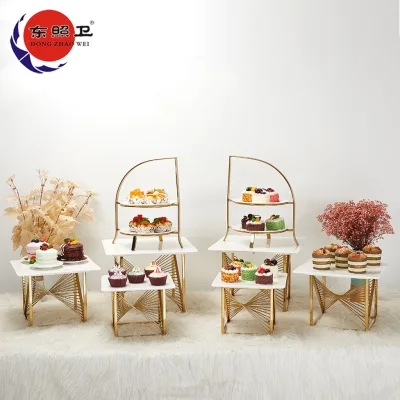


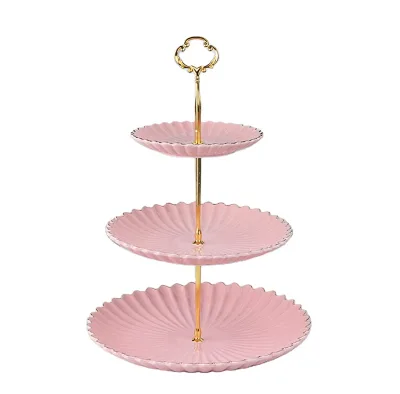


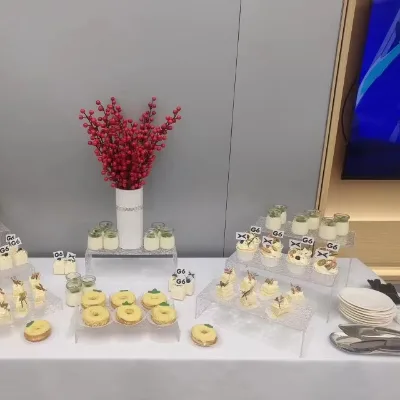
Luxury Storage Rack Dessert Cakes Stands Cake Stand for Home and Wedding Decoration
$12.79 - $50.00
MOQ: 6 Minimum
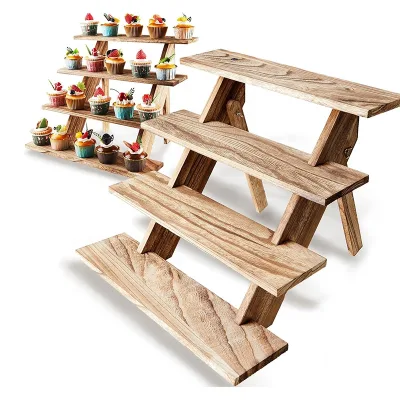


Comprehensive Sourcing Guide
Eco-Friendly American Style Cake Stand Sourcing Guide
Sourcing eco-friendly American style cake stands requires balancing aesthetic appeal with sustainable material choices and functional durability. Buyers must navigate a market where "eco-friendly" claims vary significantly in meaning, ranging from recycled content to biodegradable components. The American style often implies specific design cues such as classic silhouettes, neutral color palettes, or rustic finishes that complement traditional dining settings. Understanding these stylistic nuances is crucial for aligning product selection with target market expectations, particularly in hospitality and home decor sectors where visual consistency matters.
Procurement teams should prioritize suppliers who provide transparent material disclosures and verifiable sustainability credentials. While many listings advertise eco-friendly attributes, the actual composition may include mixed materials like ceramic, metal, or fabric components that complicate recycling or disposal. Evaluating the entire product lifecycle, from manufacturing energy use to end-of-life recyclability, ensures that the "eco-friendly" label holds substantive value. This approach helps mitigate greenwashing risks and supports corporate social responsibility goals by ensuring that purchased goods genuinely contribute to environmental stewardship rather than merely marketing appeal.
Product Scope and Observed Listing Signals
The current market landscape for cake stands reveals a diverse array of materials, including porcelain, ceramic, metal, and fabric, each offering distinct aesthetic and functional properties. Listings frequently highlight features such as multicolor options, square or round shapes, and modern or American styles, catering to varied interior design preferences. Some products emphasize customization capabilities, allowing buyers to tailor dimensions, colors, and logos to specific brand identities. This flexibility is particularly valuable for businesses seeking unique tableware solutions that stand out in competitive hospitality environments or retail displays.
Observed supply chain indicators suggest that many manufacturers are based in Guangdong and Shandong provinces in China, leveraging established industrial clusters for production efficiency. Supply abilities often reach tens of thousands of sets per month, indicating robust manufacturing capacity for large-scale orders. However, buyers should note that product attributes like "eco-friendly" or specific material compositions are often presented as general observations rather than guaranteed specifications for every item. Verifying the exact material composition and construction methods for each SKU is essential to ensure alignment with procurement standards and sustainability commitments.
Technical Specifications to Verify
Technical verification begins with confirming dimensional accuracy and structural integrity, as cake stands must support varying weights without compromising stability. Buyers should request detailed specifications for single package sizes, gross weights, and overall dimensions to ensure compatibility with storage, shipping, and display requirements. For instance, some listings indicate specific dimensions like 22.840(DH) or customizable sizes, which directly impact logistics planning and shelf space allocation. Understanding these physical parameters helps prevent unexpected costs related to oversized packaging or inadequate load-bearing capacity during transit.
Material composition and finish quality are equally critical, as they determine both aesthetic appeal and long-term durability. Porcelain and ceramic stands offer a classic, elegant look but may be prone to chipping if not handled carefully, while metal options provide robustness and a modern aesthetic. Fabric components, if present, require specific care instructions and may affect the overall eco-friendly profile depending on their source and treatment. Buyers should insist on material certificates and finish samples to verify that the products meet specified quality thresholds and withstand regular use in commercial settings without rapid degradation.
Compliance and Safety Documentation
Compliance with food safety standards is non-negotiable for any product intended for direct or indirect food contact, even if the cake stand is primarily decorative. Buyers must ensure that all materials, including glazes, coatings, and structural components, are free from harmful substances like lead or cadmium, which can leach into food over time. Requesting relevant food contact safety certificates from suppliers is essential to mitigate health risks and regulatory liabilities. These documents should be verified against current international standards to ensure that the products meet the legal requirements of the destination market.
Environmental compliance extends beyond material safety to include manufacturing processes and waste management practices. While some suppliers may claim certifications like FSC, buyers should independently verify the validity and scope of such credentials, as they often apply to specific components rather than the entire product. Understanding the full regulatory landscape, including REACH in Europe or Prop 65 in California, helps buyers avoid costly recalls or legal disputes. Proactive engagement with suppliers regarding their environmental management systems ensures that procurement decisions align with broader sustainability goals and regulatory expectations.
Cost Drivers and Commercial Terms
Cost structures for cake stands are influenced by material selection, manufacturing complexity, and order volume. Premium materials like high-quality porcelain or intricate metalwork typically command higher prices, while simpler designs or bulk production runs can reduce unit costs. Buyers should analyze the relationship between price and quality, recognizing that significantly lower prices may indicate compromised materials or manufacturing shortcuts. Understanding these cost drivers enables more accurate budgeting and helps identify opportunities for cost savings without sacrificing essential quality attributes.
Commercial terms, including minimum order quantities (MOQs) and payment conditions, vary widely among suppliers. Some listings indicate MOQs as low as one unit, catering to small businesses or sample orders, while others require larger commitments to achieve favorable pricing. Lead times and shipping terms also play a significant role in total cost of ownership, with factors like port of dispatch and packaging efficiency affecting logistics expenses. Negotiating clear terms regarding warranties, returns, and defect resolution is crucial to protect against unexpected costs and ensure a smooth procurement process.
Supplier Qualification and Quality Control
Supplier qualification involves assessing manufacturing capabilities, quality management systems, and past performance records. Buyers should prioritize suppliers with established track records in producing similar products, as this indicates familiarity with relevant technical challenges and market expectations. Requesting factory audits or third-party verification reports provides insight into production standards, worker conditions, and environmental practices. These assessments help ensure that suppliers can consistently deliver products that meet specified quality and compliance requirements.
Quality control protocols must be clearly defined and enforced throughout the production process. Buyers should establish detailed inspection criteria covering dimensions, material integrity, finish quality, and packaging durability. Implementing pre-shipment inspections or hiring independent quality assurance firms can help identify defects before goods leave the factory, reducing the risk of receiving substandard products. Clear communication of quality expectations and regular feedback loops with suppliers foster continuous improvement and ensure that procurement outcomes align with organizational standards.
Long-Term Procurement Checks
Long-term procurement success depends on continuous monitoring of supplier performance and market trends. Regularly reviewing supplier metrics, such as on-time delivery rates, defect frequencies, and responsiveness to issues, helps identify potential risks and areas for improvement. Building strong relationships with reliable suppliers fosters collaboration and innovation, enabling buyers to access new products and technologies that align with evolving sustainability and design trends. This proactive approach ensures that procurement strategies remain agile and responsive to changing market demands.
Sustainability goals should be regularly reassessed and updated to reflect advancements in materials and manufacturing processes. Engaging with suppliers on joint sustainability initiatives, such as reducing carbon footprints or improving recyclability, can drive meaningful progress beyond initial compliance. Staying informed about regulatory changes and consumer preferences ensures that procurement decisions remain relevant and impactful. By maintaining a strategic focus on long-term value creation, buyers can build resilient supply chains that support both business objectives and environmental stewardship.
FAQs
What materials are used for the cake stands?
The product is available in porcelain, ceramic, metal, and fabric materials. Some models feature a square shape while others are round. Buyers can select from multicolor or black options depending on the specific model requirements and design preferences.
Can I request a customized logo on the stand?
Yes, customized logos are accepted for this product line. The supplier supports OEM and ODM services to meet specific branding needs. This allows buyers to personalize the appearance of the cake stand for their hotel or home use requirements effectively.
What is the minimum order quantity for these items?
The minimum order quantity ranges from one to five thousand units depending on the specific product configuration. Buyers should verify the exact MOQ for their selected model as it varies across different listings. This flexibility supports both small and large procurement needs.
Where are these cake stands manufactured and shipped from?
These items originate from Guangdong and Shandong provinces in China. The primary ports of dispatch include Shenzhen, Guangzhou, and Foshan. This location ensures efficient logistics for international buyers seeking reliable shipping routes for their bulk orders.
How long is the warranty period for the product?
The product comes with a three-year warranty period for covered defects. This coverage applies to the structural integrity and material quality of the stand. Buyers should review specific terms to understand what is included under this warranty protection.
What is the monthly supply capacity for these stands?
The supplier has a monthly supply capacity of fifty thousand sets. This high volume ensures consistent availability for large orders without significant delays. Buyers can rely on this capacity to meet their seasonal demand or bulk purchasing requirements effectively.
Are these cake stands considered eco-friendly products?
Yes, the product features are explicitly listed as eco-friendly. This attribute applies to the manufacturing process and material selection for the stand. Buyers seeking sustainable options can find these items suitable for their environmentally conscious sourcing strategies.