Source eco-friendly aluminum sports drink bottle with rope for Water, Beverage, and Coffee
Compare 30 listings for eco-friendly aluminum sports drink bottle with rope options featuring round or shaped designs, various capacities from 100ml to 500ml, and customizable colors. Buyers can review specifications for sealing types, certifications like CE and ISO, and lead times ranging from 5 to 45 days for bulk orders.
Key considerations
Products List


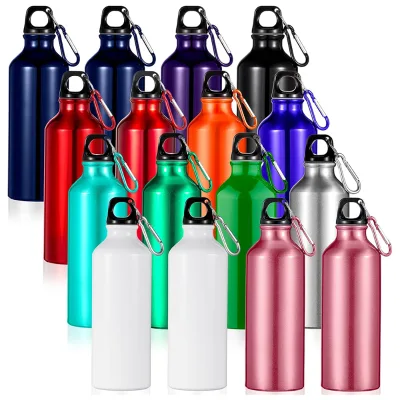
Drinking Aluminum Sports Water Bottle Aluminum Bottle 300ml, 400ml, 500ml, 600ml
$0.01 - $0.30
MOQ: 10000 Pieces




Comprehensive Sourcing Guide
Strategic Sourcing Guide for Eco-Friendly Aluminum Sports Drink Bottles with Rope
Procuring eco-friendly aluminum sports drink bottles with rope attachments requires a nuanced understanding of material properties, manufacturing standards, and supply chain logistics. The market for beverage packaging has shifted significantly toward sustainable materials, with aluminum emerging as a premier choice due to its infinite recyclability and superior barrier properties. When sourcing a product defined by the specific combination of aluminum construction, sports utility, and rope integration, buyers must navigate a complex landscape of technical specifications and supplier capabilities. This guide provides a structured approach to evaluating potential suppliers and ensuring the final product meets rigorous performance and sustainability criteria.
Material Composition and Structural Integrity
The foundation of any aluminum sports bottle lies in the raw material quality and the manufacturing process used to form the vessel. In the context of the current market data, aluminum is the primary material of interest, often processed into specific shapes such as round bottles or custom-shaped vessels to enhance grip and aesthetics. The structural integrity of the bottle is critical for sports applications, where the container must withstand impacts, pressure changes, and repeated handling.
Buyers should verify that the aluminum used meets specific alloy standards suitable for food and beverage contact. The manufacturing process typically involves deep drawing or spinning to create the bottle body, followed by an internal coating to prevent aluminum from reacting with acidic or carbonated beverages. While the provided data mentions capacities ranging from 100ml to 500ml, and specific standards like 200ml, 250ml, 300ml, 330ml, and 400ml, the exact alloy composition and wall thickness must be confirmed with the supplier. The "Double Wall" and "Vacuum" features noted in the product attributes indicate that insulation is a key performance metric. This double-wall construction is essential for maintaining beverage temperature, a primary requirement for sports bottles used during physical activity.
The integration of the rope is a distinct design element that adds functionality but introduces potential points of failure. The rope attachment must be securely fastened to the bottle cap or body without compromising the seal. In the observed product attributes, the cap is frequently described as a "Plastic Cap" or "Screw Cap," which serves as the anchor point for the rope. Buyers must ensure that the rope material itself is durable, resistant to UV degradation, and does not fray under tension. The "Leak Proof" feature is a critical attribute that must be validated, as the rope attachment mechanism should not interfere with the sealing integrity of the cap.
Compliance, Certification, and Safety Standards
Ensuring that the aluminum bottles are safe for human consumption and compliant with international regulations is a non-negotiable aspect of the sourcing process. The market data indicates that suppliers often hold certifications such as CE, ISO, and FDA. These certifications are vital indicators of a supplier's commitment to quality and safety. The FDA certification, for instance, confirms that the materials used in the bottle and its components are safe for food contact, a requirement for any beverage packaging intended for the North American market.
ISO certifications, particularly ISO 9001, demonstrate that the supplier operates under a certified quality management system, ensuring consistent production processes and defect reduction. The CE marking indicates compliance with European health, safety, and environmental protection standards. However, buyers should not assume that a supplier holds all these certifications simultaneously for every product line. It is essential to request valid, up-to-date certification documents for the specific batch or production run being considered.
Beyond general certifications, specific standards for aluminum packaging must be verified. The data references standards such as "250 ml" and "500 ml," which likely refer to volume capacities rather than material standards. Buyers should inquire about compliance with specific international food safety standards, such as those governing heavy metal leaching limits in aluminum containers. The "Health Care" feature mentioned in the attributes suggests that the bottles may be marketed for wellness applications, which often entails stricter scrutiny of material purity and coating safety.
Cost Drivers and Pricing Dynamics
The cost of sourcing aluminum sports bottles is influenced by several variables, including raw material prices, production complexity, and order volume. The observed MOQ (Minimum Order Quantity) ranges widely, from 2 units to 100,000 units, with specific data points highlighting MOQs of 30,000 PCS and 100,000 PCS. This variation suggests that suppliers have different thresholds for economic production runs. For buyers with lower volume requirements, the unit cost will be significantly higher due to the fixed costs of mold setup and machine calibration.
The "Customized Color" and "Printed" attributes indicate that branding and aesthetic customization are major cost drivers. The ability to apply up to 9 colors or specific multicolor designs requires additional printing processes, such as screen printing or digital printing, which add to the per-unit cost. The "Polybag," "Carton Box," and "Tray" packing options also affect the final price, as more protective or branded packaging solutions incur higher material and labor costs.
Payment terms, such as the observed "30% Deposit, 70% Balance," are standard in the industry but can impact cash flow planning. Buyers should also consider the cost of samples, which can be "Free Sample" or "Freight Collect." While free samples reduce initial costs, the freight charges for "Freight Collect" samples can be substantial depending on the destination. The "Bulk Time" of 35-45 days and "Sample Time" of 5-7 to 10 days must be factored into the total cost of ownership, as delays can impact market launch timelines and inventory management.
Typical Applications and Usage Scenarios
The versatility of aluminum sports bottles with rope attachments makes them suitable for a wide range of applications. The data explicitly mentions uses for "Water," "Beverage," "Beer," "Soft Drinks," "Coffee," and "Carbonated Drinks." This broad applicability stems from the material's ability to protect contents from light and oxygen, preserving flavor and freshness. The "Sport" style and "Adult" age target suggest a primary focus on active lifestyles, where the rope facilitates easy carrying during running, cycling, or gym workouts.
The "Vacuum" and "Double Wall" features make these bottles particularly suitable for hot and cold beverages, catering to the "Coffee" and "Carbonated Drinks" segments. The leak-proof design ensures that the bottle can be tossed into a gym bag or backpack without spilling, a critical requirement for sports and travel. The "Customized" nature of the product allows for branding opportunities, making these bottles ideal for promotional events, corporate gifts, and team merchandise.
The "Shaped Bottle" and "Round Bottle" options offer different ergonomic experiences. Shaped bottles may provide a better grip for specific sports, while round bottles offer a classic, versatile design. The "Fancy" printed options allow for unique visual identities, appealing to consumers looking for style alongside functionality. The "Health Care" feature implies that these bottles can be marketed as part of a wellness lifestyle, encouraging hydration and healthy habits.
Supplier Evaluation and Production Capabilities
Evaluating suppliers requires a deep dive into their production capabilities, location, and reliability. The data indicates that the "prod_origin" is primarily "Guangdong, China (Mainland)" or generally "China." Guangdong is a major manufacturing hub for packaging and consumer goods, offering a robust supply chain for aluminum and plastic components. However, buyers should verify the specific factory's capacity to handle the required order volume and customization needs.
Key evaluation criteria include the supplier's ability to meet the "Sample Time" and "Bulk Time" commitments. A supplier promising a 5-7 day sample time must have the infrastructure to produce prototypes quickly without compromising quality. Similarly, a 35-45 day bulk production time must be realistic given the current raw material availability and factory workload. The "Customization" availability is a strong indicator of a supplier's flexibility, but buyers should assess the complexity of the customization process, including the time required for mold creation and color matching.
The "prod_packing" options, ranging from "Polybag" to "Carton Box" and "Tray," reflect the supplier's attention to detail in logistics and protection. A supplier offering "Standard Size" packing may lack the flexibility for custom packaging solutions, which could be a limitation for brands with specific retail requirements. Buyers should also check the supplier's history of handling "Free Samples" versus "Freight Collect" samples to gauge their customer service approach.
Quality Control and Long-Term Procurement Strategy
Implementing a robust quality control (QC) strategy is essential to ensure that the aluminum bottles meet the specified performance standards. The "Leak Proof" and "Health Care" attributes necessitate rigorous testing for seal integrity and material safety. Buyers should establish clear acceptance criteria for defects, such as scratches on the aluminum surface, misaligned caps, or faulty rope attachments. The "Double Wall" and "Vacuum" features require specific testing to verify insulation performance and structural stability under pressure.
Long-term procurement considerations involve building a sustainable relationship with suppliers who can scale with demand. The wide range of observed MOQs suggests that suppliers may be willing to negotiate terms for repeat orders or larger commitments. Buyers should prioritize suppliers who demonstrate transparency in their production processes and are willing to share test results or certification documents. The "Customized" nature of the product means that changes in design or branding may be frequent, so a supplier's agility in adapting to these changes is crucial.
Furthermore, the environmental impact of the product aligns with the "eco-friendly" keyword. Aluminum is highly recyclable, but the sourcing of raw materials and the energy used in production also contribute to the overall carbon footprint. Buyers should inquire about the supplier's sustainability practices, such as the use of renewable energy in manufacturing or the implementation of waste reduction programs. Ensuring that the "Rope" and other components are also made from sustainable materials can enhance the eco-friendly profile of the final product.
Summary of Key Procurement Parameters
To facilitate a clear comparison of potential suppliers and product options, the following table summarizes the key parameters observed in the market data. This summary serves as a checklist for buyers to verify against their specific requirements.
| Parameter | Observed Range/Options | Verification Requirement |
|---|---|---|
| Material | Metal (Aluminum) | Confirm food-grade alloy and coating safety. |
| Capacity | 100ml - 500ml (e.g., 16 oz, 200ml, 250ml) | Verify exact volume and wall thickness. |
| MOQ | 2 - 100,000 PCS (Common: 30k, 100k) | Negotiate based on order volume and budget. |
| Certifications | CE, ISO, FDA | Request valid certificates for specific batches. |
| Sample Time | 1-10 Days (Common: 5-7 Days) | Confirm lead time for prototype approval. |
| Bulk Time | 35-45 Days | Assess impact on inventory and launch dates. |
| Sealing Type | Rubber Stopper, Screw Cap | Test for leak-proof performance under pressure. |
| Customization | Color (1-9, Multicolor), Printed, Shaped | Verify color matching accuracy and print durability. |
| Packing | Polybag, Carton Box, Tray, Standard Size | Ensure packaging meets shipping and retail needs. |
| Origin | Guangdong, China (Mainland) | Verify factory location and logistics capabilities. |
By adhering to these guidelines and maintaining a disciplined approach to verification, buyers can successfully source high-quality, eco-friendly aluminum sports drink bottles with rope attachments that meet both functional and sustainability goals. The complexity of the product requires a balance between technical scrutiny and strategic supplier management to ensure a successful procurement outcome.
FAQs
Can I get free samples of the aluminum bottle?
Yes, free samples are available for many products. However, some suppliers may require freight collect charges for shipping the sample to your location.
What certifications do these bottles hold?
These bottles typically hold CE, ISO, and FDA certifications. Buyers should verify specific documents to ensure compliance with food safety standards for their target market.
What is the minimum order quantity for production?
The minimum order quantity varies significantly, ranging from 30,000 to 100,000 pieces depending on the supplier and customization level. Lower volumes may not be economically viable.
How long does it take to produce a bulk order?
Bulk production typically takes between 35 to 45 days. This timeline includes manufacturing, quality checks, and preparation for shipment from the factory in Guangdong, China.
What payment terms are standard for this product?
Standard payment terms usually require a 30% deposit with the remaining 70% balance paid before shipment. Some suppliers may offer flexible terms for established partners.
Can the bottle color be customized?
Yes, customized colors are available with options for up to nine different colors. This allows for branding flexibility while maintaining the eco-friendly aluminum material integrity.
What is the capacity range for these bottles?
The capacity ranges from 100ml to 500ml, with specific standards including 200ml, 250ml, and 330ml options. This variety supports different beverage types like water or coffee.