Source eco-friendly anti-slip silicone placemat for Home Hotel Restaurant
Compare 30 listings of eco-friendly anti-slip silicone placemat options featuring heat resistance and dishwasher safety. Buyers can evaluate materials, sizes, and customization services from verified suppliers in China.
Key considerations
Products List
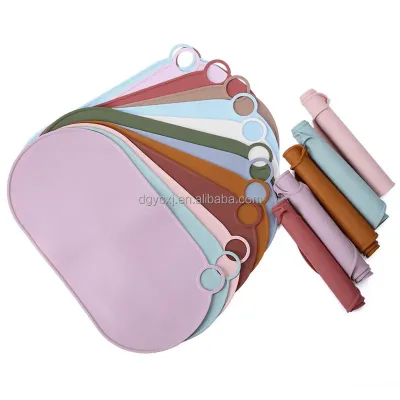
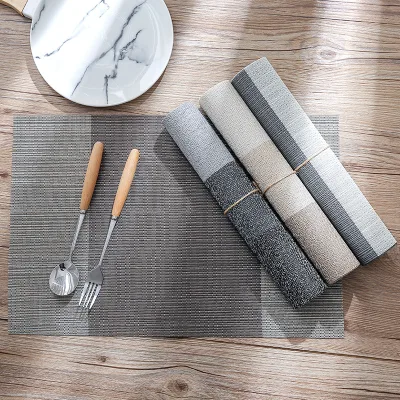
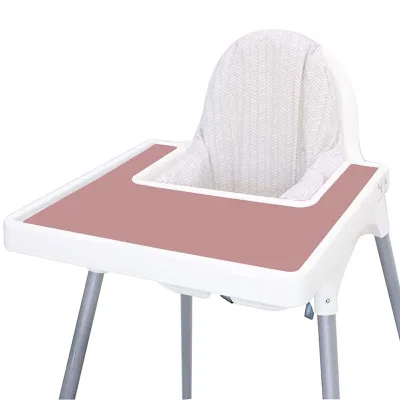
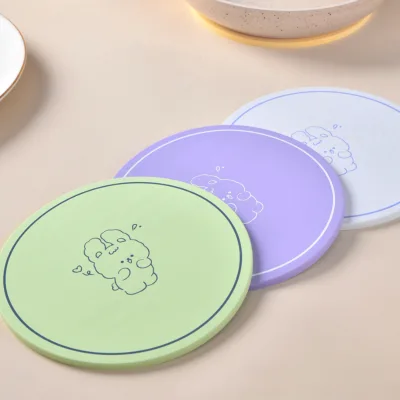
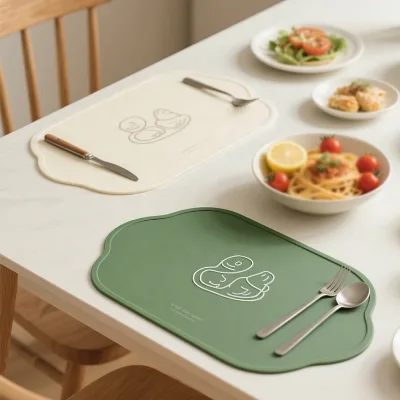
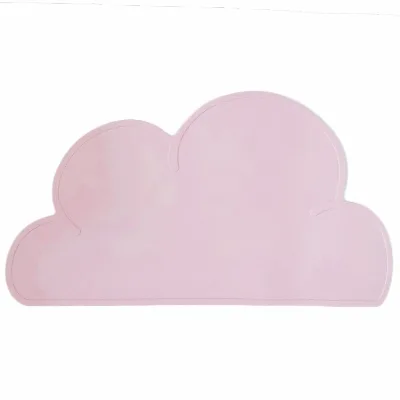


Customized Silicone Pot Cup Bowl Coaster Placemat Kitchenware Promotion Gift
$1.05 - $1.35
MOQ: 1000 Pieces



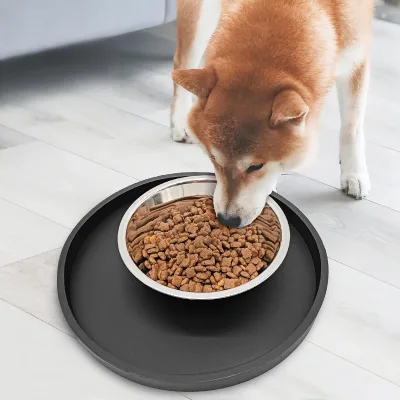


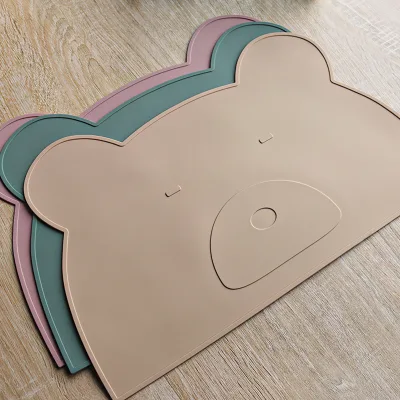
Comprehensive Sourcing Guide
Strategic Sourcing Guide for Eco-Friendly Anti-Slip Silicone Placemats
Understanding Material Composition and Technical Specifications
The foundation of a successful procurement strategy for silicone placemats lies in a precise understanding of the material properties and technical specifications that define the product category. Silicone, as a synthetic polymer, offers a distinct advantage over traditional materials like PVC or cotton due to its inherent thermal stability and chemical inertness. When sourcing eco-friendly anti-slip silicone placemats, buyers must verify that the material composition aligns with the core requirement of being non-toxic and safe for food contact. The product attributes observed in the market indicate that high-quality silicone variants are characterized by being heat resistant, durable, and easy to clean. These properties are not merely marketing terms but functional necessities for tableware that must withstand high temperatures from hot dishes and frequent washing cycles.
Technical specifications for these items vary significantly across suppliers, necessitating a rigorous review of dimensional data. The market presents a range of sizes, with specific instances showing dimensions such as 19.49"9.84"0.04" (49.5250.1cm) and 30*45cm. The thickness, often noted as 0.04 inches or 0.1cm in specific listings, is a critical factor for the anti-slip performance and structural integrity of the mat. A mat that is too thin may curl or slide, while one that is too thick may be cumbersome to store. The weight of individual units also serves as a proxy for material density; observed weights include 150g per unit, which suggests a substantial feel that contributes to the anti-slip functionality. Buyers should request detailed dimensional sheets to ensure the product fits standard table settings and that the thickness is sufficient to provide the necessary grip on smooth surfaces without compromising portability.
Compliance Verification and Safety Standards
In the realm of food-contact products, compliance and certification are the primary gatekeepers of market access and consumer trust. While the supplied data confirms that the material is non-toxic and eco-friendly, buyers must independently verify these claims against recognized international standards. The term "eco-friendly" implies a reduced environmental impact, which may involve the absence of harmful phthalates, BPA, or heavy metals. However, without specific certification documents provided in the listing, a buyer cannot assume compliance with standards such as FDA (USA), LFGB (Germany), or EU regulations. It is imperative to request third-party test reports that explicitly validate the absence of toxic substances and confirm the material's safety for repeated food contact.
The verification process should extend beyond the material itself to the manufacturing process. Suppliers claiming to be "eco-friendly" should ideally demonstrate adherence to sustainable production practices, though specific certifications for the factory or process are not guaranteed by the product listing alone. Buyers must ask for proof of compliance with local and international safety regulations relevant to their target market. For instance, if the product is intended for the European market, compliance with REACH regulations is mandatory. Similarly, for the North American market, FDA compliance is essential. The absence of a specific certification label in the product description does not mean the product is non-compliant, but it places the burden of verification entirely on the buyer. Procurement teams should insist on seeing the actual test reports from accredited laboratories rather than relying on supplier declarations or generic "eco-friendly" labels.
Cost Drivers and Pricing Structure Analysis
The pricing structure for silicone placemats is influenced by a complex interplay of material costs, customization requirements, and order volume. The observed price range in the market spans from $0.39 to $6.99 USD, a significant variance that reflects differences in quality, thickness, branding, and order quantity. Several key factors drive these costs. First, the material grade of silicone is a primary cost driver; food-grade, high-purity silicone commands a higher price than lower-grade alternatives. Second, the customization level significantly impacts the final unit cost. Products offering custom logos, specific colors, or unique shapes require additional setup fees and mold costs, which are often amortized over the order quantity.
The Minimum Order Quantity (MOQ) is another critical cost determinant. The market data shows an MOQ range from 1 to 3000 units, with specific instances of 100, 200, and higher thresholds. Orders placed near the lower end of the MOQ spectrum typically incur a higher per-unit cost due to the fixed costs of production setup and logistics. Conversely, bulk orders benefit from economies of scale, driving the unit price down toward the lower end of the observed range. Buyers should also consider the cost of packaging, as options range from simple OPP bags to more premium gift boxes. The choice of packaging can add a measurable cost per unit, especially for smaller orders where the packaging cost represents a larger percentage of the total. Additionally, the lead time and shipping terms can influence the final landed cost, with expedited shipping or air freight adding significant premiums compared to standard sea freight options.
Typical Applications and Usage Scenarios
Silicone placemats are versatile products designed for a wide array of applications, extending beyond simple home dining. The primary application is for home use, where they serve as protective layers for table surfaces against heat, scratches, and spills. The anti-slip feature is particularly valuable in households with children or in environments where table movement is frequent. Beyond the home, these mats are increasingly utilized in the hospitality sector, including hotels and restaurants, where durability and ease of cleaning are paramount. The dishwasher-safe attribute, noted in several product descriptions, makes them highly suitable for commercial environments where high-volume washing is required.
Specific use cases also include high-chair trays for babies, where the non-toxic and easy-to-clean properties are essential for child safety. The material's flexibility allows it to conform to various tray shapes, while its heat resistance protects the tray from hot food. In commercial settings, the mats can serve as table decorations or functional barriers between dishes and the table surface. The variety of colors available, including options like brown, dark green, military green, light purple, sky blue, yellow, emerald green, pink, blue, orange, gray, and red, allows businesses to match their interior design themes or branding. The "modern" and "minimalist" styles observed in the market cater to contemporary aesthetic preferences, making them suitable for both casual dining and more formal restaurant settings. Buyers should evaluate the specific needs of their target market to determine the most appropriate style, color, and size for their application.
Supplier Evaluation and Production Capabilities
Evaluating potential suppliers requires a holistic approach that goes beyond the product listing to assess the supplier's overall capabilities and reliability. The location of the manufacturing facility is a key indicator of supply chain efficiency. The data indicates that production originates from regions such as Guangdong and Zhejiang in China, both of which are established hubs for silicone manufacturing. Buyers should verify the specific factory location to assess logistics costs and lead times. Furthermore, the supplier's ability to handle customization is a critical differentiator. Many suppliers offer OEM and ODM services, accepting customized logos and colors, which is essential for brands looking to differentiate their products.
The production capacity and flexibility of the supplier are also vital considerations. The observed sample time of 3 to 5 days suggests a relatively agile production process, but buyers must confirm if this timeline holds for larger orders. The ability to accept custom orders with a specific MOQ, such as 100 or 200 pieces, indicates a supplier capable of handling both small and large volume orders. However, buyers should inquire about the supplier's capacity to scale up production during peak seasons and their track record for meeting delivery deadlines. The payment terms, such as the common 30% deposit plus 70% balance structure, are standard but should be negotiated based on the order size and relationship history. A reliable supplier will provide transparent communication regarding production status, quality control measures, and any potential delays.
Quality Control and Long-Term Procurement Strategy
Implementing a robust quality control (QC) strategy is essential to ensure that the procured silicone placemats meet the required standards for durability and safety. Given the variation in product attributes, such as the difference in single package sizes (ranging from 32X7.5X2.3 cm to unspecified dimensions), buyers must establish clear QC criteria before production begins. This includes verifying the dimensions, weight, and color accuracy against the approved samples. The "anti-slip" claim must be validated through practical testing to ensure the mat stays in place under various conditions. Additionally, the "dishwasher safe" attribute should be confirmed through repeated washing cycles to check for degradation, discoloration, or loss of elasticity.
Long-term procurement considerations involve building a sustainable relationship with suppliers who can consistently deliver high-quality products. This includes establishing clear specifications for future orders, maintaining open communication channels, and conducting regular audits of the supplier's facilities. Buyers should also consider the environmental impact of their procurement choices, seeking suppliers who demonstrate a commitment to sustainable practices. The "eco-friendly" label should be backed by verifiable data, such as the use of recycled materials or energy-efficient manufacturing processes. By focusing on quality and sustainability, buyers can ensure that their product offerings remain competitive and compliant with evolving market standards.
Comparative Analysis of Product Attributes
To facilitate informed decision-making, the following table summarizes the key product attributes observed in the market, highlighting the variations that buyers must consider during the sourcing process.
| Attribute Category | Observed Variations | Procurement Consideration |
|---|---|---|
| Material | Silicone (Food-grade implied) | Verify non-toxic certification and heat resistance. |
| Dimensions | 19.49"*9.84"0.04" or 3045cm | Match dimensions to target table settings and storage needs. |
| Weight | 150g per unit | Higher weight often correlates with better anti-slip performance. |
| Style | Minimalist, Modern, American, New Classical | Align style with brand identity and target customer preferences. |
| Color Options | 12+ colors (e.g., Brown, Pink, Blue) or Custom | Ensure color consistency and availability for branding needs. |
| Customization | Logo, Color, Shape, Packaging | Confirm MOQ for customization and associated setup costs. |
| Packaging | OPP bag, Gift Box, 1 Pc/opp | Select packaging based on retail requirements and cost targets. |
| Origin | Guangdong, Zhejiang, China | Assess logistics costs and lead times based on specific factory location. |
| MOQ | 1 to 3000 pcs (e.g., 100, 200) | Negotiate MOQ based on order volume and budget constraints. |
| Features | Heat resistant, Non-toxic, Dishwasher safe | Validate claims through third-party testing and sample inspection. |
This comparative analysis underscores the importance of detailed specification review. While the core product remains a silicone placemat, the specific attributes can vary widely, impacting the final product's performance and market fit. Buyers must carefully align their procurement strategy with these variations to ensure the selected products meet their specific operational and commercial requirements. By adhering to a disciplined approach to verification and quality control, buyers can successfully navigate the complexities of sourcing eco-friendly anti-slip silicone placemats.
FAQs
What materials are used for eco-friendly anti-slip silicone placemats?
These placemats are made from food-grade silicone, which is non-toxic and heat resistant. The material ensures durability and easy cleaning while providing a stable surface for dining.
How can I customize the logo on these placemats?
Suppliers accept customized logos with a minimum order quantity of 100 pieces. You can request specific branding to match your product line while maintaining the eco-friendly material standards.
Which sizes are available for silicone placemats?
Common dimensions include 49.5 by 25 cm and 30 by 45 cm. Buyers should verify specific single package sizes to ensure they fit their table settings and storage requirements.
Can these placemats be used in dishwashers?
Most listed products are dishwasher safe, making them ideal for home and restaurant use. However, some specific models may not be dishwasher safe, so verify the feature before purchase.
What is the typical lead time for sample orders?
Sample time typically ranges from 3 to 5 days for production. This allows buyers to verify quality and specifications before committing to larger bulk orders with higher minimums.
How much does an eco-friendly anti-slip silicone placemat cost?
The observed price range spans from 0.39 to 6.99 USD per unit. Costs vary based on material quality, customization levels, and the total order quantity placed with the supplier.
Where are these silicone placemats manufactured?
Production originates from regions in China, specifically Guangdong and Zhejiang. Buyers should confirm the exact factory location to assess logistics costs and shipping lead times for their orders.