Source Eco-Friendly Anti-Pilling Men Hoodie for Fitness
Source an Eco-Friendly Anti-Pilling Men Hoodie from 30 verified listings. Compare features like breathable cotton blends, kangaroo pockets, and custom logo printing for casual, sport, and fitness applications; compare the available evidence and request quotations based on your requirements.
Key considerations
Products List

Anti Pilling Eco Friendly Winter Streetwear Custom Puff Embroidery Heavy Men Hoodie
$18.00 - $19.00
MOQ: 500 piece


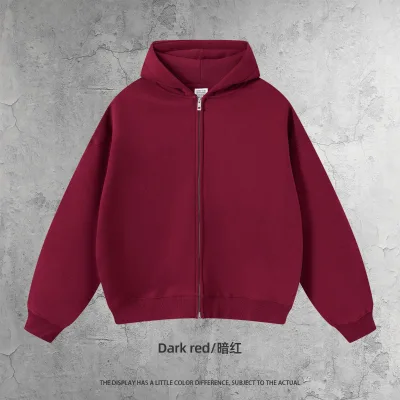

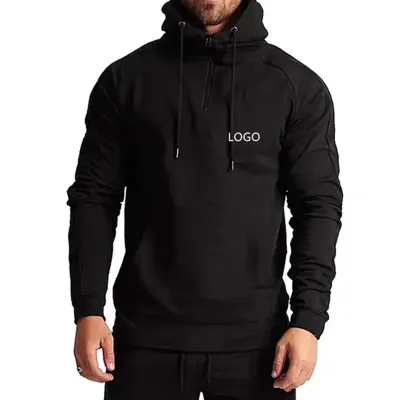


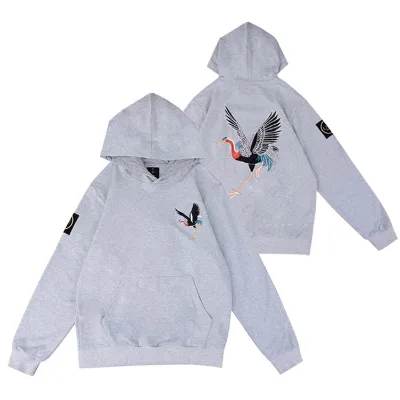
Comprehensive Sourcing Guide
Eco-Friendly Anti-Pilling Men Hoodie Sourcing Guide
Sourcing eco-friendly anti-pilling men hoodies requires identifying manufacturers who balance sustainable material choices with durable fabric engineering. The observed market data indicates a strong presence of cotton-based products, with some listings explicitly mentioning 100% cotton or polyester blends that support breathability and shrink resistance. Buyers must verify that the "eco-friendly" designation aligns with specific material certifications rather than relying on generic marketing terms, ensuring the fabric meets actual environmental standards for the intended market.
Procurement teams should prioritize suppliers offering customization options like custom logo printing or embroidery, as these are frequently observed in the current catalog. The product range includes unisex styles suitable for spring, autumn, and winter, with features such as kangaroo pockets and fixed hoods being standard. When evaluating potential partners, focus on those who provide OEM and ODM services, allowing for tailored designs that maintain the structural integrity required for anti-pilling performance in high-wear areas.
Product Scope and Observed Listing Signals
The current market listings reveal a diverse range of hoodie models, including specific product codes like MT500 and HD-202201, which often feature long sleeves and hooded collars. These items are typically categorized as casual or sport styles, suitable for various settings from home to fitness activities. The observed price range spans from $0.50 to $28, reflecting significant variation in material quality and production complexity, while minimum order quantities vary widely from 2 to 500 pieces, offering flexibility for different business scales.
Buyers should note that packaging standards differ significantly across suppliers, with options ranging from individual plastic bags to paper cartons and standard shipping cartons. Some listings specify a product standard of 0.5kg per piece, while others provide dimensional standards like 35x45x5cm for shipping efficiency. It is critical to match the packaging requirements with your logistics strategy, as the choice between a single-piece OPP bag and a bulk carton can impact both unit costs and warehouse handling procedures.
Technical Specifications to Verify
Technical verification must begin with the fabric composition, as the supply data highlights 100% cotton and polyester blends as common materials for these garments. Buyers need to confirm the specific blend ratios to ensure the anti-pilling and breathable properties are achieved without compromising the eco-friendly claims. The presence of features like anti-shrink and warm insulation suggests specific knitting techniques or post-treatment processes that should be validated through physical sample testing before bulk ordering.
Construction details such as the closure type, whether zipper or pullover, and the pocket configuration are essential for functional assessment. The observed models include both fixed hood types and various closure mechanisms, which influence the garment's fit and utility for different seasons. Procurement teams should request detailed technical sheets that specify the stitching density and fabric weight, ensuring the product meets the durability expectations for adult wearers in active or casual environments.
Compliance and Safety Documentation
While specific certification data like GOTS appears in background notes, buyers must explicitly request valid compliance certificates from suppliers to substantiate eco-friendly claims. The absence of guaranteed certification status in the provided facts means that relying on supplier assertions without third-party verification poses a significant risk to brand reputation. It is imperative to ask for current test reports regarding chemical restrictions, flammability, and fiber content to ensure the products meet the safety regulations of the target export market.
Safety documentation should also cover the manufacturing standards and origin verification, as products are listed as originating from regions like Zhejiang and Shanghai in China. Buyers should verify that the production facilities adhere to international labor and safety standards, particularly when sourcing from multiple locations. Requesting a factory audit report or a social compliance certificate helps mitigate risks associated with supply chain transparency and ensures that the ethical sourcing requirements of your organization are met.
Cost Drivers and Commercial Terms
Cost structures in this category are heavily influenced by material selection, with 100% cotton generally commanding a higher price point than polyester blends. The observed price range of $0.50 to $28 suggests that factors like printing techniques, customization complexity, and order volume play a decisive role in final pricing. Buyers should analyze the cost per unit against the minimum order quantity, as lower MOQs often come with a premium price, while larger orders may unlock better rates but require higher capital commitment.
Commercial terms regarding packaging and shipping standards are critical for total landed cost calculations. The data shows varied packing methods, from single-piece plastic bags to paper cartons, which affect shipping volume and weight. Suppliers may offer different shipping terms based on the product standard, such as the 0.5kg per piece specification, so buyers must clarify who bears the cost of packaging upgrades and how these costs are factored into the final invoice to avoid unexpected expenses.
Supplier Qualification and Quality Control
Supplier qualification should focus on their ability to provide consistent OEM and ODM services while maintaining the specific anti-pilling and breathable features observed in the listings. Buyers must assess the supplier's technical capabilities, including their proficiency with printed and embroidered logo techniques, to ensure the customization matches the design intent. Verifying their production capacity and history with similar unisex, adult-sized garments is essential to guarantee they can meet volume demands without compromising quality.
Quality control protocols must be established to verify the physical attributes of the hoodies, such as the fixed hood type and kangaroo pocket construction. Since the product models vary from MT500 to MIC430012, each may have unique quality benchmarks that require specific inspection criteria. Implementing a pre-shipment inspection plan that checks for pilling resistance, shrinkage, and color fastness will help ensure that the final delivered goods align with the technical specifications and performance expectations set during the sourcing phase.
Long-Term Procurement Checks
Establishing a long-term relationship requires regular performance reviews of the supplier's ability to maintain consistent product standards and delivery timelines. Buyers should monitor the consistency of material quality, particularly the cotton and polyester blends, to ensure that the anti-pilling and breathable features do not degrade over successive production runs. Continuous communication regarding design updates and market trends will help keep the product line relevant and competitive in the evolving apparel sector.
Future procurement strategies should include periodic re-verification of compliance documentation and sustainability claims to adapt to changing regulatory landscapes. As the market for eco-friendly apparel grows, suppliers may need to upgrade their certifications or material sourcing practices to remain viable partners. Maintaining a flexible supply chain that can accommodate different order sizes and packaging requirements will ensure resilience against market fluctuations and supply chain disruptions.
FAQs
What features define the Eco-Friendly Anti-Pilling Men Hoodie?
The hoodie features breathable, anti-pilling, and anti-shrink properties for durability. It is made from cotton or polyester blends and includes a fixed hood with a kangaroo pocket. The design is casual and sporty, suitable for spring, autumn, or winter wear by adults.
Can I customize the logo on the Eco-Friendly Anti-Pilling Men Hoodie?
Yes, customization is available for the logo. You can choose custom logo printing, embroidery, or other printed techniques. The supplier provides OEM and ODM services to accommodate specific branding requirements, ensuring the final product matches your design specifications and quality standards.
What are the packaging and standard dimensions for the hoodie?
Packaging varies by model, including plastic bags, OPP bags, or paper cartons. Standard dimensions are approximately 50x30x10 cm or 35x45x5 cm. The weight is typically around 0.5 kg per piece. These specifications ensure safe transport and efficient storage for bulk orders.
Where are the eco friendly anti pilling men hoodies manufactured?
The hoodies are manufactured in China, specifically in Zhejiang and Shanghai regions. These locations are known for textile production capabilities. Buyers can source directly from these areas to leverage established supply chains and manufacturing expertise for high-quality apparel production.
What sizes and genders are supported for the Eco-Friendly Anti-Pilling Men Hoodie?
The hoodie is designed for unisex wear and targets adults. Sizes include S and potentially others depending on the model. It is suitable for various settings, including home, fitness, and casual outings, offering versatile styling options for different body types and preferences.
What materials are used in the Eco-Friendly Anti-Pilling Men Hoodie?
Materials include 100% cotton and 100% polyester blends. These fabrics contribute to the anti-pilling and breathable characteristics. The choice of material ensures comfort and longevity, making the hoodie suitable for everyday wear while maintaining its structural integrity after multiple washes.