Source eco friendly anti-slip sisal carpet for hotels homes offices
Find 30 verified listings for eco friendly anti-slip sisal carpet suitable for hotels, homes, and offices. Compare specifications like thickness, width, and customization options from multiple suppliers to find the best fit for your project needs.
Key considerations
Products List


Engineering Grade High-Quality Durable Non-Slip Natural Sisal Fiber Sisal Carpet
$11.49 - $18.32
MOQ: 1 Square Meters

Heavy-Duty High-Quality Durable Non-Slip Natural Sisal Fiber Sisal Carpet
$11.49 - $18.32
MOQ: 1 Square Meters

Hot Selling Engineering High-Quality Durable Non-Slip Natural Sisal Fiber Sisal Carpet
$11.49 - $18.32
MOQ: 1 Square Meters

Luxury Natural Texture Eco Friendly Woven Durable Home Floor Sisal Carpet
$11.49 - $18.32
MOQ: 1 Square Meters

Premium Eco-Friendly Natural Woven Rug Anti Slip Durable Floor Sisal Carpet
$11.49 - $18.32
MOQ: 1 Square Meters


Eco-Friendly Durable Sisal Rug Carpet Manufacturer Supply, Made of Natural Sisal Fiber
$11.51 - $18.45
MOQ: 100 Square Meters

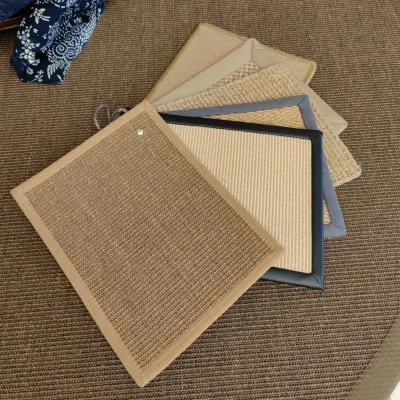
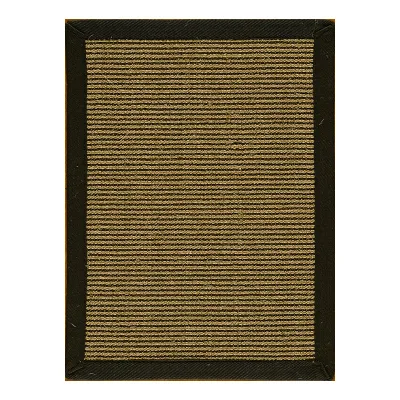
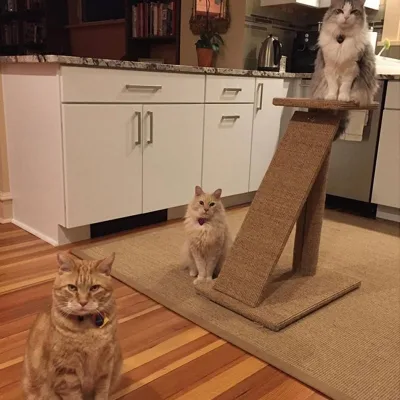
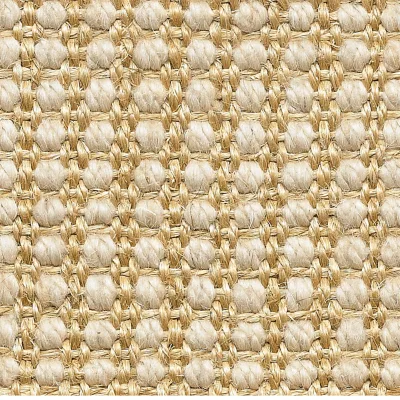
Comprehensive Sourcing Guide
Strategic Sourcing Guide for Eco-Friendly Anti-Slip Sisal Carpets
The global demand for sustainable flooring solutions has elevated the profile of natural fiber carpets, with sisal emerging as a premier choice for commercial and residential applications. Sourcing an eco-friendly anti-slip sisal carpet requires a nuanced understanding of material properties, manufacturing techniques, and supply chain verification. Unlike synthetic alternatives, sisal offers a distinct aesthetic and functional profile rooted in its natural origin. This guide provides a disciplined framework for procurement professionals to evaluate suppliers, verify technical claims, and ensure the selected product aligns with specific project requirements for durability, safety, and environmental responsibility.
Material Composition and Natural Fiber Characteristics
The foundation of any sisal carpet procurement lies in the raw material itself. Sisal is a natural fiber derived from the leaves of the Agave sisalana plant, known for its high tensile strength and durability. In the context of the observed product data, the material is explicitly identified as "Sisal," confirming the natural origin of the fiber. This distinguishes the product from synthetic blends that may mimic the look but lack the biodegradability and breathability of genuine sisal.
When evaluating the material, buyers must look beyond the simple label of "Sisal." The product attributes indicate a "Natural" style, which implies a specific texture and color palette derived from the plant's inherent properties. The observed data lists "Multicolor Pattern" and "Customized" color options, suggesting that while the base fiber is natural, the final aesthetic can be manipulated through dyeing or weaving techniques. However, buyers should verify that any coloring processes adhere to eco-friendly standards, ensuring no toxic dyes compromise the "Eco-friendly" feature often associated with natural fibers.
The technical specification of the fiber density is critical for performance. The observed data notes a "Pile Weight" ranging from 1.8 to 2.2 kg per square meter. This metric is a direct indicator of the carpet's density and durability. A higher pile weight generally correlates with better wear resistance, which is essential for high-traffic areas. Procurement teams should request specific density data for each SKU to ensure consistency across the order, as variations in pile weight can significantly impact the carpet's lifespan and feel underfoot.
Technical Specifications and Performance Metrics
Beyond the raw material, the physical specifications of the carpet dictate its suitability for specific environments. The observed product data provides a clear range of technical parameters that buyers must cross-reference with their project needs. The thickness of the product is listed with specific values of 5mm and 6mm. These measurements are crucial for determining the carpet's ability to absorb impact and provide comfort, particularly in areas where standing for long periods is common, such as offices or hotel lobbies.
Width and size customization are other pivotal specifications. The data indicates a standard width of 4 meters, with options for "Customized" sizes and specific dimensions like 2m, 4m, and 5m. The product form is described as "Carpet," and the shape can be "Rectangle" or "Customize Any Shape," including "Wall to Wall" installations. This flexibility allows for seamless integration into various room layouts. However, buyers must confirm the maximum roll length and width capabilities with the supplier, as the standard roll size observed is "45050m" or "430mone roll," which influences shipping logistics and installation planning.
The "Technics" of production are listed as "Woven" and "Machine Manufacturing." This distinction is important for quality assurance. Woven sisal carpets typically offer superior structural integrity compared to glued or tufted alternatives. The "Anti-Slip" feature is a key performance attribute observed in the data, often achieved through the tightness of the weave or the addition of a natural backing. Buyers should verify the coefficient of friction or specific slip-resistance test results, as the term "Anti-Slip" can vary in meaning depending on the testing standard used.
Compliance, Safety, and Environmental Standards
For a product marketed as "Eco-friendly" and "Anti-Slip," verifying compliance with safety and environmental standards is non-negotiable. The observed data mentions "Fire Resistance" as a feature, which is a critical safety requirement for commercial and hospitality projects. While the data notes the standard as "customize," this does not imply a lack of regulation; rather, it suggests that the supplier can tailor the product to meet specific regional fire codes. Buyers must explicitly request certification documents, such as NFPA, BS, or EN fire ratings, to ensure the carpet meets the legal requirements of the installation location.
The "Eco-friendly" claim requires substantiation through third-party certifications. Although the provided data does not list specific certification bodies, the presence of "Antimicrobial" and "Pet friendly" features suggests a focus on health and hygiene. Buyers should inquire about certifications such as GreenGuard, OEKO-TEX, or GOTS (Global Organic Textile Standard) to validate the environmental claims. The "Stain Resistant" and "Washable" attributes also point to the need for chemical treatments or natural properties that resist soiling without compromising the natural fiber's integrity.
Furthermore, the "Location" of origin is noted as "China" and specifically "Guangdong." While this is a major manufacturing hub, it necessitates a rigorous supplier audit to ensure labor practices and environmental regulations are met. The "Standard" field lists "45050m" and "430mone roll," which are packaging standards rather than product certifications. Buyers must distinguish between packaging specifications and product compliance standards to avoid confusion during the procurement process.
Cost Drivers and Pricing Structure Analysis
Understanding the cost structure of sisal carpets is essential for budgeting and value assessment. The observed price range in the market is between 5 and 25 USD, though this likely represents a per-unit or per-square-meter range depending on the specific product configuration. Several factors drive the final cost of an eco-friendly anti-slip sisal carpet. The primary driver is the quality and grade of the sisal fiber itself. Higher-grade fibers with consistent length and minimal impurities command a premium price.
The level of customization is another significant cost factor. The data indicates that "Customization" is available for color, size, and shape. Custom orders typically incur higher production costs due to the setup time and reduced economies of scale. The "Pile Weight" of 1.8-2.2 kg/Sqm also influences cost, as heavier carpets require more raw material and energy to produce. Additionally, the "Technics" of weaving, particularly if it involves complex patterns like "Geometric," "Floral," or "Moroccan," can increase labor costs compared to solid color or simple striped designs.
The "MOQ" (Minimum Order Quantity) observed ranges from 1 to 5000 units. This wide range suggests that suppliers may offer flexible terms for sample orders or small projects, but larger orders may benefit from volume discounts. Buyers should negotiate based on their total projected volume, as the cost per unit often decreases as the order size increases. The "Packing" method, such as "Woven Bag" or "Dust Bag," also adds to the overall cost, especially if specialized packaging is required for long-distance shipping or to protect the natural fibers from moisture and damage.
Supplier Evaluation and Quality Assurance Protocols
Selecting the right supplier is as critical as selecting the right product. The observed data lists "Taiyi" as a brand name, but buyers should not rely on a single brand. Instead, they should evaluate suppliers based on their ability to meet the specific technical and compliance requirements outlined in this guide. A robust supplier evaluation process should include a review of their manufacturing capabilities, quality control systems, and track record in delivering eco-friendly products.
Quality assurance should begin with the verification of the "Sample" availability. The data confirms that samples are "Avallable" (Available), which is a standard practice for B2B procurement. Buyers should request physical samples to inspect the texture, color consistency, and the effectiveness of the anti-slip backing. It is also advisable to request a "Test Report" for fire resistance and stain resistance to ensure the claims are backed by data. The "Cleaning & Maintenance" attributes, such as "Hand Wash" and "Stain Resistant," should be validated through practical testing to ensure the carpet can withstand the intended usage without rapid degradation.
The "Place of Origin" being Guangdong, China, is a common manufacturing location, but buyers must verify the specific factory's capabilities. A factory that specializes in natural fibers will have better equipment and expertise for weaving sisal compared to a general textile manufacturer. Buyers should also assess the supplier's ability to handle "Customized" orders, as the flexibility to adjust width, thickness, and pattern is a key differentiator. The "Packing" standards, such as "Waterproof Woven Bag," are essential for protecting the product during transit, and suppliers should demonstrate their ability to meet these packaging requirements consistently.
Typical Applications and Installation Considerations
The versatility of sisal carpets makes them suitable for a wide range of applications. The observed data lists usage in "Home, Decoration, Commercial, Hotel, Prayer, Exercise," as well as "Outdoor" and specific rooms like "Dining Room, Office, Kitchen, Bedroom, Bath." This broad applicability highlights the carpet's durability and aesthetic flexibility. However, the "Outdoor" usage claim requires careful scrutiny. While sisal is durable, it is a natural fiber that can be susceptible to moisture and UV degradation if not properly treated. Buyers should verify if the specific product is rated for outdoor use and what protective treatments have been applied.
For indoor applications, the "Anti-Slip" feature is particularly valuable in areas prone to spills or high traffic, such as "Kitchen," "Bath," and "Entryway." The "Reversible" feature mentioned in the data adds value, allowing the carpet to be flipped to extend its lifespan. The "Shape" options, including "Rectangle" and "Customize Any Shape," facilitate installation in unique spaces like hallways or irregularly shaped rooms. The "Season" attribute of "Everyday" suggests the carpet is designed for year-round use, which is typical for natural fibers that regulate temperature well.
Installation considerations also include the "Thickness" of 5mm or 6mm. Thicker carpets may require specific underlayments or transition strips to ensure a smooth finish. The "Width" of 4 meters is a standard roll size that minimizes seams in large rooms, but for wider spaces, buyers must plan for seaming or custom weaving. The "Packing" in rolls indicates that the carpet is flexible and easy to transport, but care must be taken to avoid creasing during storage and handling.
Long-Term Procurement and Lifecycle Management
Sourcing eco-friendly anti-slip sisal carpets is not just a one-time transaction but a long-term investment in sustainable infrastructure. The "Lifecycle" of the product should be considered from the initial purchase to the end-of-life disposal. Sisal is biodegradable, which is a significant advantage over synthetic carpets that end up in landfills. However, the longevity of the carpet depends on proper maintenance and care. The "Cleaning & Maintenance" attributes of "Hand Wash" and "Stain Resistant" suggest that the carpet requires specific care routines to maintain its appearance and performance.
Buyers should develop a maintenance plan that aligns with the product's specifications. Regular vacuuming and prompt spill cleanup are essential to prevent staining and fiber damage. The "Antimicrobial" feature adds a layer of protection against bacteria and odors, which is beneficial for high-traffic areas and spaces with children or pets. For commercial clients, the "Fire Resistance" and "Anti-Slip" features provide ongoing safety benefits, reducing liability and insurance costs.
In the long term, the "Customization" capability of the supplier allows for future updates or replacements without changing the overall aesthetic of the space. As trends evolve, the ability to order new colors or patterns ensures that the flooring remains relevant. The "Eco-friendly" nature of the product also supports corporate sustainability goals, making it an attractive option for organizations with green building certifications like LEED or BREEAM. By focusing on quality, compliance, and lifecycle management, buyers can ensure that their investment in sisal carpets delivers value and sustainability for years to come.
Comparative Analysis of Product Attributes
To facilitate decision-making, the following table summarizes the key attributes observed in the market for eco-friendly anti-slip sisal carpets, highlighting the variations and standard features that buyers should consider.
| Attribute Category | Observed Specification | Variations & Options | Procurement Verification Point |
|---|---|---|---|
| Material | Sisal | Natural, Customized Color | Verify fiber grade and dye safety |
| Thickness | 5mm, 6mm | Customizable | Confirm density and pile weight (1.8-2.2kg/Sqm) |
| Width | 4m (Standard) | 2m, 5m, Custom | Check roll length and seam requirements |
| Features | Anti-Slip, Fire Resistance | Non-slip, Stain Resistant, Antimicrobial | Request test reports for fire and slip resistance |
| Usage | Home, Hotel, Commercial, Outdoor | Indoor/Outdoor, Specific Rooms | Validate outdoor durability claims |
| Packing | Woven Bag, Dust Bag, Waterproof | Roll in Woven Bag | Ensure moisture protection during transit |
| Origin | China, Guangdong | Customizable | Audit factory for labor and environmental compliance |
| MOQ | 1 - 5000 | Flexible | Negotiate volume discounts |
This table serves as a quick reference for buyers to ensure all critical aspects of the product are covered during the sourcing process. By systematically addressing each attribute, procurement teams can mitigate risks and secure high-quality, sustainable flooring solutions that meet the diverse needs of modern commercial and residential projects.
FAQs
What is the typical thickness of eco friendly anti-slip sisal carpet?
The typical thickness ranges from 5mm to 6mm for these products. This dimension provides sufficient cushioning for high-traffic areas while maintaining the structural integrity required for commercial and residential installations.
Can I customize the size and shape of the sisal carpet?
Yes, customization is available for size and shape including wall-to-wall or specific dimensions. Buyers can request widths of 2m, 4m, or 5m and shapes like rectangles or custom cuts to fit unique room layouts.
How is the eco friendly anti-slip sisal carpet cleaned and maintained?
Maintenance involves hand washing and relies on the stain-resistant properties of the fiber. The product is designed to be washable and antimicrobial, making it suitable for homes, hotels, and commercial spaces with regular use.
Which certifications ensure the fire resistance of this sisal carpet?
Fire resistance is a key feature, but specific standards like NFPA or EN must be verified with the supplier. While the product lists fire resistance, buyers should request documentation to confirm compliance with local safety codes.
What is the minimum order quantity for sourcing these carpets?
The minimum order quantity ranges from 1 to 5000 units depending on the supplier and customization level. Small projects may start with a single unit, while larger commercial orders benefit from volume discounts at higher quantities.
Where are these eco friendly anti-slip sisal carpets manufactured?
These carpets are primarily manufactured in Guangdong, China. This region is a major hub for textile production, offering access to established supply chains and specialized weaving facilities for natural fiber products.