Source Eco-Friendly Anti-Bacterial Sleeping Bag for Travel, Hospital, Vehicle
Compare 30 listings of Eco-Friendly Anti-Bacterial Sleeping Bag options featuring breathable and waterproof designs for travel, hospital, and vehicle applications. Buyers can review specifications including material, size, and certifications to find suitable wholesale solutions.
Key considerations
Products List


Outdoor Cold Resistant Sleeping Bag Detachable Sleeping Bagfor Emergency Rescue
$19.99 - $24.99
MOQ: 50 Pieces


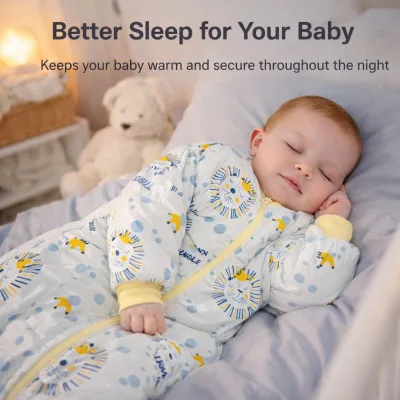
Factory Direct Washable Baby Sleeping Bags with High Antibacterial Rate for Winter
$9.69 - $11.25
MOQ: 20 Minimum


Comprehensive Sourcing Guide
Eco-Friendly Anti-Bacterial Sleeping Bag Sourcing Guide
Sourcing eco-friendly and anti-bacterial sleeping bags requires a nuanced understanding of material science, manufacturing processes, and supply chain transparency. Buyers must navigate a market where "eco-friendly" and "anti-bacterial" are often used as marketing terms without standardized definitions. The core challenge lies in distinguishing between genuine sustainable practices and greenwashing, particularly when dealing with synthetic blends and chemical treatments. This guide provides a structured approach to evaluating suppliers, verifying technical claims, and ensuring that the final product meets both environmental standards and functional performance requirements for specific use cases.
The procurement process for these specialized sleeping bags involves balancing cost, durability, and ethical sourcing. While the market offers a wide range of options, from disposable rescue bags to heavy-duty outdoor gear, the specific intersection of eco-friendly materials and anti-bacterial properties narrows the field significantly. Buyers need to establish clear criteria for what constitutes "eco-friendly" in their specific context, whether that means biodegradable components, recycled content, or low-impact manufacturing. Similarly, the anti-bacterial feature must be verified through tangible evidence, such as specific fabric treatments or inherent material properties, rather than relying on supplier assertions alone.
Product Scope and Observed Listing Signals
The current market landscape for sleeping bags reveals a diverse array of products, ranging from single-use disposable bags to durable, multi-purpose outdoor gear. Observed listings indicate a significant presence of products classified as "Wholesale Sleeping Bags" and "Portable PE Fabric Sleeping Bag Rescue Sleeping Bags," suggesting a strong demand in institutional and emergency sectors. These products often feature materials like polyester and cotton, with filling materials varying between cotton and polyester. The presence of models such as THS30, THS922, and WELLMIEN-ESB004 highlights the variety in design and intended application, from general travel and hospital use to specialized mountain climbing and fire fighting scenarios.
Key product attributes observed in listings include features like breathability, waterproofing, and windproofing, which are critical for performance in various environments. The weight of these products ranges from under 2 kg to 2-5 kg, indicating a split between lightweight portable options and heavier, more robust designs. Color options are typically colored or white, with packaging varying from individual OPP bags to bulk carton shipments of 200 pieces. These signals help buyers categorize potential suppliers based on their specialization, whether they focus on high-volume, low-cost disposable solutions or specialized, feature-rich outdoor equipment.
Technical Specifications to Verify
When evaluating technical specifications, buyers must prioritize the verification of material composition and functional treatments. The core material is often a blend of polyester and cotton, or 100% polyester, with filling materials that can be either cotton or polyester. It is crucial to verify the exact percentage of each component, as this directly impacts the bag's breathability, warmth, and environmental footprint. For eco-friendly claims, buyers should inquire about the source of the polyester, such as whether it is made from recycled materials, and the treatment processes used to achieve anti-bacterial properties. These details are not always explicitly stated in standard listings and require direct communication with the supplier.
Functional specifications such as thickness, size, and capacity are also critical for ensuring the product meets specific operational needs. Listings show variations in thickness, with some products specified at 12, 26, or 30 microns, which is particularly relevant for disposable or rescue bags. Size options include single and double configurations, while capacity is often listed as single, indicating the intended user base. Buyers should verify these specifications against their own requirements, ensuring that the product's dimensions and weight align with their logistical and usage constraints. Additionally, the presence of features like heat reflection, which claims to reflect back 90% of body heat, should be validated through technical data sheets or third-party testing.
Compliance and Safety Documentation
Compliance and safety documentation are paramount when sourcing sleeping bags, especially those intended for medical, hospitality, or emergency use. Observed listings mention certifications such as CE and ISO13485, which are critical for products used in healthcare settings. ISO13485 specifically relates to quality management systems for medical devices, indicating a higher level of regulatory scrutiny and quality control. Buyers must request valid certification documents and verify their authenticity with the issuing bodies. This is particularly important for products labeled as "Disposable Seeping Bag" or intended for hospital use, where hygiene and safety standards are strictly regulated.
In addition to regulatory certifications, buyers should seek information on environmental and safety standards such as Oeko-Tex or GOTS, although these are noted as low-confidence background information in current listings. These standards provide assurance that the materials used are free from harmful substances and meet specific environmental criteria. Buyers should ask suppliers to provide test reports or certificates for these standards, even if they are not prominently displayed in product listings. This due diligence helps mitigate risks associated with chemical exposure and ensures that the product aligns with the buyer's sustainability goals.
Cost Drivers and Commercial Terms
Cost drivers for eco-friendly and anti-bacterial sleeping bags include material quality, manufacturing complexity, and certification compliance. Products with higher percentages of recycled materials or specialized anti-bacterial treatments typically command a premium price. The observed price range of 0.3 to 100 USD reflects this variability, with lower prices likely corresponding to basic, disposable models and higher prices to durable, feature-rich outdoor gear. Buyers should analyze the cost structure in relation to the product's intended lifespan and usage frequency, ensuring that the investment aligns with their operational needs.
Commercial terms such as Minimum Order Quantity (MOQ) and lead times are also significant factors in the procurement process. The observed MOQ range of 2 to 10,000 pieces indicates flexibility in order sizes, catering to both small-scale buyers and large institutional purchasers. Buyers should negotiate terms that align with their inventory management strategies, considering factors like storage capacity and demand forecasting. Additionally, payment terms and shipping costs should be clearly defined to avoid unexpected expenses. Understanding these commercial dynamics helps buyers make informed decisions that balance cost efficiency with supply chain reliability.
Supplier Qualification and Quality Control
Supplier qualification is a critical step in ensuring the reliability and consistency of eco-friendly and anti-bacterial sleeping bags. Buyers should assess suppliers based on their production capabilities, quality control processes, and commitment to sustainability. Factories located in regions like Jingsu, China, may offer competitive pricing and efficient production, but buyers must verify their ability to maintain consistent quality across large orders. Requesting samples and conducting factory audits can provide valuable insights into the supplier's operational standards and ethical practices.
Quality control measures should include regular inspections of raw materials, in-process checks, and final product testing. Buyers should inquire about the supplier's protocols for verifying anti-bacterial efficacy and eco-friendly claims. This may involve third-party testing for material composition, chemical treatments, and functional performance. Establishing clear quality benchmarks and communication channels with the supplier helps ensure that any issues are identified and resolved promptly. A robust quality control system is essential for maintaining product integrity and customer satisfaction.
Long-Term Procurement Checks
Long-term procurement checks involve continuous monitoring of supplier performance and product quality. Buyers should establish key performance indicators (KPIs) to track metrics such as delivery times, defect rates, and customer feedback. Regular reviews of these metrics help identify potential issues early and facilitate corrective actions. Additionally, buyers should stay informed about changes in regulatory requirements and industry standards, ensuring that their suppliers remain compliant with evolving expectations.
Sustainability is an ongoing commitment that requires regular assessment and improvement. Buyers should engage with suppliers to discuss strategies for reducing environmental impact, such as optimizing packaging, reducing waste, and sourcing more sustainable materials. Building a collaborative relationship with suppliers fosters innovation and continuous improvement, leading to better products and more resilient supply chains. By prioritizing long-term checks and sustainability, buyers can ensure that their procurement practices align with their broader corporate social responsibility goals.
FAQs
What materials are used in these sleeping bags?
The sleeping bags utilize a blend of polyester and cotton for the outer shell, providing durability and comfort. The filling material varies, with some models using cotton and others using polyester to ensure warmth. Additionally, the frame material is constructed from fabric, ensuring a soft and flexible structure suitable for various sleeping environments and user preferences.
Are these sleeping bags suitable for adult use?
Yes, these products are specifically designed for adult users. They are classified as wholesale sleeping bags and portable rescue sleeping bags, catering to the size and weight requirements of adults. The features include breathability and anti-bacterial properties, making them appropriate for extended use in travel, hospital, or vehicle settings where adult comfort and hygiene are prioritized.
Can I customize the sleeping bags for my brand?
Customization is available for these sleeping bags, allowing buyers to tailor products to specific brand requirements. The items are marked as customized and support OEM services. Buyers can work with manufacturers to adjust specifications, ensuring the final product meets unique design or functional needs while maintaining the core features like breathability and anti-bacterial protection.
What certifications do these sleeping bags hold?
These sleeping bags hold CE and ISO13485 certifications, indicating compliance with relevant safety and quality standards. The production standard is listed as 210 or optional, depending on the specific model. These certifications are particularly relevant for models used in medical or rescue applications, ensuring they meet rigorous requirements for hygiene and performance in critical environments.
What is the typical weight of these sleeping bags?
The weight of these sleeping bags ranges from under 2 kg to between 2 and 5 kg, depending on the model and filling material. Lighter options are suitable for portable rescue or travel use, while heavier models may offer enhanced insulation. This weight variation allows buyers to select products that balance portability with the necessary warmth and durability for their specific application.
How are these sleeping bags packaged for shipping?
Packaging options include OPP bags for individual units, with bulk quantities packed in cartons. One model specifies 1PC per zipper bag and 200PCS per carton, facilitating efficient storage and transport. This standardized packaging ensures the sleeping bags remain protected during transit, maintaining their condition and hygiene until they reach the end user or distribution center.