Source eco-friendly biodegradable tissue paper for Kitchen, Hotel, Travel
Find 30 listings for eco-friendly biodegradable tissue paper suitable for kitchen, hotel, and travel applications. Buyers can compare specifications like GSM, ply, and material options from suppliers in China and other regions.
Key considerations
Products List




Comprehensive Sourcing Guide
Strategic Sourcing Guide for Eco-Friendly Biodegradable Tissue Paper
The global demand for sustainable hygiene products has elevated the procurement of eco-friendly biodegradable tissue paper from a niche preference to a strategic imperative for B2B buyers. In the current market, sourcing decisions must balance environmental compliance, functional performance, and supply chain reliability. This guide provides a disciplined framework for evaluating suppliers and products, grounded in verified product attributes and industry standards. Buyers must navigate a landscape where "biodegradable" and "eco-friendly" are often used loosely; therefore, rigorous verification of material composition, certification status, and physical specifications is essential to ensure that procurement aligns with both corporate sustainability goals and operational requirements.
Technical Specifications and Material Composition
The foundation of any tissue paper procurement strategy lies in understanding the technical specifications that define product performance. The material composition is the primary differentiator between standard and eco-friendly products. Verified data indicates that high-quality sustainable tissue paper is typically manufactured from virgin wood pulp or bamboo pulp. While virgin wood pulp offers a balance of strength and softness, bamboo pulp provides a distinct renewable profile. Some product lines also incorporate recycled pulp, though this requires careful evaluation to ensure the structural integrity meets the intended application.
Key physical attributes that buyers must verify include the GSM (grams per square meter) and ply count. Observed specifications in the market range from 15 GSM to 22 GSM, with 2-ply construction being a common standard for household and commercial applications. The weight and ply directly influence the absorbency and durability of the paper. For instance, a 20GSM or 22GSM product is generally optimized for oil and water absorption, making it suitable for kitchen and cleaning tasks. Conversely, lighter weights may be preferred for personal care applications where softness is prioritized over heavy-duty absorbency.
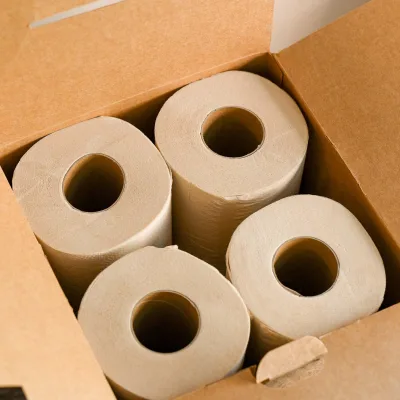
The physical structure of the paper also includes embossing and quilting. Products are frequently observed with embossing by default, which enhances the tactile feel and increases the surface area for better absorption. The presence of a pattern or quilted texture is another observable feature that can differentiate premium products from basic rolls. Buyers should verify that the paper is unscented and free from fluorescent agents, as these additives can compromise the biodegradability and safety of the product. The core of the roll is another critical specification; most sustainable options utilize a paper tube core, which is fully recyclable, rather than plastic alternatives.
Compliance, Certification, and Environmental Standards
In the realm of eco-friendly tissue paper, certifications serve as the primary evidence of a product's environmental claims. Buyers must move beyond marketing language and demand verifiable documentation. The Forest Stewardship Council (FSC) certification is a prominent standard observed in the market, indicating that the wood pulp is sourced from responsibly managed forests. Additionally, general eco-friendly certifications are frequently cited, confirming that the product meets specific environmental safety criteria.
When evaluating compliance, the absence of harmful chemicals is as important as the presence of certifications. Verified product attributes confirm that top-tier eco-friendly tissue paper is free from fluorescent agents and does not contain added flavors or scents. This "flavor-free" and "unscented" profile is critical for buyers targeting sensitive markets or those with strict chemical restrictions. The safety profile of the product is often described as "healthy and environmentally friendly," but this claim must be backed by the specific absence of toxic additives.
Buyers should also verify the biodegradability claims. While many products are described as "easy to decompose," the specific conditions under which this decomposition occurs should be understood. Some products are noted as water-soluble, which is a significant advantage for applications where the paper is used in conjunction with water systems or requires rapid breakdown. The verification of these claims often involves reviewing third-party test results or specific product data sheets that detail the decomposition timeline and environmental impact.
Cost Drivers and Pricing Structures
Understanding the cost structure of eco-friendly tissue paper is vital for budgeting and negotiation. The price range in the observed market spans from $0 to $1,489, reflecting the vast differences in order volume, packaging, and specific product configurations. The Minimum Order Quantity (MOQ) is a significant cost driver, with observed ranges extending from 1 unit to 100,000 units. Buyers must align their order volume with their storage capacity and cash flow requirements while considering the economies of scale offered by larger orders.
Several factors influence the final unit cost. The material source is a primary driver; virgin wood pulp and bamboo pulp often carry different price points compared to recycled pulp. The complexity of the manufacturing process, such as the inclusion of embossing, quilting, or custom patterns, also adds to the cost. Packaging plays a substantial role as well; options range from individual rolls to bulk packs containing 2, 4, 6, or 12 rolls per case. The use of shrink film packaging is common, but the environmental impact of the packaging material itself should be considered in the total cost of ownership.
Lead times and logistics are additional variables that affect the effective cost. While specific lead times are not universally standardized, the origin of the product, often cited as Zhucheng or China, influences shipping costs and delivery schedules. Buyers should factor in the potential for price fluctuations based on raw material availability and global supply chain dynamics. Negotiating for free samples is a standard practice that allows buyers to test quality before committing to large volumes, effectively reducing the risk of costly procurement errors.
Typical Applications and Usage Scenarios
The versatility of eco-friendly biodegradable tissue paper allows it to serve a wide array of applications. The observed usage scenarios include household, commercial, kitchen, travel, and hotel environments. In the household sector, the product is valued for its softness and absorbency, making it suitable for general cleaning and personal care. The "soft and comfortable" touch feeling is a key attribute for personal cleaning care applications, where user experience is paramount.
Commercial and hotel applications demand higher durability and absorbency. Products with strong water absorption capabilities and oil-absorbent features are particularly suitable for kitchen use, where spills and grease are common. The "unscented" nature of these products is often preferred in commercial settings to avoid overwhelming customers or interfering with food preparation. The ability to decompose easily is also a significant advantage in commercial waste management systems, reducing the burden on landfill facilities.
Travel applications benefit from the compact and lightweight nature of the product, often packaged in individual rolls or small packs. The portability and ease of disposal make it an ideal choice for travelers who prioritize sustainability. The specific application scenario dictates the required specifications; for example, a product intended for hotel use might require a higher GSM or specific packaging to meet bulk consumption needs, while a travel product might prioritize compactness and single-use convenience.
Supplier Evaluation and Quality Control
Selecting the right supplier requires a multi-faceted evaluation process that goes beyond price comparisons. Buyers should assess the supplier's ability to provide consistent quality, adherence to certifications, and flexibility in customization. The availability of customization is a critical factor, allowing buyers to tailor product specifications such as size, packaging, and branding to their specific needs. Verified data indicates that customization is available, but the extent of this customization and the associated costs must be clarified during the initial engagement.
Quality control is paramount in the tissue paper industry. Buyers should verify that the supplier implements rigorous testing protocols to ensure that the product meets the specified GSM, ply count, and absorbency standards. The consistency of the embossing and the integrity of the paper tube core are also important quality indicators. Suppliers should be able to provide evidence of their quality control processes, including regular inspections and testing for the absence of fluorescent agents and other harmful substances.
The supplier's origin and location are also relevant factors. Products originating from regions like Zhucheng or China are common, but buyers should verify the specific manufacturing capabilities and logistics infrastructure of the supplier. A supplier with a strong track record in the target markets, such as Africa, the Middle East, and Europe, is likely to have a better understanding of local regulatory requirements and consumer preferences. The ability to provide samples and the responsiveness of the supplier to inquiries are also key indicators of a reliable partnership.
Long-Term Procurement Considerations
Sourcing eco-friendly tissue paper is not merely a transactional activity but a strategic long-term commitment. Buyers should consider the scalability of the supply chain and the supplier's ability to adapt to changing market demands. The availability of raw materials, such as virgin wood pulp and bamboo, should be secure to prevent supply disruptions. Additionally, the supplier's commitment to sustainability should be ongoing, with a focus on continuous improvement in environmental performance.
The total cost of ownership should be evaluated over the product lifecycle, including disposal costs and environmental impact. Products that are water-soluble and easy to decompose can reduce waste management costs and align with corporate sustainability goals. Buyers should also consider the potential for future customization and the ability to introduce new product variants as market trends evolve.
Finally, the relationship with the supplier should be built on transparency and trust. Regular communication, clear contracts, and mutual understanding of expectations are essential for a successful long-term partnership. Buyers should establish clear metrics for performance evaluation, including quality consistency, delivery reliability, and adherence to environmental standards. By focusing on these long-term considerations, buyers can ensure a sustainable and resilient supply chain for eco-friendly biodegradable tissue paper.
Comparative Analysis of Product Attributes
To assist buyers in making informed decisions, the following table summarizes key product attributes observed in the market. This comparison highlights the variations in specifications that may influence procurement choices.
| Attribute | Option A (Household/General) | Option B (Commercial/Kitchen) | Option C (Travel/Portable) |
|---|---|---|---|
| Material | Virgin Wood Pulp / Bamboo Pulp | Virgin Wood Pulp | Virgin Wood Pulp |
| GSM / Weight | 20GSM / 22GSM | 15GSM (Customizable) | Standard Roll |
| Ply | 2-Ply | 2-Ply | Varies |
| Absorbency | Oil & Water Absorbent | Strong Water Absorption | Standard |
| Scent | Unscented | Unscented | Unscented |
| Packaging | 2-4 Rolls Per Pack | Shrink Film / Bulk | Individual Roll |
| Certification | FSC Certified | Eco-Friendly Certified | Eco-Friendly Certified |
| Origin | Zhucheng | China | China |
| Application | Household, Personal Care | Kitchen, Hotel, Commercial | Travel, On-the-Go |
This table illustrates that while the core material and safety attributes remain consistent across options, the specific GSM, packaging, and application focus vary significantly. Buyers should use this framework to align their procurement with their specific operational needs and sustainability targets.
FAQs
What materials are used for eco-friendly biodegradable tissue paper?
The product is manufactured from virgin wood pulp, bamboo pulp, or recycled pulp. These materials ensure the paper is soft, absorbent, and easy to decompose while maintaining structural integrity for various applications.
Which certifications verify the eco-friendly status of the tissue paper?
Verified products carry FSC certification and general eco-friendly certification. These standards confirm that the wood pulp is sourced responsibly and that the product meets specific environmental safety criteria without harmful additives.
Can buyers customize the size and packaging of the tissue rolls?
Yes, customization is available for product specifications and packaging configurations. Buyers can select from standard sizes like 27.9*15 or 100*125mm and choose pack options ranging from individual rolls to bulk cases of 12 rolls.
What is the typical weight and ply count for these tissue products?
Common specifications include 2-ply construction with weights ranging from 15 GSM to 22 GSM. This configuration provides strong water and oil absorption suitable for kitchen, household, and commercial cleaning tasks.
How is the product packaged for shipping and retail distribution?
Products are typically packed in individual rolls with shrink film protection. Common pack configurations include 2, 4, 6, or 12 rolls per pack, often utilizing a paper tube core for full recyclability.
What are the key features regarding safety and chemical content?
The tissue paper is unscented, flavor-free, and free from fluorescent agents. These attributes ensure the product is healthy, environmentally friendly, and safe for sensitive applications like personal cleaning care and food-related tasks.
Which target markets accept these eco-friendly tissue products?
The products are targeted for markets in Africa, the Middle East, and Europe. They are suitable for various scenarios including household use, hotels, travel, and commercial kitchens requiring biodegradable solutions.