Source Eco-Friendly Ceramic Coffee Cup With Handgrip for Hotels, Offices, and Gifts
Find 30 eco-friendly ceramic coffee cup with handgrip options from Chinese manufacturers. Compare custom designs, capacities, and packaging styles for home, office, and hotel use.
Key considerations
Products List

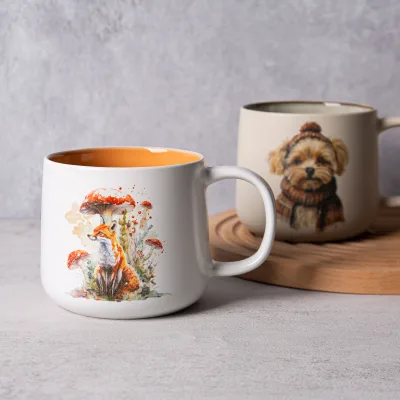


Ceramic Coffee Cups in Various Colors
$2.00 - $4.00
MOQ: 1000 Pieces
Chaozhou City Cha'an District Fengtang Town Sai Si Ceramics Factory


Comprehensive Sourcing Guide
Eco-Friendly Ceramic Coffee Cup with Handgrip Sourcing Guide
Sourcing eco-friendly ceramic coffee cups with handgrips requires a nuanced understanding of material sustainability, functional design, and supply chain transparency. The modern B2B buyer must navigate a market where "eco-friendly" is often used as a broad marketing term rather than a verified technical specification. This guide provides evidence-based procurement strategies for sourcing these specific drinkware items, focusing on verified attributes such as material composition, customization capabilities, and origin data. By adhering to strict verification protocols, buyers can mitigate risks associated with greenwashing and ensure that the final products meet both environmental standards and commercial viability.
The intersection of ceramic materiality and ergonomic design presents unique challenges in quality control and logistics. Ceramic is a durable, recyclable, and non-toxic material, making it a preferred choice for sustainable beverage service. However, the addition of a handgrip introduces complexity in manufacturing, particularly regarding structural integrity and thermal performance. Buyers must evaluate how the handle is attached to the body, whether through integrated molding or separate assembly, as this impacts durability and the potential for breakage during transit. This guide outlines the critical steps for validating these technical and commercial aspects to secure a reliable supply chain.
Product Scope and Observed Listing Signals
The observed product landscape for ceramic coffee cups with handgrips reveals a diverse range of customization options and packaging configurations. Listings indicate that products are available in various styles, including modern and simple designs, with customization available for color, logo, and packaging. The material is consistently identified as ceramic, with specific mentions of stoneware and porcelain as sub-categories. This variety allows buyers to tailor products to specific brand identities, from minimalist office settings to vibrant party environments. The presence of accessories such as handgrips and gift boxes suggests a market segment that values both functionality and presentation, catering to corporate gifting and premium retail channels.
Origin data points to China, specifically Hunan province, as a significant production hub for these items. This region is known for its ceramic manufacturing heritage, offering access to skilled labor and established supply chains for raw materials like clay and glazes. The observed single package sizes, such as 15x10x8 cm, and gross weights around 0.350 kg provide baseline data for logistics planning. Buyers should note that while these metrics are observed, they may vary based on the specific model number and packaging choice. Understanding these physical attributes is crucial for calculating freight costs and storage requirements, ensuring that the procurement strategy aligns with operational constraints.
Technical Specifications to Verify
Verifying the technical specifications of ceramic coffee cups is essential to ensure product quality and safety. Key attributes to confirm include the material composition, specifically whether the ceramic is stoneware or porcelain, as this affects durability and thermal shock resistance. The presence of a handgrip must be evaluated for ergonomic comfort and structural integrity; buyers should request samples to test the handle's attachment strength and the cup's balance. Additionally, capacity variations observed in listings, ranging from 80ml to 300ml, require precise verification to match the intended use case, whether for espresso, standard coffee, or tea.
Packaging and labeling specifications are equally critical for brand representation and product protection. Listings indicate options for white boxes, color boxes, cylinder boxes, and grid boxes, with customization available for logos and colors. Buyers must verify the durability of the packaging to prevent damage during shipping, especially for fragile ceramic items. The inclusion of gift boxes suggests a premium positioning, which may impact the overall cost structure. It is also important to confirm the model numbers, such as RY2927 or RY2467, to ensure consistency in future orders and to facilitate accurate communication with the supplier regarding specific design features.
Compliance and Safety Documentation
Compliance with food safety standards is non-negotiable for ceramic drinkware. Buyers must request documentation verifying that the ceramic material and glazes are free from lead and cadmium, which are common contaminants in low-quality ceramics. While specific certification statuses are not provided in the observed data, buyers should insist on test reports from accredited laboratories confirming compliance with relevant international standards, such as FDA or EU regulations for food contact materials. This verification protects the buyer from legal liabilities and ensures the safety of end consumers.
Environmental claims, such as "eco-friendly," require substantiation through credible documentation. Buyers should ask for evidence of sustainable manufacturing practices, such as energy-efficient kilns or waste reduction programs. Additionally, the recyclability of the ceramic material should be confirmed, as this aligns with the sustainability goals of many B2B clients. It is also important to verify the packaging materials, ensuring they are recyclable or biodegradable, to maintain the integrity of the eco-friendly narrative. Without proper documentation, these claims may be considered unsubstantiated, potentially damaging the buyer's brand reputation.
Cost Drivers and Commercial Terms
Several factors influence the cost of eco-friendly ceramic coffee cups with handgrips. The primary cost drivers include the material quality, the complexity of the design, and the level of customization. Customized colors, logos, and packaging add to the production cost, as do smaller order quantities. The observed minimum order quantity (MOQ) of 1500 pieces suggests that economies of scale are achievable, but buyers must balance this with their inventory management capabilities. Understanding these cost drivers allows buyers to negotiate more effectively and plan their budgets accurately.
Commercial terms, including payment methods, lead times, and shipping arrangements, are critical components of the procurement process. Buyers should clarify the sample time, which is observed to be 7-15 days, and factor this into their product launch timelines. Shipping costs can be significant due to the weight and fragility of ceramic items, so buyers should explore options for consolidated shipping or local warehousing. It is also important to discuss return policies and quality guarantees, ensuring that any defective products can be replaced or refunded without excessive hassle.
Supplier Qualification and Quality Control
Supplier qualification is a vital step in mitigating procurement risks. Buyers should conduct thorough due diligence on potential suppliers, verifying their business licenses, production capabilities, and past performance. Requesting references from previous clients can provide insights into the supplier's reliability and responsiveness. Additionally, buyers should assess the supplier's commitment to quality control, including their inspection processes and defect rates. A supplier with a robust quality management system is more likely to deliver consistent product quality.
Quality control measures should be implemented throughout the production process, from raw material sourcing to final packaging. Buyers should consider hiring third-party inspection services to conduct pre-shipment inspections, ensuring that the products meet the agreed-upon specifications. This includes checking for visual defects, measuring dimensions, and testing the structural integrity of the handgrip. Establishing clear quality standards and communication channels with the supplier helps to prevent misunderstandings and ensures that any issues are addressed promptly.
Long-Term Procurement Checks
Long-term procurement success depends on continuous monitoring and relationship management. Buyers should establish regular review cycles to assess supplier performance, including on-time delivery rates, product quality, and responsiveness to issues. Building a strong relationship with the supplier can lead to better pricing, priority production, and collaborative innovation. Additionally, buyers should stay informed about industry trends and regulatory changes that may impact the procurement of ceramic drinkware, such as new environmental regulations or shifts in consumer preferences.
Sustainability should be a core component of the long-term procurement strategy. Buyers should work with suppliers to identify opportunities for reducing the environmental impact of the product lifecycle, such as optimizing packaging to reduce waste or exploring alternative materials. Regular audits of the supplier's sustainability practices can help to ensure that eco-friendly claims are maintained over time. By prioritizing sustainability and continuous improvement, buyers can build a resilient and responsible supply chain that aligns with their corporate values and market expectations.
FAQs
What materials are used for these coffee cup sets?
The products are made from ceramic, specifically stoneware or porcelain. This material ensures durability while maintaining an eco-friendly profile suitable for various beverages like coffee, tea, and water.
Can I customize the logo and color of the cups?
Yes, customized logo and color options are available for these ceramic mugs. Buyers can request specific designs to match their brand identity or event themes without compromising the product quality.
What is the minimum order quantity for these items?
The minimum order quantity is 1500 pieces for this product line. This threshold applies to standard orders, though specific customization requests may require verification of the exact production capacity.
How long does it take to receive a sample?
Sample preparation typically takes between 7 to 15 days. This timeframe allows for the creation of customized prototypes before proceeding to full-scale production and bulk shipping arrangements.
Which packaging options are available for these mugs?
Packaging includes white boxes, color boxes, cylinder boxes, and grid boxes. Standard export cartons are also used, and custom packing is acceptable to meet specific logistical or branding requirements.
Where are these ceramic coffee cups manufactured?
These products originate from Hunan, China. The manufacturing location supports the production of modern style mugs with handgrips that are suitable for home, hotel, and office applications.