Source eco-friendly cat toy for Play, Training, and Gifting
Explore 30 verified listings for eco-friendly cat toy options including plush, plastic, and puzzle designs. Buyers can compare customization, certifications, and pricing to find suitable interactive toys for cats.
Key considerations
Products List




Comprehensive Sourcing Guide
Strategic Sourcing Guide for Eco-Friendly Cat Toys
Understanding Product Attributes and Material Composition
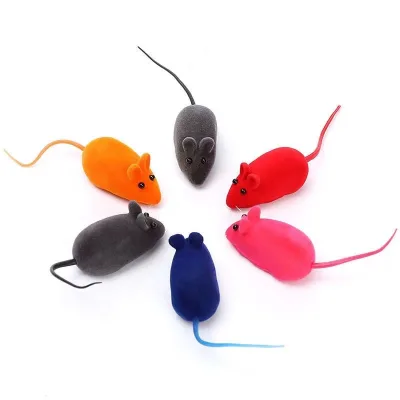
When sourcing eco-friendly cat toys, the primary objective is to identify products that balance safety, durability, and environmental responsibility. The available market data indicates a diverse range of material compositions, with a significant segment utilizing plush and stuffed fabrics alongside hard plastics. Buyers must carefully distinguish between these categories, as the term "eco-friendly" can apply to different aspects of the product lifecycle, from the sourcing of raw materials to the end-of-life disposal.
A critical observation in the current supply landscape is the prevalence of non-toxic materials. Specific product listings highlight the use of non-toxic plastic and ABS combined with silicone, which are essential for ensuring that the toys do not leach harmful chemicals when chewed or manipulated by pets. The presence of "non-toxic squeaky toy" attributes further reinforces the need for rigorous material verification. While some products are constructed from plush and stuffed materials, others rely on plastic or silicone components. The "Eco-Friendly" attribute is explicitly listed for certain items, suggesting that manufacturers are increasingly aligning their production with sustainability goals. However, buyers should not assume that all plush toys are automatically eco-friendly; the distinction often lies in the specific dyes, glues, and stuffing materials used, which must be verified against the supplier's material declarations.
The diversity in material types also influences the functional design of the toys. For instance, interactive cat toys often utilize ABS and silicone to create durable, chew-resistant structures, while plush toys may focus on soft textures and internal squeakers. The "Plush & Stuffed" material category suggests a focus on tactile comfort, whereas "plastic" and "ABS+silicone" indicate a focus on structural integrity and interactive play. When evaluating suppliers, procurement teams should request detailed material safety data sheets (MSDS) to confirm that the "non-toxic" claims are backed by laboratory testing, particularly for products intended for cats, which are known to ingest small parts or chew aggressively.
Technical Specifications and Dimensional Standards
Technical specifications play a pivotal role in determining the suitability of a cat toy for its intended use. The market data reveals a wide variance in dimensions, ranging from compact sizes like 41mm or 5.82.8cm to larger formats such as 12155 cm or 210121mm. This variation suggests that the "eco-friendly" label is not tied to a single size standard but rather to the manufacturing process and material efficiency at various scales.
One notable specification is the standard size of 6.3*6.3cm, which appears in the product attributes. This suggests a potential industry standard for certain types of interactive or puzzle toys. However, the data also explicitly lists "Custom Sizes" as an available option, indicating that suppliers are flexible in meeting specific design requirements. For buyers focusing on eco-friendly sourcing, the ability to customize size is crucial for minimizing material waste. By optimizing the dimensions to the exact needs of the design, manufacturers can reduce off-cuts and excess packaging, thereby enhancing the overall environmental profile of the product.
The single package size is another critical specification, with examples ranging from 12X15X5 Cm to 41mm. These dimensions directly impact logistics and shipping efficiency. Smaller, more compact packaging reduces the carbon footprint associated with transportation, as more units can be shipped per container. The single gross weight of 0.080 Kg for certain items highlights the importance of lightweight design in eco-friendly procurement. Lightweight products require less fuel for transport and generate less waste in packaging materials. Buyers should prioritize suppliers who can demonstrate a commitment to optimizing these dimensions without compromising the structural integrity or play value of the toy.
Furthermore, the "Single Package Size" and "prod_packing" attributes indicate that packaging is a key area for improvement. While some products use standard cartons, others utilize OPP bags or custom packaging methods. The availability of "Customizable" packing options allows buyers to specify eco-friendly packaging solutions, such as recycled cardboard or biodegradable films, which align with the broader sustainability goals of the product.
Compliance, Certification, and Safety Verification
Ensuring compliance with international safety standards is non-negotiable when sourcing pet products, particularly those marketed as eco-friendly. The observed certification landscape includes CCC, ISO, CE, and RoHS, which serve as critical indicators of a supplier's adherence to safety and environmental regulations. The presence of these certifications suggests that the products have undergone testing for electrical safety (though the product is noted as "Not Electric"), chemical composition, and general product safety.
The RoHS (Restriction of Hazardous Substances) certification is particularly relevant for products containing plastics and electronics, as it limits the use of specific hazardous materials like lead, mercury, and cadmium. For eco-friendly cat toys, this certification ensures that the materials used do not pose a risk to the pet or the environment. Similarly, the CE marking indicates conformity with health, safety, and environmental protection standards for products sold within the European Economic Area. While the product is not electric, the CE mark may still apply to the general safety of the materials and design.
The ISO certification, specifically ISO 9001, implies that the supplier has a quality management system in place, which is essential for maintaining consistent product quality and safety. This is crucial for eco-friendly products, as the production process must be tightly controlled to ensure that the "non-toxic" claims are consistently met across all batches. The CCC (China Compulsory Certification) is another mandatory requirement for products sold in China, ensuring that the toys meet local safety standards.
Buyers should verify that the certifications are current and applicable to the specific product line being sourced. It is important to note that while certifications are a strong indicator of compliance, they should be supported by independent test reports. The data mentions "NON-TOXIC PLASTIC" and "NON-TOXIC Squeaky toy," but these claims must be validated through third-party testing to ensure they meet the rigorous standards implied by the certifications. Additionally, while GOTS (Global Organic Textile Standard) and FSC (Forest Stewardship Council) are mentioned in the background context, they are not confirmed in the high-confidence facts. Therefore, buyers should explicitly request proof of these certifications if they are a priority for their eco-friendly sourcing strategy.
Cost Drivers and Economic Considerations
The cost of sourcing eco-friendly cat toys is influenced by several factors, including material quality, customization options, and certification compliance. The observed price range of 0-54.12 USD indicates a significant variance, which can be attributed to differences in material costs, production complexity, and order volume. Products made from high-quality, non-toxic materials like ABS and silicone may command a higher price point compared to those made from standard plastics or plush fabrics.
The Minimum Order Quantity (MOQ) is another critical cost driver. The data shows an MOQ range from 1 to 2000 units, with specific products requiring 20 or 1000 pieces. Lower MOQs offer flexibility for startups or those testing the market, but they often come with a higher per-unit cost due to the lack of economies of scale. Conversely, higher MOQs can reduce the per-unit cost but require a larger upfront investment. Buyers must balance their budget constraints with their inventory needs to optimize costs.
Customization is a significant factor in pricing. The availability of "Customized Logo," "Customizable Packing," and "Custom Sizes" adds value but also increases production costs. Suppliers may charge a setup fee for custom molds or printing, which can impact the overall cost structure. However, customization can also differentiate a product in the market, potentially justifying a higher price point and increasing brand value.
The "Selling Units" attribute, which lists "Single Item," suggests that some products are sold individually, which may affect the pricing strategy. Buyers should consider the total cost of ownership, including shipping, packaging, and potential returns, when evaluating the cost-effectiveness of a supplier. Additionally, the "OEM/ODM" acceptance indicates that suppliers are willing to work with buyers on design and manufacturing, which can lead to cost savings through shared development efforts.
Typical Applications and Functional Design
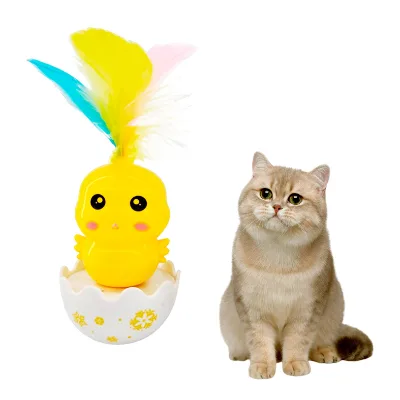
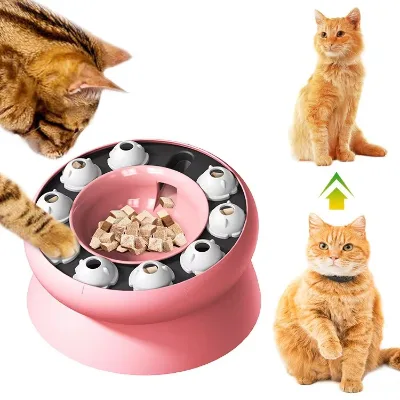
Eco-friendly cat toys are designed to meet a variety of functional needs, ranging from interactive play to stress relief. The data highlights several key applications, including "Interactive Cat Funny Toy," "Playing Cat Toys," and "Festive Squeaky Dog Toy for Christmas Fun." These applications suggest that the toys are intended to engage cats in active play, which is essential for their physical and mental well-being.
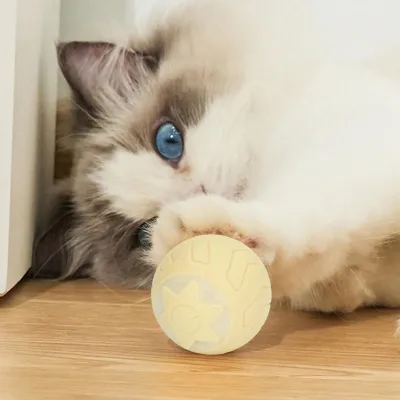
The "Interactive" nature of many toys implies that they are designed to stimulate a cat's hunting instincts, often through movement, sound, or texture. The use of "squeaky" elements, as noted in the "NON-TOXIC Squeaky toy" attribute, adds an auditory component that can enhance the play experience. However, the "Not Electric" attribute indicates that these toys rely on mechanical or manual interaction rather than electronic components, which can reduce the risk of battery-related hazards and simplify the recycling process.
The "Style" attribute, described as "Funny," suggests that the toys are designed to be entertaining and engaging for both the cat and the owner. This can be achieved through unique shapes, colors, or interactive features. The "All Seasons" attribute indicates that these toys are suitable for year-round use, making them a versatile addition to a cat's play environment.
The "Applicable Pet" attribute, which includes "Dog and Cat" as well as "Cats Animals," suggests that some products are designed for multi-pet households. However, buyers should verify that the toys are specifically safe for cats, as dogs may have different chewing habits and size requirements. The "Suitable for: Cats Animals" attribute reinforces the focus on feline-specific needs, ensuring that the toys are appropriately sized and textured for cats.
Supplier Evaluation and Quality Control Protocols
Selecting the right supplier is critical for ensuring the quality and sustainability of eco-friendly cat toys. The data indicates that suppliers offer "OEM/ODM" services, which suggests a level of flexibility and collaboration. Buyers should evaluate suppliers based on their ability to meet customization requirements, their adherence to safety standards, and their commitment to sustainability.
Quality control is a key consideration, as the "Eco-Friendly" label implies a higher standard of safety and environmental responsibility. Buyers should request detailed quality control procedures, including material testing, production inspections, and final product checks. The presence of certifications like ISO and CE suggests that the supplier has established quality management systems, but buyers should verify that these systems are actively implemented and audited.
The "Customizable" nature of the products allows buyers to specify quality requirements, such as the use of specific materials or packaging. Buyers should work closely with suppliers to define these requirements and ensure that they are met throughout the production process. Regular audits and sample testing can help maintain quality standards and identify any potential issues early in the supply chain.
Long-Term Procurement and Sustainability Strategy
Sourcing eco-friendly cat toys is not just a one-time transaction but a long-term strategy that requires ongoing commitment to sustainability. Buyers should consider the entire lifecycle of the product, from material sourcing to end-of-life disposal. The "Eco-Friendly" attribute suggests that the products are designed with sustainability in mind, but buyers should verify that the suppliers are actively working to reduce their environmental impact.
Long-term procurement strategies should include building strong relationships with suppliers who share the same sustainability values. This can lead to continuous improvement in product design, material efficiency, and waste reduction. Buyers should also consider the potential for circular economy practices, such as recycling programs or take-back schemes, to minimize the environmental footprint of the products.
The "Customizable" options for packaging and design provide opportunities for buyers to innovate and differentiate their products. By working with suppliers to develop eco-friendly packaging solutions, such as recycled cardboard or biodegradable films, buyers can further enhance the sustainability profile of their offerings. Additionally, the "Logo Printing" and "Customized Logo" attributes allow for branding that emphasizes the eco-friendly nature of the products, which can resonate with environmentally conscious consumers.
In conclusion, sourcing eco-friendly cat toys requires a comprehensive approach that considers material composition, technical specifications, compliance, cost, and long-term sustainability. By carefully evaluating suppliers and prioritizing quality and safety, buyers can build a robust supply chain that meets the needs of their customers while contributing to a more sustainable future.
FAQs
What certifications do eco-friendly cat toys have?
Products carry CCC, ISO, CE, and RoHS certifications to ensure safety and environmental compliance. These marks verify that materials are non-toxic and meet international standards for chemical restrictions and quality management systems.
Can I request a customized logo on these toys?
Yes, customized logos are available through printing labels, woven labels, or PU labels. Suppliers also accept OEM and ODM requests to tailor the product design and branding to your specific business needs.
What materials are used to make these cat toys?
Materials include plush, stuffed fabric, ABS, silicone, and non-toxic plastic. These components ensure durability and safety, with some items specifically designed as non-toxic squeaky toys for interactive play.
What is the minimum order quantity for these products?
Minimum order quantities range from 1 to 2000 pieces depending on the specific supplier and customization level. Some items require as few as 20 pieces, while others may need 1000 pieces for standard orders.
How are these toys packaged for shipping?
Packaging options include cartons, OPP bags, and back cards with customizable methods available. Single package sizes vary, with some items measuring 12x15x5 cm and weighing 0.080 kg to optimize logistics efficiency.
Are these toys suitable for all seasons?
Yes, the products are designed for all-season use to ensure year-round engagement for pets. They are suitable for both cats and dogs, offering interactive play options regardless of the time of year.