Source Eco-Friendly Ceramic Manual Coffee Grinder for Home, Hotel, and Outdoor Use
Compare 30 listings of eco-friendly ceramic manual coffee grinder options from verified Chinese manufacturers. Buyers can evaluate features like LFGB certification, material composition, and packaging details for household, commercial, or outdoor applications.
Key considerations
Products List
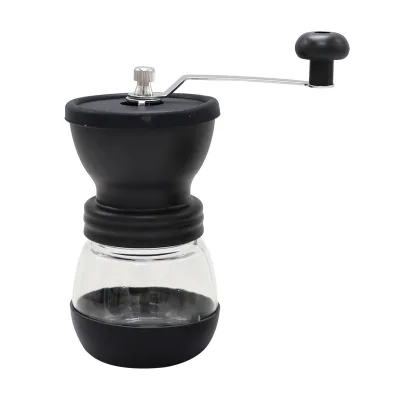
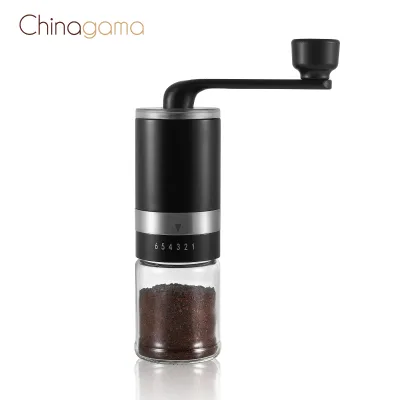
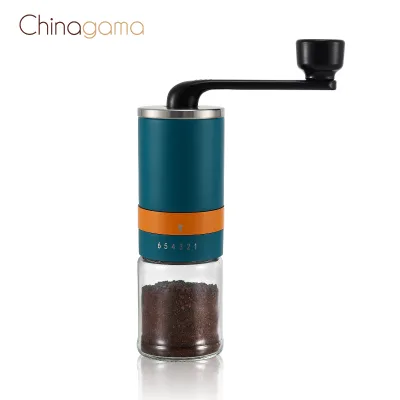
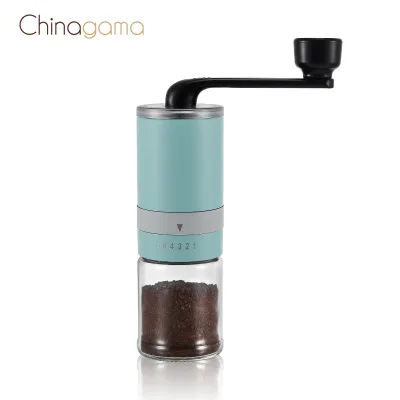
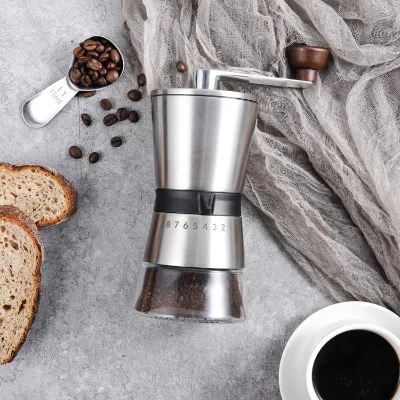


Stainless Steel Hand Manual Coffee Bean Grinder with Adjustable Ceramic Core
$2.39 - $2.76
MOQ: 100 Pieces


Adjustable Hand Manual Grinder Coffee Stainless Steel Manual Coffee Grinder
$14.20 - $20.00
MOQ: 1 Pieces




Comprehensive Sourcing Guide
Eco-Friendly Ceramic Manual Coffee Grinder Sourcing Guide
Sourcing manual coffee grinders with ceramic burrs and eco-friendly materials requires a disciplined approach to verifying material integrity and mechanical reliability. The market offers a diverse range of options, from compact silicone-based units to robust stainless steel and glass constructions. Buyers must navigate these variations carefully, ensuring that the "eco-friendly" designation aligns with actual material composition and manufacturing practices rather than serving as mere marketing terminology. This guide provides a structured framework for evaluating suppliers, verifying technical specifications, and securing commercial terms that protect your procurement interests.
The following sections detail the critical verification steps for product scope, technical compliance, cost structures, and supplier qualifications. By focusing on observable listing signals and mandatory documentation, buyers can mitigate risks associated with inconsistent quality, non-compliant materials, or unreliable supply chains. The goal is to establish a clear, evidence-based procurement strategy that ensures the final products meet both functional requirements and sustainability claims.
Product Scope and Observed Listing Signals
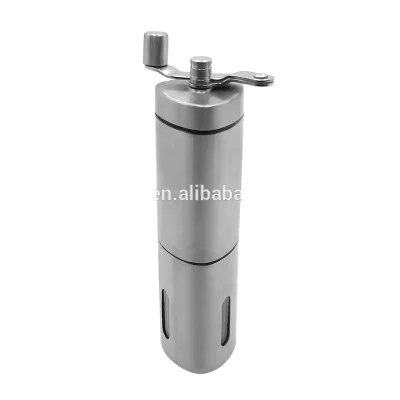
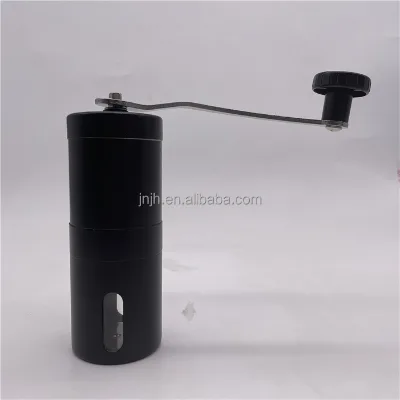
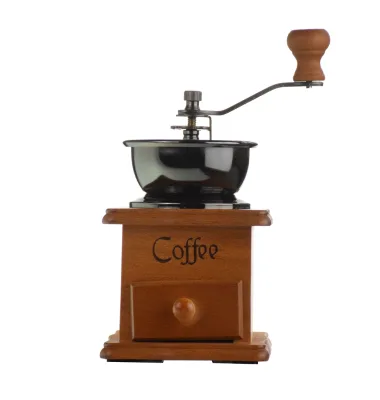
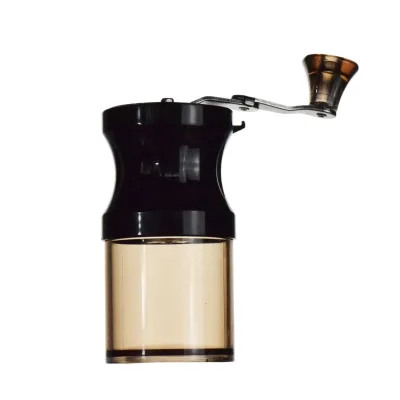
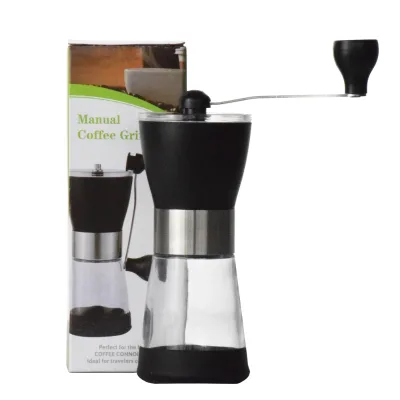
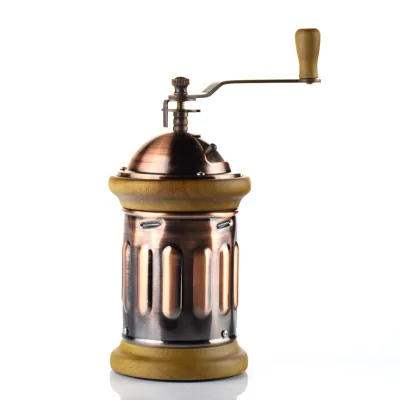
The current market landscape for manual coffee grinders includes distinct product categories defined by their primary materials and design aesthetics. Listings frequently highlight silicone rubber constructions, which are often marketed as eco-friendly and durable, alongside traditional combinations of ABS plastic, 18/8 stainless steel, ceramic grinders, and glass jars. These material differences significantly impact the product's weight, durability, and perceived value. For instance, silicone-based models may offer a lighter, more portable experience, while metal and glass assemblies provide a premium, classic feel suitable for household or commercial use. Buyers should carefully distinguish between these material profiles to align with their target market's preferences.
Brand presence and stylistic variations further complicate the sourcing landscape. Observed listings feature brands such as NTJY, Chefdhere, and Chinagama, each offering distinct styles ranging from modern to classic designs. Color options are diverse, including white, black, blue, green, and metallic finishes, allowing for customization based on brand identity. Additionally, some products are explicitly labeled as "Stocked," indicating immediate availability, while others may require custom logo application or specific packaging configurations. Understanding these variations is crucial for determining inventory strategy and potential lead times, as stocked items may offer faster delivery but limited customization, whereas custom orders provide branding flexibility but longer production cycles.
Technical Specifications to Verify
Verifying the physical dimensions and packaging details is essential for accurate logistics planning and cost estimation. Single package sizes vary significantly across different models, with observations ranging from compact dimensions like 12x12x20 cm to larger boxes measuring up to 20x14x25 cm. These variations directly impact shipping volume and freight costs, making it imperative to request precise package dimensions for each SKU. Furthermore, gross weights also differ, with some units weighing as little as 0.600 kg and others reaching 1.000 kg. Accurate weight data is critical for calculating landed costs and ensuring compliance with carrier weight restrictions, particularly for international shipments.
The internal construction and functional components must also be rigorously verified to ensure performance consistency. Key specifications include the grinder mechanism type, with ceramic grinders being a common feature in higher-end models, and blade materials such as stainless steel for alternative designs. Capacity is another critical factor, with some units designed for single-cup servings, catering to individual users or small-scale operations. Additionally, the operating language and interface simplicity, such as "Easy use" and "Easy clean" features, should be confirmed to ensure user-friendliness. Buyers should request detailed technical drawings or exploded views to verify the alignment of these components and ensure that the advertised features, such as "Brew Coffee" functionality, are accurately represented.
Compliance and Safety Documentation
Certification requirements are a non-negotiable aspect of sourcing food-contact products, particularly those marketed as eco-friendly. The LFGB certification is a critical standard to verify, as it ensures that materials meet stringent German safety regulations for food contact, which is often more rigorous than other international standards. Buyers must request valid, up-to-date certification documents from suppliers to confirm that the silicone, stainless steel, glass, and ceramic components are free from harmful substances like BPA, phthalates, or heavy metals. Without proper certification, products may face regulatory hurdles in key markets, leading to potential recalls or legal liabilities.
Beyond certifications, warranty and after-sales service terms provide additional layers of protection for buyers. A standard one-year warranty is commonly observed, indicating the supplier's confidence in product durability. However, buyers should also verify the specifics of the after-sales service, including provisions for free spare parts and return/replacement policies. These terms are crucial for managing customer satisfaction and reducing the financial impact of defective units. Clear documentation of these policies ensures that both the buyer and the end-user have recourse in case of mechanical failure or material defects, thereby safeguarding the brand's reputation in the market.
Cost Drivers and Commercial Terms
Pricing structures for manual coffee grinders are influenced by material quality, customization options, and order volume. The observed price range spans from $0.50 to $124 USD, reflecting the vast diversity in product quality and features. Lower-priced items may utilize simpler materials or lack advanced features, while higher-priced units often incorporate premium components like high-grade ceramic burrs and durable glass jars. Buyers should analyze the cost breakdown to understand the value proposition of each SKU, ensuring that the price aligns with the expected quality and functionality. It is essential to request detailed quotations that itemize costs for materials, labor, packaging, and any custom branding fees.
Minimum Order Quantities (MOQs) and payment terms are critical commercial considerations that impact cash flow and inventory management. MOQs can range from as low as 1 piece to 1000 pieces, offering flexibility for small businesses or large-scale retailers. However, higher MOQs often result in better unit pricing, so buyers should balance volume discounts against storage costs and demand forecasts. Additionally, suppliers may offer customized logo services, which can incur additional setup fees or require higher MOQs. Clear communication regarding these terms during the initial negotiation phase helps avoid unexpected costs and ensures that the procurement strategy aligns with the buyer's financial capabilities and market entry plans.
Supplier Qualification and Quality Control
Supplier qualification begins with verifying the place of origin and manufacturing capabilities. Most observed products originate from Jiangsu or Zhejiang provinces in China, regions known for their robust manufacturing ecosystems. Buyers should assess the supplier's production capacity, quality control processes, and ability to meet specific material requirements. Requesting factory audits or third-party inspection reports can provide valuable insights into the supplier's operational standards and compliance with ethical labor practices. Additionally, verifying the supplier's history and reputation in the industry can help mitigate risks associated with unreliable partners.
Quality control measures should be integrated into the procurement process to ensure consistent product quality. Buyers should establish clear acceptance criteria for materials, such as the grade of stainless steel or the purity of ceramic components, and require pre-shipment inspections. These inspections should verify that the products match the approved samples in terms of color, size, weight, and functionality. Furthermore, buyers should confirm that the packaging details, such as gift boxes or standard cartons, meet the specified requirements to protect the products during transit. Implementing a robust quality control protocol helps minimize defects and ensures that the final products meet the buyer's standards and customer expectations.
Long-Term Procurement Checks
Sustainability claims require ongoing verification to ensure they remain valid throughout the product lifecycle. Buyers should regularly review supplier documentation to confirm that materials continue to meet eco-friendly standards and that no substitutions have been made without approval. This includes verifying that the silicone, glass, and metal components are sourced from reputable suppliers who adhere to environmental regulations. Additionally, buyers should monitor any changes in certification status, such as LFGB renewals, to ensure continuous compliance. Proactive monitoring of sustainability claims helps maintain brand integrity and avoids potential greenwashing accusations.
Market feedback and product performance data are essential for long-term procurement success. Buyers should establish channels for collecting customer feedback on product durability, ease of use, and overall satisfaction. This data can inform future purchasing decisions, helping to identify high-performing SKUs and areas for improvement. Additionally, buyers should stay informed about industry trends and technological advancements in coffee grinder design, such as new materials or ergonomic improvements. By continuously evaluating product performance and market dynamics, buyers can optimize their procurement strategies and maintain a competitive edge in the evolving coffee accessory market.
FAQs
What materials are used in the ceramic manual coffee grinder?
The grinder is constructed using ceramic grinders, 18/8 stainless steel, ABS plastic, and glass jars. Some models also feature silicone rubber components. These materials ensure durability and safety for daily coffee preparation tasks.
Which certifications do these coffee grinders hold?
The products carry LFGB certification, confirming they meet specific food safety standards. This certification ensures the materials used are safe for contact with food and beverages during the grinding process.
Can I customize the logo on the manual coffee grinder?
Yes, customization of the logo is acceptable for these products. Buyers can request specific branding to be applied to the grinder, making it suitable for commercial or promotional use in hotels and households.
What is the minimum order quantity for these grinders?
The minimum order quantity is 50 pieces for certain models. Other listings indicate a range from 1 to 1000 units, allowing flexibility for both small retailers and large commercial buyers to place orders.
Where are these coffee grinders manufactured?
These grinders originate from Jiangsu and Zhejiang provinces in China. The manufacturing locations are specified as Mainland China, ensuring a consistent supply chain for international buyers seeking these specific kitchen tools.
How much does a single unit weigh?
A single package weighs between 0.600 kg and 1.000 kg depending on the specific model. The dimensions vary slightly, with sizes ranging from 12x12x20 cm to 21x12x21 cm for shipping purposes.
What warranty is provided for the coffee grinder?
A one-year warranty is provided for the product. This coverage includes free spare parts and return and replacement services, ensuring support for buyers facing potential defects or operational issues.