Source Eco-Friendly Ceramic Espresso Milk Jar for Hotels, Cafes, and Weddings
Compare 30 listings for the eco-friendly ceramic espresso milk jar featuring customizable logos and modern luxury styles. Buyers can evaluate options ranging from 90ml to 250ml volumes with various certifications like FDA and LFGB for home, hotel, or restaurant use.
Key considerations
Products List
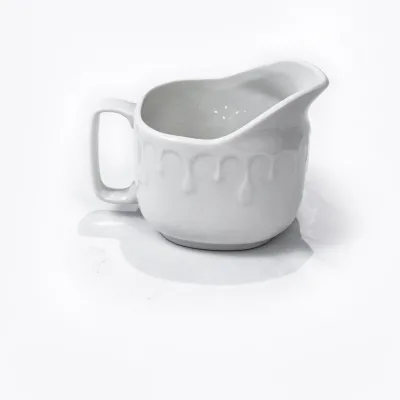
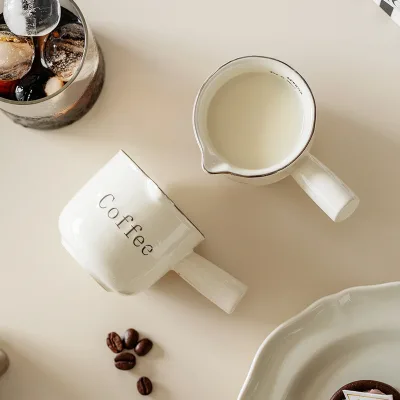


Vanguard Vintage Ceramic Creamer Porcelain Coffee Milk Jar with Floral Design
$0.60 - $5.00
MOQ: 5000 Pieces


Christmas Big Porcelain Coffee Creamer Custom Ceramic Milk Jar for Gift
$1.00 - $10.00
MOQ: 5000 Pieces

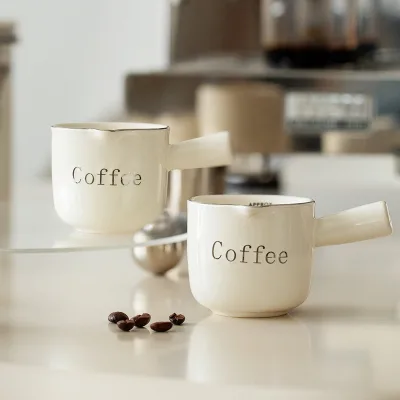


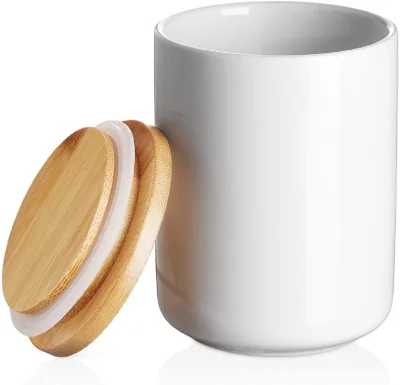
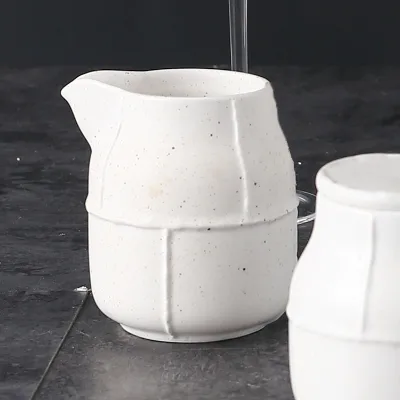

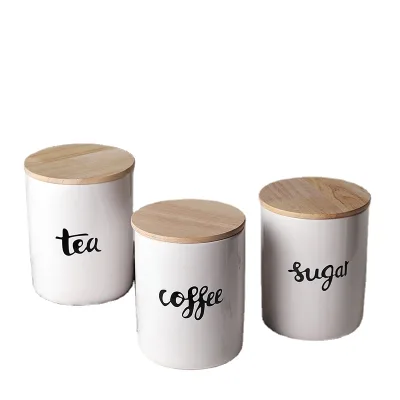
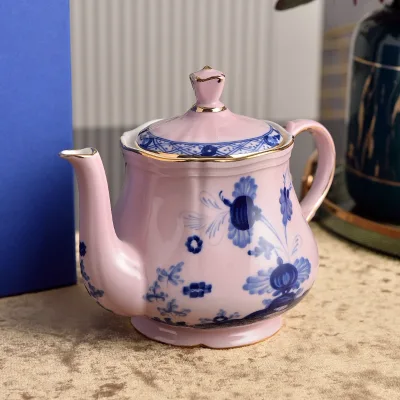


Decal Floral Cookie Coffee Canister Ceramic Storage Jar with Wooden Lid
$0.60 - $3.00
MOQ: 1000 Pieces

Comprehensive Sourcing Guide
Strategic Sourcing Guide for Eco-Friendly Ceramic Espresso Milk Jars
Understanding Product Specifications and Material Integrity
When sourcing an eco-friendly ceramic espresso milk jar, the buyer must first establish a clear understanding of the physical and functional specifications that define the product category. The core material for this item is consistently identified as ceramic, often described with the specific designation of ceramic and porcelain. This material choice is critical because it directly influences the thermal properties, aesthetic finish, and durability of the vessel. In the context of espresso service, the jar must maintain structural integrity under repeated thermal cycling, even if the specific product listings indicate that some variants may not be microwave-safe. The volume capacity is a primary differentiator in this segment; observed specifications point to a standard capacity of 250 mL for general milk jars, while specialized measuring cups designed for espresso preparation may feature a smaller 90 mL capacity. This distinction is vital for procurement teams to ensure the purchased unit aligns with the intended use case, whether for bulk milk dispensing or precise espresso measurement.
The physical dimensions and weight are equally important for logistics planning. Typical single package sizes for these ceramic units are recorded around 12x12x6 cm, with a single gross weight of approximately 0.250 kg. These metrics allow for accurate calculation of container loading and freight costs. The surface finish is another key specification, with common observations indicating a solid color pattern, predominantly in white, though multicolor options are available in the market. The style of the product ranges from modern simplicity to luxury aesthetics, often categorized as "modern luxury" or "new-fashion." This stylistic variance impacts the target market; a luxury finish may be required for high-end hotel or wedding applications, while a modern, simple design might suit casual cafes or home use. The product type is explicitly defined as a milk jar or coffee mug, with some listings noting the inclusion of a saucer, which suggests a specific serving style that must be verified during the selection process.
Compliance Verification and Certification Standards
For B2B buyers, verifying compliance and certification is a non-negotiable step in the procurement of ceramic drinkware, particularly when the product is marketed as eco-friendly. The supply chain for ceramic items often involves complex manufacturing processes where the glaze and firing temperatures determine the safety of the final product. Buyers must rigorously check for specific certifications that validate the safety of the ceramic material for food contact. The market data indicates that compliant products often carry certifications such as CE/EU, CIQ, FDA, and LFGB. These standards are not merely marketing terms but represent adherence to strict regulations regarding heavy metal leaching and food safety in the European Union, China, the United States, and Germany, respectively.
The "eco-friendly" attribute claimed by suppliers requires specific verification beyond general marketing language. This claim is often supported by the material grade, which is frequently listed as A or B grade. A-grade materials typically denote higher purity and fewer defects, while B-grade materials may have minor imperfections but remain functional. However, the "eco-friendly" designation should also be cross-referenced with the manufacturing process. Buyers should inquire about the firing temperature and the type of glazes used, as traditional lead-based glazes are increasingly being replaced by lead-free alternatives to meet environmental and health standards. The presence of a "CE" certification is noted in background data, but buyers must ensure that the specific supplier provides valid, up-to-date documentation for all relevant markets they intend to serve. It is essential to request a copy of the test report for the specific batch or model number, such as E1415-0425 or 0822, to confirm that the product meets the claimed standards before placing a large order.
Cost Drivers and Minimum Order Quantity Analysis
The pricing structure for ceramic espresso milk jars is influenced by several variable factors, including material quality, customization level, and order volume. The observed price range in the market spans from $0.50 to $56.99 USD, a significant variance that reflects differences in production complexity, brand positioning, and order size. The lower end of this spectrum typically corresponds to standard, unbranded, or B-grade ceramic items with minimal customization. Conversely, the higher price points are associated with luxury styling, A-grade porcelain, and extensive branding services. The "Luxury" and "Modern Luxury" styles often command a premium due to the intricate molding or hand-finishing processes required to achieve that aesthetic.
Minimum Order Quantity (MOQ) is another critical cost driver that affects the total landed cost per unit. The market data reveals a wide range of MOQs, from as low as 20 pieces to as high as 5,000 pieces. This disparity allows buyers to choose a supplier based on their inventory strategy. A low MOQ of 20 pieces is advantageous for startups or those testing a new product line, allowing for lower capital expenditure and reduced risk. However, this flexibility often comes with a higher unit price. In contrast, an MOQ of 500 pieces or higher typically unlocks economies of scale, significantly reducing the cost per unit. Buyers must balance the desire for a low unit price against the need for inventory flexibility. Additionally, the availability of samples is a crucial factor in the cost analysis. Most suppliers offer samples, which allows for physical verification of quality before committing to a bulk order. The cost of these samples should be factored into the overall procurement budget, although they are often deductible from the final bulk order value.
Typical Applications and Market Segmentation
The versatility of the eco-friendly ceramic espresso milk jar makes it suitable for a diverse range of applications, which should guide the buyer's selection process. The primary application scenarios include daily life home use, hotel service, restaurant operations, and event catering such as weddings and parties. The product is also noted for its suitability in business gift contexts, where the aesthetic appeal and perceived value of the ceramic item are paramount. For home users, the focus is often on durability and ease of cleaning, while commercial buyers in the hospitality sector prioritize the item's ability to withstand high-volume use and maintain a consistent appearance.
The specific design features of the milk jar also dictate its application. For instance, a graduated measuring cup with a 90 mL capacity is specifically designed for barista use in coffee shops, where precision in espresso preparation is essential. In contrast, a 250 mL milk jar with a saucer is better suited for table service in restaurants or hotels, where the presentation of the milk pitcher is part of the dining experience. The "eco-friendly" and "reusable" attributes make these items particularly attractive for businesses aiming to reduce single-use plastic waste, aligning with sustainability goals that are increasingly important to modern consumers. The product's suitability for camping and outdoor events, as noted in some specifications, further expands its market potential, suggesting a need for robust packaging to prevent breakage during transport.
Supplier Evaluation and Customization Capabilities
Evaluating a supplier for ceramic milk jars requires a deep dive into their customization capabilities and production flexibility. The market data indicates that most suppliers offer customized logo services, allowing businesses to brand the product with their own identity. This customization can range from simple screen printing to more complex molding techniques. Buyers should verify the specific requirements for logo customization, such as the minimum area for the logo or the number of colors allowed, as these can impact the unit cost and lead time. The ability to customize the product extends beyond the logo; some suppliers offer customization of the color, with options ranging from standard white to multicolor finishes, and the ability to tailor the product to specific quality standards, such as A-B grade or client-specific requirements.
When evaluating a supplier, the location of the manufacturing facility is a relevant factor. Many ceramic producers are located in Guangdong, China, a region known for its extensive ceramic industry and supply chain infrastructure. This location can offer advantages in terms of cost efficiency and logistical support, but it also necessitates careful management of shipping and import regulations. Buyers should also assess the supplier's capacity to handle different order sizes, from small sample runs to large-scale production. The availability of a "sample" product is a strong indicator of a supplier's willingness to engage in a transparent evaluation process. Furthermore, the supplier's response to quality inquiries and their ability to provide detailed product specifications, such as model numbers and single package dimensions, are key indicators of their professionalism and reliability.
Quality Control and Long-Term Procurement Strategy
Implementing a robust quality control (QC) strategy is essential for ensuring the long-term success of sourcing ceramic espresso milk jars. Given the brittle nature of ceramic materials, the risk of breakage during manufacturing, shipping, and handling is significant. Buyers should establish clear acceptance criteria based on the observed product grades, such as A or B grade, and define what constitutes a defect in the context of the specific application. The "heat-resistant" feature mentioned in product attributes suggests that the ceramic should withstand hot liquids, but buyers must verify this through thermal shock testing, especially if the product is intended for use with boiling water or hot espresso.
Long-term procurement considerations involve building a sustainable relationship with the supplier that ensures consistent quality and supply continuity. This includes establishing clear communication channels for feedback and issue resolution. Buyers should also consider the environmental impact of the entire supply chain, from the sourcing of raw materials to the packaging and shipping methods. The "eco-friendly" claim should be backed by verifiable practices, such as the use of recyclable packaging or energy-efficient manufacturing processes. Finally, buyers must plan for inventory management, considering the lead times and the potential for demand fluctuations. By maintaining a strategic approach to supplier evaluation and quality control, buyers can secure a reliable supply of high-quality ceramic milk jars that meet their specific operational and sustainability goals.
Comparative Analysis of Product Attributes
To facilitate a clearer decision-making process, the following table summarizes the key attributes observed in the market for eco-friendly ceramic espresso milk jars. This comparison highlights the variability in specifications that buyers must navigate when selecting a supplier.
| Attribute Category | Observed Specification Range | Key Considerations for Buyers |
|---|---|---|
| Material | Ceramic, Porcelain, Ceramic & Porcelain | Verify glaze safety and lead-free status. |
| Capacity | 90 mL (Measuring), 250 mL (Milk Jar) | Match capacity to specific use case (barista vs. service). |
| Style | Modern Luxury, Modern Simplicity, New-Fashion | Align style with target market (hotel vs. home). |
| Color | White, Multicolor, Solid Color | Check availability of custom color options. |
| MOQ | 20 Pcs to 5,000 Pcs | Balance unit cost against inventory risk. |
| Certification | CE/EU, CIQ, FDA, LFGB (Varies by supplier) | Request valid test reports for specific batches. |
| Customization | Logo, Color, Grade (A/B), Model Number | Confirm lead time and cost impact of customization. |
| Features | Eco-Friendly, Reusable, Heat-Resistant | Verify "heat-resistant" claims via thermal testing. |
| Origin | Guangdong, China | Assess logistics and import requirements. |
This structured approach to understanding the product attributes ensures that buyers can make informed decisions that align with their specific procurement needs, balancing cost, quality, and compliance requirements effectively.
FAQs
What is the standard capacity for these ceramic milk jars?
The standard capacity is typically 250 mL for general milk jars, while specialized measuring cups may hold 90 mL. Buyers must verify the specific model number to ensure the volume matches their intended use case for either bulk dispensing or precise espresso measurement.
Can I request a customized logo on these ceramic products?
Yes, customized logo services are acceptable and available for these ceramic items. Suppliers typically allow branding on the product surface, though the specific requirements for area and color may vary depending on the chosen manufacturer and their production capabilities.
Which certifications verify the safety of this ceramic drinkware?
Compliant products often carry certifications such as CE/EU, CIQ, FDA, and LFGB to validate food safety standards. Buyers should request test reports for specific model numbers to confirm adherence to heavy metal leaching regulations before placing large orders.
How does the minimum order quantity affect the unit price?
Minimum order quantities range from 20 pieces to 5,000 pieces, significantly influencing the cost per unit. Lower MOQs like 20 pieces offer flexibility for testing but often carry higher unit prices compared to bulk orders that unlock economies of scale.
What material grade is used for these porcelain milk jars?
The products are typically manufactured using A or B grade ceramic and porcelain materials. A-grade materials denote higher purity with fewer defects, while B-grade items may have minor imperfections but remain functional for various commercial and home applications.
Where are these ceramic espresso milk jars typically manufactured?
Most of these ceramic items originate from Guangdong, China, a region known for its extensive ceramic industry. This location offers supply chain advantages but requires buyers to manage shipping logistics and import regulations carefully for international distribution.
Are these ceramic jars suitable for microwave heating?
Some listed variants are explicitly marked as not microwave safe, despite being heat-resistant for hot liquids. Buyers must check the specific product specifications for each model to confirm thermal safety before using the jars in microwave ovens.