Source Eco-Friendly Clear Cake Glass Cover for Home Baking
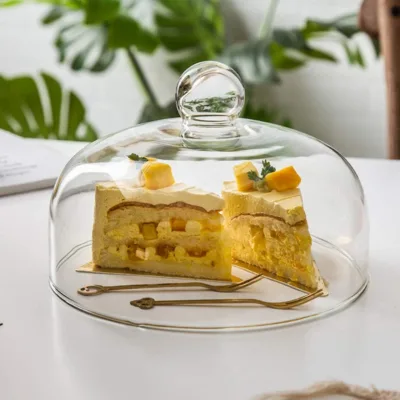
Explore 30 listings for an eco-friendly clear cake glass cover designed for home baking, cake decorating, and food storage. Buyers can compare specifications like size, material, and customization options across multiple suppliers to find the best fit for their needs.
Key considerations
Products List


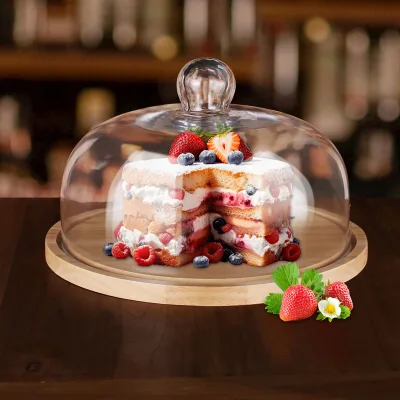
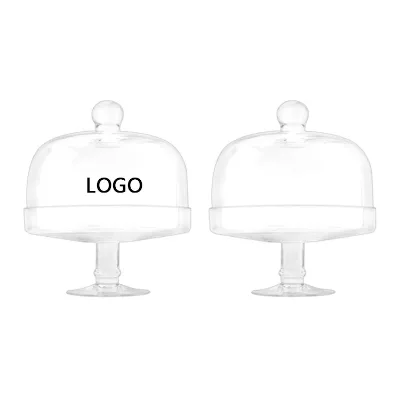


$0.10 - $0.30
MOQ: 5000 Pieces
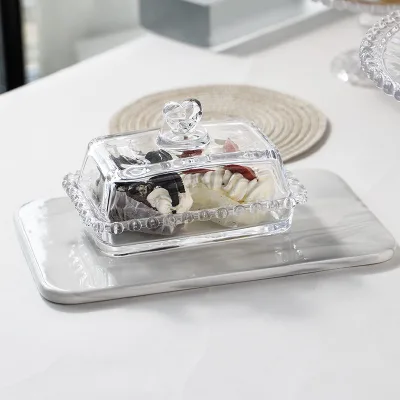


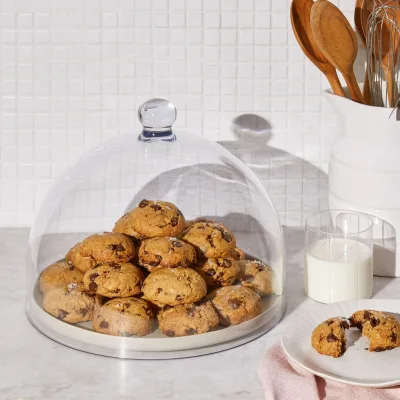


Comprehensive Sourcing Guide
Strategic Sourcing Guide for Eco-Friendly Clear Cake Glass Covers
Understanding Product Specifications and Material Integrity
When sourcing an eco-friendly clear cake glass cover, buyers must first establish a precise understanding of the physical and material specifications that define the product's utility and safety. The core item in this category is typically a dome-shaped glass cover designed for home baking and cake decorating accessories. The primary material is glass, specifically noted as food-grade silica gel in related contexts, though the dominant specification for the clear dome is high-quality glass. This material choice is critical for ensuring that the product does not leach harmful substances into food while maintaining transparency for aesthetic presentation.
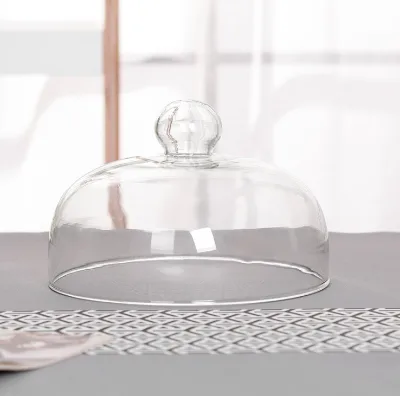
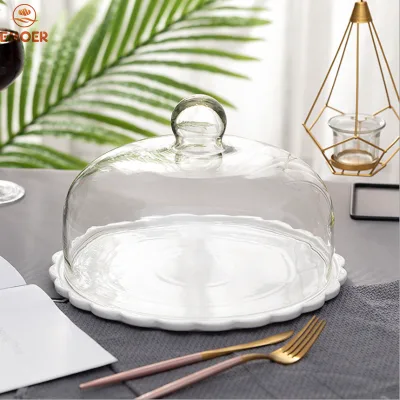
The physical dimensions of these covers vary significantly based on the specific model and intended use. Standard observations indicate a size of approximately 11 inches, with other models offering customized sizes to meet specific bakery requirements. For instance, one specific model features a dimension of 28x20 cm in diameter and height, while another lists a single package size of 40x40x30 cm, which includes the protective packaging rather than just the glass unit. The shape is consistently described as a dome, which is essential for providing adequate headspace over tall cakes without crushing the decoration.
Manufacturing processes play a vital role in the final quality. The glass is often produced using a blown process, which can influence the thickness and structural integrity of the dome. Buyers should verify that the glass is tempered or sufficiently thick to withstand thermal shock, especially if the cover is intended to be placed in a dishwasher or used with warm cakes. The care instructions typically indicate that the product is dishwasher safe, a key feature for commercial kitchens and busy home bakers. The color is uniformly clear, allowing the visual appeal of the cake to remain the focal point. Additionally, the product is often marketed as eco-friendly, suggesting a manufacturing process or material composition that minimizes environmental impact compared to single-use plastics.
Compliance, Certification, and Safety Verification
In the B2B procurement of food-contact glassware, compliance with safety standards is non-negotiable. While specific certification documents are not universally listed for every SKU, buyers must rigorously verify that the glass meets the relevant food safety regulations for the target market. The material is described as food-grade, which implies compliance with standards such as FDA regulations in the United States or EU Framework Regulation (EC) No 1935/2004 in Europe. However, buyers should not assume compliance based on marketing terms alone; they must request specific test reports or certificates of analysis from the supplier.
The "eco-friendly" attribute requires careful scrutiny. This claim often refers to the durability of the glass, which reduces waste compared to disposable plastic covers, or to the manufacturing process. Buyers should ask for evidence regarding the source of the raw materials and whether the production facility adheres to environmental management standards. For products originating from regions like Shanxi or Zhejiang in China, it is prudent to verify that the supplier has undergone audits for environmental compliance, as local regulations can vary.
Regarding chemical safety, the glass must be free from lead and cadmium, which are common concerns in glassware used for food storage. Although the provided data does not list specific test results, the "food grade" designation is a baseline requirement. Buyers should ensure that the supplier can provide migration test results proving that no harmful substances leach into acidic or fatty foods. For silicone components, if present in seals or lids, the material must be high-temperature resistant, as indicated by the "silica gel" reference in related product lines, ensuring it does not degrade at baking temperatures.
Cost Drivers and Pricing Dynamics
The pricing of eco-friendly clear cake glass covers is influenced by several distinct factors, including material costs, customization levels, and logistics. The observed price range in the market spans from $0.10 to $100.00 USD, a wide spectrum that reflects the difference between simple, mass-produced items and highly customized, premium glassware. The lower end of the range typically corresponds to standard sizes with minimal customization, while the higher end often includes bespoke dimensions, complex packaging, or orders with significant branding requirements.
Material costs are a primary driver. High-quality glass, particularly tempered or borosilicate glass, commands a higher price than standard soda-lime glass. The thickness of the glass and the precision of the blown manufacturing process also contribute to the unit cost. Customization is another significant cost variable. The ability to accept a customized logo and the availability of customized sizes allow buyers to tailor the product to their brand, but these features invariably increase the per-unit cost and may require a higher Minimum Order Quantity (MOQ).
Logistics and packaging costs are substantial for glass products due to their fragility and weight. The single gross weight is listed as 4.0 kg for a single package, indicating that shipping costs will be a major component of the total landed cost. The single package size of 40x40x30 cm suggests that efficient palletization is necessary to minimize shipping expenses. Buyers should factor in the cost of protective packaging, which is essential to prevent breakage during transit. Additionally, the supply ability of the manufacturer, such as 1000 cartons per week, can influence pricing; higher volume capabilities often allow for more competitive unit pricing, provided the order volume aligns with the supplier's capacity.
Typical Applications and Market Segments
The primary application for eco-friendly clear cake glass covers is in the realm of cake decorating and home baking. These covers serve as protective barriers against dust and contaminants while allowing the visual presentation of the cake to remain unobstructed. They are particularly valuable in settings where cakes are displayed for extended periods, such as in bakeries, cafes, and catering events. The dome shape is specifically designed to accommodate tall cakes and intricate decorations without compromising the structure of the dessert.
The target market for these products includes commercial buyers such as restaurants and food & beverage manufacturers, as well as individual home bakers. The "Suitable for: Home" attribute indicates a strong retail market, while the "Commercial Buyer" designation points to B2B opportunities. In a commercial setting, the durability and dishwasher-safe nature of the glass make it a practical choice for high-volume environments where hygiene and efficiency are paramount. The "Eco-Friendly" attribute also appeals to modern consumers and businesses looking to reduce their environmental footprint, making these covers a strategic choice for brands with sustainability goals.
Furthermore, the product is categorized under "Cake Tools" and "Moulds," suggesting its integration into a broader ecosystem of baking equipment. The "Fashion" style and "Modern" age designation imply that these covers are not just functional but also aesthetic, fitting into contemporary kitchen designs. The availability of color options (c1, c2, c3) in related silicone products suggests that buyers might look for complementary items to create a cohesive set, although the glass cover itself is typically clear.
Supplier Evaluation and Selection Criteria
Selecting the right supplier is critical for ensuring product quality and supply chain reliability. Buyers should prioritize suppliers with a proven track record in glass manufacturing and food-grade product compliance. The place of origin, such as Shanxi or Zhejiang, China, offers access to established manufacturing hubs, but buyers must verify the specific capabilities of the factory. Key evaluation criteria include the supplier's production capacity, quality control processes, and ability to handle customization requests.
The MOQ (Minimum Order Quantity) is a significant factor in supplier selection. The observed range is 1 to 5000 pieces, with a specific model noting an MOQ of 100 pieces. Buyers with smaller initial orders should look for suppliers offering lower MOQs, while those planning large-scale distribution should negotiate based on higher volume tiers. The availability of samples is another crucial indicator of supplier confidence and flexibility. A supplier that offers samples allows buyers to physically inspect the product quality, check the thickness of the glass, and verify the fit before committing to a large order.
Logistics capabilities are equally important. The port of dispatch, such as Ningbo Port, should be considered in the context of the buyer's location and shipping preferences. Buyers should assess the supplier's experience with international shipping, particularly regarding the packaging of fragile glass items. The packaging details, such as 1000 pieces per pack, should be evaluated for their efficiency in shipping and storage. Finally, the supplier's responsiveness to customization requests, such as logo printing and size adjustments, should be tested during the sampling phase to ensure they can meet specific branding needs.
Quality Control and Long-Term Procurement Considerations
Implementing a robust quality control (QC) protocol is essential for mitigating the risks associated with glass procurement. Given the fragility of the product, QC should focus on both the manufacturing process and the final packaging. Buyers should request pre-shipment inspections to check for defects such as bubbles, cracks, or uneven edges in the glass. Thermal shock resistance testing is also recommended to ensure the glass can withstand temperature changes without breaking, especially if the product is marketed as dishwasher safe.
Long-term procurement considerations involve building a sustainable relationship with the supplier. Buyers should look for suppliers who demonstrate a commitment to continuous improvement and environmental responsibility. The "Eco-Friendly" claim should be backed by tangible actions, such as waste reduction initiatives or the use of recyclable packaging materials. Additionally, buyers should consider the scalability of the supplier. As the business grows, the supplier must be able to increase production capacity without compromising quality or lead times.
The "Single package size" and "Single gross weight" data highlight the importance of logistics planning. Buyers should work with suppliers to optimize packaging to reduce shipping costs and environmental impact. Customization options, such as logos and sizes, should be standardized over time to streamline the procurement process. Finally, buyers should maintain open communication channels with the supplier to address any issues promptly and to stay informed about new product developments or changes in material standards. By focusing on these long-term factors, buyers can ensure a reliable and efficient supply chain for eco-friendly clear cake glass covers.
FAQs
Can I order samples of the glass cake cover before bulk purchase?
Samples are available for this product to verify quality before committing to a large order. Buyers can request individual units to check the dome shape, clarity, and material thickness. This step ensures the glass meets food-grade standards and fits specific baking needs.
What is the minimum order quantity for the custom glass dome?
The minimum order quantity is 100 pieces for this specific model. Buyers must meet this threshold to secure the unit price and customization options like logos. Orders below this count may not be accepted by the manufacturer for production.
Which size options are available for the clear cake cover?
The product offers customized sizes to fit various cake dimensions. One standard model measures 11 inches, while others can be tailored to specific requirements like 28x20 cm. Buyers should specify their exact needs when requesting a quote for the custom dimensions.
How is the glass cake cover manufactured for durability?
The cover is produced using a blown glass process to ensure structural integrity. This method creates a strong dome shape suitable for protecting tall cakes. The material is food-grade glass, designed to be dishwasher safe for easy cleaning in commercial or home settings.
What customization options exist for the glass cake cover logo?
Customized logos are acceptable for this product to support brand identity. Buyers can request specific branding on the clear glass surface. This feature requires coordination with the manufacturer to ensure the design fits the dome shape and meets production capabilities.
Where is the glass cake cover manufactured and shipped from?
The product originates from Shanxi, China, with some related items from Zhejiang. Shipping is dispatched from Ningbo Port, which is a major logistics hub. Buyers should account for the single package size and weight when calculating freight costs for international delivery.
What is the supply capacity for bulk orders of glass covers?
The supplier has a supply ability of 1000 cartons per week for related baking items. This capacity supports steady demand from restaurants and food manufacturers. Buyers planning large-scale distribution should confirm current stock levels and lead times to ensure timely delivery.