Source Sharing Ebike Battery Lock for Commutes, Rentals, and Fleets
Explore 30 verified options for the Sharing Ebike Battery Lock, comparing models like SL5007A and SL1005 with features such as resettable codes and zinc alloy cylinders. Buyers can evaluate specifications including material types, cable dimensions, and packaging details to select the right security solution for their specific operational needs.
Key considerations
Products List


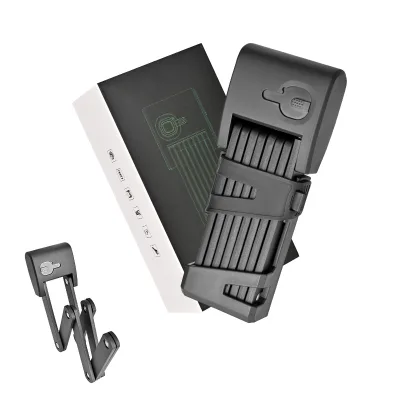

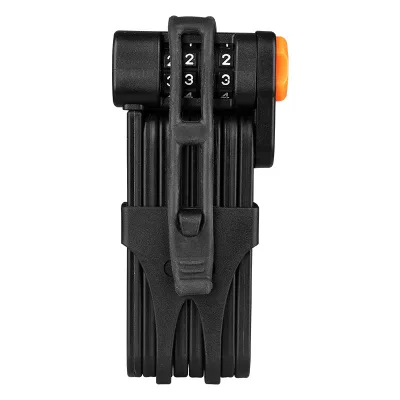
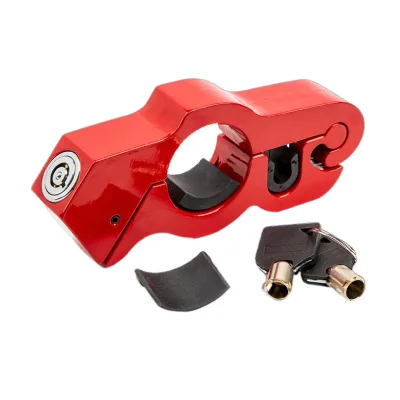
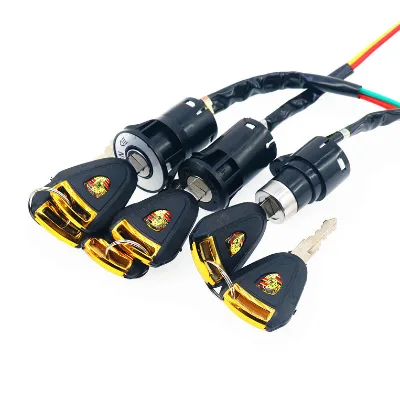
Folding Bike Combination Lock 78omm Anti-Theft Motorbike Scooter E-Bike Lock
$10.60 - $10.90
MOQ: 500 Pieces

Sende Bike Folding Bike Combination Lock 78omm Anti-Theft Motorbike Scooter E-Bike Lock
$11.09 - $12.50
MOQ: 500 Pieces

Motor Locks Bicycle Folding Lock Anti-Theft Scooter Accessories E-Bike Lock
$8.65 - $8.88
MOQ: 500 Pieces


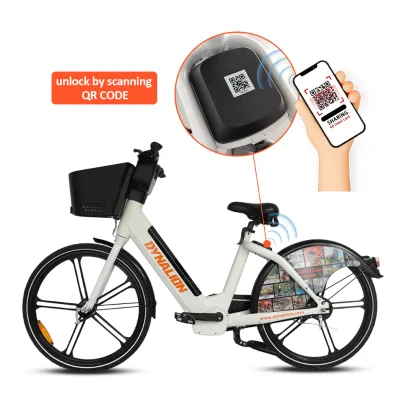
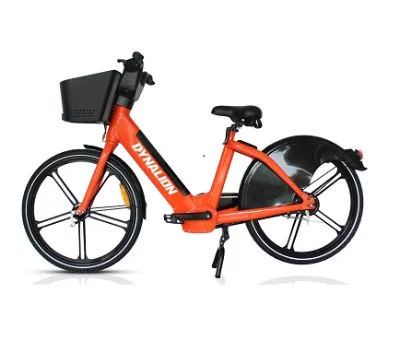



Comprehensive Sourcing Guide
Strategic Sourcing Guide for Sharing E-Bike Battery Locks
The rapid expansion of the shared electric bicycle (e-bike) ecosystem has created a critical demand for robust, tamper-resistant locking mechanisms specifically designed to secure high-value battery units. For procurement professionals in the logistics, mobility, and hardware sectors, sourcing these components requires a nuanced understanding of material science, security standards, and supply chain reliability. The following guide synthesizes available product data and industry best practices to assist buyers in navigating the complex landscape of e-bike battery security hardware.
Technical Specifications and Material Composition
When evaluating potential suppliers for e-bike battery locks, the primary focus must be on the physical attributes that ensure durability against environmental stress and forced entry. The supplied product data indicates a diverse range of materials and construction methods. A critical observation from the market is the prevalence of Steel and Alloy as primary structural materials. These metals are essential for resisting cutting tools and physical impact, which are common threats in public sharing environments.
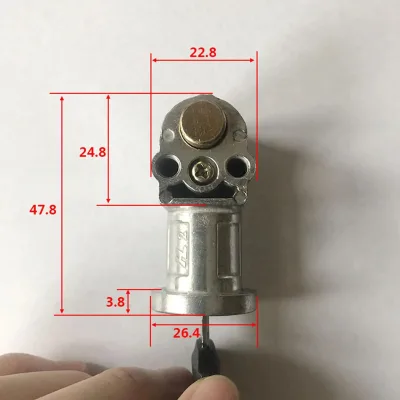
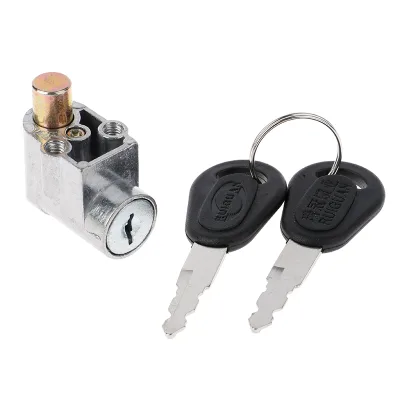
The locking mechanism itself often features a Zinc Alloy lock cylinder, a material choice that balances corrosion resistance with mechanical strength. In contrast, the lock head is frequently constructed from ABS Plastic, which provides a cost-effective outer shell while protecting internal components from dust and moisture. The cable or chain component, where applicable, varies significantly in specification. Data points show standards such as 12*1200mm, 7X1000mm, and 10*800MM, indicating that buyers must verify the exact diameter and length requirements for their specific battery housing designs. A 6x1200mm specification is also noted, suggesting that thinner, high-tensile cables are available for lighter applications.
For users requiring combination locks, the data highlights a 4-digit Combination system with a Resettable code feature. This is particularly relevant for shared fleets where key distribution is logistically challenging. However, the data also lists Key Lock types with Brass keys, offering a more traditional security approach. The presence of Nb10 brackets and 20.5cm dimensions suggests that mounting hardware is a distinct component that must be compatible with the battery casing. Buyers should note that while some listings mention PVC pipes, this likely refers to protective sheathing or specific housing components rather than the primary locking cable, which should be metal-based for security.
Compliance, Certification, and Security Standards
In the B2B procurement of security hardware, verifying compliance is non-negotiable. The shared e-bike industry operates under strict liability frameworks, making certification a primary filter for supplier selection. The provided data explicitly references ISO 9001:2008 certification. This standard indicates that the manufacturer has a documented quality management system, ensuring consistent production processes. While this is a strong indicator of operational maturity, it does not guarantee the specific security performance of the lock itself.
Buyers must distinguish between general quality certifications and specific security performance ratings. The data mentions an Ultra B Class theft-proof performance for the lock core. In the context of security hardware, "Class B" typically refers to a specific resistance level against picking and drilling, though exact definitions can vary by region. Procurement teams should request independent test reports that validate this claim, as "Ultra B Class" is a marketing descriptor rather than a universally standardized metric like UL ratings.
Regarding external standards, the provided context lists UL 2849 and UL 2271 as background information. However, these are not confirmed as active certifications for the specific products listed. UL 2849 relates to security alarm systems, and UL 2271 covers fire safety for battery systems. Buyers should not assume these locks automatically meet these standards. Instead, the procurement strategy should involve a direct inquiry to the supplier regarding their testing protocols for fire resistance and alarm integration. Relying on unverified standard claims can lead to significant liability issues if a lock fails during a security incident.
Cost Drivers and Pricing Dynamics
The pricing structure for e-bike battery locks is influenced by a complex interplay of material costs, customization requirements, and order volume. The observed market data reveals a price range from 0.1 to 699 USD. This extreme variance indicates that the market includes both low-cost, simple combination locks and high-end, industrial-grade security systems. The lower end of the spectrum likely corresponds to basic ABS plastic locks with simple cable mechanisms, while the higher end reflects heavy-duty steel locks with advanced anti-theft cores and custom branding.
A significant cost driver is the Customization availability. The data confirms that OEM (Original Equipment Manufacturer) services are available, allowing buyers to brand the lock with their own logo or specific color schemes. Customization typically incurs additional tooling and setup costs, which can impact the unit price. Furthermore, the MOQ (Minimum Order Quantity) ranges from 1 to 3000 units. Buyers purchasing in small quantities will face a higher per-unit cost, whereas bulk orders can leverage economies of scale to reduce the price significantly.
The weight of the product is another factor influencing logistics costs. The data lists weights ranging from 70g to 610g. A lock weighing 610g implies a substantial amount of steel or alloy, which increases shipping costs compared to a lightweight 70g unit. When calculating the total cost of ownership, buyers must factor in not just the unit price but also the shipping weight and the volume of the packaging, which is often listed as Carton or Box packing.
Typical Applications and Usage Scenarios
Understanding the intended application is vital for selecting the correct lock specification. The data indicates that these products are designed for Industrial and Commercial usage, with specific applications noted for home environments. For shared e-bike fleets, the commercial application is paramount. The locks must withstand constant exposure to weather, vandalism, and frequent handling by diverse users.
The Usage category also includes Industrial settings, suggesting that these locks are versatile enough for securing battery charging stations or storage facilities. The Bracket component, listed as Nb10, and accessories like 2 Screws and 2 Cable Ties, highlight that the product is a complete mounting kit. This is crucial for shared mobility, where quick and secure installation is necessary to prevent battery theft from the bike frame.
The Color options, ranging from Black to Colorful, allow for brand differentiation. In a shared fleet, color-coding locks can help users identify their specific battery or distinguish between different service providers. The Fabric component, identified as Polypropylene in some listings, may refer to protective covers or sheathing for the cable, adding a layer of abrasion resistance.
Supplier Evaluation and Selection Criteria
Selecting a reliable supplier requires a rigorous evaluation process beyond just price comparison. The data points to manufacturers located in Wenzhou, China and Guangdong, China, which are established hubs for hardware and lock manufacturing. Buyers should verify the specific factory location to ensure it aligns with their logistics strategy.
Key evaluation criteria include the Brand reputation, with names like Naibao, Nurbo, and HW appearing in the data. While these brands indicate market presence, buyers should not rely solely on brand names. Instead, they should request references from other clients in the shared mobility sector. The availability of OEM services is a strong positive indicator, suggesting the supplier has the flexibility to adapt to specific buyer requirements.
The Packing method is also a critical factor. Whether the product comes in a Carton, Box, or Bound Card affects the efficiency of the supply chain. Bound Card packaging is often used for retail, while Carton or Box is more suitable for bulk industrial distribution. Buyers should ensure the packaging protects the lock from damage during transit, especially given the varying weights and metal content.
Quality Control and Long-Term Procurement Considerations
Ensuring long-term reliability requires a proactive quality control strategy. The Weight variations (70g to 610g) suggest that not all products are created equal. Buyers must establish a sampling protocol to verify that the actual weight and material density match the specifications. A lock that is significantly lighter than the specified weight may indicate the use of inferior materials or hollow construction, which compromises security.
The Lock Cylinder material, specifically Zinc Alloy, should be tested for corrosion resistance. In outdoor shared environments, exposure to rain and humidity can degrade lower-quality metals. Buyers should request salt spray test results to verify the longevity of the locking mechanism. Additionally, the Resettable feature of combination locks must be tested for durability; the mechanism should not jam after repeated use.
For long-term procurement, buyers should consider the Lead Time and MOQ flexibility. The data shows an MOQ as low as 1, which is beneficial for prototyping, but scaling up to 3000 units requires a supplier with robust production capacity. Establishing a long-term partnership with a supplier who can guarantee consistent quality and timely delivery is essential for maintaining the integrity of a shared e-bike fleet. Regular audits of the supplier's quality management system, particularly their adherence to ISO 9001:2008, will help mitigate risks associated with product failure.
Comparative Analysis of Product Attributes
To facilitate decision-making, the following table summarizes key attributes observed in the market data, helping buyers compare different product profiles.
| Attribute | Observation A | Observation B | Observation C |
|---|---|---|---|
| Material | Steel | Alloy | Metal |
| Lock Type | Key Lock | Combination (4-digit) | Cable Lock |
| Cable Standard | 12*1200mm | 7X1000mm | 6x1200mm |
| Lock Cylinder | Zinc Alloy | Brass Key | Zinc Alloy |
| Weight | 610g | 70g | 610g |
| Origin | Wenzhou, China | Guangdong, China | China |
| Certification | ISO 9001:2008 | None Listed | None Listed |
| Customization | Available (OEM) | Available | Available |
| Packing | Carton | Box | Bound Card |
This comparison highlights the diversity in the market. Observation A represents a heavy-duty, steel-based lock with a standard ISO certification, suitable for high-security industrial applications. Observation B shows a lightweight, potentially lower-cost option with a brass key, ideal for lighter commercial use. Observation C mirrors the heavy-duty profile but with different packing standards. Buyers must align these attributes with their specific security needs and budget constraints.
Final Procurement Recommendations
Sourcing e-bike battery locks is a strategic decision that impacts the security and operational efficiency of shared mobility fleets. By focusing on verified material specifications like Steel and Alloy, demanding proof of ISO 9001:2008 compliance, and carefully evaluating the MOQ and Customization options, buyers can secure high-quality components. The wide price range and diverse specifications require a tailored approach, where the specific application dictates the choice between a lightweight 70g unit and a robust 610g industrial lock. Ultimately, the success of the procurement lies in rigorous supplier vetting and a commitment to quality over cost alone, ensuring that the security infrastructure of the shared e-bike network remains resilient against evolving threats.
FAQs
What materials are used for sharing ebike battery locks?
The primary materials observed are steel and alloy for structural durability. Some models also feature zinc alloy lock cylinders and ABS plastic lock heads to balance strength with cost and corrosion resistance.
Can I find locks with a resettable combination code?
Yes, resettable combination locks are available in the market. These units typically feature a 4-digit code system, offering a keyless security solution suitable for shared fleets where key distribution is challenging.
Which certifications do these locking mechanisms hold?
Some products explicitly hold ISO 9001:2008 certification for quality management. Buyers should verify specific security performance claims like Ultra B Class theft-proof ratings through independent test reports rather than relying solely on marketing terms.
How does the price range vary for these locks?
Prices range from 0.1 to 699 USD depending on the model and customization. Lower costs often correspond to basic plastic or simple cable designs, while higher prices reflect heavy-duty steel construction and advanced anti-theft cores.
What is the minimum order quantity for these products?
The minimum order quantity ranges from 1 to 3000 units. Small orders allow for prototyping, while bulk purchases leverage economies of scale to significantly reduce the per-unit cost for large shared mobility fleets.
Where are these locks manufactured?
Manufacturing origins are primarily located in Wenzhou and Guangdong, China. These regions are established hubs for hardware production, offering suppliers with experience in lock manufacturing and OEM customization services.
What customization options are available for branding?
OEM customization is available for branding and specific design requirements. Buyers can request custom colors, logos, and packaging types such as cartons or boxes to align with their specific fleet identity and distribution needs.