Source Eco-Friendly Construction Epoxy Resin for Woodworking, Flooring, Casting
Find 30 verified eco-friendly construction epoxy resin options for woodworking, flooring, and deep casting. Compare features like low viscosity, solvent-free formulas, and certifications to select the right supplier for your project needs; compare the available evidence and request quotations based on your requirements.
Updated
Key considerations
Products List






Comprehensive Sourcing Guide
Eco-Friendly Construction Epoxy Resin Sourcing Guide
Procuring eco-friendly construction epoxy resin requires a careful balance between environmental compliance and structural performance. Buyers must prioritize products that explicitly state low volatile organic compound (VOC) emissions and solvent-free formulations to ensure indoor air quality safety. The observed market signals indicate a strong emphasis on non-odor and non-VOC attributes, which are critical for residential and commercial interior projects. Sourcing teams should verify that the "eco-friendly" designation is backed by specific chemical profiles rather than vague marketing terms.
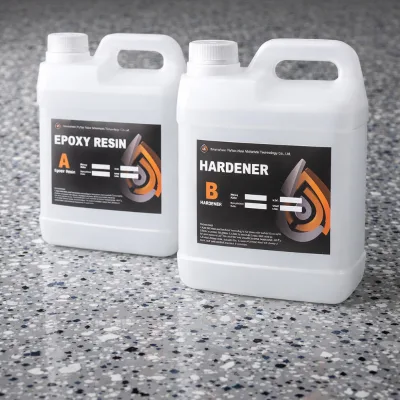
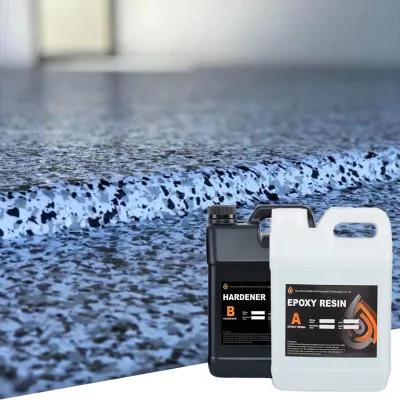
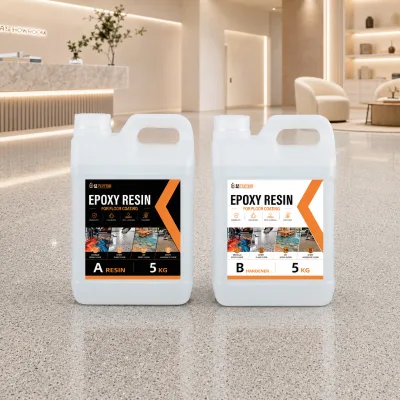
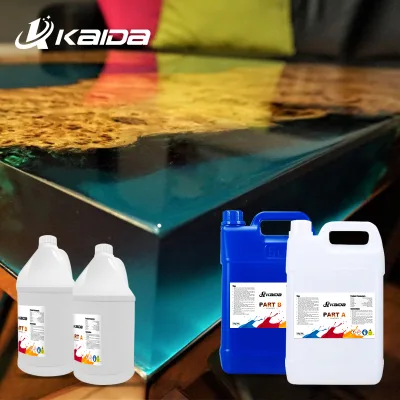
The supply chain for these materials often involves complex two-component systems, including both the epoxy resin and the hardener. It is essential to confirm that the supplier provides a complete system rather than isolated components, as improper mixing ratios can compromise the final cure and durability. Buyers should also assess the availability of customization options, as many manufacturers offer OEM services to tailor viscosity, curing time, and color to specific project requirements. This flexibility allows for precise adaptation to unique construction challenges.
Product Scope and Observed Listing Signals
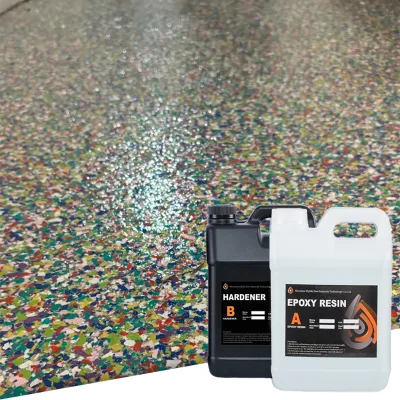
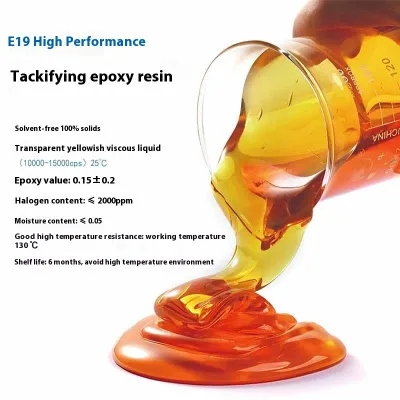
The current market landscape for epoxy resins reveals a diverse range of product types, primarily categorized as double-component adhesives and liquid coatings. Observed listings highlight features such as high solidity, solvent-free compositions, and resistance to moisture, heat, and yellowing. These attributes are particularly relevant for applications in woodworking, deep casting tables, and construction flooring. The presence of transparent and colorless options suggests versatility in aesthetic applications, while the availability of flake chips indicates specialized decorative flooring solutions.
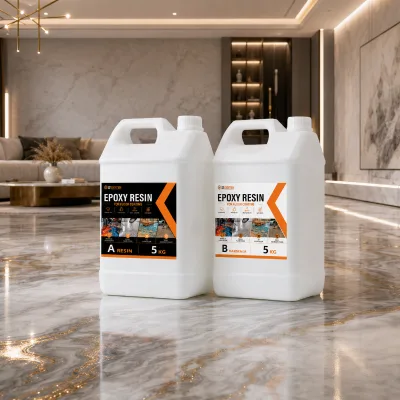
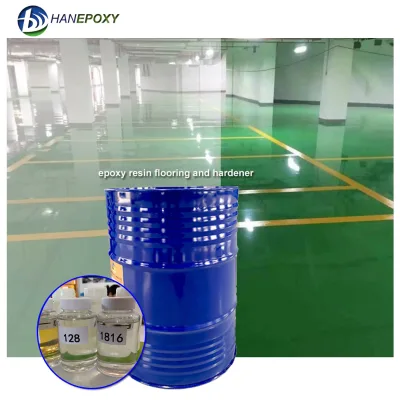
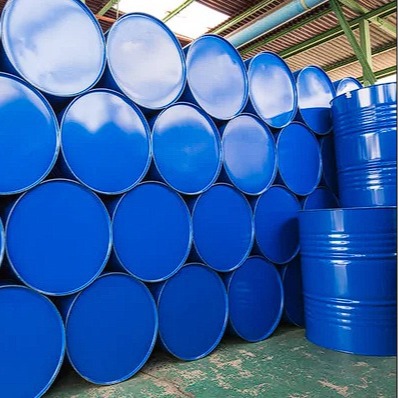
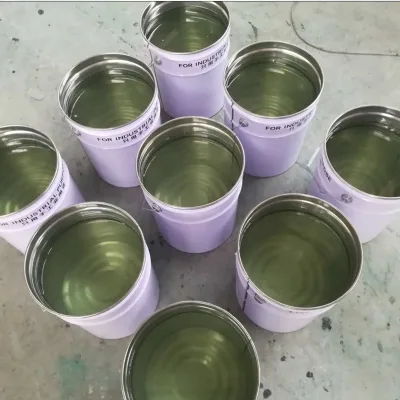
Packaging and physical state are critical logistical considerations for procurement. Most observed products are supplied in drums, cartons, or wooden boxes, with standard weights ranging from 20kg to 230kg per drum. The liquid state of the resin and hardener necessitates careful handling and storage protocols to prevent premature curing or contamination. Buyers should note that some products are described as having an "extra low viscosity," which facilitates easier application and penetration into substrates, a key factor for primers and sealers in construction environments.
Technical Specifications to Verify
Technical verification must begin with the molecular structure and raw material quality. High-performance epoxy resins often utilize imported raw materials and heterochain polymer structures to enhance durability and chemical resistance. Buyers should request detailed technical data sheets that specify the main raw material composition, ensuring it aligns with the stated eco-friendly claims. The presence of specific model numbers, such as MTB-3327 or 5301A-G, allows for precise tracking of batch consistency and performance history across different procurement cycles.
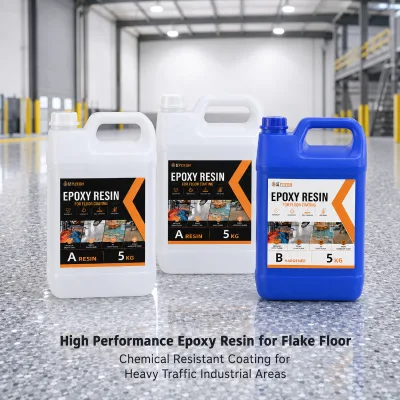
Application methods and curing characteristics are equally important for operational efficiency. Products may be applied via brushing, coating, or self-leveling techniques, depending on the intended use. For instance, epoxy floor coatings often require a multi-coat system involving primer, middle coat, and top coat to achieve optimal dust-proof and anti-slip properties. Buyers must verify the drying method, such as air drying, and ensure that the product’s glass transition temperature and anti-slip features meet the specific safety and aesthetic standards of the construction site.
Compliance and Safety Documentation
Safety data sheets (MSDS) are a fundamental requirement for any epoxy resin procurement, providing critical information on handling, storage, and emergency measures. The observed listings frequently cite MSDS compliance, which is a baseline expectation for industrial chemicals. However, buyers should go beyond basic MSDS requirements to investigate broader environmental certifications. Certifications such as RoHS and ISO standards indicate adherence to strict limits on hazardous substances and quality management systems, which are vital for projects with stringent environmental mandates.
Additional certifications like ISOCCC may also be relevant, depending on the specific regulatory environment of the project location. Buyers must verify that the supplier can provide up-to-date documentation for all listed certifications, as these credentials can expire or be revoked. It is also crucial to check for specific chemical identifiers, such as the EINECS number, which helps in regulatory compliance and tracking. Ensuring that all safety and environmental documentation is readily available and accurate prevents legal liabilities and ensures smooth customs clearance for international shipments.
Cost Drivers and Commercial Terms
The price range for eco-friendly epoxy resins varies significantly based on formulation complexity, packaging, and order volume. Observed listings show prices ranging from $1.69 to $15 per unit, with minimum order quantities (MOQs) typically starting at 1 unit and extending up to 1000 units. This wide range reflects the diversity from small-scale specialty adhesives to bulk industrial coatings. Buyers should analyze the cost per kilogram or liter rather than the unit price to accurately compare value across different suppliers and product types.
Commercial terms such as lead times and shipping methods are influenced by the product’s physical state and packaging. Drummed products may require different logistics compared to carton-packed items, affecting overall delivery costs. Buyers should negotiate clear terms regarding payment methods, warranty periods, and return policies for defective batches. Understanding the total cost of ownership, including handling and application costs, is essential for making informed procurement decisions that align with project budgets and timelines.
Supplier Qualification and Quality Control
Supplier qualification involves assessing the manufacturer’s production capabilities and quality control processes. Buyers should verify the supplier’s origin, with many observed products originating from regions like Tianjin, China, which are known for chemical manufacturing hubs. It is important to confirm that the supplier has established quality assurance protocols, including batch testing and consistency checks. Suppliers offering OEM services should demonstrate the ability to maintain strict quality standards while customizing products to meet specific client requirements.
Quality control should also extend to the packaging and labeling of the products. Proper labeling ensures that users can easily identify the product model, expiration date, and safety instructions. Buyers should request samples to test the product’s performance in real-world conditions before committing to large orders. Establishing a clear communication channel with the supplier for technical support and issue resolution is also crucial for maintaining project continuity and addressing any unexpected challenges during application.
Long-Term Procurement Checks
Long-term procurement success depends on monitoring the shelf life and stability of the epoxy resin products. Observed listings indicate a shelf life of 12 months, which requires careful inventory management to prevent material degradation. Buyers should implement a first-in, first-out (FIFO) system to ensure that older stock is used before it expires. Regular audits of storage conditions, including temperature and humidity control, are necessary to maintain product integrity and performance over time.
Continuous evaluation of supplier performance and product consistency is vital for sustaining quality standards. Buyers should track key performance indicators such as delivery reliability, product defect rates, and customer support responsiveness. Periodic re-evaluation of certifications and compliance documentation ensures that the supplier remains aligned with evolving regulatory requirements. By maintaining a proactive approach to supplier management and quality assurance, buyers can mitigate risks and ensure the long-term success of their construction projects.
FAQs
What certifications do these eco-friendly construction epoxy resin products carry?
Listed products reference MSDS documentation and ISO and RoHS certifications, which buyers commonly request for construction adhesives and coatings. Certification coverage can vary between individual listings, so confirm the exact certificates for the model you intend to purchase. Ask the supplier to share current certificate copies before ordering, especially when the resin will be used on regulated building projects.
Can the epoxy resin be customized for specific construction or woodworking applications?
Yes, customization and OEM service are listed as available for these epoxy resin and hardener systems. Buyers can typically discuss packaging, branding, and formulation details directly with the supplier. Because requirements differ between deep casting tables, floor coatings, and primers, describe your intended usage and ask which model, such as MTB-3327 or 5301A-G, best matches your project needs.
How should the two-component epoxy resin be mixed and applied on site?
These are double component adhesives combining resin and hardener, applied by brush or coating methods. Mix the components in the ratio specified by the supplier, then apply to clean, prepared substrates such as wood, steel, or concrete floors. The formulations are described as solvent free with low viscosity and less bubbling, which supports self-leveling floor coats and thick pour casting work.
What packaging options are available when ordering in bulk?
Listed packaging includes cartons and wooden boxes for smaller sets, plus drum packing in common sizes such as 20kg, 25kg, 220kg, and 230kg drums, with IBC drums also referenced. Bulk buyers should confirm drum size, palletization, and wooden case requirements before shipment. Shelf life is stated as 12 months, so schedule delivery and storage to use stock within that period.
Which epoxy resin model suits deep casting table tops versus floor coatings?
Models such as MTB-3327, MTB-3328, and MTB-3329 are positioned for thick pour, deep casting table use, with extra low viscosity and resistance to moisture, heat, and yellowing. Floor coating applications, including indoor floors and countertops, reference self-leveling systems with primer, middle, and top coats. Confirm the intended usage with the supplier so the correct model and hardener pairing is quoted.
How does MOQ and pricing vary across eco-friendly construction epoxy resin listings?
Listed minimum order quantities range from single units up to 1000, and observed prices span roughly 1.69 to 15 US dollars, reflecting differences in pack size, model, and order volume. Small buyers can often trial low MOQ listings first, while bulk drum orders achieve better unit pricing. Always request a current quotation based on your chosen model, packaging, and destination before committing.