anti-fungal high viscosity silicone sealant Suppliers and Manufacturers
Compare 24 verified suppliers offering anti-fungal high viscosity silicone sealant with details on location, lead times, and certifications. Review product attributes like ISO 9001 and SGS to select the right factory for your construction needs; review the available evidence before requesting comparable quotations from suitable candidates.
Updated
Suppliers List

Shandong Junyuan New Materials Co., Ltd.
- Combined
- China Shandong
- Lead time15 days
- Avg. response≤ 23h
Main productsSilicone Oil
Main marketsEurope

Shanghai Sunway Curtain Material Co., Ltd.
- Trading Company,Manufacturer/Factory
- China Shanghai
- Lead time23 days
- Avg. response≤ 12h
Main productsSilicone Sealant, Silicone Adhesive, Neutral Silicone Sealant, Structural Silicone Sealant, Weatherproof Silicone Sealant, Construction Adhesive, Fireproof Silicone Sealant, Adhesive, Adhesive Glue, Polyurethane Foam
Main marketsSouth America,Eastern Europe,North America,Southeast Asia,Eastern Asia,Western Europe,Africa

Guangdong Sanvo Holdings Co.,Limited
- Verified by SGS
- Combined
- China Guangdong
- Lead time30 days
- Avg. response≤ 2h
Main productsSpray Paint, Silicone Sealant, Adhesive, Waterproof Coating, Lubricant Oil, Aerosol Spray Paint, Nail Free Glue, Graffiti Spray Paint, Neutral Silicone Sealant, RTV Silicone Sealant
Main marketsSoutheast Asia/ Mideast,Domestic
Shandong Sinolinking Import And Export Co., Ltd.
- Verified by SGS Group
- Trading Company
- Lead time15 days
- Avg. response≤ 3h
Main productsGeneral Purpose Silicone Sealant, Acrylic Sealant, Neutral Silicone Sealant, Ms Sealant, Weatherproof Silicone Sealant
Main marketsSouth America(15%), Southeast Asia(15%), Mid East(15%)
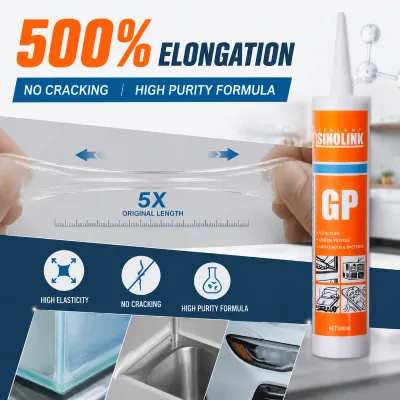
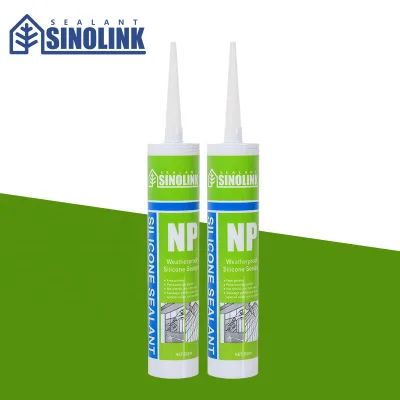
$0.15 - $0.65
MOQ: 100 Minimum
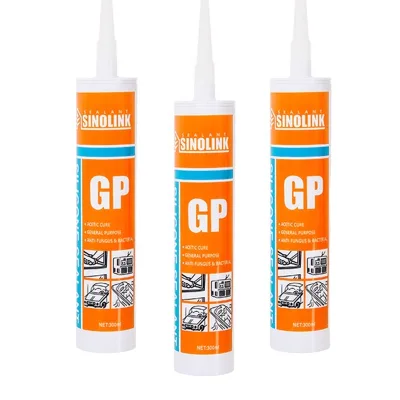
Oem New Design Nontoxic Glass Acid Sealant Non Toxic Glass Acetic Silicone Sealant
$0.35 - $0.55
MOQ: 100 Minimum
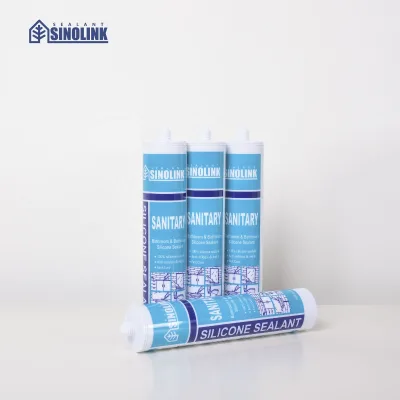
$0.409 - $0.4599
MOQ: 100 pieces
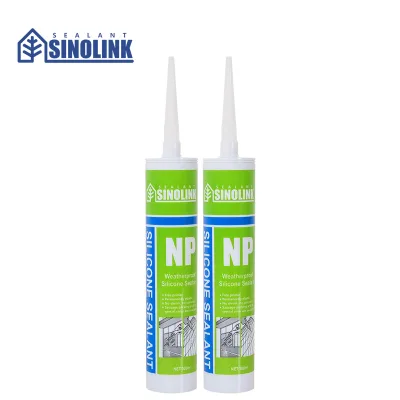
OEM High Quality WeatherProof Silicone Sealant Acitic Neutral Silicone Sealant Factory Outlet
$0.15 - $0.655
MOQ: 100 Minimum
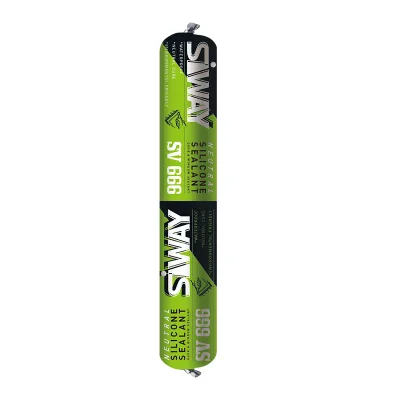
Shanghai Siway Curtain Material Co., Ltd.
- Verified by TüVRheinland
- Trading Company
- Lead time30 days
- Avg. response≤ 3h
Main productsSilicone Sealant, Polyurethane Sealant, Acrylic Sealant, MS Sealant, PU Foam
Main marketsSoutheast Asia(24%), North America(16%), South America(10%)
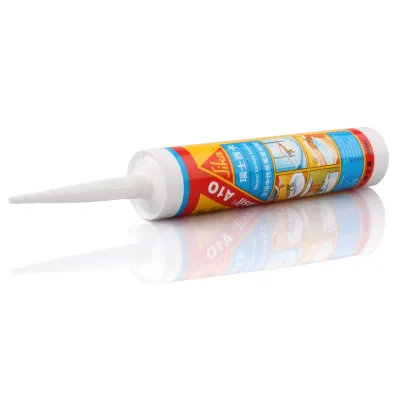
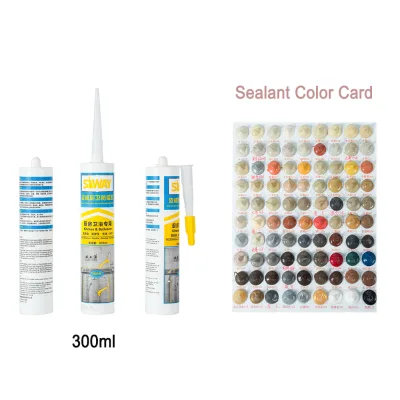
$0.731 - $1.0441
MOQ: 1200 pieces
Shandong Jingui New Material Technology Co., Ltd.
- Verified by TüVRheinland
- Manufacturer, Trading Company
- Lead time0 days
- Avg. response≤ 3h
Main productsSilicone Sealant
Main marketsSouth America(15%), Africa(15%), Mid East(15%)
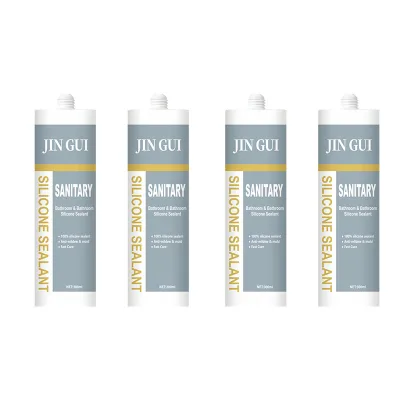
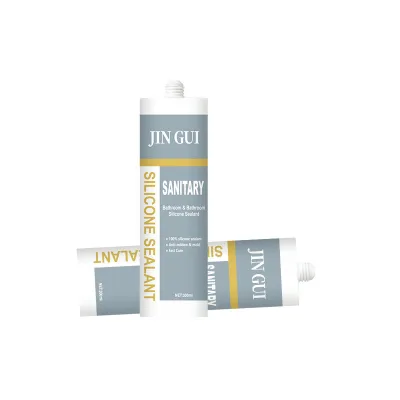
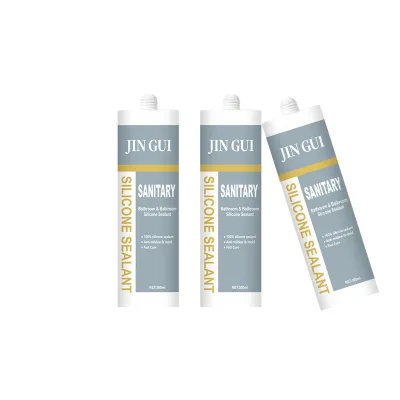
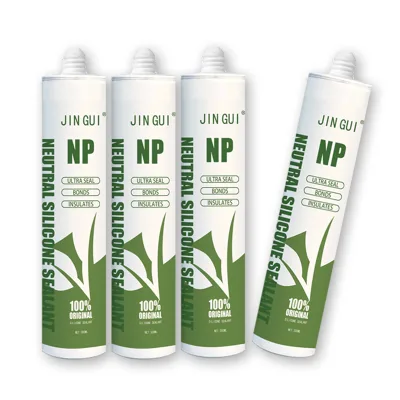
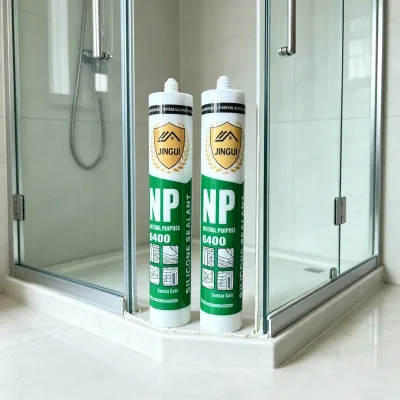
Clear Silicone Fungicidal Joint Caulking Interior Exterior Application Adhesives Sealant
$0.20 - $0.60
MOQ: 2400 Minimum
$0.20 - $0.60
MOQ: 2400 Minimum

Shandong Honch New Material Technology Co., Ltd.
- Manufacturer, Trading Company
- Shandong, China
- Lead time7 days
- Avg. response≤ 1h
Main productsAdhesives & Sealants,Sealants For Transportation,Glue,Liquid Sealants,Silicone Glue
Main marketsAfrica(30.00%), Western Europe(20.00%), Mid East(20.00%), Southeast Asia(20.00%), Northern Europe(10.00%)
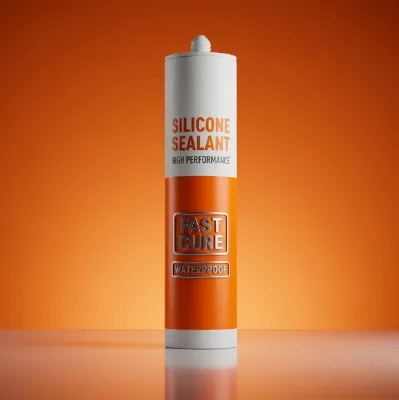
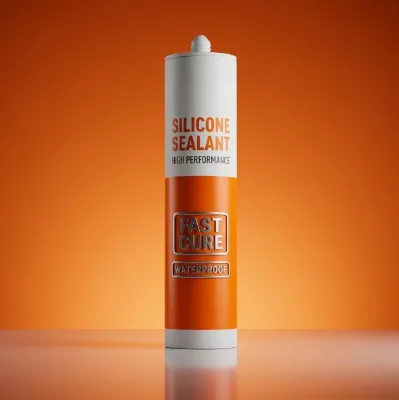
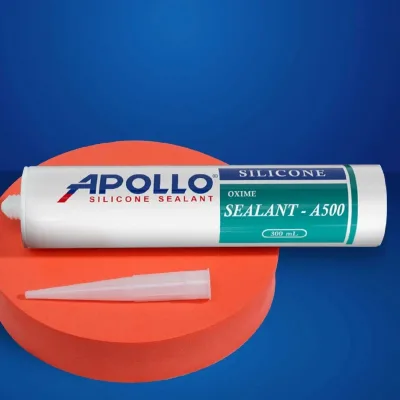
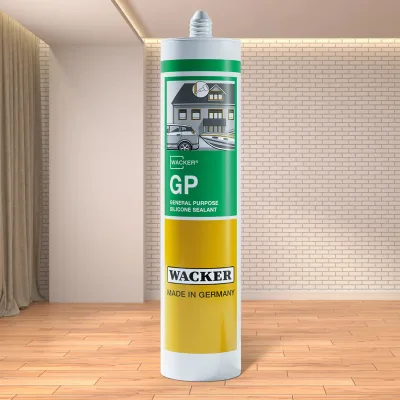
Honch Fast Cured Anti-fungal Acidic Silicone Sealant for Glass & Windows 280ml 300ml
$0.55 - $0.88
MOQ: 100

Qingdao Topsen Sealant Co., Ltd.
- Verified by BV
- Manufacturer/Factory
- China Shandong
- Lead time15 days
- Avg. response≤ 2h
Main productsSilicone Sealant, Acrylic Sealant, PU Sealant, Ms Sealant, RTV Sealant, PU Foam, Gasket Maker, Fireproof Sealant, High-Temperature Sealant, Facade Sealer
Main marketsSouth America,Eastern Europe,Mid East,Southeast Asia,Eastern Asia,Africa

Best Silicone Sealant for Bathroom Anti Mold Waterproof Strong Adhesion
$0.50 - $0.60
MOQ: 2400 Pieces


Acid Silicone Sealant with Strong Adhesion and Color Stability for Sanitary Applications
$0.50 - $0.60
MOQ: 2400 Pieces


Gunuo Tianjin Industrial Co., Ltd.
- Verified by TUVRHEINLAND
- Combined
- China Tianjin
- Lead time15 days
- Avg. response≤ 7h
Main productsPU Foam, Polyurethane Foam, Silicone Sealant, Acetic Sealant, PU Sealant, Marble Adhesive, Stone Epoxy Adhesive, Two- Component Epoxy Adhesive, Spray Paint, Ms Sealant
Main marketsSouth America,Domestic,North America

High Quality Bathroom and Kitchen Anti Fungus Acetic Cure Silicone Sealant
$0.60 - $1.10
MOQ: 12000 piece


Shandong Lvkang Building Materials Group Co., Ltd
- Verified by Intertek
- Manufacturer, Trading Company
- Lead time5 days
- Avg. response≤ 4h
Main productsSilicone Sealant, Liquid Nail, Spray Glue, Tile Grout, Marble Glue
Main marketsDomestic Market(50%), Southeast Asia(15%), South America(10%)
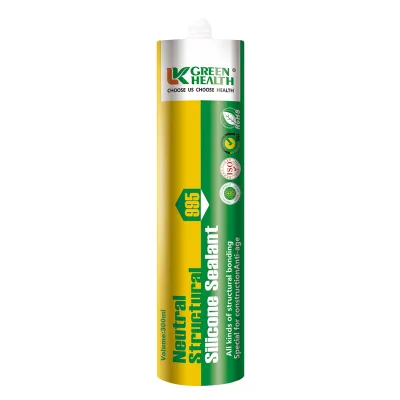
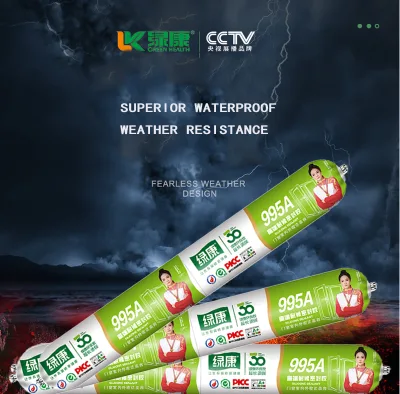
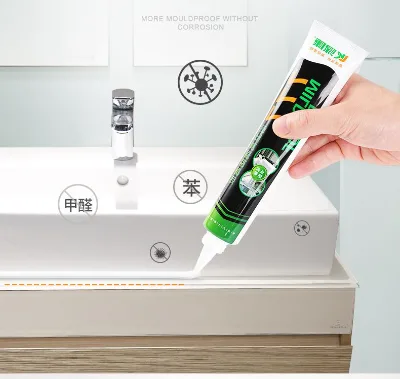
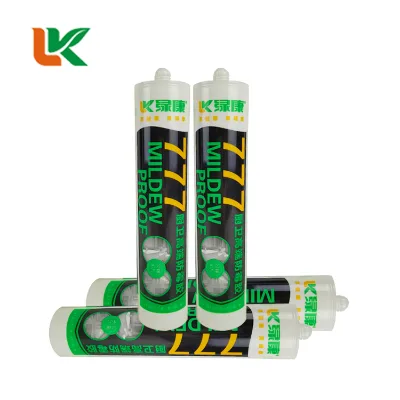
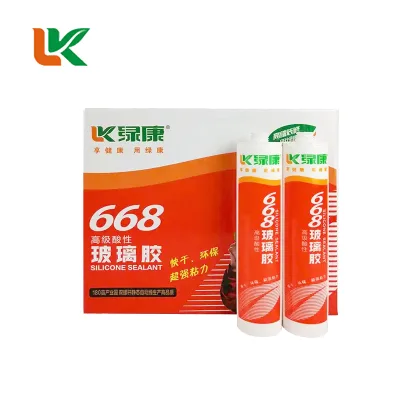
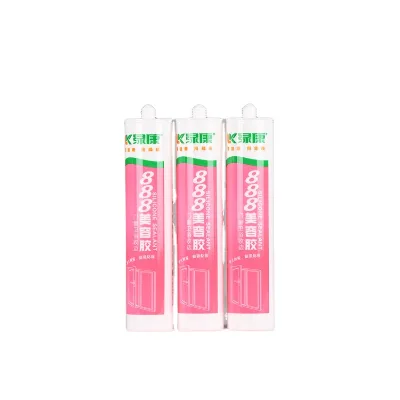
Multi-Functional Adhesive Sealant Anti-mildew Bathroom and Kitchen Mildew Sealant
$0.85 - $1.00
MOQ: 2400

Jinan Golden GH International Trading Co., Ltd.
- Verified by BV
- Trading Company
- China Shandong
- Lead time15 days
- Avg. response≤ 1h
Main productsHollow Glass Adhesive, Aluminum Spacer Bar, Warm Edge Spacer Bar Stainless Steel Spacers, Laser Marking Machine, Silicone Sealant, Butyl Hot Melt Adhesive, Hollow Glass Accessories, Hollow Glass Production Machinery
Main marketsAfrica,Southeast Asia/ Mideast,Europe,North America
Shandong Jiaobao New Material Co., Ltd.
- Verified by SGS Group
- Manufacturer, Trading Company
- Lead time7 days
- Avg. response≤ 5h
Main productsSilicone Sealant, PU Sealant, MS sealant, Acrylic sealant, PU foam
Foshan Kingdeli Viscose Co., Ltd.
- Verified by SGS Group
- Manufacturer, Trading Company
- Lead time20 days
- Avg. response≤ 2h
Main productsSilicone Sealant, Nail Free Glue, Acrylic Sealant, Epoxy Resin, Ms Sealant
Main marketsSoutheast Asia(39%), South America(25%), Oceania(10%)

Changsha Firm Bond New Material Co., Ltd.
- Manufacturer/Factory,Group Corporation
- China Hunan
- Lead time23 days
- Avg. response≤ 13h
Main productsSpray PU Foam, Silicone Sealant, Spray Paint, Neoprene Glue, PVC Glue, Wood Glue, Anaerobic Adhesive, UV Glue, Spray Glue, Adhesive and Sealant
Main marketsSouth America,Eastern Europe,Mid East,Southeast Asia,Western Europe,Africa

Shandong Gufeng Technology Co., Ltd.
- Manufacturer, Trading Company
- Shandong, China
- Lead time15 days
- Avg. response≤ 4h
Main productsSilicone Sealant, Acrylic Sealant, PU Foam, Nail Free Glue, MS Sealant
Main marketsDomestic Market(70.00%), North America(5.00%), South America(5.00%), Oceania(5.00%), Africa(5.00%), Mid East(5.00%), Southeast Asia(5.00%)
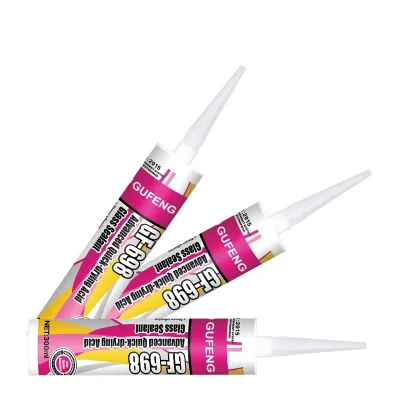
$1.18 - $1.62
MOQ: 10000 pieces
Foshan Kater Adhesives Industrial Co., Ltd.
- Verified by TüVRheinland
- Manufacturer, Trading Company
- Lead time20 days
- Avg. response≤ 6h
Main productsAcetoxy Silicone Sealant, Neutral Silicone Sealant, MS Polymer Sealant, Firestop Sealants, Acrylic Sealant
Main marketsDomestic Market(70%), South America(7%), Mid East(5%)
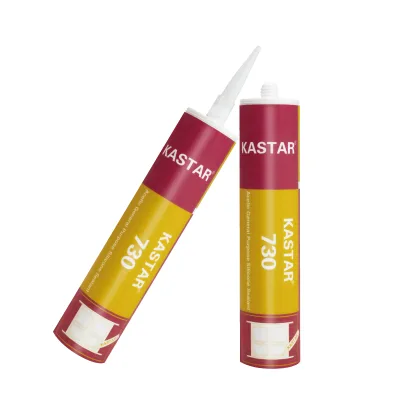
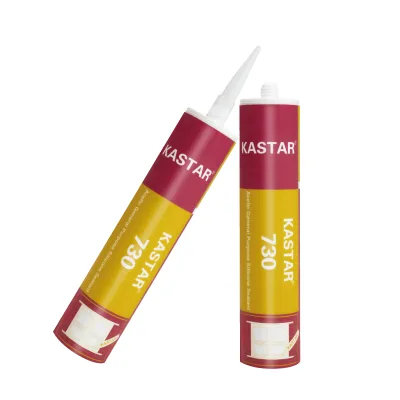
High Grade Odorless Healthy Fire Resistant Water Resistant Gutter Sealant
$1.13 - $1.53
MOQ: 6000 pieces

Hangzhou Dachuang Kehua New Material Co., Ltd.
- Verified by SGS
- Combined
- China Zhejiang
- Lead time15 days
- Avg. response≤ 16h
Main productsFoamed Silicone, Silicone Pad, Silicone Foam, Sound Dampening Materials, Insulation Sheet, Shock Absorption Gasket
Main marketsDomestic

Shandong Pinguan New Material Co., Ltd.
- Verified by SGS
- Combined
- China Shandong
- Lead time15 days
- Avg. response≤ 13h
Main productsLiquid Nail, Silicone Sealant, Spray Adhesive, Acrylic Sealant, Tile Grout, Marble Glue, PU Foam, Wall Mending Agent, Epoxy Resin, Waterproof Coating
Main marketsDomestic


Waterproof Neutral Silicone Adhesive Sealant with Excellent High/Low Temperature Resistance
$0.50 - $0.60
MOQ: 4800 Pieces

Safe Effective Structural Silicone Adhesive Sealant for Sealing & Bonding
$0.50 - $0.60
MOQ: 4800 Pieces

Hot Selling Waterproof Neutral Silicone Sealant with High Elasticity and Strong Adhesion
$0.50 - $0.60
MOQ: 4800 Pieces

Non-Shrinking Waterproof Neutral Silicone Sealant with Strong Bonding Strength
$0.50 - $0.60
MOQ: 4800 Pieces

Durable Neutral Silicone Adhesive Sealant with Excellent Temperature Resistance
$0.50 - $0.60
MOQ: 4800 Pieces
Hangzhou Dely Technology Co., Ltd.
- Verified by TüVRheinland
- Manufacturer, Trading Company
- Lead time30 days
- Avg. response≤ 3h
Main productsPU Sealant, Silicone Sealant, Acrylic Sealant, PUR Wood Adhesive, Chemical Anchor
Main marketsDomestic Market(45%), Mid East(17%), Southeast Asia(10%)
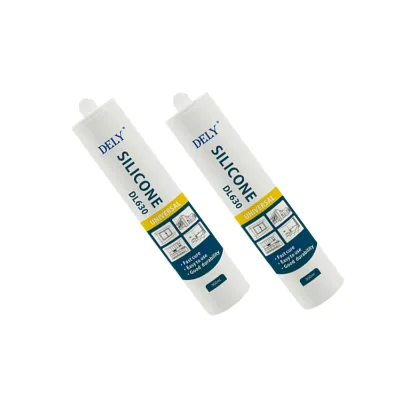
Premium Quality Sealant Sealing Silicone Sealant for Aluminium Gutter Sealing
$0.52 - $0.98
MOQ: 2400 Minimum
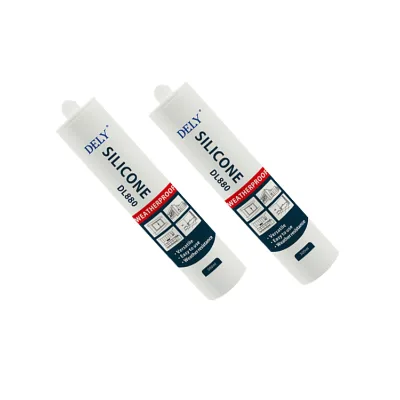
Popular UV Resistance Neutral Waterproof Weatherproof Silicone Sealant
$0.52 - $0.98
MOQ: 2400 Minimum
Shandong Guanghan Import And Export Co., Ltd.
- Verified by SGS Group
- Manufacturer, Trading Company
- Lead time20 days
- Avg. response≤ 6h
Main productsWhite Latex, Wood Veneer Adhesive, Solid Wood Assembly Adhesive, Silicone Sealant, Spray Paint
Main marketsNorth America(30%), Africa(30%), South America(20%)

KAIFENG HITAKOL BUILDING MATERIAL CO., LTD.
- Manufacturer/Factory
- China Henan
- Lead time23 days
- Avg. response≤ 7h
Main productsSilicone Polymers, Ms Polymers, Epoxy Resins, Polydimethylsiloxane (Pdms), Silicone Fluids / Silicone Oils, Silicone Sealant, Acrylic Latex Caulk Sealant, Ms Sealant, Polyurethane Sealant, High Temperature RTV Gasket Maker
Main marketsSouth America,Eastern Europe,Mid East,North America,Southeast Asia,Eastern Asia,Oceania,Western Europe,Africa

YIWU GREAT FUTURE TECHNOLOGY CO.,LTD
- Verified by SGS
- Trading Company
- China Zhejiang
- Lead time15 days
- Avg. response≤ 2h
Main productsGlue, Adhesive, Silicone Sealant, Wood Glue, Contact Glue, Spray Paint, Rain Boots, Safety Shoes, Gloves, Washing Powder
Main marketsDomestic
Shandong Asianray Technology Co., Ltd.
- Verified by SGS Group
- Trading Company
- Lead time10 days
- Avg. response≤ 5h
Main productsSilicone Sealant, MS Sealant, Acrylic Sealant, PU Sealant, PU Foam
Main marketsSouth America(50%), Mid East(30%), North America(10%)

Foshan Qiaohong New Material Co., Ltd.
- Verified by SGS
- Combined
- China Guangdong
- Lead time15 days
- Avg. response≤ 1h
Main marketsDomestic








Comprehensive Sourcing Guide
Anti-Fungal High Viscosity Silicone Sealant Supplier Concentration and Factory Types
The current supplier landscape for anti-fungal high viscosity silicone sealant reveals a distinct concentration of manufacturing and trading entities within specific Chinese industrial hubs. Evidence indicates that suppliers are located in regions such as Shandong and Shanghai, suggesting that buyers should prioritize sourcing from these established chemical and adhesive manufacturing clusters. These locations are not merely geographic markers but indicators of mature supply chains where raw materials like polydimethylsiloxane and plasticizers are readily available. The presence of combined company types, including both trading companies and manufacturer/factories, offers buyers a spectrum of engagement models. Trading companies may provide broader product assortments and streamlined communication, while manufacturer/factories often offer deeper customization capabilities and direct control over production quality. Understanding this distribution helps buyers narrow their search to regions with proven expertise in silicone chemistry and sealant formulation, ensuring that the suppliers they engage have the necessary infrastructure to handle high-viscosity products effectively.
Furthermore, the types of companies operating in this space vary significantly in their operational focus and capabilities. Some suppliers are identified as having combined company types, which implies they may handle both direct manufacturing and distribution, potentially offering more flexible order structures. Others are strictly trading companies, which might act as intermediaries but can still provide access to a wide range of silicone sealant products. The main products listed by these suppliers often include silicone oil, structural adhesives, and various types of silicone sealants, indicating a broad technical competency. Buyers should look for suppliers who explicitly list anti-fungal or mildew-proof silicone sealants as core offerings, as this specialization suggests a deeper understanding of the specific chemical requirements for fungal resistance. The concentration of suppliers in these regions also facilitates easier logistics and potentially lower shipping costs, making it advantageous for buyers to focus their initial research on suppliers based in these verified locations. This strategic focus ensures that buyers are engaging with entities that have a proven track record in the specific niche of high-viscosity, anti-fungal silicone sealants.
How to Verify Anti-Fungal High Viscosity Silicone Sealant Suppliers
Verifying the legitimacy and capability of anti-fungal high viscosity silicone sealant suppliers requires a rigorous examination of their certifications and product attributes. Buyers should prioritize suppliers who display recognized quality management certifications such as ISO 9001, ISO 14001, and ISO 50001, as these indicate a structured approach to production and environmental management. Additionally, third-party verification from organizations like SGS, TUV, and BV provides an extra layer of confidence in the supplier’s claims. The product evidence shows that many suppliers offer certifications that align with international standards, which is crucial for ensuring the safety and efficacy of anti-fungal sealants. Buyers must cross-reference these certifications with the supplier’s profile to ensure they are current and relevant to the specific product type. It is also important to verify the supplier’s ability to provide test reports for anti-fungal properties, as this is a critical performance metric for this product category. Without proper verification, buyers risk sourcing products that may not meet the required standards for fungal resistance, leading to potential project failures and reputational damage.
In addition to certifications, buyers should assess the supplier’s response time and communication efficiency as indicators of their operational reliability. The data shows that response times can vary, with some suppliers responding within approximately 11.74 hours and others taking up to 22.54 hours. Faster response times often correlate with better customer service and more agile problem-solving capabilities, which are essential when dealing with complex chemical products. Buyers should also examine the supplier’s main products and customization capabilities to ensure they align with specific project requirements. Suppliers offering OEM and ODM services demonstrate flexibility and technical expertise, allowing for tailored solutions. It is advisable to request samples to verify the product’s viscosity, anti-fungal properties, and curing characteristics before committing to a larger order. By combining certification verification with an assessment of communication and customization capabilities, buyers can effectively mitigate risks and select suppliers who are both reliable and technically competent in producing high-quality anti-fungal high viscosity silicone sealants.
What to Compare Across Anti-Fungal High Viscosity Silicone Sealant Suppliers
When evaluating multiple suppliers for anti-fungal high viscosity silicone sealant, buyers must compare key operational metrics such as lead times, minimum order quantities (MOQs), and pricing structures. The available data indicates that lead times can range from 15 days to 23 days, which is a significant factor for project planning and inventory management. Buyers should prioritize suppliers with shorter and more consistent lead times to ensure timely delivery, especially for time-sensitive construction or manufacturing projects. Additionally, MOQs vary, with some suppliers requiring a minimum order of 1000 units, which may be suitable for larger buyers but could be a barrier for smaller operations. Comparing these metrics allows buyers to identify suppliers that align with their volume requirements and delivery schedules. It is also crucial to compare the price ranges, which can vary from $0.30 to $1.05 per unit depending on the product specifications and customization options. Buyers should seek competitive pricing without compromising on quality, ensuring that the cost-effectiveness of the sealant is optimized for their specific needs.
Beyond operational metrics, buyers should compare the technical specifications and features of the sealants offered by different suppliers. The product evidence highlights various attributes such as bonding function, composition, and application areas, which are critical for determining suitability. For instance, some sealants are designed for structural bonding in woodworking and construction, while others are suitable for general-purpose use in glass and aluminum applications. Buyers should compare features like fast drying time, non-toxic composition, and extrusion smoothness to ensure the product meets their performance requirements. Additionally, the availability of customization options, such as color and packaging, should be evaluated to determine if the supplier can meet specific branding or logistical needs. By systematically comparing these technical and operational aspects, buyers can make informed decisions that balance cost, quality, and functionality. This comprehensive comparison ensures that the selected supplier not only offers a competitive price but also provides a product that is technically superior and well-suited for the intended application.
Common Anti-Fungal High Viscosity Silicone Sealant Sourcing Risks
Sourcing anti-fungal high viscosity silicone sealants from international suppliers introduces several risks that buyers must proactively manage to ensure product quality and supply chain stability. One significant risk is the variability in product consistency, particularly regarding viscosity and anti-fungal efficacy. Since these properties are critical for performance, buyers must verify that the supplier has robust quality control processes in place. The evidence shows that some suppliers offer products with specific formulations, such as those containing plasticizers or curing agents, which can affect the final product’s characteristics. Buyers should request detailed technical data sheets and batch-specific test results to confirm that the sealant meets the required specifications. Additionally, the risk of miscommunication regarding customization requirements, such as color or packaging, can lead to delays and additional costs. Buyers must ensure that all specifications are clearly documented and agreed upon before production begins to avoid discrepancies in the final delivery.
Another common risk is the potential for supply chain disruptions due to logistical challenges or supplier reliability issues. The data indicates that lead times can vary, and some suppliers may have longer production cycles, which can impact project timelines. Buyers should assess the supplier’s production capacity and history of on-time delivery to mitigate this risk. Furthermore, the reliance on third-party logistics can introduce uncertainties in shipping times and product condition upon arrival. Buyers should consider suppliers with established logistics networks or those who offer flexible shipping options to ensure timely and safe delivery. Additionally, the risk of counterfeit or substandard products is a concern in the chemical industry, making it essential to verify the supplier’s authenticity and reputation. Buyers should look for suppliers with verifiable certifications and positive customer feedback to reduce the likelihood of encountering fraudulent entities. By identifying and addressing these risks early in the sourcing process, buyers can establish a more secure and reliable supply chain for anti-fungal high viscosity silicone sealants.
Anti-Fungal High Viscosity Silicone Sealant Regional Sourcing and Logistics
Regional sourcing plays a pivotal role in determining the cost-efficiency and reliability of anti-fungal high viscosity silicone sealant procurement. The current supplier results highlight key manufacturing hubs in China, specifically in Shandong and Shanghai, which are known for their robust chemical and adhesive industries. Sourcing from these regions offers buyers access to a concentrated pool of experienced suppliers with established production capabilities. The proximity of these hubs to major ports facilitates efficient logistics and reduces shipping times and costs. Buyers should leverage this geographic advantage by focusing their supplier search on entities located in these verified regions. Additionally, the presence of both trading companies and manufacturers in these areas provides flexibility in engagement models, allowing buyers to choose between direct factory purchases and intermediary services. Understanding the regional strengths helps buyers make informed decisions about where to source their materials, ensuring that they benefit from the local expertise and infrastructure.
Logistics considerations extend beyond just shipping costs to include the handling and storage of chemical products. Anti-fungal high viscosity silicone sealants require careful handling to maintain their integrity, and buyers should ensure that their suppliers have appropriate packaging and storage solutions. The product evidence indicates that sealants are often packed in cartons or cartridges, which are standard for protecting the product during transit. Buyers should verify that the supplier uses packaging that meets international shipping standards to prevent leakage or damage. Additionally, the shelf life of the product, which can range from 12 months to several years, should be considered when planning logistics and inventory management. Buyers should aim to minimize storage time to ensure that the product is used within its optimal period. By aligning their sourcing strategy with the regional strengths and logistical requirements of the supplier hubs, buyers can optimize their supply chain for efficiency and reliability, ensuring that the anti-fungal high viscosity silicone sealants arrive in perfect condition and on time.
Anti-Fungal High Viscosity Silicone Sealant Commercial Terms and Order Planning
Effective order planning for anti-fungal high viscosity silicone sealants requires a thorough understanding of commercial terms, including pricing, payment conditions, and sample policies. The available data shows that prices can vary significantly, ranging from $0.30 to $1.05 per unit, depending on factors such as customization, volume, and specific product features. Buyers should negotiate competitive pricing while ensuring that the cost reflects the quality and performance of the sealant. Additionally, some suppliers offer free samples, which is a valuable opportunity for buyers to test the product before committing to a large order. Buyers should take advantage of this offer to verify the sealant’s viscosity, anti-fungal properties, and ease of application. Understanding the sample policy and any associated costs is crucial for accurate budgeting and risk assessment. Furthermore, buyers should clarify the payment terms and any potential additional fees, such as shipping or customs duties, to avoid unexpected expenses.
Order planning also involves aligning production schedules with project timelines to ensure timely delivery. The lead times for these products can range from 15 to 23 days, which buyers must factor into their project planning. Buyers should communicate their delivery requirements clearly to the supplier and confirm the production schedule to avoid delays. Additionally, buyers should consider the MOQs, which can be as low as 1000 units, and plan their orders accordingly to optimize inventory levels. For larger projects, buyers may need to place multiple orders or negotiate flexible MOQs to accommodate varying demand. It is also important to establish clear communication channels with the supplier to address any issues that may arise during production or shipping. By carefully managing commercial terms and order planning, buyers can ensure a smooth procurement process, minimize risks, and secure a reliable supply of high-quality anti-fungal high viscosity silicone sealants for their projects.
FAQs
What is the price range for anti-fungal silicone sealant?
Prices typically range from $0.30 to $1.05 per unit depending on the specific product grade and customization requirements. Buyers should verify the exact cost for their order volume, as minimum order quantities often start at 1000 units. Competitive pricing is available for bulk purchases of high-quality sealants.
What certifications do these suppliers hold?
Suppliers commonly hold ISO 9001, ISO 14001, ISO 50001, SGS, and TUV certifications. Some also provide BV certification for specific product lines. These credentials ensure that the manufacturing processes meet international quality and environmental standards, providing buyers with confidence in the reliability and safety of the silicone sealant products.
What are the typical lead times for orders?
Lead times generally range from 15 to 23 days depending on the supplier and order complexity. Buyers should confirm specific delivery schedules with the manufacturer before placing an order. Faster turnaround may be available for standard stock items, while custom OEM orders might require additional processing time for production and quality checks.
Where are these silicone sealant manufacturers located?
Manufacturers are primarily located in China, specifically in the Shandong and Shanghai regions. These areas are known for their robust chemical and adhesive production capabilities. Buyers can source directly from these industrial hubs to ensure access to a wide variety of silicone sealant products and competitive logistics options for international shipping.
Is customization available for anti-fungal sealants?
Yes, customization is available for many anti-fungal silicone sealant products. Buyers can request specific colors, packaging, or formula adjustments to meet their project needs. OEM services are offered by several manufacturers, allowing for branded solutions. It is advisable to discuss specific customization requirements directly with the supplier to ensure feasibility and cost implications.
What are the main applications for this sealant?
These sealants are suitable for woodworking, construction, glass installation, and automobile applications. They provide structural bonding and weatherproofing for various materials including aluminum and glass. The anti-fungal properties make them ideal for environments requiring mildew resistance, such as bathrooms or humid industrial settings, ensuring long-lasting durability and performance.