Source eco-friendly custom neon sign for Offices, Shops, and Hotels
Find 30 eco-friendly custom neon sign options with IP65 or IP67 ratings, 50,000-hour lifespans, and customizable shapes. Compare specifications from suppliers in Anhui and Zhejiang, China, for commercial and outdoor applications; compare the available evidence and request quotations based on your requirements.
Updated
Key considerations
Products List


Electronic Signs Acrylic Neon Light Sign Custom Logo Custom LED Neon Sign
$13.99 - $19.99
MOQ: 1 Pieces



Custom LED Neon Sign Letters Board Home Decoration Custom Neon Sign Light
$35.00 - $40.00
MOQ: 1 pieces







Comprehensive Sourcing Guide
Eco-Friendly Custom Neon Sign Sourcing Guide
Procuring eco-friendly custom neon signs requires a strategic approach that balances aesthetic flexibility with environmental responsibility and technical reliability. Buyers must navigate a market where "eco-friendly" often refers to energy-efficient LED technologies rather than biodegradable materials, as the core components remain synthetic. The shift from traditional glass neon to LED-based alternatives offers significant advantages in durability and power consumption, making it a preferred choice for modern commercial and residential installations. Understanding the specific material compositions, such as liquid acrylic or standard acrylic substrates, is essential for evaluating the true environmental impact and longevity of the signage solution.
This guide provides a structured framework for sourcing these products by analyzing observed listing signals, technical specifications, and commercial terms. It emphasizes the importance of verifying IP ratings, power sources, and customization capabilities to ensure the selected signage meets both functional requirements and sustainability goals. By focusing on evidence-based procurement practices, buyers can mitigate risks associated with quality inconsistencies and ensure that their investment in custom neon signage delivers long-term value and performance across various application environments.
Product Scope and Observed Listing Signals
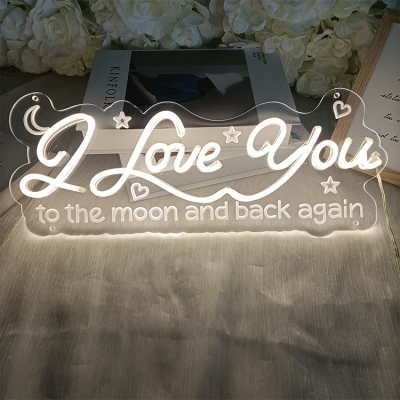
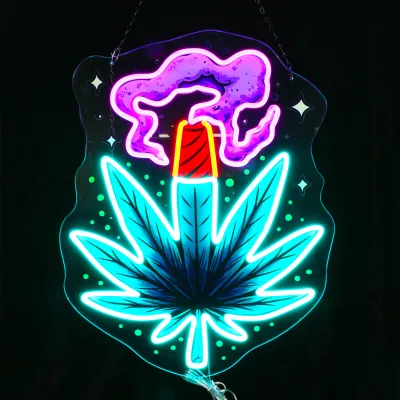
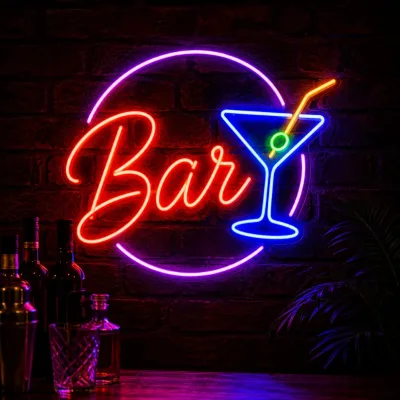
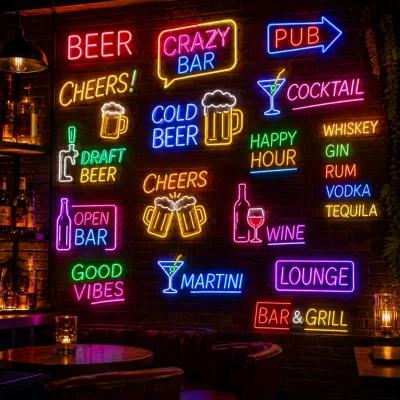
The current market for custom neon signs features a diverse range of products, primarily categorized by their material composition and application settings. Observed listings indicate that products are commonly constructed from liquid acrylic or standard acrylic, offering a modern alternative to traditional glass. These signs are designed for a wide array of applications, including commercial spaces, outdoor environments, and home decor. The product names often highlight features such as "Liquid Solid Acrylic Neon Sign," emphasizing the unique visual effects and structural integrity provided by these materials. Buyers should note that the scope extends beyond simple text to include complex shapes and sizes, catering to specific branding or decorative needs.
Listing signals also reveal a strong emphasis on customization, with many suppliers offering tailored color, shape, and size options. The observed product models, such as Erybaysign012 and SH-126, suggest a standardized yet flexible manufacturing process that allows for bespoke designs. Additionally, the presence of accessories like power supplies with various plug types (US/UK/EU/AU) and wall mounting hardware indicates a user-friendly installation process. These signals collectively point to a mature supply chain capable of meeting diverse customer demands while maintaining a focus on aesthetic appeal and functional versatility in both indoor and outdoor settings.
Technical Specifications to Verify
When evaluating technical specifications, buyers must prioritize the IP rating to ensure suitability for the intended installation environment. Observed data shows a range of IP ratings, including IP67 and IP65, which indicate varying degrees of protection against dust and water ingress. For outdoor applications, a higher IP rating is crucial to prevent moisture damage and ensure long-term reliability. Additionally, the light source technology, often described as LED strips, neon light, or LED modules, plays a significant role in the sign's performance and energy efficiency. Buyers should verify the specific type of LED technology used to assess brightness, color accuracy, and potential heat generation.
Power source and voltage requirements are another critical area for verification. Listings indicate the use of transformers, adaptors, or plugs, with operating voltages typically at or below 36V for safety. The input voltage is often specified as 12V, which is standard for low-voltage LED signage. Buyers should also check the control method, with options ranging from remote control to APP control, to ensure compatibility with existing systems or user preferences. Furthermore, the working temperature range, observed at around 30-35°C, should be considered to ensure the sign operates effectively in the specific climate of the installation site.
Compliance and Safety Documentation
Compliance and safety are paramount when sourcing electronic signage, particularly for commercial and public installations. Buyers should request documentation that verifies adherence to relevant safety standards, such as CE and RoHS certifications, which indicate conformity with European health, safety, and environmental protection requirements. Although these certifications are noted as low-confidence in some contexts, they remain essential for ensuring that the materials and electrical components do not pose risks to users or the environment. Verifying these certifications helps mitigate liability and ensures that the product meets international regulatory benchmarks for electronic goods.
In addition to certifications, buyers should inquire about the warranty terms provided by the supplier. Observed listings commonly offer a two-year warranty, which serves as a testament to the manufacturer's confidence in the product's durability and performance. This warranty should cover defects in materials and workmanship, providing a safety net for the buyer in case of premature failure. Understanding the scope of the warranty, including what is covered and the process for claims, is crucial for managing long-term maintenance costs and ensuring customer satisfaction. Buyers should also verify the lifespan of the product, with observed data indicating a working lifetime of up to 50,000 hours, which contributes to the overall value proposition.
Cost Drivers and Commercial Terms
Several factors influence the cost of custom neon signs, with customization being a primary driver. The ability to tailor color, shape, and size to specific requirements often incurs additional costs compared to standard off-the-shelf products. Buyers should be aware that the MOQ (Minimum Order Quantity) can vary, with observed listings showing a range from 1 to 100 pieces. A lower MOQ may be beneficial for small-scale projects or testing, but it might come with a higher unit price. Understanding the pricing structure and how customization affects the final cost is essential for budgeting and financial planning.
Lead time and packaging are also significant commercial considerations. Observed lead times range from 4 to 7 working days, depending on the quantity and complexity of the order. Buyers should factor in this production time when planning installations or marketing campaigns. Additionally, the packaging method, which can be either carton or wooden box depending on the size, impacts shipping costs and product protection. Ensuring that the packaging is robust enough to prevent damage during transit is crucial, especially for fragile acrylic components. Buyers should negotiate clear terms regarding shipping, insurance, and delivery timelines to avoid unexpected delays or costs.
Supplier Qualification and Quality Control
Supplier qualification is a critical step in ensuring the reliability and quality of custom neon signs. Buyers should assess the supplier's manufacturing capabilities, including their experience with acrylic processing and LED integration. Observations indicate that suppliers are located in regions such as Anhui and Zhejiang in China, which are known for their manufacturing expertise. Verifying the supplier's production capacity and quality control processes is essential to ensure consistent product quality. Buyers should request samples or case studies to evaluate the finish, brightness, and durability of the signs before placing large orders.
Quality control measures should include checks for common issues such as joint integrity, color consistency, and waterproofing effectiveness. Observed features like "No Joint" and "Waterproof" suggest that suppliers are addressing common pain points in neon signage. Buyers should inquire about the testing procedures used to verify these claims, such as IP rating tests and lifespan simulations. Additionally, understanding the supplier's after-sales support and responsiveness to issues is important for maintaining long-term relationships. A qualified supplier will provide transparent communication and proactive solutions to any quality concerns that may arise during the procurement process.
Long-Term Procurement Checks
Long-term procurement success depends on establishing robust checks and balances for ongoing orders. Buyers should implement a system for tracking performance metrics, such as failure rates and customer feedback, to identify any recurring quality issues. Regular audits of supplier performance can help maintain high standards and ensure that the supplier continues to meet expectations. It is also important to stay updated on technological advancements in LED and acrylic materials, as these innovations can offer improved efficiency and aesthetic options. By staying informed, buyers can make strategic decisions that enhance the value of their signage investments over time.
Finally, buyers should consider the environmental impact of their procurement choices in the long run. While the signs themselves are energy-efficient, the end-of-life disposal of acrylic and electronic components should be managed responsibly. Buyers should inquire about the supplier's sustainability practices, such as the use of recyclable materials or energy-efficient manufacturing processes. Establishing a clear disposal or recycling plan for old signage can help minimize environmental footprint and align with corporate sustainability goals. By integrating these long-term checks into their procurement strategy, buyers can ensure that their custom neon signage solutions remain both economically viable and environmentally responsible.
FAQs
How long is the lifespan of the neon sign?
The neon sign offers a lifespan of 50000 hours for reliable long-term operation. This durability ensures consistent performance for commercial and outdoor applications without frequent replacements.
What customization options are available for the sign?
Customization is available for color, shape, and size to meet specific design needs. Buyers can request tailored dimensions and styles while maintaining the core waterproof and bright features of the product.
Can the sign be installed in outdoor environments?
Yes, the sign is designed for outdoor use with an IP67 or IP65 waterproof rating. It withstands weather conditions while providing vivid colors and bright illumination for various commercial settings.
Which accessories are included with the product?
The package includes a power supply with US, UK, EU, or AU plugs and wall mounting hardware. These accessories ensure easy setup and secure installation for immediate use in any location.
How fast can orders be shipped after purchase?
Orders typically ship within 4 to 7 working days depending on the quantity ordered. This lead time allows for efficient processing while accommodating custom specifications requested by the buyer.
What warranty coverage is provided for the sign?
A 2-year warranty covers the product to ensure customer satisfaction and product reliability. This coverage applies to the manufacturing quality and performance of the neon sign under normal operating conditions.
Which installation methods are supported for the sign?
The sign supports wall mounting, hanging, and standing installation methods for versatile placement. Users can choose screw rods, double-faced adhesive tape, or silicon for secure attachment in various environments.