Source Hammer Crusher Parts for Quarry, Mining, and Recycling
Source 30 Hammer Crusher Parts for quarry, mining, and metal recycling applications. Compare wear-resistant cast steel and carbon steel options with ISO 9001 certification, available in full types and customized models like Riverside and Kleemann; compare the available evidence and request quotations based on your requirements.
Updated
Key considerations
Products List


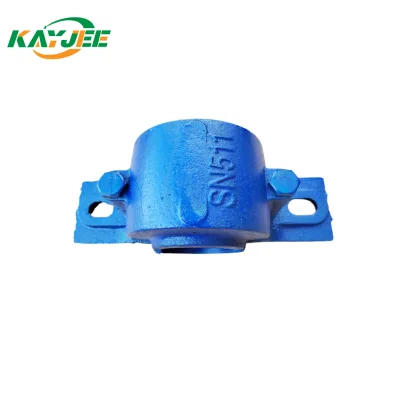
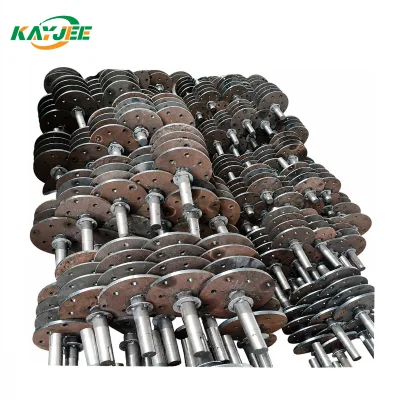
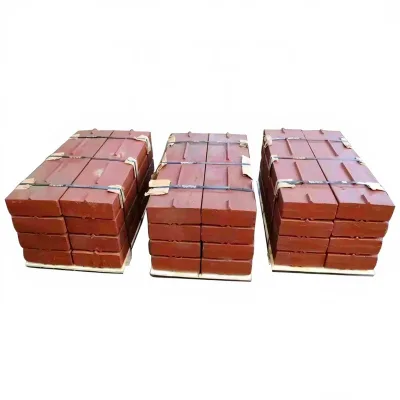


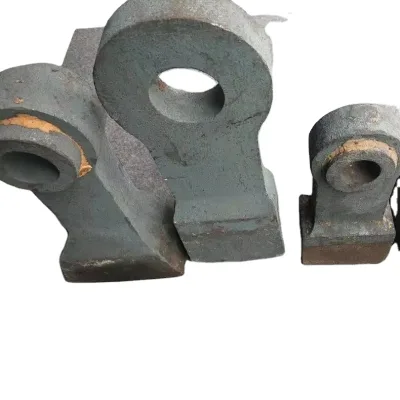
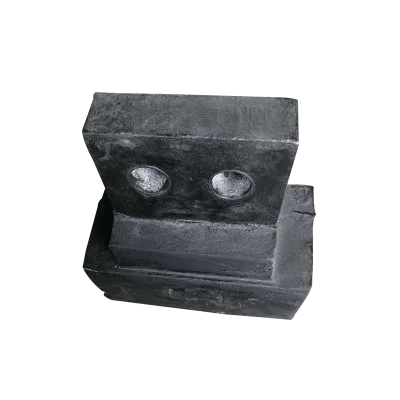
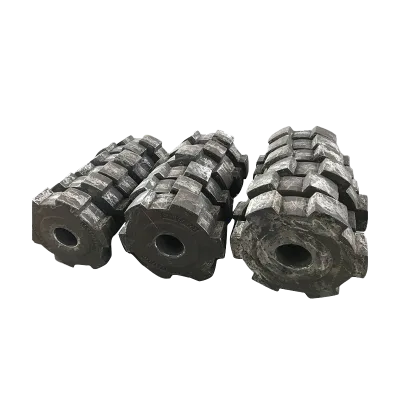


Comprehensive Sourcing Guide
Hammer Crusher Parts Sourcing Guide
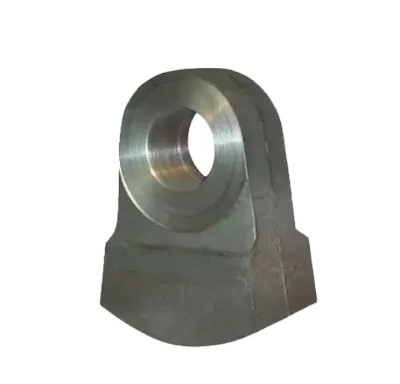
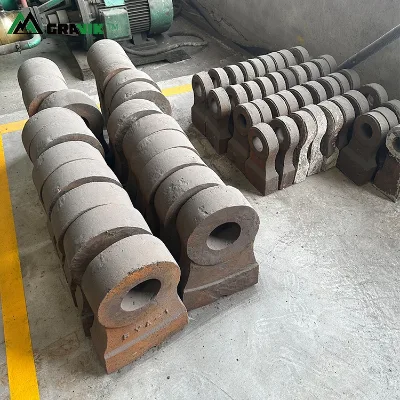
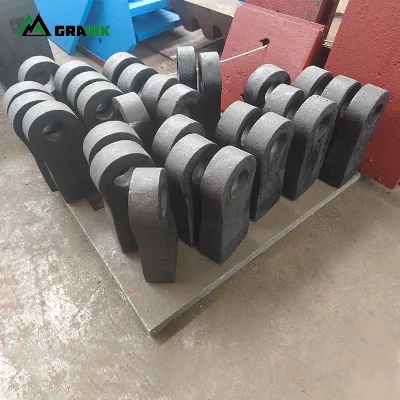
Buyers must first distinguish between casting and stamping manufacturing processes when evaluating hammer crusher components, as the supplied data indicates distinct production methods for different part types. The observed listings reveal that some hammers are produced via casting from cast steel, while others utilize stamping processes with carbon steel, directly influencing the final mechanical properties and wear resistance. Understanding this fundamental difference is critical before initiating any procurement conversation, as the intended application—whether for quarrying, ore mining, or metal recycling—dictates which manufacturing route offers the necessary durability.
Procurement teams should also verify the specific product models and compatibility requirements, as the market offers parts designed for a wide array of machinery including Riverside, Kleemann, Danieli, and Metso systems. The available inventory spans from general-purpose crushing hammers to specialized shredder parts, each with unique dimensional requirements and standard specifications like ASTM or DIN/GB. Buyers need to confirm that the requested part matches the exact model of their existing equipment, as the "Full Types" and "Original" drawing options suggest a need for precise engineering alignment rather than generic replacements.
Product Scope and Observed Listing Signals
The observed product range includes hammer crusher wear parts specifically designed for applications such as ore mining, quarry operations, and metal recycling industries. Listings indicate that these components are engineered for high wear resistance, a critical attribute for equipment operating under the abrasive conditions typical of crushing coal and other hard materials. The product names and descriptions consistently highlight usage in crushing scenarios, confirming that the primary function of these parts is to withstand the intense mechanical stress generated during the size reduction of various feed materials.
Buyers should note that the listed products come in various configurations, including specific models like HC and RPR09, which may correspond to different crusher types such as ring hammer crushers. The available data suggests that these parts are often supplied with customizable drawing options, allowing for tailored solutions that fit specific inlet and outlet sizes, such as the 300×1300mm inlet or 200-300mm outlet dimensions observed in the listings. This flexibility is essential for maintaining operational efficiency across diverse mining and recycling setups where standard dimensions may not suffice.
Technical Specifications to Verify
When evaluating technical specifications, buyers must prioritize the material composition and surface treatment processes to ensure longevity in harsh operating environments. The supplied facts confirm that materials range from cast steel to carbon steel, with surface treatments including polishing and spray-paint finishes. These attributes directly impact the wear resistance and corrosion protection of the hammer parts, so procurement teams should request detailed material certificates and verify that the surface treatment aligns with the specific moisture and abrasive conditions of the intended application site.
Dimensional accuracy and model compatibility are equally critical, as the listings reference specific boundary dimensions and outlet sizes that must match the existing crusher geometry. Buyers should verify that the "Full Types" and "Original" drawing options provided by suppliers correspond to the exact boundary dimensions, such as the 11007501450mm measurements observed, to prevent installation issues. Additionally, confirming the splitting ratio and suitable moisture content, such as the 18% threshold mentioned, ensures the selected parts will perform optimally without premature failure or excessive wear during operation.
Compliance and Safety Documentation
Compliance verification requires a rigorous check of the manufacturing certifications and standards cited in the product listings, particularly ISO 9001 and industry-specific standards like ASTM or DIN/GB. The observed data indicates that some products adhere to ISO 9001 for manufacturing processes, which serves as a baseline for quality management systems, but buyers must confirm that these certifications are current and applicable to the specific production batch being ordered. Relying on general claims without verifying the scope of the certification can lead to procurement of parts that do not meet the necessary safety and quality benchmarks for industrial use.
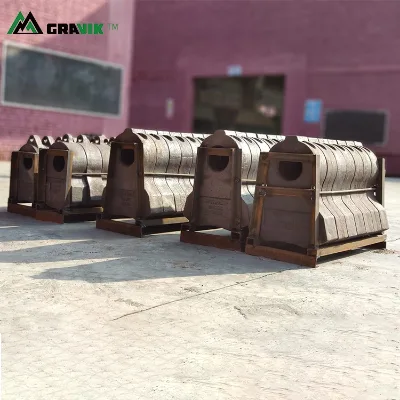
Safety documentation should also include detailed specifications regarding the condition and handling of the parts, as the listings note that items are supplied in "New" condition with specific packing methods like steel pallets or general packing. Buyers need to ensure that the packaging protects the parts from damage during transit, especially given the heavy nature of cast steel and carbon steel components. Furthermore, verifying that the supplier provides clear instructions on handling and installation is essential to maintain the integrity of the parts and ensure safe operation within the mining or recycling facility.
Cost Drivers and Commercial Terms
Cost drivers for Hammer Crusher Parts are heavily influenced by the manufacturing process, material grade, and the level of customization required for specific machinery models. The observed listings show a wide price range, suggesting that factors such as the use of cast steel versus carbon steel, along with surface treatments like polishing or spray-paint, significantly impact the final unit cost. Buyers should analyze the trade-off between initial price and long-term wear resistance, as higher-quality materials and processes may offer better value over the lifecycle of the equipment despite a higher upfront investment.
Commercial terms must be carefully negotiated to account for the observed MOQ ranges and lead times, which can vary based on the complexity of the part and the supplier's production capacity. The data indicates MOQs ranging from 1 to 500 units, requiring buyers to align their order quantities with their inventory needs and budget constraints. Additionally, clarifying the delivery terms, including the origin location of Jinhua, Zhejiang, and the specific packing methods, is crucial for accurate logistics planning and cost estimation, ensuring that the total landed cost reflects all associated expenses.
Supplier Qualification and Quality Control
Supplier qualification should focus on verifying the manufacturing capabilities and quality control measures, particularly the adherence to ISO 9001 standards and the specific production processes like casting or stamping. Buyers must confirm that the supplier has a proven track record in producing high-wear-resistant parts for the mining and recycling industries, as the observed listings highlight these specific applications. Requesting references or case studies from similar operations can provide insight into the supplier's ability to consistently deliver parts that meet the rigorous demands of crushing and shredding equipment.
Quality control protocols must be established to ensure that the delivered parts match the specified standards and dimensions, such as the ASTM or DIN/GB requirements noted in the listings. Buyers should implement a rigorous inspection process upon receipt, checking for surface treatment consistency, material integrity, and dimensional accuracy against the provided drawings. Given the critical nature of these parts in maintaining operational continuity, establishing a clear protocol for handling non-conforming items and ensuring rapid replacement is essential for minimizing downtime in quarry and mining operations.
Long-Term Procurement Checks
Long-term procurement strategies should include regular performance reviews of the Hammer Crusher Parts to assess wear rates and overall durability in the field. Buyers need to track the lifespan of the parts under actual operating conditions, comparing the observed performance against the claimed wear resistance and material specifications. This data-driven approach allows for continuous improvement in supplier selection and part specification, ensuring that future orders are based on empirical evidence of performance rather than marketing claims alone.
Establishing a feedback loop with the supplier is also vital for maintaining a reliable supply chain and addressing any recurring quality issues promptly. Buyers should maintain open communication regarding any deviations in performance, such as unexpected wear patterns or dimensional changes, to facilitate timely adjustments in the manufacturing process. By fostering a collaborative relationship with suppliers who demonstrate a commitment to quality and continuous improvement, procurement teams can secure a steady supply of high-performance Hammer Crusher Parts that support the long-term efficiency of their mining and recycling operations.
FAQs
What materials are used for Hammer Crusher Parts?
Hammer Crusher Parts are primarily manufactured from cast steel and carbon steel. These materials provide the necessary strength and durability for crushing applications. The choice depends on specific wear requirements and operational conditions in mining or quarry settings.
Can Hammer Crusher Parts be customized?
Yes, customization is available for Hammer Crusher Parts. Buyers can request original or customized drawings to fit specific machinery models. This ensures precise compatibility with existing equipment, enhancing performance and reducing downtime during maintenance or replacement processes.
Which certifications do Hammer Crusher Parts have?
Hammer Crusher Parts typically hold ISO 9001 certification, ensuring quality manufacturing processes. This applies to both casting and stamping methods used in production. The certification guarantees consistent quality standards for wear-resistant components used in heavy industrial crushing operations.
What surface treatments are applied to these parts?
Surface treatments include polishing and spray-painting for Hammer Crusher Parts. Polishing enhances wear resistance, while spray-painting offers additional protection against corrosion. These treatments extend the lifespan of the parts, making them suitable for harsh environments like ore mining and metal recycling.
How are Hammer Crusher Parts packaged for shipping?
Hammer Crusher Parts are packaged using steel pallets or general packing methods. Steel pallets provide robust protection for heavy cast items during transit. General packing is also used for standard components. This ensures safe delivery to various global locations, including China and Zhejiang.
What standards apply to hammer crusher wear parts?
Hammer crusher wear parts adhere to ASTM, DIN, and GB standards. These standards ensure dimensional accuracy and material quality for shredder and crusher components. Compliance with these international standards facilitates global trade and ensures compatibility with diverse machinery models from various manufacturers.