Source Eco-Friendly Disposable Toilet Detergent for Household, Commercial, and Bathroom Use
Compare 30 listings for Eco-Friendly Disposable Toilet Detergent suitable for household, commercial, and bathroom applications. Buyers can review specifications like liquid form, plastic bottle packaging, and OEM services from verified suppliers.
Key considerations
Products List
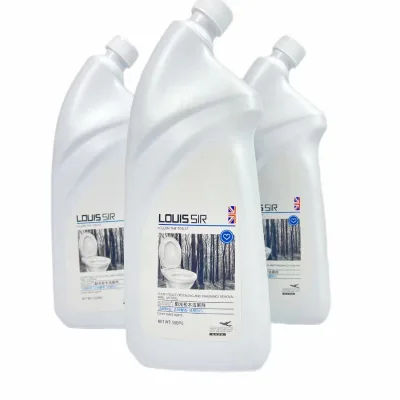
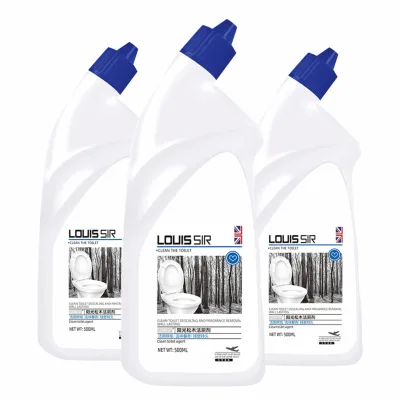


Premium Bathroom Toilet Cleaner - Powerful Stain Remover and Disinfectant
$1.29 - $1.70
MOQ: 100 Pieces


Toilet Cleaner Toilet Bowl Cleaner 500ml 750ml Detergent Toilet Cleaner Liquid
$0.45 - $0.65
MOQ: 5000 Pieces
Comprehensive Sourcing Guide
Eco-Friendly Disposable Toilet Detergent Sourcing Guide
Sourcing eco-friendly disposable toilet detergents requires a nuanced understanding of the intersection between chemical formulation, physical product design, and supply chain logistics. Buyers in this category are often navigating a complex landscape where "eco-friendly" claims must be substantiated by tangible product attributes such as biodegradability, alcohol-free compositions, and sustainable packaging materials. The market offers a diverse array of solutions, ranging from liquid detergents in plastic bottles to disposable wipes and specialized cleaning agents, each with distinct operational implications for procurement teams. Understanding these variations is critical for aligning product selection with specific brand values, regulatory requirements, and end-user expectations.
This guide provides a structured approach to evaluating suppliers and products in this niche. It focuses on verifying technical specifications, ensuring compliance with safety standards, and managing commercial terms effectively. By adhering to evidence-based procurement practices, buyers can mitigate risks associated with greenwashing, supply chain disruptions, and quality inconsistencies. The following sections detail the key considerations for sourcing high-quality, environmentally responsible toilet detergents and related cleaning products, ensuring that procurement decisions are both strategic and compliant.
Product Scope and Observed Listing Signals
The current market landscape for eco-friendly toilet detergents includes a variety of product forms, primarily liquids and disposable items. Observed listings indicate a significant presence of liquid detergents packaged in plastic bottles, with specific examples showing a 500ml capacity and a net weight of approximately 475-485 grams. These products often feature natural fragrances and are marketed for household applications, emphasizing attributes such as being alcohol-free and flushable. The presence of customization options suggests that many manufacturers are equipped to handle OEM and ODM requests, allowing buyers to tailor scents, formulations, and packaging to their specific brand identities.
In addition to liquid detergents, the scope extends to disposable cleaning products, such as disposable towels or wipes, which are designed for commercial and household use. These items are often characterized by their portability and convenience, with some products featuring covers to maintain hygiene. The observed data highlights a mix of product models, including those with specific dimensions like 150mm*200mm, indicating a standardized approach to sizing for ease of storage and distribution. Buyers should note that while some products are explicitly labeled as "eco-friendly," the actual environmental impact depends on factors such as material composition, biodegradability, and the sustainability of the supply chain, which require further verification.
Technical Specifications to Verify
When evaluating liquid toilet detergents, buyers must verify key physical and chemical specifications to ensure product consistency and performance. Critical attributes include the bottle type, which is often plastic, and the filled volume, typically 500ml, along with the net and gross weights, which impact shipping costs and handling requirements. The product form is consistently liquid, and buyers should confirm whether the formulation is alcohol-free, as this can affect both efficacy and environmental impact. Additionally, the scent profile, often described as natural fragrance, should be verified to ensure it aligns with brand guidelines and consumer preferences, avoiding synthetic or potentially irritating additives.
For disposable products, such as wipes or towels, technical specifications focus on dimensions, packaging, and material composition. Standard sizes like 150mm*200mm are common, and buyers should verify the packaging material, which may include plastic bags or cartons, to assess recyclability and waste reduction potential. The presence of features like covers and the flushability of the product are also important technical considerations, particularly for products intended for use in residential or commercial bathrooms. Buyers should request detailed product data sheets that outline these specifications, ensuring that the products meet the functional requirements of the end-user while adhering to sustainability goals.
Compliance and Safety Documentation
Compliance with safety and environmental regulations is paramount when sourcing eco-friendly toilet detergents. Buyers must ensure that suppliers provide comprehensive documentation, including safety data sheets (SDS) and ingredient lists, to verify that the products are free from harmful chemicals such as alcohol or harsh synthetic fragrances. The "eco-friendly" label should be supported by evidence of biodegradability, particularly for flushable products, to prevent environmental contamination. Buyers should also verify that the products comply with relevant local and international standards, such as those governing household cleaning agents and disposable hygiene products, to avoid regulatory penalties and reputational damage.
In addition to product-specific compliance, buyers should assess the supplier's adherence to broader environmental and social responsibility standards. This includes verifying certifications related to sustainable manufacturing practices, waste management, and ethical labor conditions. While specific certification statuses may vary, buyers should request proof of compliance with recognized standards, such as EN 1276 for disinfectant efficacy, if applicable. Transparent communication with suppliers regarding their sustainability initiatives and compliance records is essential for building a trustworthy and responsible supply chain.
Cost Drivers and Commercial Terms
The cost of eco-friendly toilet detergents is influenced by several factors, including raw material quality, packaging complexity, and order volume. Liquid detergents in plastic bottles may have different cost structures compared to disposable wipes, with the latter often involving higher manufacturing costs due to material and processing requirements. Buyers should negotiate clear pricing terms that account for these variations, ensuring that the cost per unit aligns with budget constraints and market expectations. Minimum order quantities (MOQs) can also impact pricing, with larger orders typically benefiting from economies of scale, but buyers should balance volume discounts with inventory holding costs.
Commercial terms such as payment methods, shipping arrangements, and lead times are critical components of the procurement process. Buyers should clarify whether suppliers offer OEM or ODM services, as these can affect production timelines and costs. Packaging details, such as the number of units per carton or pallet, should be specified to optimize logistics and reduce shipping expenses. Additionally, buyers should inquire about the shelf life of the products, which is often around three years for liquid detergents, to ensure that inventory management strategies are aligned with product longevity and reduce the risk of waste.
Supplier Qualification and Quality Control
Supplier qualification is a crucial step in ensuring the reliability and quality of eco-friendly toilet detergents. Buyers should conduct thorough due diligence on potential suppliers, assessing their manufacturing capabilities, quality control processes, and track record in the industry. This includes verifying the supplier's ability to meet specific product specifications, such as bottle size, fragrance type, and packaging materials. Buyers should also evaluate the supplier's commitment to sustainability, including their practices for waste reduction, energy efficiency, and responsible sourcing of raw materials.
Quality control measures should be integrated into the procurement process to ensure consistent product quality. Buyers should request samples for testing and evaluation, focusing on attributes such as efficacy, scent, and packaging integrity. Establishing clear quality standards and inspection protocols can help identify and address potential issues before they impact the end-user. Regular audits and performance reviews of suppliers can further enhance quality assurance, fostering long-term partnerships based on trust and mutual benefit.
Long-Term Procurement Checks
Long-term procurement success in the eco-friendly toilet detergent market requires ongoing monitoring and adaptation. Buyers should regularly review supplier performance, focusing on metrics such as delivery reliability, product quality, and compliance with sustainability goals. This includes tracking changes in regulatory requirements and market trends, ensuring that procurement strategies remain aligned with evolving consumer preferences and environmental standards. Continuous engagement with suppliers can facilitate innovation and improvement, driving the development of more sustainable and effective products.
Additionally, buyers should consider the broader impact of their procurement decisions on the environment and society. This includes evaluating the lifecycle of the products, from raw material extraction to disposal, and identifying opportunities for further sustainability improvements. By prioritizing transparency, collaboration, and continuous improvement, buyers can build a resilient and responsible supply chain that supports both business objectives and environmental stewardship. Regularly updating procurement policies and practices in response to new insights and challenges is essential for maintaining a competitive edge in this dynamic market.
FAQs
What is the product form of the Toilet Shine?
The product form is liquid, specifically categorized as a cleaning liquid for household use. It comes in a 500ml plastic bottle with a natural fragrance and is designed for bathroom applications after use.
Can I customize the brand and packaging?
Yes, customization is available for this product line. The brand Fraxen Lab offers OEM and ODM services, allowing buyers to request specific packaging configurations or branding adjustments for their orders.
What is the minimum order quantity for this item?
The minimum order quantity is 3000 units for this specific product model. Buyers should note that the observed MOQ range across similar listings varies from 1 to 30000 depending on the supplier.
How long is the shelf life of the liquid cleaner?
The shelf life is three years from the date of manufacture. This ensures the product remains effective for cleaning and antiseptic purposes when stored properly in its plastic bottle packaging.
Where is this product manufactured and shipped from?
The product originates from China and is typically packed in boxes containing 24 pieces per carton. Shipping options include ocean freight, and the gross weight of a full box is 13.1kg.
Is the product alcohol-free and flushable?
Yes, the product is formulated without alcohol and is designed to dissolve in water. It is also characterized as flushable, making it suitable for standard bathroom drainage systems.