Source eco-friendly disposable wooden spoon for Weddings, Parties, and Picnics
Compare 30 listings of eco-friendly disposable wooden spoon from verified suppliers. Explore customizable sizes, biodegradable materials, and bulk pricing options for restaurants, hotels, and events.
Key considerations
Products List

Biodegradable Disposable Mini Wooden Dessert Eco-Friendly Wood Tasting Spoon
$0.02 - $0.02
MOQ: 50000 Pieces


Reusable Wood Spoon Disposable Birch Wooden Spoon for Snack Food Picks Eco Friendly
$0.01 - $0.02
MOQ: 50000 Pieces

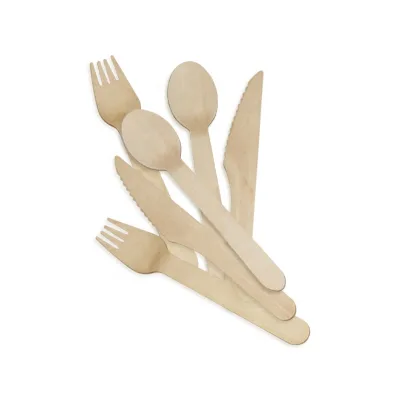


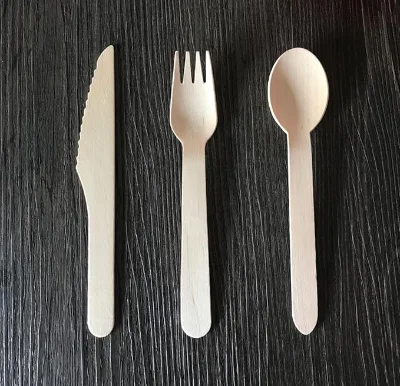
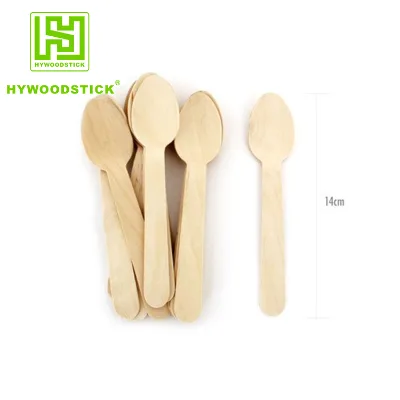


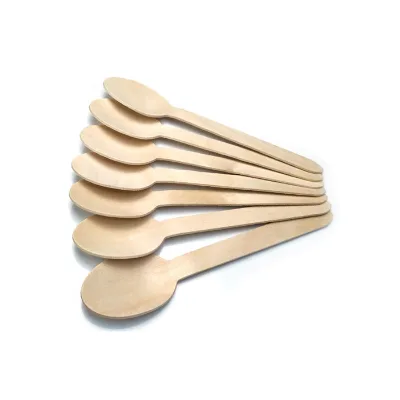


Eco-Friendly Biodegradable Forks Spoons Knife Disposable Cutlery Wooden
$0.01 - $0.04
MOQ: 10000 Pieces


Comprehensive Sourcing Guide
Sourcing Guide for Eco-Friendly Disposable Wooden Spoons
Understanding Product Specifications and Variations
When sourcing eco-friendly disposable wooden spoons, buyers must first navigate the diverse technical specifications available in the market. The core product category encompasses various utensils, including knives, forks, and spoons, often categorized under flatware tableware utensils. A critical observation from current market data indicates that these items are primarily constructed from wood, offering a natural wood color that appeals to environmentally conscious consumers. The physical dimensions of these spoons vary significantly based on the intended application. For instance, specific models are documented with dimensions such as 160mm in length with a width of 22mm and a thickness of 1.3mm, while smaller variants, such as mini wooden spoons, may measure 95mm by 15mm with a similar thickness of 1.3mm. Other specifications include lengths of 140mm, 105mm, and 70mm, suggesting a wide range of sizes suitable for different serving contexts.
The manufacturing process for these items often involves handmade techniques or other unspecified methods, which can influence the final texture and finish. Buyers should note that the surface is frequently described as smooth, a feature that enhances user experience and prevents splinters. The product models are often identified by codes such as HDP0749 or HDP0751, or simply by descriptive terms like "wooden spoon" or "disposable cutlery." It is essential to verify that the specific model selected matches the required standard, as different sets may have different sizes. The design is generally customizable, allowing buyers to request specific dimensions or shapes to align with their brand identity or event requirements.
Compliance, Certification, and Material Safety
For B2B procurement, verifying compliance and certification is paramount to ensure the product meets international safety and environmental standards. The supply chain for wooden cutlery often highlights a robust portfolio of certifications. High-confidence data indicates that suppliers may provide products certified under BRC, BSCI, CE, MSDS, and ISO9001 standards. These certifications cover various aspects, from food safety and quality management systems to social compliance in the workplace. The BRC (British Retail Consortium) certification is particularly relevant for food contact materials, ensuring the wooden spoons are safe for direct contact with food items such as fruit, salad, meat, and other culinary applications.
The material itself is a primary driver of the product's eco-friendly status. The spoons are marketed as biodegradable and bio-degradable, distinguishing them from plastic alternatives that persist in landfills. They are also described as food grade, which is a critical requirement for any item intended for dining. While some background information may suggest FSC (Forest Stewardship Council) certification, buyers should treat this as a variable attribute to be verified on a case-by-case basis rather than a universal guarantee. The sourcing strategy must include a request for current, valid certificates from the supplier for the specific batch being ordered. The presence of an MSDS (Material Safety Data Sheet) further confirms that the wood has been treated or processed without harmful chemicals that could leach into food.
Cost Drivers and Pricing Dynamics
The pricing structure for eco-friendly disposable wooden spoons is influenced by several distinct factors, resulting in a wide observed price range in the market, typically spanning from $0 to $145.34 USD. This variance is not indicative of quality differences alone but rather reflects the complexity of the order. The Minimum Order Quantity (MOQ) is a significant cost driver, with observed ranges extending from 10 units up to 100,000 units. An MOQ of 10,000 pieces is frequently cited as a standard threshold for certain models, which can impact the unit cost for smaller buyers.
Customization is another major factor affecting the final price. While the base product is available in a natural wood color, the acceptance of customized logos and designs often incurs additional setup or production costs. The packaging specifications also play a role in the cost structure. Options range from simple OPP bags or kraft bags to more complex carton boxes and palletized shipments. A standard packaging configuration might be 50 pieces per bag with 100 bags per carton, or 100 pieces per bag with 100 bags per carton. The choice between these packaging methods, along with the decision to include custom branding, will directly influence the total landed cost. Buyers should anticipate that higher customization levels and stricter packaging requirements will push the price toward the upper end of the observed range.
Typical Applications and Usage Scenarios
The versatility of wooden disposable spoons makes them suitable for a broad spectrum of applications. The primary use cases include weddings, parties, holidays, and general gatherings. These events often require utensils that are both functional and aesthetically pleasing, with the natural wood color providing an elegant, rustic look that complements various table settings. Beyond social events, these spoons are widely used in commercial settings such as coffee shops, restaurants, bars, and hotels. The product description explicitly lists these venues as key areas of application.
In terms of specific food usage, the spoons are designed for serving fruit, salad, food, and meat. Their biodegradable nature makes them an ideal choice for outdoor events like picnics and holidays where waste management is a concern. The "General" application scenario suggests they can be used for a wide variety of food types without restriction, provided the food is not excessively hot or acidic to the point of degrading the wood prematurely. The disposable style ensures hygiene and convenience, eliminating the need for washing and reducing labor costs for event organizers and food service providers. The product is also noted for its suitability in household use, further expanding its market reach beyond commercial catering.
Supplier Evaluation and Production Capabilities
Evaluating a supplier for wooden cutlery requires a focus on their production capabilities, origin, and flexibility. The majority of these products originate from China, with specific manufacturing hubs identified in Anhui. When assessing potential partners, buyers should verify the supplier's ability to handle both OEM (Original Equipment Manufacturer) and ODM (Original Design Manufacturer) requests, as these services are highly welcomed in the industry. This indicates a willingness to collaborate on design and branding.
The production process often involves a mix of handmade and automated techniques. Buyers should inquire about the balance between these methods, as handmade processes can offer unique finishing touches but may result in higher variability in lead times. The supplier's capacity to handle large volumes is critical, given the high MOQs observed in the market. A supplier capable of managing orders up to 100,000 units with a standardized packing method like carton boxes or woven bags is preferable for large-scale procurement. Additionally, the ability to customize the logo and design is a key differentiator. Suppliers that offer "Customized Logo Acceptable" services demonstrate a commitment to brand integration, which is essential for businesses looking to create a cohesive brand image for their events or retail products.
Quality Control and Long-Term Procurement Strategy
Implementing a robust quality control (QC) strategy is essential when sourcing disposable wooden spoons. Given that the product is made from natural wood, buyers must establish clear acceptance criteria for defects such as splinters, uneven surfaces, or inconsistent sizing. The "Smooth Surface" feature is a specific attribute that should be verified during the QC process. Inspections should focus on the dimensional accuracy against the stated standards, such as the 160mm22mm1.3mm specification, to ensure consistency across the batch.
For long-term procurement, buyers should consider the sustainability of the supply chain. While the product is biodegradable, the sourcing of the wood itself should be scrutinized to ensure it aligns with corporate social responsibility goals. The presence of certifications like BSCI and ISO9001 suggests that the supplier adheres to certain management standards, but ongoing audits may be necessary. Packaging integrity is another long-term consideration; the transition from simple OPP bags to custom cartons or palletized shipments requires careful logistics planning to prevent damage during transit.
Buyers should also plan for the variability in product models. Since different sets have different sizes, maintaining a consistent inventory for large events requires precise ordering. The ability to customize the model number and dimensions allows for greater flexibility in meeting specific event needs. Finally, the procurement strategy should account for the lead times associated with customized orders. While the base product is stocked, adding a customized logo or specific packaging may extend the production timeline. Establishing a clear communication channel with the supplier regarding these timelines is vital to ensure that the spoons arrive in time for the intended application, whether it is a holiday party or a seasonal restaurant menu launch.
Strategic Sourcing Considerations
In conclusion, sourcing eco-friendly disposable wooden spoons requires a balanced approach that weighs technical specifications, compliance, cost, and supplier reliability. The market offers a wide array of options, from standard 160mm spoons to mini versions, all crafted from wood with a focus on biodegradability and food safety. The presence of multiple certifications, including BRC and ISO9001, provides a strong foundation for ensuring product safety and quality. However, buyers must remain vigilant in verifying these claims and understanding the cost implications of customization and packaging.
The diverse applications, ranging from weddings to commercial restaurants, highlight the product's versatility. By carefully selecting the right model, verifying certifications, and establishing clear quality control protocols, buyers can secure a reliable supply of eco-friendly cutlery that meets both functional and environmental standards. The ability to customize logos and designs further enhances the value proposition, allowing businesses to align their procurement with their brand identity. As the market continues to evolve, maintaining a focus on verified facts and avoiding unconfirmed claims will ensure a successful and sustainable sourcing strategy.
FAQs
What certifications do eco-friendly disposable wooden spoons have?
Products typically hold BRC, BSCI, CE, MSDS, and ISO9001 certifications. These verify food safety, quality management, and social compliance for direct contact with items like fruit, salad, and meat.
Which specifications are available for wooden disposable cutlery?
Standard models include sizes like 160mm by 22mm by 1.3mm or 95mm by 15mm by 1.3mm. Other lengths such as 140mm, 105mm, and 70mm are also available to suit different serving needs.
Can I request a customized logo on these wooden utensils?
Yes, customized logos are acceptable for most orders. Buyers can also request specific packaging options like kraft bags or carton boxes to align with their brand identity and event requirements.
What is the minimum order quantity for wooden spoons?
The minimum order quantity ranges from 10 to 100,000 units depending on the supplier and customization level. Some standard models may require an MOQ of 10,000 pieces for optimal pricing.
Where are these eco-friendly wooden spoons manufactured?
The products originate primarily from Anhui, China. Suppliers in this region offer both handmade and other processing methods to produce biodegradable and food-grade wooden cutlery.
How are these disposable wooden utensils packaged for shipping?
Packaging options include 50 or 100 pieces per bag with 100 bags per carton. Additional choices involve OPP bags, kraft bags, custom boxes, or palletized shipments for large orders.