Source Eco-Friendly Dog Pet Shampoo for Cleaning, Grooming, and Bathing
Find 30 listings for eco-friendly dog pet shampoo with features like cleansing, moisturizing, and removing bacteria. Buyers can compare herbal ingredients, natural fragrances, and various sizes from suppliers in Zhejiang, China.
Key considerations
Products List


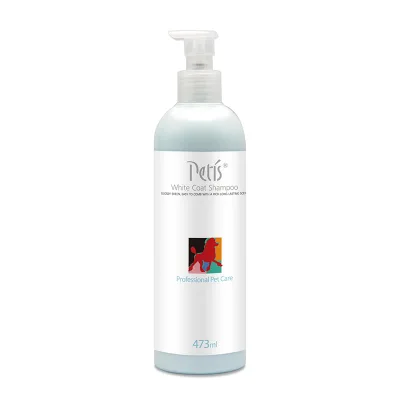
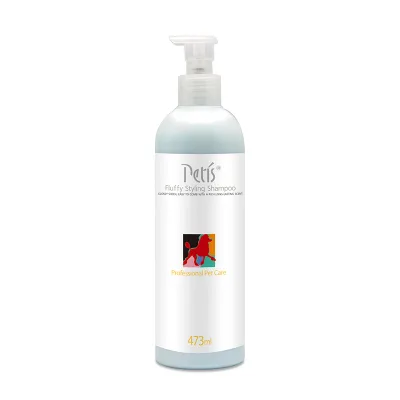
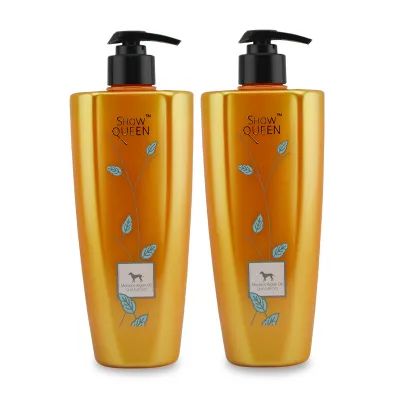
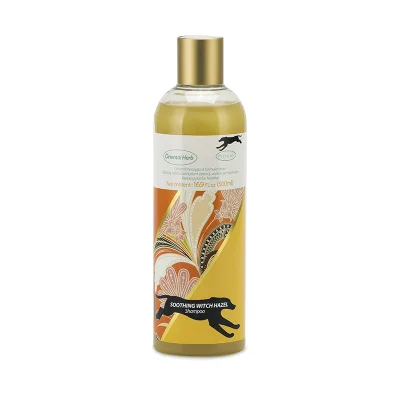
Herbal Dog Shampoo Soothing Fountain Spa Shampoo Sensitive Dog Shampoo
$4.50 - $5.55
MOQ: 10 milligrams
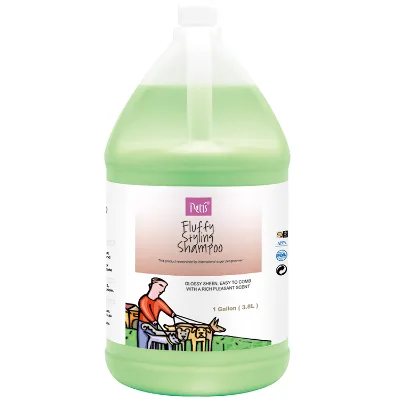
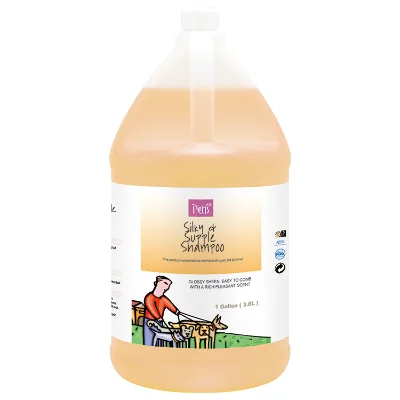


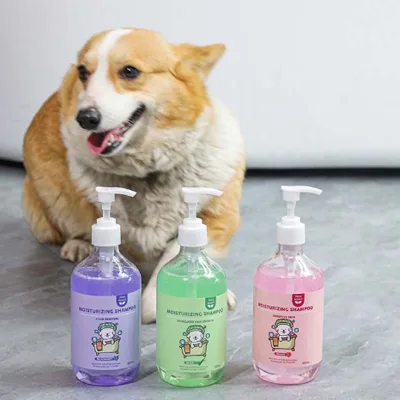


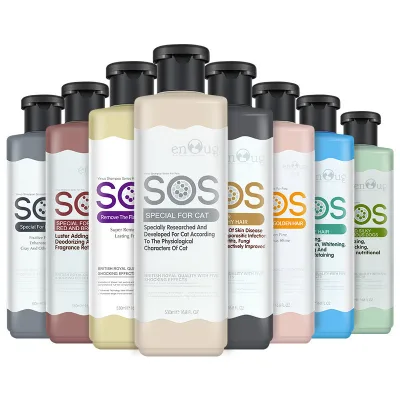
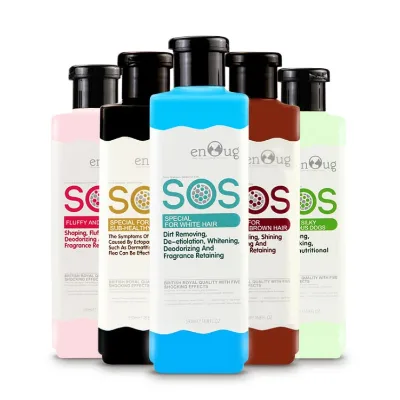
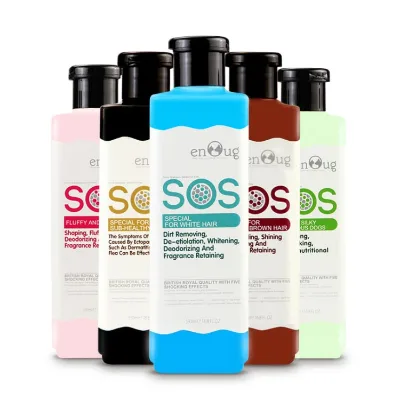
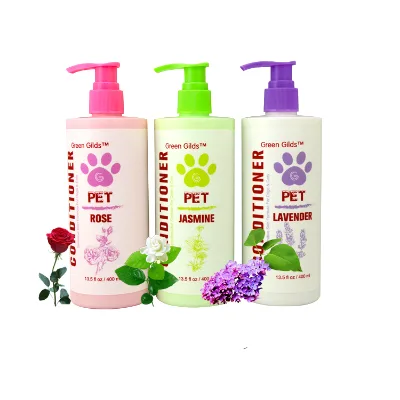
Comprehensive Sourcing Guide
Strategic Sourcing Guide for Eco-Friendly Dog Pet Shampoo
Understanding Product Formulations and Physical Attributes
When sourcing eco-friendly dog pet shampoo, the first step is to define the precise physical and chemical attributes required for the specific application. The market offers a diverse range of formulations, and understanding these distinctions is critical for procurement success. Based on current market observations, the product form can vary significantly between gel and liquid states. Buyers must verify which consistency aligns with their distribution channels and end-user preferences. While some products are marketed as gels, others are distinctly liquid, and the choice often dictates the packaging requirements and dispensing mechanisms.
The ingredient profile is a primary differentiator for eco-friendly products. A high-confidence observation in the current supply landscape indicates that most products utilize natural ingredients. This aligns with the "Eco-Friendly" feature often requested by buyers. However, "natural" is a broad term, and procurement teams should not assume all listed products meet a specific organic threshold without verification. The flavor profile is typically described as "Nature" or "Natural Fragrance," avoiding synthetic perfumes that might irritate sensitive animal skin.
Chemical properties also play a vital role in product safety and efficacy. The pH level is a critical specification to monitor. Observations suggest that some pet shampoos in the current inventory are slightly alkaline. While this may be suitable for certain coat types, it is essential to confirm whether this pH balance is appropriate for the specific breed or skin condition of the target demographic. The application scope is generally broad, covering dogs and cats, with specific products labeled for "Pet Cleaning" or "Dog" use. The functional features often include a combination of cleansing, moisturizing, and antibacterial properties, ensuring the product addresses multiple grooming needs in a single step.
Compliance Standards and Certification Verification
In the B2B procurement of pet care products, compliance is not merely a regulatory hurdle but a fundamental component of brand trust. When evaluating potential suppliers for eco-friendly dog shampoo, buyers must prioritize verification of manufacturing standards. The supply chain data indicates that reputable manufacturers often adhere to ISO standards and GMPC (Good Manufacturing Practice for Cosmetics). Specifically, the standard ISO 22716:2007 is a recognized benchmark for cosmetic GMP, ensuring that production processes maintain hygiene and quality control.
Beyond general manufacturing standards, specific certification bodies such as SGS are frequently cited in product documentation. These third-party assessments provide an additional layer of assurance regarding product safety and ingredient integrity. Buyers should request current certification documents rather than relying on marketing claims. It is important to note that while some sources mention standards like OEKO-TEX, these are not universally confirmed in the provided data and should be treated as potential attributes to verify rather than guaranteed facts.
The "Veterinary Recommended" attribute is another significant compliance indicator found in the market. This suggests that the product has undergone scrutiny or formulation adjustments to meet professional grooming or veterinary standards. However, this claim requires substantiation. Procurement teams should ask for the specific basis of this recommendation, whether it is an endorsement from a recognized veterinary body or an internal quality assurance protocol. Ensuring that the product meets the regulatory requirements of the destination market, including labeling laws and ingredient restrictions, is paramount before finalizing any order.
Cost Drivers and Minimum Order Quantity Analysis
Financial planning for pet shampoo procurement involves navigating a complex landscape of pricing and volume constraints. The observed price range in the market is substantial, spanning from $0.32 to $21.40 USD. This wide variance suggests that factors such as ingredient quality, packaging sophistication, and brand positioning heavily influence the final cost. Buyers must understand that the lower end of the price spectrum may correspond to bulk, generic formulations, while the higher end likely reflects premium natural ingredients, specialized eco-certifications, or smaller, boutique packaging.
Minimum Order Quantity (MOQ) is a critical factor that impacts cash flow and inventory management. The market data reveals a broad MOQ range, from as low as 10 units to as high as 10,000 units. A specific high-confidence observation notes an MOQ of 5,000 pieces for certain product lines. This discrepancy highlights the importance of negotiating terms that align with the buyer's scale. For startups or those testing a new product line, finding suppliers with lower MOQs is essential to mitigate risk. Conversely, established retailers may leverage higher volumes to secure better unit economics.
Packaging requirements also serve as a significant cost driver. The supply chain shows flexibility in packaging, with options ranging from individual bottles to cases and cartons. Some suppliers offer custom packaging according to customer demand, which can increase costs but adds value through branding. The standard packaging sizes observed include 200ml, 350ml, and 500ml options, with some products available in larger 3L containers for professional use. The physical dimensions of the packaging, such as case sizes of 4431.530cm, directly impact logistics costs, including shipping and warehousing. Buyers should calculate the total landed cost, including freight, rather than focusing solely on the unit price.
Typical Applications and Operational Requirements
The application of eco-friendly dog pet shampoo extends beyond simple cleaning; it encompasses a range of grooming and care scenarios. The primary application is for dogs and cats, with specific products designed for general pet cleaning. The operational type for these products is typically manual, meaning they are designed for use by pet owners or professional groomers using their hands or standard grooming tools. This contrasts with automated systems, making the product accessible for home use and mobile grooming services.
The functional features of the shampoo are tailored to address specific grooming challenges. Key features include cleansing, moisturizing, and the removal of bacteria. For eco-friendly variants, an additional emphasis is placed on being environmentally safe, often described as "Eco-Friendly" in product specifications. The product is designed to be effective without harsh chemicals, making it suitable for pets with sensitive skin. The "Safety: Veterinary Recommended" attribute further supports its use in professional settings where animal welfare is a priority.
Waterproof capabilities are another consideration, though the data presents mixed observations. Some products are listed as waterproof, while others are not. This distinction is crucial for buyers targeting specific use cases, such as outdoor activities or water-resistant grooming treatments. For general pet hygiene, the focus is usually on the cleaning and nourishing effects rather than waterproofing. The product's effect is often described as nourishing, repairing, and cleaning, indicating a multi-functional approach to pet care. The scent profile, typically "Fresh" or "Natural Fragrance," ensures a pleasant experience for both the pet and the handler, avoiding the strong chemical odors associated with traditional cleaners.
Supplier Evaluation and Quality Control Protocols
Selecting the right supplier requires a rigorous evaluation process that goes beyond surface-level marketing. The origin of the products is a key indicator of supply chain stability. The data points to Hangzhou, Zhejiang, China, and the broader Zhejiang region as primary manufacturing hubs. These locations are known for their robust cosmetic and pet care manufacturing infrastructure. However, buyers should verify the specific factory location and capacity to ensure consistent supply.
Quality control is non-negotiable in the pet care industry. Buyers must establish clear protocols for sampling and testing. The market offers free samples, though the express fee is typically paid by the buyer. This is a standard practice that allows for physical inspection of the product's texture, scent, and packaging integrity before committing to a large order. When evaluating samples, check for consistency in the "Natural Fragrance" and "Nature" flavor profiles, and verify the pH balance if the product is specified as slightly alkaline.
Supplier reliability is also measured by their ability to meet production standards. The presence of ISO and GMPC certifications is a strong positive signal, but buyers should request evidence of these certifications and check their validity dates. Additionally, the "Safety: Veterinary Recommended" claim should be backed by documentation. A reliable supplier will be transparent about their production processes, ingredient sourcing, and quality assurance measures. They should also demonstrate flexibility in packaging, offering options like boxes, cases, or custom cartons to meet specific logistical needs.
Long-Term Procurement and Market Sustainability
Sourcing eco-friendly dog pet shampoo is not just a transactional activity but a strategic decision that impacts long-term brand sustainability. The trend toward natural ingredients and eco-friendly formulations is growing, driven by consumer demand for safer and more sustainable pet care products. Buyers should consider the scalability of their supply chain to accommodate this growth. The ability of suppliers to adjust production volumes, from small batches to large orders of 10,000 units, is a critical factor in long-term planning.
Sustainability extends beyond the product itself to the packaging and logistics. The observation of various packaging sizes and materials suggests that buyers have the opportunity to choose options that align with their environmental goals. Custom packaging according to customer demand allows for the reduction of waste and the enhancement of brand identity. Furthermore, the "Eco-Friendly" feature of the product itself contributes to a lower environmental footprint, appealing to a conscious consumer base.
In the long term, maintaining a relationship with a supplier who adheres to high standards like ISO 22716 and GMPC ensures product consistency and safety. This stability is essential for building trust with retailers and end consumers. Buyers should also monitor the market for changes in regulations and standards, ensuring that their products remain compliant. By focusing on quality, sustainability, and supplier reliability, buyers can secure a competitive advantage in the evolving pet care market. The flexibility in product attributes, such as form, scent, and size, allows for continuous innovation and adaptation to changing consumer preferences.
Comparative Analysis of Product Specifications
To facilitate decision-making, the following table summarizes key product attributes observed in the market. This comparison helps buyers identify the specific characteristics that align with their procurement needs.
| Attribute | Observation 1 | Observation 2 | Observation 3 |
|---|---|---|---|
| Form | Gel | Liquid | Liquid |
| Size | 350ml | 500ml | 200ml/pc |
| Origin | Hangzhou, Zhejiang | Zhejiang, China | China |
| Standard | ISO; SGS; GMPC | ISO; SJS; GMPC | ISO; SJS; GMPC |
| Packing | Box / Carton | Case | Bottle / Carton |
| Feature | Eco-Friendly | Cleansing/Moisturizing | Natural Fragrance |
| Application | Dog | Dogs and Cats | Pet Cleaning |
| pH | A Little Alkaline | - | - |
| Safety | Veterinary Recommended | - | - |
This table highlights the variability in specifications. While the core attributes of being eco-friendly and suitable for pets are consistent, the specific form, size, and packaging details vary. Buyers should use this data to create a detailed Request for Quotation (RFQ) that specifies their exact requirements, ensuring they receive accurate and comparable offers from potential suppliers. By focusing on these specific attributes, buyers can navigate the complex market and select products that best meet their operational and strategic goals.
FAQs
What certifications do eco-friendly dog pet shampoo manufacturers hold?
Reputable manufacturers often hold ISO and GMPC certifications, specifically ISO 22716:2007 for cosmetic good manufacturing practice. Some suppliers also provide SGS third-party assessment documents to verify product safety and ingredient integrity before you place a bulk order.
Can I customize the packaging for my eco-friendly dog pet shampoo brand?
Yes, customization is available for packaging according to your specific product requirements or customer demands. Suppliers offer various options including bottles, boxes, and cartons, allowing you to tailor the physical presentation to match your brand identity and logistical needs.
What is the typical minimum order quantity for pet shampoo sourcing?
The minimum order quantity varies significantly, ranging from 10 to 10,000 pieces depending on the supplier and product line. A specific high-confidence observation notes an MOQ of 5,000 pieces for certain product lines, so you must negotiate terms that align with your inventory scale.
Where are the primary manufacturing locations for these pet care products?
Primary manufacturing hubs are located in Hangzhou, Zhejiang, China, and the broader Zhejiang region. These locations are known for robust cosmetic and pet care infrastructure, ensuring supply chain stability for buyers seeking reliable production partners for their grooming products.
What ingredients are typically used in natural pet shampoo formulations?
Most products utilize natural ingredients, aligning with eco-friendly features and avoiding harsh synthetic chemicals. The flavor profile is usually described as nature or natural fragrance, ensuring a pleasant experience while maintaining safety for pets with sensitive skin conditions.
How does the pH level affect the safety of pet shampoo?
Some pet shampoos in the inventory are slightly alkaline, which may be suitable for certain coat types. It is essential to confirm whether this pH balance is appropriate for your specific target demographic before finalizing any order to ensure animal welfare.