Source Gear Shift Lever for Cars, Trucks, and Motorcycles
Find 30 verified listings for Gear Shift Lever options including steel and aluminum alloy materials. Buyers can compare customization services, certifications like ISO 9001, and lead times ranging from 25 to 30 days for OEM and ODM needs.
Key considerations
Products List

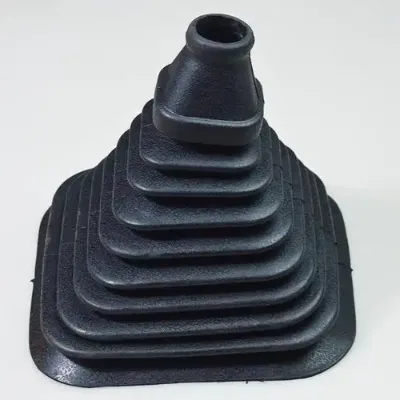

Precision Forging Part Gear Shift Lever Transmission Lever Motorcycle Gear Lever
$5.00 - $10.00
MOQ: 200 Pieces


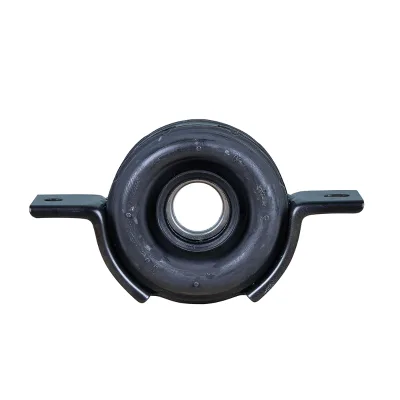


$1.00 - $5.00
MOQ: 100 Pieces



Comprehensive Sourcing Guide
Strategic Sourcing Guide for Gear Shift Levers
Understanding Technical Specifications and Material Variance
When sourcing gear shift levers, the primary challenge lies in navigating the diverse material compositions and manufacturing processes that define product performance. The market offers a wide spectrum of options, ranging from heavy-duty steel constructions to lightweight aluminum alloys and composite plastics. Buyers must first establish the functional requirements of the application before evaluating specific product attributes. For instance, steel-based components are frequently cited in industrial contexts, often undergoing specific heat treatments such as normalizing to enhance structural integrity. These steel variants may be subject to precise forging tolerances, with observed specifications indicating a tolerance range of +/-0.2mm for critical dimensions. This level of precision is essential for ensuring smooth engagement and longevity in high-stress environments.
Conversely, other product listings highlight a broader material palette, including major materials such as plastic, aluminum, and leather. These combinations are often tailored for applications where weight reduction or aesthetic customization is prioritized over pure structural mass. The unit weight of these components varies significantly; steel or stainless steel variants may be constrained to a maximum unit weight of 5kg, whereas aluminum alloy options can extend up to 30kg depending on the design and intended load. The molding style is another critical technical differentiator. Forging remains a dominant process for metal components, providing superior grain structure and strength compared to casting methods. However, post-processing steps like CNC machining are frequently applied to these forged parts to achieve the final dimensional accuracy required for mating with transmission systems.
The customization capability of the supply chain is a defining feature of this category. Most suppliers indicate that customization is available and acceptable, allowing buyers to specify unique requirements. This includes the ability to accept OEM logos and tailor the product to specific customer needs rather than adhering to a rigid universal standard. The drawing formats provided by manufacturers typically include PDF, STP, and Step files, which are essential for verifying design compatibility before production begins. Buyers should verify that the supplier can interpret these digital formats accurately to ensure the final physical product matches the engineering intent.
Compliance, Certification, and Standard Verification
Navigating the regulatory landscape is a critical step in the procurement of gear shift levers, particularly for automotive and industrial applications. Compliance is not merely a formality but a prerequisite for market access and safety assurance. The certification landscape for these components is robust, with ISO 9001 being a baseline expectation for quality management systems. Many suppliers also hold certifications such as RoHS, CE, CCC, and TUV, which indicate adherence to environmental standards and safety regulations in various global markets. It is imperative for buyers to verify that the specific batch of products being ordered carries the relevant certification marks, as these can vary by production run and region.
Standards play a pivotal role in defining the quality and interchangeability of gear shift levers. While some products are manufactured to specific industry standards like AISI for steel materials, others are produced to "universal" standards or strictly "by the customer's needs." This distinction is vital for procurement strategy. If a buyer requires a component that fits into an existing assembly without modification, they must confirm that the supplier is adhering to a recognized standard such as AISI or a specific ISO standard. If the component is part of a custom design, the "universal" or "customer needs" standard becomes the governing document, and the buyer must ensure that the supplier's internal quality control measures align with these bespoke requirements.
The origin of the product also influences the compliance framework. A significant portion of the supply chain originates from China, with specific manufacturing hubs noted in regions like Zhejiang. Products from these regions often carry certifications like ISO 9001 and CE, but buyers must remain vigilant. The presence of a certification on a product listing does not automatically guarantee that every unit in a shipment is compliant. Verification should include requesting valid certification documents for the specific model numbers, such as WG9725240208 or HDCF215, and ensuring that the testing protocols used to obtain these certifications are current and applicable to the specific material and process used.
Cost Drivers and Pricing Dynamics
The pricing structure for gear shift levers is influenced by a complex interplay of material costs, manufacturing complexity, and order volume. The observed price range in the market spans from 1 to 200 USD, reflecting the vast difference between simple, mass-produced plastic components and complex, precision-machined steel assemblies. Several key factors drive these costs. First, the material composition is a primary determinant; steel and stainless steel components generally command higher prices than plastic or aluminum variants due to raw material costs and the energy-intensive nature of metalworking.
Second, the level of customization significantly impacts the final price. While standard items may be available at the lower end of the price spectrum, custom designs requiring specific forging tolerances, CNC post-processing, or unique packaging solutions will incur higher costs. The "Customized OEM" service model often involves setup fees and higher per-unit costs due to the lower economies of scale associated with bespoke production runs. Additionally, the packaging method, whether it be simple cartons, OPP packs, or heavy-duty plywood cases for ocean freight, adds to the overall cost.
The Minimum Order Quantity (MOQ) is another critical cost driver. The market exhibits a wide range of MOQs, from as low as 100 pieces to as high as 3000 units. Suppliers with lower MOQs, such as those requiring 100 or 200 units, often charge a premium per unit to cover the fixed costs of setup and machine time. Conversely, buyers who can commit to larger volumes, such as 500 or 1000 units, may negotiate more favorable pricing. The lead time, typically observed between 25 to 30 days, also influences cost; expedited shipping or rush production requests often carry additional fees. Buyers must balance the desire for lower unit costs against the capital tied up in inventory and the risk of obsolescence when committing to high MOQs.
Typical Applications and Industry Use Cases
Gear shift levers serve a fundamental role in the transmission of power and control in various mechanical systems. The primary application is in the automotive sector, where they function as the interface between the driver and the transmission mechanism. Specific product models, such as the "Car Short Gear Shifter," are designed to optimize ergonomics and reduce the throw distance for faster shifting, a feature highly valued in performance and racing vehicles. These components often utilize a combination of materials, such as leather for grip and aluminum for the shaft, to balance durability with user comfort.
Beyond passenger vehicles, these components are essential in heavy-duty industrial machinery and commercial transport. Steel-based levers with high forging tolerances are commonly found in trucks, construction equipment, and agricultural machinery where the operating environment is harsh and the demand for reliability is paramount. The "Universal" standard products are often used in retrofit scenarios or in machinery where the specific transmission architecture varies, requiring a flexible component that can be adapted to multiple systems.
The versatility of the product line also extends to specialized applications where customization is key. For example, the "Product Name: Car Short Gear Shifter" suggests a focus on performance enhancement, while other models with "By The Customer Needs" standards are tailored for specific OEM requirements in niche markets. The ability to accept OEM logos and custom packaging indicates that these products are often integrated into branded vehicle fleets or specialized industrial equipment where brand identity and specific logistical requirements are important. The condition of the product is consistently listed as "New," ensuring that buyers receive components that meet the highest standards of readiness for installation.
Supplier Evaluation and Service Capabilities
Selecting the right supplier for gear shift levers requires a thorough evaluation of their service capabilities and operational reliability. A key differentiator in the market is the availability of OEM and ODM services. Suppliers offering "Customized OEM" and "Service: OEM/ODM" are better positioned to handle complex procurement needs, offering the flexibility to modify designs, materials, and finishes to meet specific client requirements. The acceptance of drawing formats like PDF, STP, and Step is a strong indicator of a supplier's technical competence and ability to engage in collaborative engineering.
The after-sales service landscape is another critical factor. Most suppliers indicate "Yes" for after-sales service and offer warranties ranging from 12 months to 1 year. This warranty period is a tangible commitment to product quality and provides buyers with a safety net against manufacturing defects. However, the scope of this warranty should be clearly defined in the procurement contract. Buyers should verify whether the warranty covers material failures, workmanship issues, or both, and understand the process for claiming warranty support.
Logistics and packaging capabilities are also essential components of supplier evaluation. The observed packing methods, including "Ocean Freight," "Cartons," "Plywood Case," and "Carton+ Pallet," suggest that suppliers are equipped to handle various shipping requirements. For international buyers, the ability to provide robust packaging like plywood cases is crucial for protecting the product during long-haul transit. Additionally, the lead time of 25-30 days should be factored into the supply chain planning. Buyers must assess whether the supplier can consistently meet this timeline or if there are variables that could cause delays, such as raw material shortages or production bottlenecks.
Quality Control and Long-Term Procurement Strategy
Ensuring consistent quality in Gear Shift Lever procurement requires a proactive approach to quality control and long-term relationship management. The manufacturing process, which often includes normalizing heat treatment and CNC machining, introduces specific quality checkpoints. Buyers should request detailed quality control reports that verify the forging tolerance of +/-0.2mm and confirm that the post-processing steps have been executed correctly. The condition of the product being "New" is a baseline, but it does not preclude the need for incoming inspection upon receipt.
For long-term procurement, establishing a strategic partnership with a supplier is more beneficial than transactional purchasing. The availability of customization and the willingness to accept specific customer needs suggest that suppliers are open to developing long-term solutions. Buyers should leverage this by engaging in joint development projects to refine product specifications over time. This collaborative approach can lead to optimized designs that reduce costs and improve performance.
Furthermore, the warranty and after-sales service provisions should be viewed as part of a broader quality assurance strategy. A 12-month warranty is a standard offering, but buyers should negotiate terms that align with their specific risk tolerance. Regular audits of the supplier's production facilities and quality management systems can help ensure that the ISO 9001 and other certifications remain valid and that the production process remains consistent. By maintaining a focus on technical specifications, compliance, and supplier reliability, buyers can secure a steady supply of high-quality gear shift levers that meet the demanding requirements of modern automotive and industrial applications.
Comparative Analysis of Product Attributes
To facilitate decision-making, the following table summarizes key product attributes observed in the market, highlighting the variance in specifications and capabilities.
| Attribute Category | Observation A (Steel Focus) | Observation B (Composite/Custom) | Observation C (Universal/OEM) |
|---|---|---|---|
| Primary Material | Steel | Plastic / Aluminum / Leather | Mixed / As Requested |
| Manufacturing Process | Forging + CNC Machining | Molding / Custom | Universal / Custom |
| Heat Treatment | Normalizing | N/A | N/A |
| Tolerance | +/-0.2mm | Customized | As per Drawing |
| MOQ Range | 200 Units | 100 - 500 Units | 100 - 3000 Units |
| Certifications | ISO 9001, RoHS, CE | ISO, CCC, CE, TUV | ISO, CE |
| Warranty | 12 Months | 1 Year | 12 Months |
| Lead Time | 25-30 Days | 25-30 Days | 25-30 Days |
| Packaging | Ocean Freight / Carton | OPP Pack / Custom | Plywood Case / Carton |
This comparison underscores the importance of aligning procurement needs with specific product attributes. Buyers seeking high-strength, precision components should prioritize the steel-focused options with strict tolerances, while those requiring aesthetic customization or weight reduction may find the composite options more suitable. The universal category offers flexibility for those with standard requirements but requires careful verification of the "as requested" standards to ensure compatibility. By carefully analyzing these attributes, buyers can make informed decisions that balance cost, quality, and performance.
FAQs
What certifications do Gear Shift Lever suppliers typically hold?
Suppliers typically hold ISO 9001, RoHS, CE, CCC, and TUV certifications. These marks indicate adherence to quality management and safety standards, but buyers must verify that specific batches carry valid documentation matching the model numbers.
How long is the lead time for custom Gear Shift Lever orders?
The standard lead time is 25 to 30 days for production. This duration accounts for processes like normalizing heat treatment and CNC machining, though expedited requests may incur additional fees or require special arrangements.
Which materials are used for manufacturing gear shift levers?
Materials include steel, stainless steel, aluminum alloy, plastic, and leather. Steel variants often undergo forging with tolerances of +/-0.2mm, while lighter options may combine aluminum or plastic for specific weight reduction needs.
Can suppliers customize gear shift levers for specific needs?
Yes, customization is available and acceptable for most suppliers. Buyers can specify unique requirements, accept OEM logos, and request custom packaging like plywood cases or cartons based on their specific design drawings.
What is the minimum order quantity for gear shift levers?
Minimum order quantities range from 100 to 500 pieces depending on the supplier and product model. Lower MOQs often carry higher per-unit costs, while larger volumes may offer more favorable pricing structures.
How is the Gear Shift Lever packaged for ocean freight?
Packaging options include cartons, OPP packs, and plywood cases suitable for ocean freight. The specific method depends on the product weight and shipping requirements, with some items packed on pallets for added protection.