Source eco-friendly embossed leather patch for Garment, Shoes, Bags
Compare 30 listings for eco-friendly embossed leather patch options featuring sew-on, waterproof, and washable characteristics. Buyers can review specifications like size, shape, and customization availability from suppliers in Dongguan and Guangzhou.
Key considerations
Products List


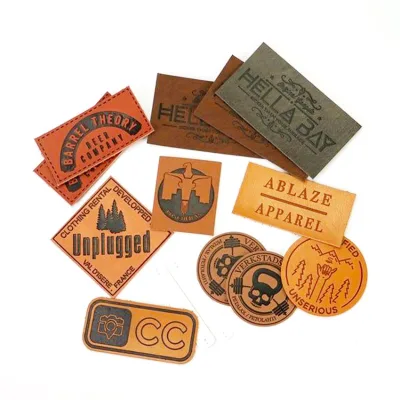


Advanced Heat Painting Eco Friendly Custom Pattern Leather Patch for Jackets
$0.01 - $0.03
MOQ: 1000 Pieces


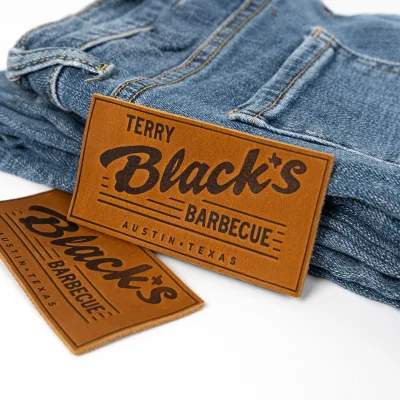
Washable Competitive Price Custom Logo Hot Sales Clothing Leather Patch
$0.01 - $0.03
MOQ: 1000 Pieces




Comprehensive Sourcing Guide
Eco-Friendly Embossed Leather Patch Sourcing Guide
Sourcing eco-friendly embossed leather patches requires a nuanced understanding of material composition, manufacturing processes, and supply chain transparency. These decorative and functional labels serve as critical brand identifiers on garments, footwear, and accessories, offering a premium tactile experience that synthetic alternatives often struggle to replicate. The term "eco-friendly" in this context typically refers to the use of genuine leather sourced from responsible tanneries or high-quality polyurethane (PU) materials designed to reduce environmental impact. Buyers must navigate a market where claims of sustainability are not always backed by verifiable data, making due diligence essential. The visual appeal of embossed patterns, combined with the durability of leather, makes these patches a popular choice for luxury and mid-range brands seeking to enhance product perceived value. However, the complexity lies in verifying that the "eco-friendly" designation is not merely marketing fluff but is supported by actual material properties and ethical sourcing practices.
The procurement process for these items involves balancing aesthetic customization with strict quality control and commercial feasibility. Patches are often customized in shape, size, and logo design, requiring close collaboration with suppliers to ensure the embossing depth and leather grain align with brand standards. The market offers a wide range of options, from simple die-cut shapes to complex, multi-layered designs, each with different cost implications and production timelines. Buyers need to establish clear specifications early in the engagement to avoid costly revisions and delays. Furthermore, the distinction between genuine leather and PU leather is crucial, as it affects both the environmental claim and the final product performance. Understanding these material differences allows buyers to make informed decisions that align with their brand’s sustainability goals and quality expectations, ensuring that the final product meets both regulatory requirements and consumer expectations.
Product Scope and Observed Listing Signals
The current market landscape for embossed leather patches reveals a diverse array of product types, ranging from in-mould labels to hang tags and sew-on patches. Observed listings indicate a strong emphasis on customization, with suppliers offering services to create unique shapes, logos, and patterns tailored to specific brand identities. The material composition varies significantly, with some products explicitly stating the use of genuine leather, while others rely on PU leather or other synthetic materials. This variation is critical for buyers to understand, as it directly impacts the validity of any "eco-friendly" claims. For instance, genuine leather may be considered more sustainable if sourced from tanneries with certified environmental management systems, whereas PU leather’s sustainability depends on its chemical composition and end-of-life recyclability. Buyers should carefully review product descriptions to determine the exact material used and request samples to verify the tactile and visual qualities.
Listing signals also highlight the importance of technical specifications such as size, shape, and characteristic features like waterproofing or washability. Many suppliers offer patches with dimensions up to 12 inches, allowing for large, impactful branding on outerwear or bags. The embossing technique is a key differentiator, with some products featuring intricate patterns that require precise tooling and skilled craftsmanship. Additionally, the availability of custom colors, often matched to Pantone standards, ensures that the patches can seamlessly integrate with a brand’s existing color palette. Buyers should pay attention to these details when evaluating potential suppliers, as they indicate the supplier’s capability to meet specific design requirements. The presence of features like eco-friendliness and washability suggests that suppliers are increasingly aware of consumer demands for durable and sustainable products, but buyers must verify these claims through direct communication and sample testing.
Technical Specifications to Verify
Verifying technical specifications is paramount to ensuring that the embossed leather patches meet the intended application requirements. Key attributes to confirm include the material type, whether it is genuine leather or PU, and the specific tanning or manufacturing process used. For genuine leather, buyers should inquire about the source of the hide and the tanning agents employed, as these factors influence both the environmental impact and the durability of the patch. For PU leather, the thickness, flexibility, and resistance to abrasion and water should be tested. The embossing depth and clarity are also critical, as poorly executed embossing can lead to premature wear and a loss of brand image. Buyers should request detailed technical data sheets from suppliers and conduct physical tests on samples to assess the quality of the embossing and the overall construction of the patch.
Size and shape tolerances are another area requiring careful verification. While many suppliers offer standard sizes, custom shapes often involve additional tooling costs and potential variations in dimensions. Buyers should specify exact dimensions and allow for appropriate tolerances to account for manufacturing variances. The attachment method, whether sew-on, adhesive, or in-mould, must also be confirmed to ensure compatibility with the final product. For example, patches intended for garments must withstand repeated washing and drying cycles without peeling or deforming. Buyers should test samples under conditions that mimic the end-use environment to validate the durability of the attachment method. Additionally, the color fastness of the leather and any printed or embossed elements should be assessed to ensure that the branding remains vibrant and intact over time.
Compliance and Safety Documentation
Compliance with safety and environmental regulations is a non-negotiable aspect of sourcing eco-friendly embossed leather patches. Buyers must ensure that suppliers provide relevant documentation, such as material safety data sheets (MSDS) and certificates of conformity, to verify that the products meet international standards. For genuine leather, this may include certifications from recognized tanning institutes or environmental management systems like ISO 14001. For PU leather, buyers should look for certifications related to the absence of harmful substances, such as REACH compliance in the European Union or Prop 65 compliance in California. These certifications provide assurance that the materials used are safe for consumers and the environment, reducing the risk of regulatory violations and brand damage.
In addition to material safety, buyers should verify the ethical sourcing of raw materials. This involves ensuring that the leather is sourced from tanneries that adhere to strict animal welfare standards and do not contribute to deforestation or other environmental degradation. Suppliers may provide traceability documents or third-party audit reports to support these claims. For PU leather, buyers should inquire about the source of the polyurethane and whether it contains recycled content or is biodegradable. Transparency in the supply chain is essential for building trust with consumers who are increasingly concerned about the environmental and social impact of their purchases. Buyers should include compliance and ethical sourcing requirements in their contracts and conduct regular audits to ensure ongoing adherence to these standards.
Cost Drivers and Commercial Terms
The cost of embossed leather patches is influenced by several factors, including material type, customization complexity, order quantity, and production lead time. Genuine leather patches are generally more expensive than PU leather alternatives due to the higher cost of raw materials and the more labor-intensive manufacturing process. Customization, such as unique shapes, intricate embossing, or special colors, can also increase costs due to the need for custom tooling and additional production steps. Order quantity plays a significant role in pricing, with larger orders typically benefiting from economies of scale. Buyers should negotiate volume discounts and clarify any additional charges for tooling or setup fees to avoid unexpected costs.
Commercial terms, including payment terms, shipping methods, and return policies, are also critical considerations. Buyers should establish clear agreements on payment schedules, such as deposits and balance payments upon completion, to manage cash flow and mitigate risk. Shipping costs can vary significantly depending on the weight and dimensions of the order, as well as the chosen shipping method. Buyers should compare quotes from multiple suppliers to find the most cost-effective shipping solution. Additionally, it is important to have a clear return or replacement policy in place to address any quality issues or defects. By carefully managing these cost drivers and commercial terms, buyers can optimize their procurement strategy and achieve better value for their investment.
Supplier Qualification and Quality Control
Qualifying suppliers for embossed leather patches requires a thorough assessment of their manufacturing capabilities, quality control processes, and track record. Buyers should visit supplier facilities or request virtual tours to evaluate their production lines, equipment, and workforce skills. It is essential to verify that the supplier has the necessary expertise to handle leather materials and execute complex embossing designs. Quality control processes should be robust, with clear procedures for inspecting raw materials, monitoring production stages, and conducting final inspections. Buyers should request quality control reports and audit the supplier’s quality management system to ensure consistency and reliability.
Sample approval is a critical step in the qualification process. Buyers should request samples of the proposed patches and evaluate them against their specifications for material quality, embossing clarity, color accuracy, and durability. Any discrepancies should be addressed before proceeding with bulk production. It is also advisable to conduct pilot runs to test the supplier’s ability to maintain quality at scale. Building a strong relationship with the supplier through regular communication and feedback can help ensure that any issues are resolved promptly. By investing time in supplier qualification and quality control, buyers can minimize the risk of receiving substandard products and protect their brand reputation.
Long-Term Procurement Checks
Long-term procurement of embossed leather patches requires ongoing monitoring and evaluation to ensure sustained quality and compliance. Buyers should establish key performance indicators (KPIs) to track supplier performance, including on-time delivery rates, defect rates, and responsiveness to issues. Regular reviews of these metrics can help identify areas for improvement and facilitate constructive dialogue with suppliers. It is also important to stay updated on changes in regulations and market trends that may impact the sourcing of eco-friendly materials. Buyers should proactively engage with suppliers to discuss potential innovations in materials and processes that could enhance sustainability and reduce costs.
Continuous improvement should be a shared goal between the buyer and the supplier. Collaborative efforts to optimize designs, streamline production, and reduce waste can lead to mutual benefits. Buyers should encourage suppliers to invest in training and technology to enhance their capabilities. Additionally, maintaining a diversified supplier base can mitigate risks associated with single-source dependencies. By fostering a partnership-oriented approach and committing to long-term checks, buyers can build a resilient and sustainable supply chain for their embossed leather patches. This strategic focus ensures that the brand continues to deliver high-quality, eco-friendly products that meet evolving consumer expectations.
FAQs
What customization options are available for these patches?
Customization is available for logos, colors, and shapes. Buyers can request Pantone colors, die-cut shapes, and specific logo designs as per their requests. The product supports various customization needs for garments, shoes, and bags.
How long does it take to produce a custom order?
Production time ranges from 15 to 25 days for standard orders. Sample preparation takes 5 to 7 days before mass production begins. This timeline applies to the eco-friendly embossed leather patch items listed.
What is the minimum order quantity for these leather patches?
The minimum order quantity varies between 100 and 1000 pieces depending on the specific model. Some items require 500 pieces while others start at 100 or 1000 pieces. Buyers should check the specific model number for exact MOQ.
Can I get a free sample of the leather patch?
Free samples are available for some models, while others cost around 50 USD. The sample time is typically 5 to 7 days. Buyers should verify the sample cost for the specific product model they intend to order.
Which certifications do these leather patches meet?
The products meet SGS standards for quality and safety. They are also described as eco-friendly and washable. These attributes ensure the patches are suitable for use on garments, shoes, and bags without compromising durability.
Where are these leather patches manufactured?
Manufacturing locations include Dongguan, Guangdong, and Guangzhou in China. These regions are known for producing high-quality leather goods. Buyers can expect consistent quality from these established manufacturing hubs.
What are the standard packaging details for these items?
Packaging typically involves 100 pieces per poly bag and 4000 pieces per carton. Some models use carton or box packaging. This ensures safe transport and easy inventory management for bulk orders.