Source Turkish Style Ceramic Coffee Cup for Gifts and Events
Explore 30 listings for the Turkish Style Ceramic Coffee Cup suitable for daily use, weddings, and promotional events. Buyers can compare customized sizes, eco-friendly features, and OEM options from suppliers in Guangdong and Foshan; compare the available evidence and request quotations based on your requirements.
Key considerations
Products List


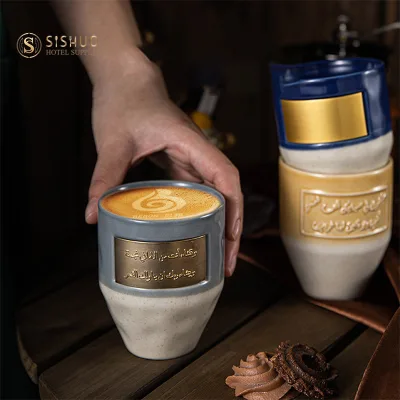
Ceramic Cup Tea Cup Middle East Coffee Cup
$2.00 - $4.00
MOQ: 1000 Pieces
Chaozhou City Cha'an District Fengtang Town Sai Si Ceramics Factory


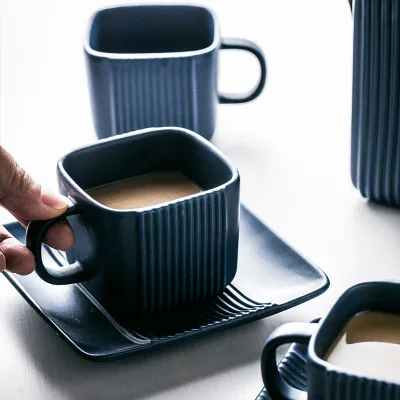
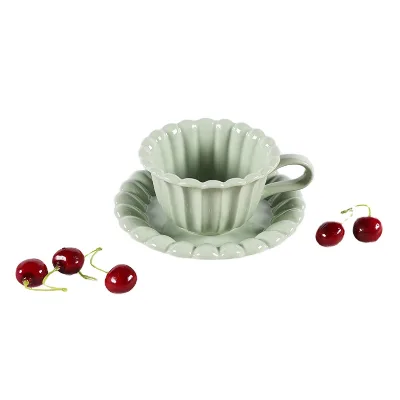
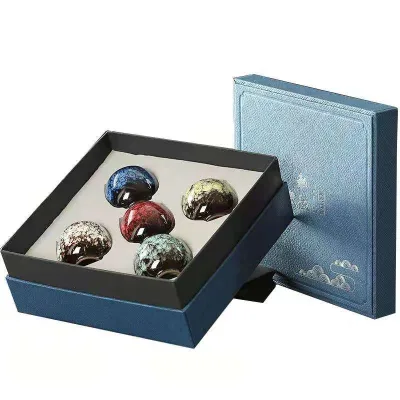
Ceramic Coffee Cups in Various Colors
$2.00 - $4.00
MOQ: 1000 Pieces
Chaozhou City Cha'an District Fengtang Town Sai Si Ceramics Factory






Comprehensive Sourcing Guide
Turkish Style Ceramic Coffee Cup Sourcing Guide
Sourcing ceramic coffee cups with a Turkish aesthetic requires balancing traditional design elements with modern manufacturing capabilities. The observed market data indicates a strong presence of suppliers in Guangdong and Foshan, China, offering products that range from standard coffee mugs to specialized cups and saucers. Buyers should note that while the core keyword suggests a specific cultural style, the actual listings often feature "Modern" or "Asian Zen" design styles alongside "Creative" shapes, suggesting a fusion of traditional motifs with contemporary production techniques.
Procurement decisions must account for the variability in product attributes, as the observed inventory includes items labeled as "Handmade Pottery Coffee Mugs" alongside mass-produced "Coffee Tea Cups." The availability of "Customized Size" and "Customized Logo" options allows buyers to adapt these vessels for specific branding or functional needs. However, the distinction between "Single Item" selling units and bulk "Carton" packing for orders exceeding 100 pieces necessitates clear communication regarding packaging requirements to ensure the final delivery matches the intended presentation for gifts or retail.
Product Scope and Observed Listing Signals
The product scope for this category encompasses a diverse range of ceramic drinkware, including "Coffee Mugs," "Mugs," and "Cups & Saucers," all generally classified as "Food Grade" materials suitable for daily use. Listings frequently highlight features such as "Eco-Friendly" properties and "Color Changing" capabilities, which serve as key differentiators in a crowded marketplace. Buyers must verify that the specific "Design Style" aligns with their brand identity, as the observed data shows a mix of "Modern," "Creative," and "Asian Zen" aesthetics rather than a uniform traditional Turkish profile.
Commercial signals indicate that suppliers are highly flexible regarding customization, with "OEM Welcomed" and "Customized Logo" services being standard offerings. The "Usage" tags reveal that these items are marketed for a wide array of occasions, including "Presents," "Party," "Wedding," "Birthday," and "Back to School," as well as commercial settings like "Restaurant/Hotel/Cafe." This versatility suggests that the product line is not limited to a single niche but is designed to serve both B2B promotional needs and B2C gift markets, requiring buyers to carefully select models that match their specific target audience.
Technical Specifications to Verify
Technical verification must begin with the physical dimensions and weight, as the observed data shows significant variance in "Single Package Size" ranging from 15x15x20 cm to 20x15x15 cm, and "Single Gross Weight" varying from 0.350 kg to 21.000 kg. These discrepancies likely reflect differences between individual unit samples and bulk palletized shipments, or variations in the specific model numbers such as RN023, B25C, and XC005. Buyers should explicitly confirm the exact dimensions and weight of the finished product to ensure compatibility with their logistics and shelving requirements.
Material composition and functional attributes are equally critical, with listings specifying "Food Grade" quality and "Non-Disposable" durability. The "Shape" is predominantly "Round," but the "Design Style" varies, and some items include "Color Changing" features that require specific glazing techniques. It is essential to verify the "Drinkware Type" classification, as some products are listed as "Coffee Tea Cup" while others are simply "Cups," which may imply differences in handle design, rim thickness, or thermal retention properties that affect the user experience.
Compliance and Safety Documentation
Ensuring compliance with food safety standards is paramount when sourcing ceramic drinkware, particularly given the "Food Grade" designation observed in the listings. While specific certification names are not provided in the source data, buyers must request documentation proving that the glazes and materials meet the safety regulations of their target market, such as FDA or EU standards for lead and cadmium leaching. The "Eco-Friendly" claims found in several listings should be substantiated with third-party test reports to validate environmental assertions and ensure they are not merely marketing terms.
Documentation regarding the manufacturing process and origin is also necessary to verify the authenticity of the "Handmade Pottery" claims and the "Asian Zen" or "Modern" design origins. Buyers should confirm that the "prod_origin" locations, specifically Guangdong and Foshan, adhere to local environmental and labor regulations. Additionally, since the products are intended for "Daily Use" and "Promotion," verifying that the "Disposable" status is correctly marked as "Non-Disposable" ensures the product meets durability expectations and does not pose a risk of premature failure or material degradation during use.
Cost Drivers and Commercial Terms
Cost structures in this category are heavily influenced by the level of customization and the order volume, with observed MOQs ranging from 1 to 2000 units. The availability of "Customized Size" and "Customized Logo" services typically incurs additional tooling or setup fees, which can significantly impact the unit price compared to standard stock items. Buyers should anticipate that the price range of 0.25 to 14.31 USD reflects this variability, with lower prices likely corresponding to basic, non-customized models and higher prices associated with complex designs or small-batch custom orders.
Commercial terms require careful negotiation, as the observed data indicates "T/T" as the primary payment method and "Sample Order" availability for quality verification. The "Service" level, promising "Online Service Within 24 Hours," suggests a responsive supply chain, but buyers must clarify lead times for custom production versus standard stock. Furthermore, the distinction between "Single Item" selling units and bulk "Carton" packing for orders over 100 pieces affects the final landed cost, necessitating a clear understanding of packaging fees and shipping logistics to avoid unexpected expenses.
Supplier Qualification and Quality Control
Supplier qualification should focus on verifying their capacity for "OEM" and "Customized" production, as the observed listings show a high degree of flexibility in design and branding. Buyers must assess whether the supplier can consistently deliver on "Customized Logo" and "Customized Size" requests without compromising the structural integrity of the "Food Grade" ceramic. The presence of multiple model numbers like RN023 and RNG002 suggests a diverse catalog, but buyers should request samples to ensure the "Design Style" and "Feature" claims, such as "Color Changing," are accurately represented in the final product.
Quality control protocols must address the variability in "Single Gross Weight" and "Single Package Size" observed across different listings. Implementing a rigorous inspection process is essential to ensure that the "Shape" and "Finish" meet the agreed-upon specifications, particularly for items marketed as "Handmade Pottery." Buyers should establish clear acceptance criteria for defects, such as glaze imperfections or uneven weights, and verify that the supplier's "Online Service" capability includes effective communication channels for resolving quality issues promptly before shipment.
Long-Term Procurement Checks
Long-term procurement success depends on maintaining consistent quality and supply chain reliability, especially when dealing with "Customized" items that may require specific tooling or molds. Buyers should establish a framework for periodic re-verification of the "Food Grade" status and "Eco-Friendly" claims to ensure ongoing compliance with evolving market regulations. Regular audits of the supplier's production lines in Guangdong or Foshan can help identify potential bottlenecks or quality drifts that might affect the "Modern" or "Asian Zen" design consistency over time.
Strategic planning should also account for the diverse "Usage" scenarios, ranging from "Wedding" gifts to "Restaurant/Hotel/Cafe" operations, which may require different product variants. Buyers must monitor the "Quantity" thresholds, noting that some listings specify orders greater than 10 or 100 pieces, to optimize inventory levels and minimize storage costs. Finally, maintaining a strong relationship with the supplier to leverage their "Sample Order" policy for new designs will ensure that the product line remains fresh and competitive in the evolving ceramic drinkware market.
FAQs
What is the typical MOQ for custom ceramic coffee cups?
The minimum order quantity for these ceramic coffee cups ranges from 1 to 2000 units. This wide range allows buyers to start with small sample orders or place large bulk purchases. Specific MOQs depend on the customization level and supplier capacity.
Can I request custom logos on these ceramic coffee cups?
Yes, customized logos are available for these ceramic coffee cups. Suppliers support OEM services, allowing you to apply your brand identity to the product. This feature is suitable for promotional gifts, corporate branding, or retail packaging needs.
What is the standard packaging size for these ceramic cups?
The single package size is typically 20x15x15 cm or 15x15x20 cm. The gross weight per unit is approximately 0.350 kg. Packaging is usually in cartons, which helps protect the ceramic items during international shipping and storage.
Are these ceramic coffee cups food grade certified?
Yes, the ceramic material is specified as food grade. This ensures the cups are safe for daily use with beverages. The material is non-disposable and designed for repeated use in restaurants, hotels, or homes.
What payment methods are accepted for these ceramic cups?
The primary payment method listed is T/T, which stands for telegraphic transfer. This is a common international bank transfer method for B2B transactions. Buyers should confirm specific banking details and terms directly with the supplier before placing an order.
What occasions are these ceramic coffee cups suitable for?
These cups are suitable for daily use, parties, weddings, and as gifts. They are also used in restaurants, hotels, and cafes. The modern and creative design styles make them versatile for both commercial hospitality settings and personal gifting.
Can I order samples before placing a bulk order?
Yes, sample orders are welcome. This allows you to verify the quality, size, and customization options before committing to a larger purchase. Requesting a sample is a standard practice to ensure the product meets your specific requirements.