Source eco-friendly guipure african lace fabric for Wedding, Uniform, and Accessories
Find 30 listings for eco-friendly guipure african lace fabric suitable for wedding dresses, uniforms, and fashion accessories. Compare mesh and polyester options with embroidered details, custom logos, and wholesale pricing to identify the best suppliers for your next project.
Key considerations
Products List
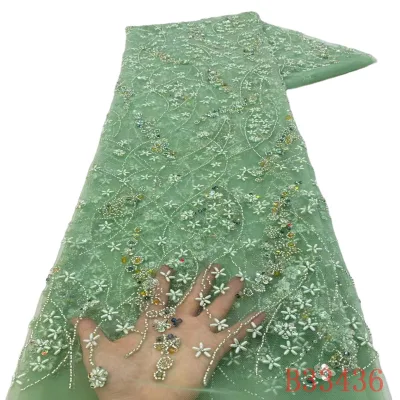
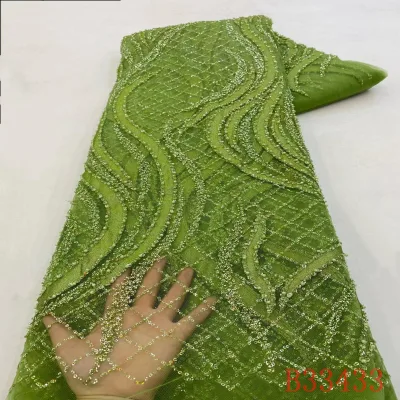
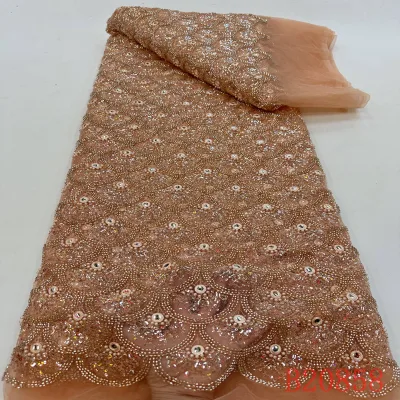
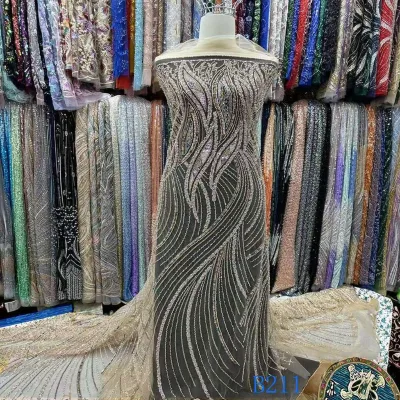
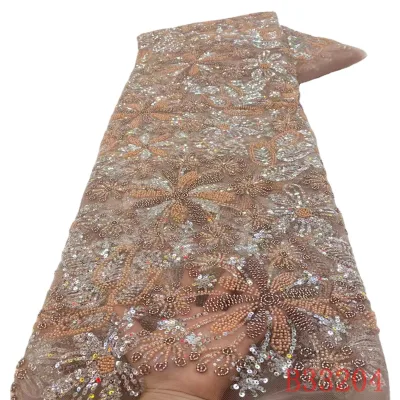
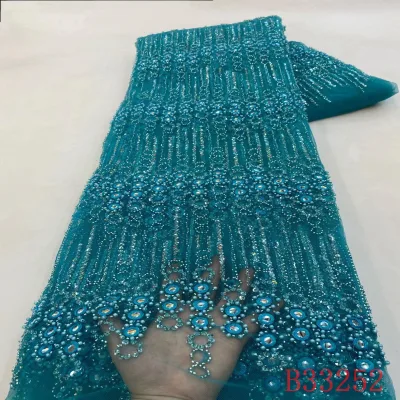


New Style Bridal Glitter Embroidery Lace Fabric Wedding Dress African Lace
$6.00 - $8.00
MOQ: 300 Yards


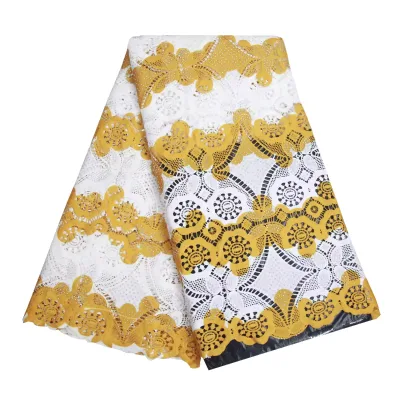
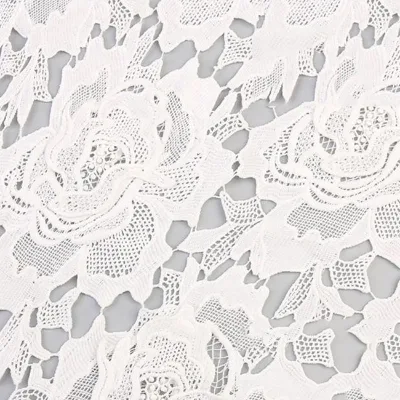


Comprehensive Sourcing Guide
Eco-Friendly Guipure African Lace Fabric Sourcing Guide
Sourcing high-quality lace fabric for apparel and decorative applications requires a disciplined approach to material verification and supplier alignment. The intersection of aesthetic complexity and functional durability defines the value proposition in this category, particularly when buyers seek materials that balance traditional craftsmanship with modern sustainability expectations. This guide provides a structured framework for evaluating listings, verifying technical attributes, and establishing commercial terms that protect procurement interests. By focusing on observable data points and standard industry practices, buyers can navigate the complexities of global textile trade with greater confidence and precision.
The following sections outline the critical steps for identifying suitable suppliers, validating product specifications, and managing risk throughout the procurement lifecycle. Each section is designed to address specific decision points, from initial product screening to long-term supplier relationship management. The guidance relies on established industry knowledge and observable listing signals to provide actionable advice without making unsupported claims about specific vendors or unverified performance metrics.
Product Scope and Observed Listing Signals
Buyers should begin by analyzing the core material composition and construction techniques listed in product descriptions. Polyester-based lace fabrics are prevalent in the market, often marketed with specific designations such as "beaded lace" or "knitted lace" to highlight decorative elements. The presence of embroidery or intricate weaving patterns, such as guipure styles, indicates a higher level of craftsmanship and typically correlates with a more complex production process. It is essential to distinguish between standard mesh fabrics and those with added embellishments, as the latter often require specialized handling during both manufacturing and final garment assembly.
Listing signals also reveal important details about customization capabilities and sample availability. Many suppliers indicate support for seven-day sample orders, which serves as a critical verification step before committing to bulk production. Attributes such as "OEM acceptable" and "customized logo" suggest flexibility in branding and design adaptation. However, buyers must verify these claims through direct communication, as listing tags do not always reflect the actual operational capacity of the supplier. The presence of multiple model numbers and color codes in a single listing often indicates a broad inventory, but it may also signal a lack of specialization in specific niche markets.
Technical Specifications to Verify
Width and weight are fundamental physical attributes that directly impact fabric consumption and garment drape. Standard widths for lace fabrics often range between 130cm and 150cm, but variations exist depending on the specific weave and manufacturer. Buyers should confirm the exact width for each order, as discrepancies can lead to significant material waste or fitting issues in pattern cutting. Similarly, single package weights, which may vary from 0.5kg to 0.9kg depending on the roll size and density, provide insight into the packaging efficiency and shipping costs associated with the order.
Model numbers and technical classifications serve as unique identifiers for specific fabric variants. Listings often include multiple model numbers, such as B33436 or B20858, to differentiate between styles, colors, or production batches. It is crucial to match the model number with the desired aesthetic and functional properties, such as vintage style, luxury finish, or specific color palettes like beige or light blue. Buyers should request detailed technical sheets that confirm the fabric type, whether it is knitted, embroidered, or made from other techniques, to ensure alignment with design requirements.
Compliance and Safety Documentation
Environmental claims, such as "eco-friendly," require careful verification through documented certifications rather than marketing language alone. Buyers should request evidence of sustainable sourcing practices, such as recycled polyester content or environmentally responsible dyeing processes. The absence of specific certification details in a listing does not necessarily indicate non-compliance, but it does necessitate further inquiry. Understanding the specific environmental standards relevant to the target market is essential, as regulations vary significantly across different regions and industries.
Safety and chemical compliance are equally critical, particularly for fabrics intended for direct skin contact or children's apparel. Buyers must ensure that the supplier adheres to relevant chemical restrictions, such as limits on azo dyes, formaldehyde, and heavy metals. While specific test results are not always provided in initial listings, reputable suppliers should be able to produce test reports from accredited laboratories upon request. Verifying compliance with international standards helps mitigate legal risks and ensures that the final products meet consumer safety expectations.
Cost Drivers and Commercial Terms
Pricing in the lace fabric market is influenced by material complexity, order volume, and customization requirements. Observed price ranges can vary widely, reflecting differences in quality, design intricacy, and supplier overhead. Buyers should anticipate that fabrics with extensive beading, embroidery, or specialized finishes will command higher prices due to the increased labor and material costs involved. Understanding the cost structure helps in budgeting accurately and negotiating effectively with suppliers.
Minimum order quantities (MOQs) and payment terms are key commercial factors that affect cash flow and inventory management. MOQs can range from small quantities suitable for sampling to large volumes required for mass production. Suppliers may offer flexible terms for sample orders, such as support for seven-day lead times, but bulk orders often come with stricter requirements. Payment methods, including PayPal, Western Union, and Telegraphic Transfer (TT), vary by supplier, and buyers should choose secure and traceable options to protect their financial interests.
Supplier Qualification and Quality Control
Supplier qualification involves assessing the manufacturer's production capabilities, quality control processes, and track record. Buyers should prioritize suppliers who demonstrate transparency in their operations, including clear communication about production lead times and quality assurance measures. The ability to provide customized solutions, such as specific color matching or logo application, indicates a higher level of service and flexibility. However, buyers must verify these capabilities through direct engagement and, if possible, site visits or third-party audits.
Quality control is paramount in lace fabric procurement, as defects in weaving, dyeing, or embellishment can be difficult to detect until the fabric is cut and sewn. Buyers should establish clear quality standards and inspection criteria before placing orders. This includes defining acceptable tolerances for color variation, stitch density, and fabric integrity. Implementing a robust quality control process, such as pre-shipment inspections or third-party verification, helps ensure that the delivered goods meet the specified requirements and reduces the risk of costly returns or production delays.
Long-Term Procurement Checks
Building a sustainable supply chain requires ongoing monitoring and relationship management. Buyers should regularly review supplier performance metrics, including on-time delivery rates, product quality consistency, and responsiveness to issues. Establishing a long-term partnership with a reliable supplier can lead to better pricing, priority production slots, and improved collaboration on new designs. However, it is also prudent to maintain a diversified supplier base to mitigate risks associated with supply chain disruptions or sudden changes in supplier capacity.
Continuous improvement and adaptation are essential in the dynamic textile market. Buyers should stay informed about emerging trends in materials, technologies, and sustainability practices. Engaging with suppliers on innovation initiatives, such as the development of new eco-friendly fabrics or advanced finishing techniques, can provide a competitive advantage. By fostering a collaborative and transparent relationship, buyers can ensure that their procurement strategy remains aligned with evolving market demands and corporate social responsibility goals.
FAQs
What is the material composition of this lace fabric?
The lace fabric is made of 100% polyester, ensuring durability and a soft texture for various applications. This material choice supports the eco-friendly attributes while maintaining the intricate embroidered design required for dress and fashion uses.
Can I order a sample before placing a bulk order?
Yes, sample orders are available with a lead time of 7 days for quick evaluation. This support allows buyers to verify the quality and specifications of the beaded lace fabric before committing to larger wholesale quantities.
What is the minimum order quantity for this product?
The minimum order quantity starts at 5 yards, making it accessible for small batch purchases. This low entry point facilitates testing the product for various uses like wedding dresses, underwear, or fashion accessories without excessive inventory risk.
Which payment methods are accepted for transactions?
Multiple payment options including PayPal, Western Union, Money Gram, TT, and Alipay are accepted for secure transactions. These flexible methods ensure that buyers from different regions can complete their purchases efficiently and safely.
How wide is the lace fabric available for purchase?
The fabric width ranges from 130cm to 150cm, providing ample material for large garment projects. This specification ensures compatibility with standard cutting and sewing processes for uniform, wedding, and fashion applications.
Is customization available for the lace fabric design?
Customization is available, including options for customized logos and specific color selections from the provided palette. Buyers can request tailored solutions to meet unique design requirements while maintaining the high-grade quality of the knitted lace.