Source Eco-Friendly Hand Toilet Brush for Home, Hotel, and Office
Compare 30 Eco-Friendly Hand Toilet Brush listings from China with varying materials like stainless steel and PP. Buyers can review specifications, packaging, and delivery times for cleaning needs in homes, hotels, and offices.
Key considerations
Products List


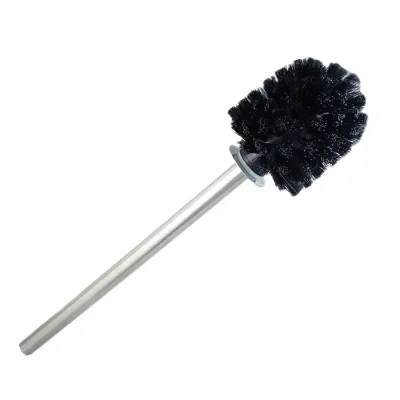
Long-Handled Plastic Eco-Friendly Toilet Cleaning Brush with Great Price
$1.47 - $2.06
MOQ: 500 Pieces




Comprehensive Sourcing Guide
Strategic Sourcing Guide for Eco-Friendly Hand Toilet Brushes
Understanding Product Definitions and Core Specifications
When sourcing an eco-friendly hand toilet brush, buyers must first establish a precise understanding of the product's physical and functional attributes. The core keyword implies a cleaning tool designed for manual operation in bathroom environments, specifically targeting hygiene maintenance around the toilet bowl. Based on available market data, these products are frequently categorized as cleaning brushes with a distinct "hand" style, indicating they are operated manually rather than being automated or electric units. The construction typically involves a combination of materials selected for durability and environmental considerations.
The handle material is a critical differentiator in this category. High-quality options often utilize stainless steel or metal components to ensure structural integrity and resistance to corrosion in wet environments. In contrast, the brush head is frequently manufactured from plastic, specifically Polypropylene (PP), which offers a balance of flexibility and cleaning efficacy. The product design often emphasizes a "multicolor" aesthetic, allowing for customization to match various bathroom decors. A notable specification observed in the market involves the inclusion of replacement refills, with standards such as "One Brush with 10pcs Refill Replacement" appearing in certain product lines. This bundling strategy can significantly impact the total cost of ownership for the buyer.
The physical dimensions of the product are essential for logistics planning. Single package sizes vary, with observations ranging from compact dimensions like 47x5.5x3 cm to larger configurations such as 9x9x64 cm. These variations directly influence the number of units that can be packed into a standard carton. For instance, specific models may pack 160 pieces per carton, while others might accommodate 200 pieces. The single gross weight is another vital metric, with observed values ranging from approximately 79 grams to 128 grams per unit. Understanding these specifications is the first step in calculating accurate shipping costs and storage requirements.
Technical Specifications and Packaging Standards
Technical specifications extend beyond the product itself to include packaging and logistical data, which are crucial for supply chain efficiency. The standard packing method for these items is typically a carton box, often referred to as a "Carton" or "Carton Box" in supplier documentation. The carton dimensions are not uniform and must be verified for each specific model. For example, one configuration lists a carton size of 68x54x61.5 cm, while another specifies 78x50x64.5 cm, and a third indicates 82x42x53.5 cm. These dimensions determine the cubic meter (CBM) volume, which is a primary driver of ocean freight costs.
The quantity per carton is a key variable that affects the unit cost and inventory management. Data indicates that a standard carton may contain 160 pieces, organized as 40 pieces per inner box with four inner boxes per master carton. Other models may feature a density of 200 pieces per carton. The total gross weight of a full carton also varies, with observations ranging from 20.3 kg to higher values depending on the specific model and packaging density. Buyers must carefully review the "Single Package Size" and "Carton Size" to ensure compatibility with their warehouse racking systems and container loading plans.
Furthermore, the product origin plays a significant role in the supply chain. The majority of these products are manufactured in China, with specific production hubs identified in the Henan province. This geographic concentration can influence lead times and the availability of raw materials. The delivery time for these goods typically ranges from 7 to 20 days, depending on the order volume and the specific production schedule of the supplier. Buyers should note that while these are observed ranges, actual lead times may fluctuate based on seasonal demand or raw material availability.
Compliance, Certification, and Environmental Claims
The "eco-friendly" designation in the product title requires rigorous verification, as this term is often used broadly in marketing without standardized definitions. While the product attributes list "Eco-Friendly" as a feature, buyers must distinguish between marketing claims and verified compliance. In the context of international trade, specific certifications such as CE or BSCI are sometimes associated with these products, though their status should be treated as background information rather than a guaranteed attribute for every listing.
Buyers should not assume that a product labeled "eco-friendly" automatically meets specific environmental standards without documentation. The verification process should involve requesting test reports or certificates that validate the environmental claims. For instance, if a supplier claims the plastic components are recyclable or made from recycled materials, a Material Safety Data Sheet (MSDS) or a third-party recycling certification should be requested. Similarly, if the product is intended for export to the European Union, compliance with CE marking requirements for general product safety must be confirmed, even if the specific certification is not explicitly listed in the initial product description.
The "Customized" attribute suggests that suppliers are open to OEM (Original Equipment Manufacturer) and ODM (Original Design Manufacturer) requests. This flexibility allows buyers to tailor the product to meet specific regional compliance needs. For example, a buyer targeting a market with strict chemical regulations might request a specific type of plastic or a different handle material that aligns with local laws. The ability to customize the product color, packaging, and even the handle material (e.g., switching from standard metal to a specific grade of stainless steel) is a significant advantage for buyers seeking to align their procurement with corporate sustainability goals.
Cost Drivers and Pricing Dynamics
The pricing of eco-friendly hand toilet brushes is influenced by a complex interplay of factors, including material costs, customization levels, and order volume. The observed price range in the market spans from $0.15 to $11 per unit. This wide disparity indicates that the base price is highly sensitive to the specific model, material quality, and the inclusion of accessories like refill packs. A unit priced at the lower end of the spectrum likely represents a basic configuration with standard materials and minimal customization, while a unit at the higher end may include premium stainless steel handles, eco-certified plastics, or bundled refill sets.
The Minimum Order Quantity (MOQ) is another critical cost driver. The observed MOQ range is between 40 and 6,000 units. Orders placed at the lower end of this range, such as 40 units, may incur a higher per-unit cost due to the fixed costs of production setup and packaging. Conversely, orders approaching the upper limit of 6,000 units can leverage economies of scale to reduce the unit price significantly. Buyers must balance their inventory needs with their cash flow constraints to determine the optimal order quantity.
Additionally, the packaging configuration affects the final landed cost. A product that ships in a compact carton with a high density of units (e.g., 200 pcs/ctn) will have lower shipping costs per unit compared to a product with a lower density (e.g., 160 pcs/ctn) or larger individual packaging dimensions. The "Single Gross Weight" and "Carton G.W" are essential for calculating freight charges, which can sometimes exceed the cost of the goods themselves for lightweight items. Buyers should request a detailed breakdown of costs, including the unit price, packaging fees, and estimated freight, to make an informed decision.
Supplier Evaluation and Quality Control Protocols
Evaluating suppliers for eco-friendly hand toilet brushes requires a multi-faceted approach that goes beyond price comparison. The "Customization" and "OEM/ODM" attributes suggest that many suppliers are capable of adapting their production lines to meet specific buyer requirements. However, this flexibility must be balanced with the supplier's ability to maintain consistent quality. Buyers should verify the supplier's production capacity and their history of fulfilling similar orders. The "Delivery Time" of 7-20 days is a standard expectation, but buyers should confirm if this timeline is consistent or if it varies based on order size.
Quality control is paramount, especially for products that come into direct contact with bathroom surfaces. The "Stainless Steel" handle and "Plastic" head must be inspected for defects such as sharp edges, loose fittings, or discoloration. The "Standard Packing" of carton boxes should be robust enough to protect the products during transit, preventing damage to the brush heads or handles. Buyers should implement a pre-shipment inspection protocol that checks for visual defects, dimensional accuracy, and packaging integrity.
The "Brand Name" associated with the product, such as "Jiayi," can be an indicator of the supplier's identity, but buyers should not rely solely on brand recognition. Instead, they should conduct due diligence on the manufacturing facility. This includes verifying the location, which is often in Henan, China, and ensuring that the facility adheres to labor and safety standards. While certifications like BSCI are mentioned in background data, buyers should request current audit reports to confirm compliance. The ability to customize the product also implies a need for clear communication channels to ensure that the final product matches the agreed-upon specifications.
Long-Term Procurement and Application Considerations
The application of eco-friendly hand toilet brushes is primarily residential and commercial cleaning, where durability and ease of use are critical. The "Hand" style and "Toilet" usage indicate a specific niche that requires products capable of withstanding frequent wetting and exposure to cleaning chemicals. The "Durable" attribute suggests that these products are designed for long-term use, but the actual lifespan depends on the quality of the materials used. The "PP" material for the brush head offers a balance of stiffness and flexibility, which is essential for effective cleaning without damaging the toilet surface.
For long-term procurement, buyers should consider the lifecycle of the product. The inclusion of "Refill Replacement" options, such as the "10pcs Refill Replacement" standard, indicates a recurring revenue opportunity for suppliers and a cost-saving opportunity for buyers who can purchase refills separately. This modular approach allows buyers to replace only the worn-out brush head while retaining the durable handle, reducing waste and aligning with sustainability goals.
The "Multicolor" feature allows for branding opportunities, where buyers can request specific colors to match their corporate identity or retail packaging. This customization can enhance the product's marketability and differentiate it from generic competitors. However, buyers must ensure that the color customization does not compromise the material's integrity or the product's eco-friendly claims.
In conclusion, sourcing eco-friendly hand toilet brushes requires a detailed understanding of the product's technical specifications, compliance requirements, and cost dynamics. By carefully evaluating suppliers, verifying quality control measures, and considering long-term procurement strategies, buyers can secure a supply chain that meets their operational needs while adhering to sustainability principles. The observed data provides a solid foundation for making informed decisions, but continuous verification and communication with suppliers remain essential for success in this competitive market.
FAQs
What is the typical lead time for Eco-Friendly Hand Toilet Brush orders?
The delivery time typically ranges from 7 to 20 days depending on order volume. This timeline applies to standard production schedules and may fluctuate based on seasonal demand or raw material availability at the Henan, China facility.
Which customization options are available for these cleaning brushes?
Customization is available including OEM and ODM services for colors and packaging. Buyers can request specific multicolor designs or tailored carton packing configurations to match their brand requirements while maintaining the standard durable construction.
What are the standard packaging dimensions for a full carton?
Carton sizes vary by model, with common dimensions including 68x54x61.5 cm or 78x50x64.5 cm. These packages typically contain 160 pieces per carton or 200 pieces per carton, organized in inner boxes for efficient shipping.
How much does a single unit of this toilet brush weigh?
A single unit weighs between 79 grams and 128 grams depending on the specific model. This weight includes the stainless steel handle and plastic head, which are essential for the durable hand cleaning brush construction.
Can I find eco friendly hand toilet brushes with refill replacements?
Yes, some product standards include one brush with 10 pieces of refill replacements. This bundling strategy is available for specific models and helps reduce waste by allowing users to replace only the worn brush head.
What is the minimum order quantity for these cleaning products?
The minimum order quantity ranges from 40 to 6000 units based on the supplier and model. Lower MOQs like 40 units are available but may result in higher per-unit costs compared to larger bulk orders.