Source Eco-Friendly Handmade Bamboo Cake Plate for Home, Gifts, Decor
Find 30 verified listings for the Eco-Friendly Handmade Bamboo Cake Plate suitable for home use, souvenirs, and decoration. Compare specifications like size, finish, and customization options from suppliers in Fujian and Jiangxi to find the right tableware for your needs.
Key considerations
Products List

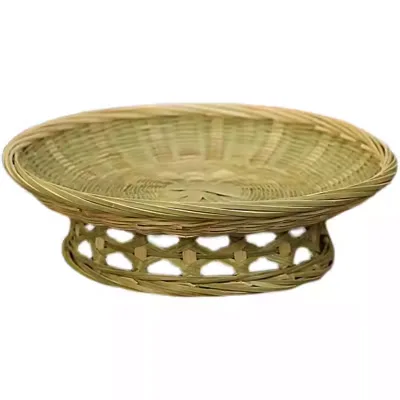
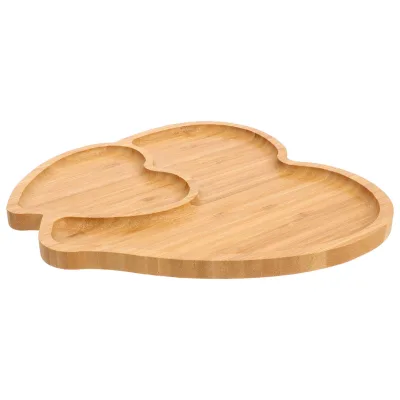
Bamboo Multi Layer Snack Food Cake Plate
$3.90 - $6.90
MOQ: 100 Pieces
Nanping Jianyang Heng Xinwang Bamboo and Wooden Products Co., Ltd.


Reusable Bamboo Plate Eco-Friendly Reusable Bamboo Plate, Snack Cake Serving Bamboo Plate
$1.00 - $10.00
MOQ: 300 Pieces




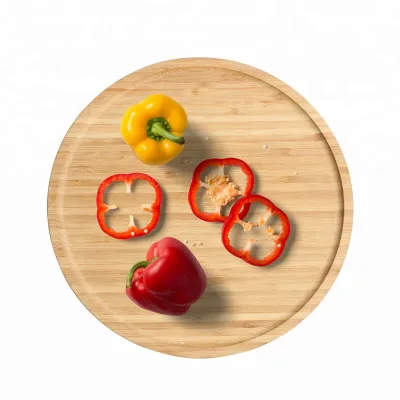
$3.29 - $5.48
MOQ: 1000 Pieces


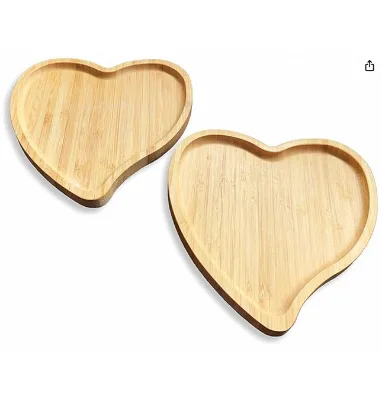
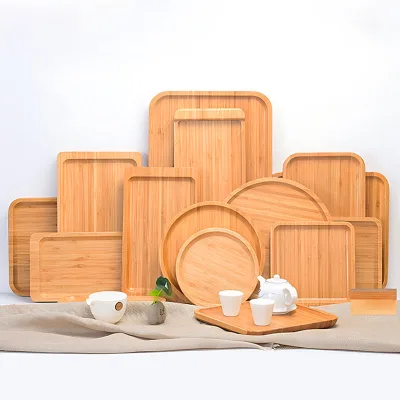




Comprehensive Sourcing Guide
Strategic Sourcing Guide for Eco-Friendly Handmade Bamboo Cake Plates
Sourcing eco-friendly handmade bamboo cake plates requires a nuanced understanding of material properties, manufacturing processes, and supply chain transparency. The market for sustainable tableware has expanded significantly, driven by consumer demand for biodegradable alternatives to plastic and single-use materials. For procurement professionals, the challenge lies in distinguishing between generic bamboo products and those that meet specific aesthetic, functional, and compliance standards. This guide synthesizes observed market data and technical attributes to provide a framework for evaluating suppliers and products in this category.
Technical Specifications and Material Composition
The foundation of a high-quality bamboo cake plate lies in the specific species of bamboo used and the processing techniques applied. In the current market, the predominant material observed is Phyllostachys Aurea, a species valued for its structural integrity and natural aesthetic. This bamboo type is often processed into tableware that is explicitly non-disposable, indicating a durability that supports repeated use in household or commercial settings. The material composition typically combines bamboo with wood elements, particularly in the handle construction for serving trays or specific plate designs, ensuring a cohesive natural look.
Dimensions and standardization vary significantly across suppliers, which is a critical factor for buyers planning inventory or packaging logistics. Observed product standards include specific dimensional configurations such as 12x12x13 inches, 27/30/35 cm, and 28x28x2 cm. These variations suggest that buyers must verify the exact footprint required for their specific application, whether it is for a standard home dining setting or a specialized event. Some suppliers offer models with dimensions like 38x25x5m, though these figures often represent customizable bulk specifications rather than standard retail units.
The manufacturing process plays a pivotal role in the final product's finish and functionality. Laser processing is a common technique used to create intricate designs or precise cuts, allowing for the "handmade" aesthetic that is highly valued in this sector. Surface treatments vary from natural finishes to more complex coatings. Buyers should look for products described as having a "Matt Transparent Coated" finish, which provides a protective layer while maintaining the natural grain of the bamboo. Additionally, printed surface treatments are available, offering opportunities for branding or decorative customization. The shape of the plates also varies, with oval designs being a notable option that distinguishes them from standard circular serving ware.
Compliance, Certification, and Regulatory Standards
Navigating the regulatory landscape is essential for importing bamboo tableware, particularly when targeting markets in North America and the European Union. Compliance is not merely a formality but a prerequisite for market access. The most frequently observed certifications in the supply chain include FDA approval and CE/EU compliance. FDA certification is critical for products intended for food contact, ensuring that the materials and finishes do not leach harmful substances. Similarly, CE/EU certification indicates adherence to European safety and quality standards, which is often required for selling within the European Economic Area.
Beyond the primary certifications, some suppliers may also provide CIQ (China Inspection and Quarantine) documentation, which is vital for customs clearance in China and export verification. While FSC (Forest Stewardship Council) certification is often discussed in the context of sustainable forestry, it should be treated as a variable attribute rather than a guaranteed standard for every listing. Buyers must explicitly request proof of FSC status if this is a mandatory requirement for their corporate sustainability goals.
The origin of the product also influences regulatory compliance. The majority of the observed supply originates from Fujian Province, specifically Shaowu City, and Jiangxi Province in China. These regions are established hubs for bamboo processing, but buyers should verify that the specific factory holds the necessary local and international licenses. The "Food" and "Household" usage attributes listed in product descriptions reinforce the need for food-grade safety certifications. Procurement teams should ensure that the supplier can provide batch-specific test reports corresponding to the FDA and CE standards mentioned, rather than relying on general marketing claims.
Cost Drivers and Pricing Dynamics
The pricing structure for bamboo cake plates is influenced by a complex interplay of material costs, customization levels, and order volume. The observed price range in the market spans from $0.01 to $68 USD, a wide variance that reflects differences in product complexity, finish quality, and order size. The lower end of this spectrum typically corresponds to basic, uncoated, or minimally processed items, while the higher end includes custom-branded, multi-piece sets, or products with advanced surface treatments like matte transparent coatings.
Minimum Order Quantity (MOQ) is another significant cost driver. The market observes MOQs ranging from 10 to 10,000 units. This flexibility allows buyers to scale their procurement based on immediate needs. Small MOQs of 10 units are suitable for sampling or boutique retail, whereas bulk orders of 10,000 units are necessary for large-scale distribution or corporate gifting programs. Buyers must calculate the total landed cost, which includes the unit price, shipping, and potential tariffs, rather than focusing solely on the per-unit cost.
Customization is a primary factor that increases the unit price. Attributes such as "Customized LOGO Accepted," "Customized Color," and "Customized Option: Yes" indicate that adding branding or specific design elements incurs additional tooling or setup costs. The "Individual Bubble Bag" and "Bulk Pack Into Carton" options also affect pricing, as specialized packaging requires more labor and materials. Furthermore, the "Laser" processing and "Printed" surface treatments add value but also increase the production time and cost. Buyers should request detailed quotes that break down the costs of raw material, processing, and packaging to understand the true cost drivers.
Typical Applications and Market Usage
The versatility of bamboo cake plates makes them suitable for a diverse range of applications. The primary usage category identified is "Food," specifically for serving cakes and other desserts. However, the product attributes extend beyond simple food service. The "Storage: Tea Serving Tray" and "Suitable for: Home" attributes suggest that these items are designed for general household use, including tea ceremonies, breakfast service, and decorative display.
The "Gift" and "Souvenir" applications are particularly relevant for the "Eco-Friendly" segment of the market. Products with "Custom Logo" capabilities and "Modern" styling are ideal for corporate gifts, wedding favors, and promotional items. The "Ionic" type mentioned in some specifications may refer to specific functional properties or marketing terms related to the material's natural characteristics, though buyers should verify the technical definition of this term in the context of their specific product requirements.
The "Decoration" aspect is supported by the "Natural" color and "Modern" style attributes. These plates are often used as standalone decorative pieces in home interiors, adding a touch of organic elegance to dining tables or kitchen counters. The "Oval" shape and specific dimensions like 28x28x2 cm allow for creative presentation of food items, making them suitable for both casual family meals and formal catering events. The "Non-Disposable" nature of the product ensures that it can be reused, aligning with the growing trend of sustainable living and reducing waste in hospitality and residential settings.
Supplier Evaluation and Quality Control
Evaluating suppliers requires a rigorous approach to verifying the consistency of their manufacturing processes and quality control measures. The "Handmade" aspect of the product implies a level of human craftsmanship, which can lead to natural variations in size and finish. Buyers should establish clear tolerance limits for dimensions, such as the observed 12x12x13 inch or 27/30/35 cm standards, to ensure that the products meet their design requirements.
Quality control should focus on the surface treatment and structural integrity. The "Matt Transparent Coated" finish must be durable and resistant to peeling or scratching, especially given the "Food" usage requirement. Buyers should request samples to test the coating's resistance to moisture and heat, as well as the stability of the "Laser" cut edges. The "Waterproof" attribute, while observed, should be validated through practical testing to ensure the product can withstand repeated washing without degrading.
Packaging is another critical area for quality control. The "Individual Bubble Bag" and "Inner Box and Carton" options are designed to protect the product during transit. However, buyers must verify that the packaging is robust enough to prevent damage, especially for fragile items like bamboo plates. The "Shrink / Color Label" packaging suggests a focus on retail readiness, but the quality of the labels and the tightness of the shrink wrap should be inspected to ensure they do not damage the product or look unprofessional.
Long-Term Procurement Considerations
Sourcing bamboo cake plates is not just a one-time transaction but a long-term partnership that requires strategic planning. The "Customization" and "Customized Option" attributes indicate that suppliers are willing to adapt to changing market trends, which is a positive sign for long-term collaboration. However, buyers must ensure that the supplier has the capacity to maintain consistent quality as order volumes scale from 10 units to 10,000 units.
Sustainability is a key long-term consideration. While the "Eco-Friendly" feature is a core attribute, buyers should continuously monitor the supplier's sourcing practices to ensure that the bamboo is harvested responsibly. The "Phyllostachys Aurea" species is renewable, but the environmental impact of the processing and transportation must be considered. Buyers should also evaluate the supplier's ability to adapt to future regulatory changes, particularly regarding food safety and environmental standards in their target markets.
Finally, the "Modern" style and "Natural" color of the products suggest a timeless appeal that can withstand shifting fashion trends. However, the "Customized Color" option allows buyers to differentiate their products in a crowded market. Long-term success depends on maintaining a balance between standardization for cost efficiency and customization for market differentiation. By focusing on these strategic elements, buyers can build a resilient supply chain that delivers high-quality, eco-friendly bamboo cake plates while meeting the evolving needs of their customers.
FAQs
What certifications do these bamboo cake plates have?
These plates typically hold FDA and CE/EU certifications for food safety. Some listings also include CIQ documentation for export verification. Buyers should request batch-specific test reports to confirm compliance rather than relying on general claims.
Can I customize the logo and color of the plates?
Yes, customization is available for logos and colors on these bamboo plates. Suppliers accept custom logos and offer various color options to match branding needs. This service usually requires meeting specific minimum order quantities and may affect the unit price.
Where are these bamboo cake plates manufactured?
Most products originate from Fujian Province, specifically Shaowu City, or Jiangxi Province in China. These regions are established hubs for bamboo processing. Buyers should verify the specific factory location and its local licenses when evaluating suppliers.
What is the minimum order quantity for these plates?
The minimum order quantity ranges from 10 to 10,000 units depending on the supplier. Small orders of 10 units suit sampling, while bulk orders of 10,000 units are for large distribution. This flexibility allows buyers to scale procurement based on immediate needs.
What material is used to make these cake plates?
The primary material is Phyllostachys Aurea bamboo, often combined with wood elements. These plates are non-disposable and designed for repeated household use. The natural color and modern style highlight the structural integrity of the specific bamboo species used.
How are these plates packaged for shipping?
Packaging options include individual bubble bags or bulk packing into cartons. Some listings specify inner boxes with shrink or color labels for retail readiness. Buyers must verify that the packaging is robust enough to prevent damage during transit.