Source eco-friendly knitted jersey t-shirt for Soccer, Cycling, and Racing
Find and compare 30 eco-friendly knitted jersey t-shirt options for ball sports, cycling, and racing. These garments feature moisture-wicking, breathable polyester and cotton blends with customizable logos and regular fits for adult unisex use.
Key considerations
Products List


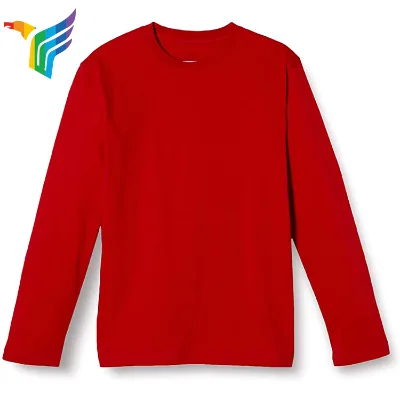


Custom High Quality Blank Jersey Polyester T-Shirt Sports Exercise T-Shirt
$4.90 - $6.90
MOQ: 50 pieces


Customized Football Training T-Shirts, Polyester Fitted T-Shirts, Universal
$6.90 - $8.90
MOQ: 50 pieces


Comprehensive Sourcing Guide
Eco-Friendly Knitted Jersey T-Shirt Sourcing Guide
Sourcing eco-friendly knitted jersey t-shirts requires a nuanced understanding of material science, manufacturing processes, and supply chain transparency. The term "eco-friendly" is often used broadly in B2B contexts, so buyers must distinguish between recycled content, organic certifications, and sustainable dyeing processes. This guide provides a structured approach to evaluating suppliers, verifying technical specifications, and ensuring that procurement decisions align with both environmental goals and commercial viability. By focusing on evidence-based verification steps, buyers can mitigate risks associated with greenwashing and ensure product quality meets market expectations.
The following sections outline critical areas for due diligence, from initial product scope analysis to long-term supplier relationship management. Each section is designed to help procurement professionals make informed decisions by highlighting key verification points, potential pitfalls, and best practices. The goal is to provide a comprehensive framework for sourcing high-quality, sustainable apparel that meets specific brand requirements and regulatory standards.
Product Scope and Observed Listing Signals
The observed product landscape for knitted jersey t-shirts reveals a diverse range of options, with materials varying between polyester and cotton blends. Listings indicate that polyester is a common material, often associated with performance features such as quick-drying, moisture-wicking, and breathability. These attributes are particularly relevant for athletic and casual wear, where functionality is as important as aesthetics. Buyers should note that while some products are labeled as "eco-friendly," the specific type of polyester—whether virgin, recycled, or bio-based—must be explicitly verified through supplier documentation.
In addition to material composition, the observed listings highlight various customization options, including logo printing, embroidery, and blank designs. Sizes range from S to XXL, with some suppliers offering custom sizing standards. The presence of features like needle detection and specific packing methods (e.g., 1 set/OPP, 100 sets/CTN) suggests a focus on quality control and efficient logistics. Buyers should leverage these signals to assess supplier capabilities, ensuring that the chosen partner can meet specific branding and packaging requirements while maintaining consistent quality across large orders.
Technical Specifications to Verify
When evaluating technical specifications, buyers must prioritize the verification of fabric composition and construction methods. For knitted jersey t-shirts, the stitch density, yarn count, and fabric weight are critical determinants of durability, comfort, and drape. Suppliers should provide detailed fabric specifications, including GSM (grams per square meter) and stretch recovery rates, to ensure the product meets performance expectations. Additionally, the type of knitting technique—such as single jersey or interlock—should be confirmed, as it affects the garment's shape retention and overall feel.
Colorfastness and shrinkage resistance are other essential technical parameters that require rigorous testing. Buyers should request test reports for colorfastness to washing, rubbing, and light, as well as dimensional stability after multiple wash cycles. These tests ensure that the t-shirts maintain their appearance and fit over time, which is crucial for customer satisfaction and brand reputation. Furthermore, the verification of seam strength and stitch quality is necessary to prevent premature wear and tear, particularly in high-stress areas such as the shoulders and underarms.
Compliance and Safety Documentation
Compliance with international safety and environmental standards is non-negotiable for eco-friendly apparel sourcing. Buyers must ensure that suppliers adhere to regulations such as REACH, CPSIA, and OEKO-TEX, which restrict the use of harmful substances and ensure product safety. Documentation should include certificates of compliance, test reports from accredited laboratories, and declarations of conformity. These documents provide evidence that the t-shirts are free from hazardous chemicals, such as azo dyes, formaldehyde, and heavy metals, which can pose health risks to consumers.
In addition to chemical compliance, buyers should verify adherence to labor standards and ethical manufacturing practices. Certifications such as Fair Trade, SA8000, or BSCI can indicate that the supplier maintains safe working conditions, fair wages, and prohibits child or forced labor. These certifications are increasingly important for brands seeking to demonstrate social responsibility and transparency in their supply chains. Buyers should request audit reports and conduct periodic site visits to ensure ongoing compliance with these standards.
Cost Drivers and Commercial Terms
The cost of eco-friendly knitted jersey t-shirts is influenced by several factors, including material sourcing, production complexity, and order volume. Recycled polyester and organic cotton typically command higher prices than conventional materials due to the additional processing and certification costs involved. Buyers should analyze the cost breakdown to understand the premium associated with sustainable attributes and determine if it aligns with their budget and market positioning. Additionally, the complexity of customization, such as multi-color printing or intricate embroidery, can impact production costs and lead times.
Commercial terms, including MOQ (Minimum Order Quantity), lead times, and payment terms, are critical for effective procurement planning. Observed MOQs range from 1 to 3000 units, offering flexibility for both small-scale trials and large-volume orders. Buyers should negotiate favorable terms that balance cost efficiency with supply chain resilience, such as staggered deliveries or flexible payment schedules. It is also important to clarify responsibilities for shipping, insurance, and customs clearance to avoid unexpected costs and delays.
Supplier Qualification and Quality Control
Supplier qualification is a foundational step in ensuring the reliability and consistency of eco-friendly apparel sourcing. Buyers should conduct a comprehensive assessment of potential suppliers, evaluating their production capacity, quality management systems, and financial stability. Site audits are essential to verify that the supplier's facilities meet safety, environmental, and operational standards. Buyers should also assess the supplier's ability to scale production and adapt to changing market demands, ensuring long-term partnership viability.
Quality control measures must be implemented throughout the production process to maintain product integrity. This includes pre-production sample approvals, in-line inspections during manufacturing, and final random inspections before shipment. Buyers should establish clear quality criteria and defect tolerance levels, communicating these expectations to the supplier. Additionally, implementing a robust feedback loop for addressing quality issues and continuous improvement initiatives can help enhance product quality and supplier performance over time.
Long-Term Procurement Checks
Long-term procurement success depends on continuous monitoring and evaluation of supplier performance and product quality. Buyers should establish key performance indicators (KPIs) to track metrics such as on-time delivery, defect rates, and customer satisfaction. Regular performance reviews with suppliers can identify areas for improvement and foster a collaborative relationship focused on mutual growth. Additionally, staying informed about industry trends, regulatory changes, and technological advancements is crucial for maintaining a competitive edge in the sustainable apparel market.
Sustainability efforts should be an ongoing priority, with buyers regularly assessing the environmental impact of their supply chain. This includes evaluating the supplier's progress in reducing carbon emissions, water usage, and waste generation. Buyers should also explore opportunities for innovation, such as adopting new sustainable materials or circular economy practices, to further enhance the eco-friendly credentials of their products. By committing to long-term sustainability goals, buyers can build a resilient and responsible supply chain that delivers value to both the business and the planet.
FAQs
What materials are used for these knitted jersey t-shirts?
The products are primarily made from 100% polyester or cotton materials. Some items feature a jersey fabric type with knitted technics to ensure comfort and durability for various sports activities.
Can I customize the logo on these t-shirts?
Yes, customization is available for these products. Buyers can choose from printed or embroidered patterns, and the design can be customized to meet specific branding requirements for bulk orders.
Which sizes are available for the adult t-shirts?
Standard sizes include S, M, L, XL, and XXL. The product specifications also list numeric standards ranging from 2 to 16, ensuring a fit for various adult body types across different models.
How long is the lead time for sample orders?
Support is provided for 7-day sample order lead times. This allows buyers to quickly evaluate product quality and customization options before committing to larger production runs or bulk purchases.
What features do these quick-drying t-shirts offer?
These t-shirts offer quick-drying, moisture-wicking, and breathable features. They are designed for ball sports, soccer, cycling, and other active uses to keep the wearer comfortable during intense physical activity.
Where are these t-shirts manufactured?
The products originate from Guangxi, China. This location is noted in the product specifications for various models, ensuring traceability and consistent manufacturing standards for the supplied inventory.
What is the packaging method for these items?
Items are packed as one set per OPP bag, with 100 sets per carton. Some variations may also use boxes for packaging, depending on the specific model and buyer requirements.