Source eco-friendly nickel free shoe tag for Bags Garment Shoes
Compare 30 listings for eco-friendly nickel free shoe tag options suitable for bags, garments, and shoes. Buyers can review specifications like material, customization, and lead times from verified suppliers offering OEM and ODM services.
Key considerations
Products List



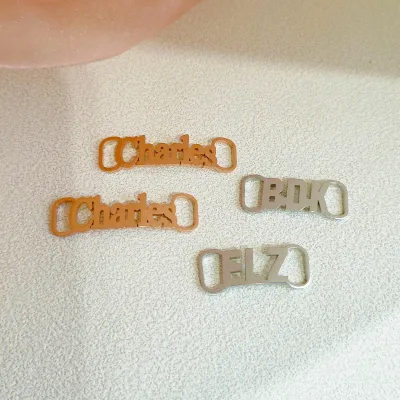
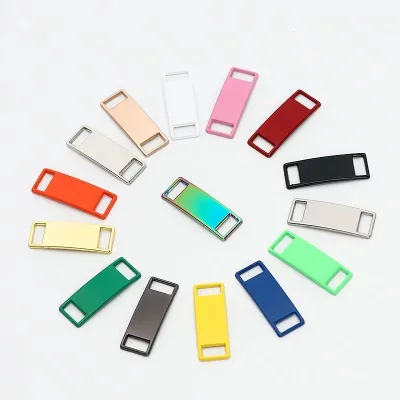


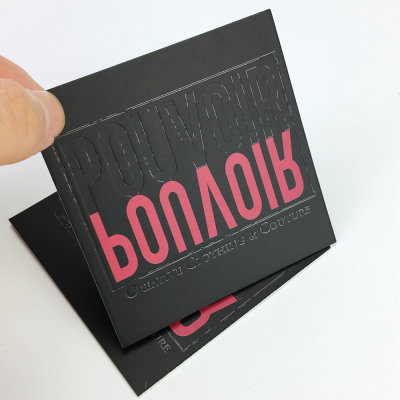




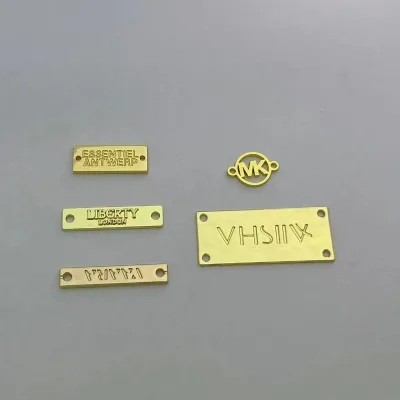
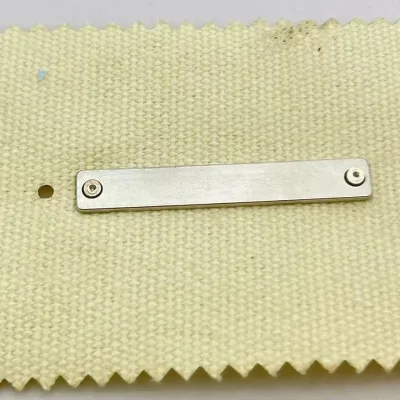
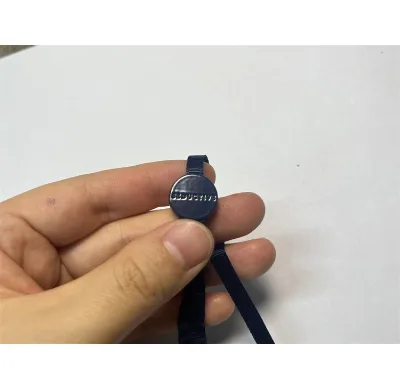


China Wholesale Metal Logo Tag Custom Metal Shoelace Tag with Custom Logo
$0.06 - $2.11
MOQ: 100 Pieces





Comprehensive Sourcing Guide
Strategic Sourcing Guide for Eco-Friendly Nickel-Free Shoe Tags
Procuring specialized components for the footwear industry requires a meticulous approach, particularly when the core requirement involves specific material safety and environmental standards. The search for an eco-friendly, nickel-free shoe tag is not merely a request for a label but a strategic decision impacting brand reputation, regulatory compliance, and consumer safety. In the global supply chain, the intersection of sustainability and material safety presents unique challenges that buyers must navigate with precision. This guide outlines the essential factors for sourcing these components, drawing on observed market data and verified product attributes to ensure a robust procurement strategy.
Technical Specifications and Material Composition
The foundation of a successful sourcing strategy lies in a clear understanding of the technical specifications required for the product. In the current market, shoe tags are not monolithic; they vary significantly in material composition, shape, and manufacturing technique. Buyers must distinguish between tags made from durable metals and those constructed from sustainable paper or synthetic polymers.
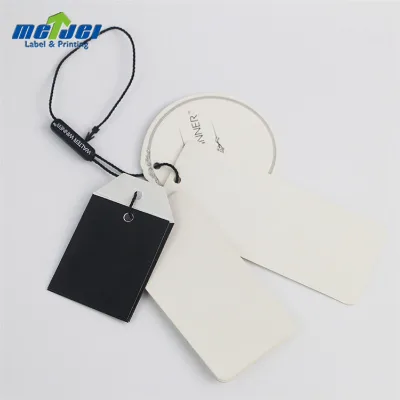
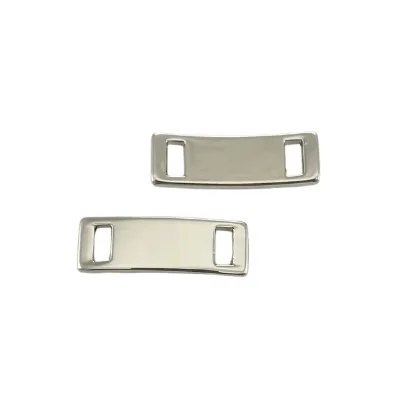
Observed product data indicates a diverse range of materials available, including Zinc Alloy, Steel, and Paper. For applications requiring high durability and a premium feel, metal tags such as those made from Zinc Alloy or Steel are common. These materials often feature specific plating processes, such as Chrome plating, to enhance corrosion resistance and aesthetic appeal. Conversely, for eco-conscious branding, paper-based tags offer a viable alternative. The market includes options made from 350GSM white cardboard, which can be folded and customized with specific logos.
The physical attributes of these tags are equally critical. The shape can range from standard forms to irregular shapes, with some suppliers offering fully customized geometries to match brand identity. The form factor is often vertical, designed to hang securely from shoelaces or eyelets. Furthermore, the manufacturing process plays a pivotal role in the final product's quality. Techniques such as printing, appliqué, and die-cutting or kiss-cutting are prevalent. For instance, paper tags may utilize UV-proof, eco-friendly inks, while metal tags might feature printed or embossed designs. The size is another variable; while "commonly used sizes" exist, the ability to accept customized dimensions is a standard offering in this sector, allowing for precise fitment on various shoe models.
Compliance and Certification Verification
When the core keyword includes "nickel-free" and "eco-friendly," compliance becomes the primary filter for supplier selection. Nickel allergies are a significant concern in the footwear industry, as direct skin contact with metal components can cause dermatitis. Therefore, verifying that a product is truly nickel-free is non-negotiable. While specific test data results are not universally provided in general listings, buyers must demand documentation proving the absence of nickel in metal components.
Similarly, the "eco-friendly" claim requires rigorous verification. The market offers tags with features labeled as "Recycled," "Eco-Friendly," and "Handmade." To substantiate these claims, buyers should look for recognized certifications. The supplied context mentions certifications such as TUV, CE, ISO, and GMP. While these are standard quality and safety markers, they do not automatically guarantee eco-friendly status or nickel-free composition without specific testing reports. Buyers should also be aware of standards like REACH, OEKO-TEX, and GOTS, which are often relevant in this sector, though their specific application status must be confirmed with the supplier.
A critical aspect of compliance is the ink and adhesive used. For paper tags, the use of UV-proof, eco-friendly inks is a positive indicator. For metal tags, the plating process must be free of nickel. The "Self Adhesive" attribute is also relevant; if the tag is adhesive-backed, the adhesive itself must be non-toxic and safe for skin contact. Buyers should request a Material Safety Data Sheet (MSDS) or a specific declaration of conformity that explicitly states the nickel content is below the threshold defined by relevant regulations (typically 0.5 µg/cm²/week for nickel release).
Cost Drivers and Pricing Dynamics
Understanding the cost structure of eco-friendly, nickel-free shoe tags is essential for budgeting and negotiation. The observed price range in the market spans from $0 to $2.11 USD per unit, a wide variance that reflects differences in material, customization, and order volume. Several key factors drive these costs.
First, the material choice is a primary determinant. Metal tags, particularly those made from Zinc Alloy or Steel with chrome plating, generally command higher prices than paper tags due to the raw material costs and the complexity of the plating process. Second, customization significantly impacts pricing. Features such as OEM/ODM logo acceptance, custom shapes, and specific color matching (following Pantone Color Charts) add to the production cost. Third, the order quantity, or Minimum Order Quantity (MOQ), plays a crucial role. The observed MOQ range is between 50 and 10,000 units. Smaller orders often carry a higher unit cost due to setup fees and lower economies of scale, while bulk orders can reduce the per-unit price.
Additionally, the production process and lead time influence cost. Tags requiring complex techniques like appliqué or die-cutting may incur higher processing fees. The "Bulk Time" of 3-5 working days suggests a relatively quick turnaround for standard orders, but custom designs may extend this timeline. Buyers should also consider packaging costs; options like polybags or cartons, and the ability to accept special packaging demands, can affect the final landed cost.
Typical Applications and Market Segments
The versatility of shoe tags allows them to serve various applications across different market segments. The primary use cases include bags, garments, shoes, and gifts. In the footwear industry, these tags function as brand identifiers, care instructions, and authenticity markers. They are particularly valuable for high-end brands that require a premium feel, often utilizing metal tags with chrome plating and irregular shapes to stand out.
The application scope extends beyond mere identification. Tags are used for decoration and promotion, making them a marketing tool in themselves. For instance, tags with "3D" features or unique shapes can enhance the unboxing experience, adding value to the product. The "Business" and "Public" applications suggest that these tags are suitable for corporate gifting and public sector procurement as well.
The location of use is another consideration. Tags are designed for both indoor and outdoor use, implying a need for durability against environmental factors. Features like "High Temperature Resistant," "Corrosion-Resistance," and "Fire Resistance" are particularly relevant for tags that may be exposed to harsh conditions or require sterilization. This makes them suitable for athletic footwear, work boots, and outdoor gear where longevity and safety are paramount.
Supplier Evaluation and Selection Criteria
Selecting the right supplier is as critical as selecting the product itself. Buyers should evaluate suppliers based on their ability to meet the specific technical and compliance requirements of the core keyword. A robust evaluation framework should include the following criteria:
- Customization Capability: The supplier must demonstrate a proven track record in offering OEM and ODM services. The ability to accept customized designs, shapes, and sizes is a key indicator of flexibility.
- Certification Portfolio: While general certifications like TUV, CE, and ISO are common, buyers must verify specific claims regarding nickel-free status and eco-friendly materials. A supplier that can provide detailed test reports is preferable.
- Production Capacity and Lead Time: The observed lead times, such as 7 days for sample orders and 3-5 working days for bulk production, indicate a responsive supply chain. However, buyers should confirm these timelines for their specific order volume and customization level.
- Quality Control Processes: The presence of "High Temperature Resistant" and "Corrosion-Resistance" features suggests a focus on durability. Buyers should inquire about the supplier's internal quality control measures, including in-process inspections and final product testing.
- Packaging and Logistics: The ability to provide packaging details, such as 100 PCS in a PP bag or small box, and the flexibility to accept special packaging demands are important for logistics efficiency. The shipping method, whether by express or sea, should align with the buyer's urgency and budget.
Quality Control and Long-Term Procurement Considerations
Ensuring consistent quality is vital for maintaining brand integrity. Buyers should implement a rigorous quality control protocol that includes pre-production sample approval, in-line inspections, and final random sampling. The "Sample Time" of 2-3 working days allows for quick iteration and validation of design and material choices before full-scale production begins.
Long-term procurement considerations involve building a sustainable relationship with suppliers who can scale with the buyer's needs. The "Advantage" of being "in Stock" and offering "Low Price" is beneficial, but it should not come at the expense of quality. Buyers should monitor the supplier's ability to maintain consistent material quality, especially regarding the nickel-free and eco-friendly claims. As regulations evolve, suppliers must be adaptable to new compliance requirements.
Furthermore, the environmental impact of the packaging and the product itself should be considered. The use of recycled materials and eco-friendly inks aligns with global sustainability trends. Buyers should also evaluate the supplier's commitment to reducing waste and energy consumption during the manufacturing process. The "Design" feature of free artwork services can be a significant advantage, reducing the time and cost associated with product development.
Conclusion
Sourcing eco-friendly, nickel-free shoe tags requires a balanced approach that prioritizes technical specifications, compliance, and supplier reliability. By understanding the diverse range of materials, from Zinc Alloy to Paper, and the various manufacturing techniques available, buyers can make informed decisions that align with their brand values and market demands. The wide price range and MOQ flexibility offer opportunities for both small-scale and large-volume procurement, provided that the buyer conducts thorough due diligence on certifications and quality control. Ultimately, a strategic partnership with a capable supplier ensures the delivery of high-quality, safe, and sustainable components that enhance the value of the final footwear product.
FAQs
What materials are used for eco-friendly nickel free shoe tags?
Tags are available in Zinc Alloy, Steel, and Paper materials. Metal options often feature Chrome plating for corrosion resistance, while paper tags use 350GSM white cardboard with eco-friendly inks.
Can suppliers provide customized shapes and sizes for these tags?
Yes, customization is available for shape, size, and branding. Suppliers accept irregular shapes, vertical forms, and custom dimensions while following Pantone color charts for accurate branding.
What certifications verify the safety and quality of these tags?
Products often carry TUV, CE, ISO, and GMP certifications. Buyers should verify specific nickel-free claims and eco-friendly status through detailed test reports or Material Safety Data Sheets.
How long does it take to produce bulk orders of these tags?
Bulk production typically requires 3 to 5 working days. Sample orders can be completed within 2 to 3 working days, with a 7-day lead time support available for specific requests.
What is the minimum order quantity for purchasing these tags?
The minimum order quantity ranges from 50 to 10,000 units depending on the supplier. Lower MOQs allow for smaller batches, while larger orders may reduce the per-unit cost significantly.
Are these tags suitable for both indoor and outdoor applications?
Yes, the tags are designed for both indoor and outdoor use. They feature high temperature resistance, corrosion resistance, and fire resistance to withstand various environmental conditions.
What packaging options are available for shipping these tags?
Standard packaging includes polybags or cartons, typically holding 100 pieces per bag. Suppliers also accept special packaging demands to help buyers save time and manage logistics efficiently.